




4 inch ball valve Material Science Manufacturing
Introduction
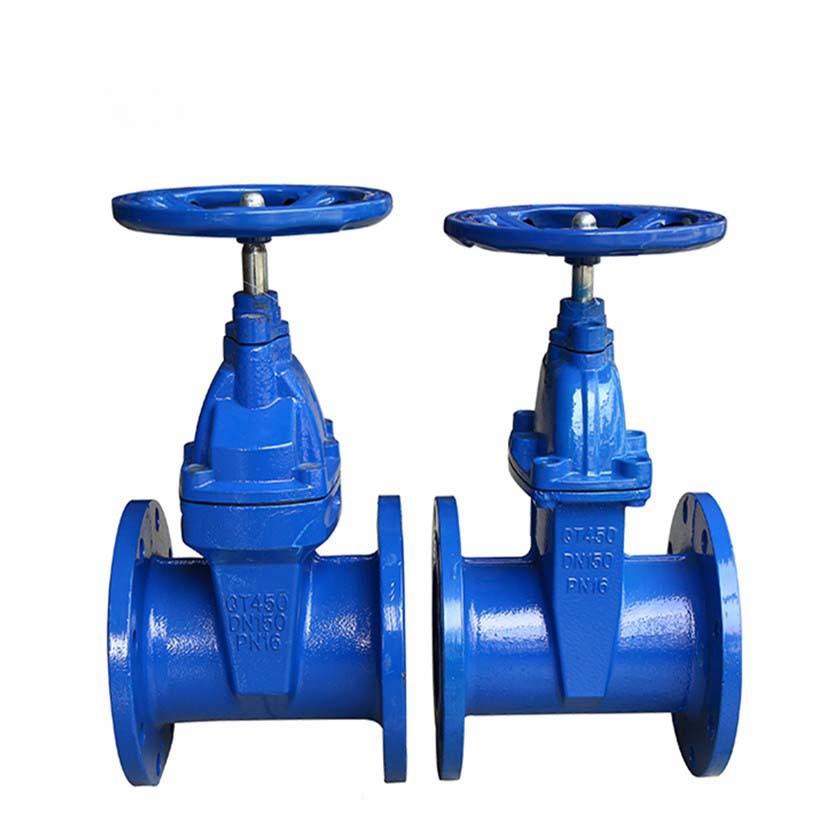
The 4-inch ball valve is a quarter-turn rotational motion valve utilized to regulate the flow of fluids within a pipeline. Positioned within the fluid control industry, it serves as a critical component in diverse applications including oil and gas, chemical processing, water treatment, and HVAC systems. Unlike gate valves which employ a sliding disc, the 4-inch ball valve utilizes a spherical closure mechanism – a ball with a bore – allowing for quick, reliable on/off control with minimal pressure drop when fully open. Its robust design and inherent sealing capabilities, particularly with the implementation of resilient seat materials, make it a preferred choice for demanding industrial environments. Core performance metrics include flow coefficient (Cv), pressure rating (ANSI/ASME class ratings), leak tightness (seats), and material compatibility based on the handled fluid.
Material Science & Manufacturing
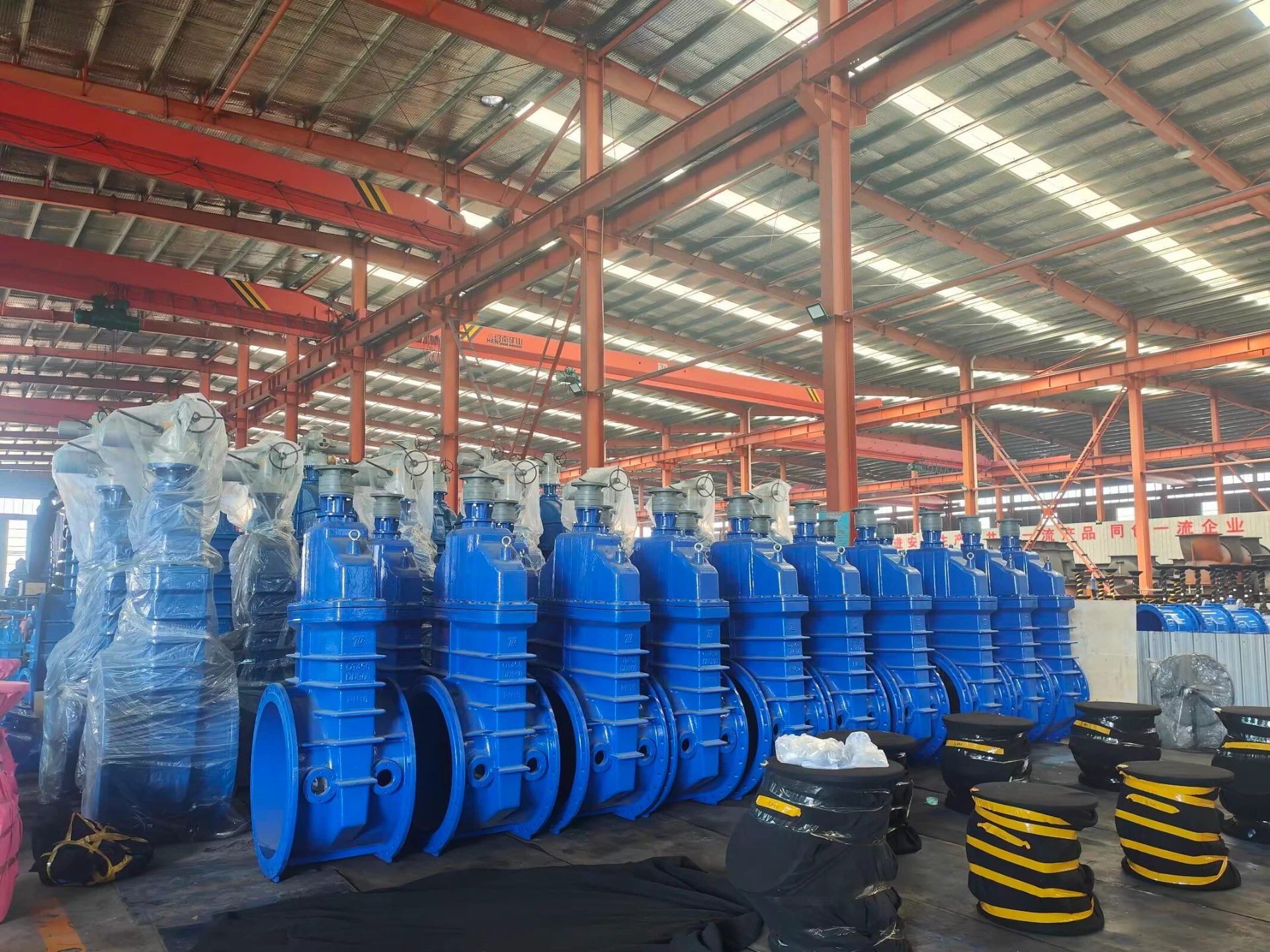
The body of a 4-inch ball valve is commonly manufactured from carbon steel (ASTM A105, A53 Grade B), stainless steel (304/316 – ASTM A351), or alloy steels dependent on fluid compatibility and pressure/temperature requirements. The ball itself is typically crafted from hardened stainless steel (410, 316) to ensure wear resistance and durability. Seats are frequently composed of PTFE (Teflon), reinforced PTFE, or other elastomeric materials like EPDM, Viton, or Buna-N to provide a tight seal. Manufacturing processes involve several key steps. Casting or forging forms the initial body shape. Precision machining creates the valve bore and seat cavities. The ball undergoes a hardening and polishing process to achieve a smooth, leak-free surface. Welding (SMAW, GTAW, or FCAW, following ASME Section IX standards) joins body components. Critical parameters include dimensional accuracy of the bore (controlled via CNC machining), surface finish of the ball (Ra value dictates sealing performance), weld quality (penetration, porosity), and heat treatment processes to achieve the desired material hardness. Corrosion resistance is a significant concern; materials are selected based on the chemical properties of the transported fluid. For example, handling hydrogen sulfide (H2S) requires specialized materials like duplex stainless steel to prevent sulfide stress cracking.
Performance & Engineering
Performance of a 4-inch ball valve hinges on several engineering considerations. Flow analysis is crucial, calculating pressure drop across the valve using equations based on the Cv value and fluid properties (density, viscosity). The valve is subjected to significant forces: fluid pressure acting on the ball and seats, and torque required for operation. Finite element analysis (FEA) is often employed to assess stress distribution within the valve body under maximum operating pressure. Environmental resistance is paramount; temperature fluctuations can induce thermal expansion/contraction, impacting sealing. Cryogenic applications require specialized materials and designs to prevent embrittlement. Compliance with industry standards (API 6D, ASME B16.34) dictates hydrostatic testing requirements (proof and seat tests) to verify leak tightness and structural integrity. The actuator, whether manual, pneumatic, or electric, introduces additional engineering considerations, including torque requirements and control system integration. Proper stem sealing (using packing materials like graphite or PTFE) prevents fugitive emissions, adhering to environmental regulations like EPA Method 21.
Technical Specifications
| Parameter | Specification (Typical) | Unit | Testing Standard |
|---|---|---|---|
| Nominal Pipe Size | 4 | inches | ANSI B1.20.1 |
| Pressure Rating | 150, 300, 600 | PSI | ASME B16.34 |
| Body Material | Carbon Steel (A105), 304/316 SS | - | ASTM A105, ASTM A351 |
| Ball Material | 316 Stainless Steel | - | ASTM A276 |
| Seat Material | PTFE, RPTFE | - | ASTM D3418 |
| End Connection | Welded End, Flanged End (RF, RTJ) | - | ASME B16.5 |
Failure Mode & Maintenance
Common failure modes in 4-inch ball valves include seat erosion or damage due to particulate matter in the fluid, leading to leakage. Ball scratching or pitting can also compromise sealing. Stem packing failure results in fugitive emissions. Corrosion, particularly in aggressive environments, can lead to body or ball degradation. High-cycle fatigue, stemming from frequent actuation, can cause cracking in the stem or body. Failure analysis often reveals the root cause: improper material selection, inadequate filtration, excessive torque application, or exceeding pressure/temperature limits. Preventative maintenance involves regular inspection of the valve body for corrosion, periodic replacement of stem packing, lubrication of moving parts (stem, ball), and proper filtration of the fluid. Leak testing (using pneumatic or hydrostatic methods) identifies seat leakage. In the event of failure, replacement of the seat, ball, or stem packing is typically required. Full valve replacement may be necessary for severe corrosion or body cracking. Proper storage practices, including protecting valves from environmental exposure, extend their service life.
Industry FAQ
Q: What is the impact of fluid velocity on ball valve lifespan?
A: High fluid velocity can accelerate erosion of the ball and seats, leading to premature failure. Cavitation, which occurs when fluid pressure drops below its vapor pressure, can also cause significant damage. Proper valve sizing to maintain optimal flow velocities is crucial, generally aiming for velocities below 5 m/s.
Q: How does temperature affect the selection of seat materials?
A: Elevated temperatures can reduce the mechanical strength and creep resistance of seat materials like PTFE. For high-temperature applications, reinforced PTFE or alternative materials like PEEK are recommended. Cryogenic temperatures can cause embrittlement of some materials, necessitating specialized low-temperature alloys.
Q: What are the benefits of using a floating ball valve versus a trunnion-mounted ball valve in high-pressure applications?
A: Trunnion-mounted ball valves are preferred for high-pressure applications (typically above 1000 PSI) because the ball is supported by trunnions, reducing stress on the seats. Floating ball valves rely on the seats to support the ball, which can lead to seat deformation and leakage at high pressures.
Q: What considerations are important when selecting a ball valve for corrosive fluids?
A: Material compatibility is paramount. The valve body, ball, and seats must be constructed from materials resistant to the specific corrosive agent. Stainless steels, alloy steels, and specialized coatings (e.g., PTFE lining) are commonly employed. Consider the concentration and temperature of the corrosive fluid.
Q: How can I verify the leak tightness of a ball valve after installation?
A: Hydrostatic testing (following ASME B16.34) is the most reliable method. Alternatively, a pneumatic leak test can be performed, carefully monitoring for pressure drop. Visual inspection for external leakage is also important, but less definitive.
Conclusion
The 4-inch ball valve remains a cornerstone of fluid control systems due to its inherent simplicity, robust design, and rapid actuation. Proper material selection, meticulous manufacturing processes, and adherence to relevant industry standards are vital for ensuring reliable performance and longevity. Understanding the potential failure modes and implementing a proactive maintenance program are essential for minimizing downtime and maximizing return on investment.
The increasing demand for automation and stringent emission control necessitates a continued focus on actuator integration and leak-tight sealing technologies. Future developments will likely center on advanced materials, smart valve technologies (with integrated sensors and remote monitoring capabilities), and enhanced corrosion resistance coatings, driving further improvements in efficiency and sustainability.
-
Top Reasons to Choose a Stainless Steel Flange Check Valve for Industrial Applications
-
8 inch flange Performance Analysis
-
angle ring flanges Performance Analysis
-
Flat Flanges Performance Analysis
-
Full Face Flange Performance Analysis
-
Full Face Flanges Performance Analysis
-
flange 8 inch Performance Analysis
-
Ring Flange Performance Analysis
-
3 inch split flange Performance Analysis
-
Tongue and groove flange Performance Analysis
-
Grooved Flange Performance Analysis
-
o ring flange Performance Analysis
-
Ring Flanges Performance Analysis
-
Groove Flange Performance Analysis
-
Tongue and groove flanges Performance Analysis
 Afrikaans
 Albanian
 Amharic
 Arabic
 Armenian
 Azerbaijani
 Basque
 Belarusian
 Bengali
 Bosnian
 Bulgarian
 Catalan
 Cebuano
 Corsican
 Croatian
 Czech
Czech
 Danish
 Dutch
Dutch
 Esperanto
 Estonian
 Finnish
 French
 Frisian
 Galician
 Georgian
 German
 Greek
Greek
 Gujarati
 Haitian Creole
 Hausa
Hawaiian
Hausa
Hawaiian
 Hebrew
 Hindi
Hindi
 Miao
Miao
 Hungarian
 Icelandic
 Igbo
Igbo
 Indonesian
 Irish
Irish
 Italian
 Japanese
 Javanese
Kannada
Javanese
Kannada
 Kazakh
 Khmer
Khmer
 Rwandese
 Korean
 Kurdish
 Kyrgyz
 Lao
Lao
 Latin
Latin
 Latvian
 Lithuanian
 Luxembourgish
 Macedonian
 Malgashi
 Malay
Malay
 Malayalam
 Maltese
 Maori
Maori
 Marathi
 Mongolian
 Myanmar
 Nepali
 Norwegian
 Norwegian
 Occitan
 Pashto
 Persian
 Polish
 Portuguese
Punjabi
Portuguese
Punjabi
 Romanian
 Russian
 Samoan
 Scottish Gaelic
 Serbian
 Sesotho
 Shona
Shona
 Sindhi
 Sinhala
 Slovak
 Slovenian
 Somali
 Spanish
 Sundanese
 Swahili
 Swedish
Tagalog
Swedish
Tagalog
 Tajik
Tajik
 Tamil
Tamil
 Tatar
Tatar
 Telugu
 Thai
Thai
 Turkish
 Turkmen
 Ukrainian
 Urdu
Urdu
 Uighur
 Uzbek
Uzbek
 Vietnamese
 Welsh
Welsh
 Bantu
Bantu
 Yiddish
 Yoruba
 Zulu
Zulu
 English