




4 inch butterfly valve Performance Analysis
Introduction
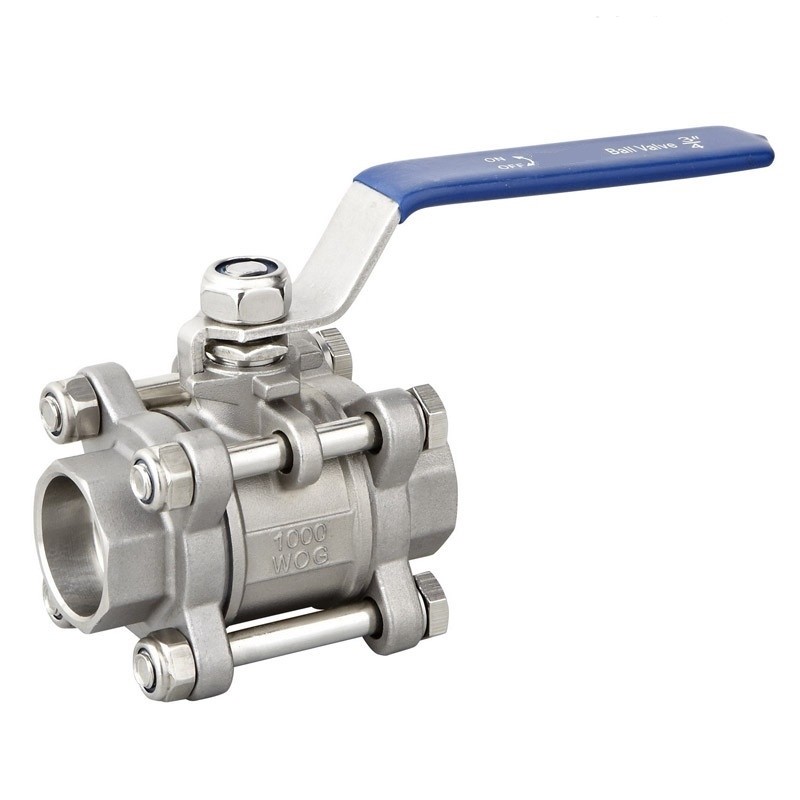
The 4-inch butterfly valve is a quarter-turn rotational motion valve used to regulate or isolate flow within a pipeline. Its technical position within the fluid handling industry chain is as a critical control component, positioned between pumps, pipes, and downstream process equipment. Unlike gate valves which offer linear flow, or globe valves designed for throttling, butterfly valves excel in applications requiring rapid on/off control and moderate flow regulation where minimal pressure drop is crucial. Core performance characteristics include flow capacity, pressure rating, sealing efficiency (achieved through resilient seat materials), and operational torque requirements. The 4-inch designation refers to the nominal pipe size to which the valve is designed to connect. These valves find extensive use in water treatment, chemical processing, HVAC systems, fire protection, and various industrial applications. A key industry pain point is achieving reliable sealing in large diameter valves, particularly with abrasive media, and maintaining consistent torque requirements across varying temperature and pressure conditions.
Material Science & Manufacturing
The primary material for 4-inch butterfly valve bodies is typically cast iron (ASTM A126 Class B), ductile iron (ASTM A536 65-45-12), or stainless steel (304/316 – ASTM A351 Grade CF8/CF8M). The disc is often constructed from ductile iron, stainless steel, or alloy steels depending on the fluid compatibility requirements. Seat materials are critical for sealing performance, and commonly include EPDM (ethylene propylene diene monomer), PTFE (polytetrafluoroethylene), or Viton (fluoroelastomer). Each material possesses distinct properties: cast iron offers cost-effectiveness but is susceptible to corrosion; ductile iron provides improved strength and ductility; stainless steel delivers excellent corrosion resistance; and EPDM/PTFE/Viton provide varying levels of chemical resistance and temperature tolerance. Manufacturing processes involve sand casting for the body, followed by machining to precise tolerances for the disc and stem bore. The disc is typically investment cast or forged. Seat insertion requires careful bonding and surface preparation. Crucially, parameter control during sand casting (cooling rates, mold composition) influences the microstructure and mechanical properties of the body, impacting its pressure containment capability. Welding processes used for joining components (e.g., the stem to the disc) must adhere to ASME Section IX standards to ensure weld integrity and prevent failure due to stress concentration. Surface treatments, such as epoxy coating (AWWA C550), are applied to the exterior to enhance corrosion resistance.
Performance & Engineering
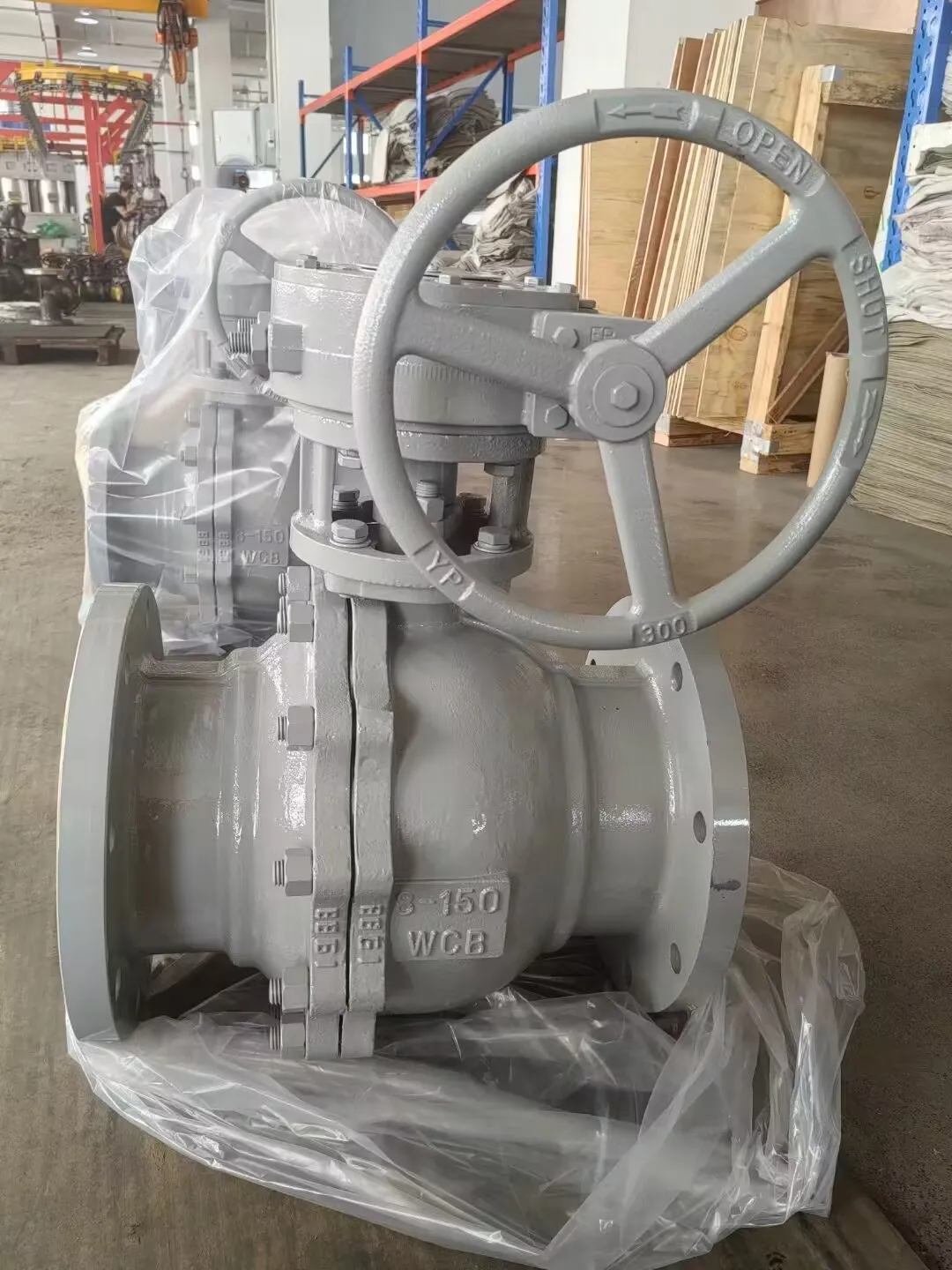
Performance of a 4-inch butterfly valve is heavily influenced by hydrodynamic forces and torque requirements. Flow coefficient (Cv) determines the valve's capacity to pass fluid at a given pressure drop. Pressure rating (ANSI Class 125/150/300) dictates the maximum allowable working pressure. Torque calculations are critical for actuator selection; factors include fluid density, flow velocity, pressure differential, and seat friction. Finite Element Analysis (FEA) is routinely used to assess stress distribution within the body and disc under various operating conditions, ensuring structural integrity. Environmental resistance is addressed through material selection and coatings. For example, exposure to UV radiation can degrade certain polymers, necessitating UV-stabilized seat materials. Compliance requirements are governed by standards like API 598 (manufacturing and testing), MSS SP-61 (pressure testing), and ISO 5208 (design and testing). Flutter and cavitation are potential concerns at high flow velocities. Valve design features, such as disc profiling and seat geometry, are optimized to minimize these phenomena. The valve's seat design dictates leak tightness; bi-directional sealing is generally preferred to accommodate reverse flow. Considerations for fugitive emissions are paramount, particularly in hazardous environments, leading to the specification of low-emission seat designs conforming to standards like API 624.
Technical Specifications
| Parameter | Specification (Typical) | Unit | Testing Standard |
|---|---|---|---|
| Nominal Size | 4 | inch | ANSI B16.10 |
| Pressure Rating | 125/150/300 | psi | ANSI B16.34 |
| Body Material | Ductile Iron (65-45-12) | - | ASTM A536 |
| Disc Material | Stainless Steel 316 | - | ASTM A351 Grade CF8M |
| Seat Material | EPDM | - | ASTM D2000 |
| Connection Type | Wafer/Lug/Flanged | - | ANSI B16.10 |
| Cv Value (Fully Open) | 350-500 | - | API 598 |
Failure Mode & Maintenance
Common failure modes for 4-inch butterfly valves include seat erosion due to abrasive media, disc corrosion (particularly in aggressive chemical environments), stem packing leakage, and bearing wear. Fatigue cracking can occur in the disc under cyclical loading. Corrosion, particularly galvanic corrosion between dissimilar metals, represents a significant risk. Failure analysis often reveals root causes such as improper material selection, inadequate corrosion protection, or exceeding the valve's pressure/temperature limits. Maintenance procedures involve regular inspection of the seat for wear or damage, lubrication of the stem bearings, and replacement of the stem packing. Periodic torque testing verifies actuator functionality. For severely corroded valves, complete replacement may be necessary. Preventative maintenance programs should include regular visual inspections, torque checks, and periodic disassembly for component assessment. Non-destructive testing (NDT) methods, such as dye penetrant inspection, can identify surface cracks. Proper storage conditions (dry, protected from UV exposure) are crucial to prevent premature degradation of seat materials. Leakage around the stem indicates packing failure, requiring repackaging or replacement. Abrasive service applications necessitate hardened seat materials and frequent inspections.
Industry FAQ
Q: What is the difference between a wafer-type and a lug-type 4-inch butterfly valve, and which is preferred for critical applications?
A: Wafer-type valves are designed to be held in place between two flanges by the flanges themselves. They’re cost-effective but require flange bolting for sealing. Lug-type valves have lugs extending from the valve body with holes for bolting directly to the pipeline, reducing flange stress and offering more reliable sealing. For critical applications, lug-type valves are generally preferred due to their enhanced sealing capabilities and ability to withstand higher pressures and temperatures, even with slight flange misalignment.
Q: How does the choice of seat material impact the valve's performance in different chemical applications?
A: Seat material compatibility is paramount. EPDM offers good resistance to water, steam, and many chemicals but is not suitable for strong acids or hydrocarbons. PTFE provides broad chemical resistance but has a lower temperature range. Viton excels in high-temperature applications and resistance to oils and fuels. Selecting the wrong seat material can lead to rapid degradation, leakage, and valve failure. A chemical compatibility chart should be consulted prior to selection.
Q: What are the key considerations when selecting an actuator for a 4-inch butterfly valve?
A: Actuator selection depends on the valve's torque requirements, speed of operation, and control signal. Factors include fluid density, pressure differential, and seat friction. Sizing calculations must account for the worst-case operating conditions. Actuator types include pneumatic, electric, and hydraulic, each with advantages and disadvantages. Pneumatic actuators are cost-effective for quick on/off control, while electric actuators offer precise positioning and remote control capabilities.
Q: What are the implications of exceeding the valve's specified pressure rating?
A: Exceeding the pressure rating can lead to catastrophic failure, including body rupture, disc damage, or seat extrusion. It can also cause permanent deformation of valve components, compromising sealing performance. Regular pressure testing and adherence to the valve’s operating limits are crucial to ensure safety and prevent unplanned downtime.
Q: What are the common causes of fugitive emissions from a 4-inch butterfly valve and how can they be mitigated?
A: Fugitive emissions typically occur from stem packing leakage or seat imperfections. Mitigation strategies include using low-emission stem packing, selecting a valve with a tight seat seal (e.g., a bi-directional seat), implementing a regular packing maintenance program, and considering a valve design certified to API 624 for low-emission performance.
Conclusion
The 4-inch butterfly valve is a versatile and efficient flow control device widely employed across numerous industrial sectors. Its performance relies heavily on careful material selection, precise manufacturing processes, and adherence to stringent industry standards. Understanding the nuances of material science, hydrodynamic forces, and potential failure modes is paramount for ensuring reliable operation and minimizing downtime.
Future advancements in butterfly valve technology will likely focus on enhanced sealing materials, improved actuator control systems, and the integration of smart sensors for predictive maintenance. Addressing the challenge of fugitive emissions and developing valves suitable for increasingly demanding chemical environments will remain key areas of innovation. Proper specification, installation, and maintenance practices are essential to maximize the lifespan and performance of these critical flow control components.
-
Top Reasons to Choose a Stainless Steel Flange Check Valve for Industrial Applications
-
8 inch flange Performance Analysis
-
angle ring flanges Performance Analysis
-
Flat Flanges Performance Analysis
-
Full Face Flange Performance Analysis
-
Full Face Flanges Performance Analysis
-
flange 8 inch Performance Analysis
-
Ring Flange Performance Analysis
-
3 inch split flange Performance Analysis
-
Tongue and groove flange Performance Analysis
-
Grooved Flange Performance Analysis
-
o ring flange Performance Analysis
-
Ring Flanges Performance Analysis
-
Groove Flange Performance Analysis
-
Tongue and groove flanges Performance Analysis
 Afrikaans
 Albanian
 Amharic
 Arabic
 Armenian
 Azerbaijani
 Basque
 Belarusian
 Bengali
 Bosnian
 Bulgarian
 Catalan
 Cebuano
 Corsican
 Croatian
 Czech
Czech
 Danish
 Dutch
Dutch
 Esperanto
 Estonian
 Finnish
 French
 Frisian
 Galician
 Georgian
 German
 Greek
Greek
 Gujarati
 Haitian Creole
 Hausa
Hawaiian
Hausa
Hawaiian
 Hebrew
 Hindi
Hindi
 Miao
Miao
 Hungarian
 Icelandic
 Igbo
Igbo
 Indonesian
 Irish
Irish
 Italian
 Japanese
 Javanese
Kannada
Javanese
Kannada
 Kazakh
 Khmer
Khmer
 Rwandese
 Korean
 Kurdish
 Kyrgyz
 Lao
Lao
 Latin
Latin
 Latvian
 Lithuanian
 Luxembourgish
 Macedonian
 Malgashi
 Malay
Malay
 Malayalam
 Maltese
 Maori
Maori
 Marathi
 Mongolian
 Myanmar
 Nepali
 Norwegian
 Norwegian
 Occitan
 Pashto
 Persian
 Polish
 Portuguese
Punjabi
Portuguese
Punjabi
 Romanian
 Russian
 Samoan
 Scottish Gaelic
 Serbian
 Sesotho
 Shona
Shona
 Sindhi
 Sinhala
 Slovak
 Slovenian
 Somali
 Spanish
 Sundanese
 Swahili
 Swedish
Tagalog
Swedish
Tagalog
 Tajik
Tajik
 Tamil
Tamil
 Tatar
Tatar
 Telugu
 Thai
Thai
 Turkish
 Turkmen
 Ukrainian
 Urdu
Urdu
 Uighur
 Uzbek
Uzbek
 Vietnamese
 Welsh
Welsh
 Bantu
Bantu
 Yiddish
 Yoruba
 Zulu
Zulu
 English