




ansi butterfly valve Performance Engineering
Introduction
ANSI butterfly valves are quarter-turn rotational motion valves used to regulate or isolate flow within a pipeline. Classified within the broader category of industrial valves, they represent a significant component in fluid handling systems across diverse sectors including water treatment, chemical processing, HVAC, and power generation. Their position within the industry chain is as a critical control element, functioning between pumps, pipelines, and end-use equipment. Core performance characteristics hinge upon their sealing efficiency (achieving bubble-tight shutoff), flow capacity (minimizing pressure drop), and operational torque requirements. A key advantage lies in their relatively lightweight construction and compact design compared to other valve types like gate or globe valves, resulting in lower installation costs and reduced space requirements. However, careful consideration must be given to limitations related to throttling precision and susceptibility to cavitation in specific applications. The ANSI designation refers to adherence to American National Standards Institute standards regarding dimensional specifications and pressure-temperature ratings, ensuring interchangeability and compatibility within North American infrastructure.
Material Science & Manufacturing
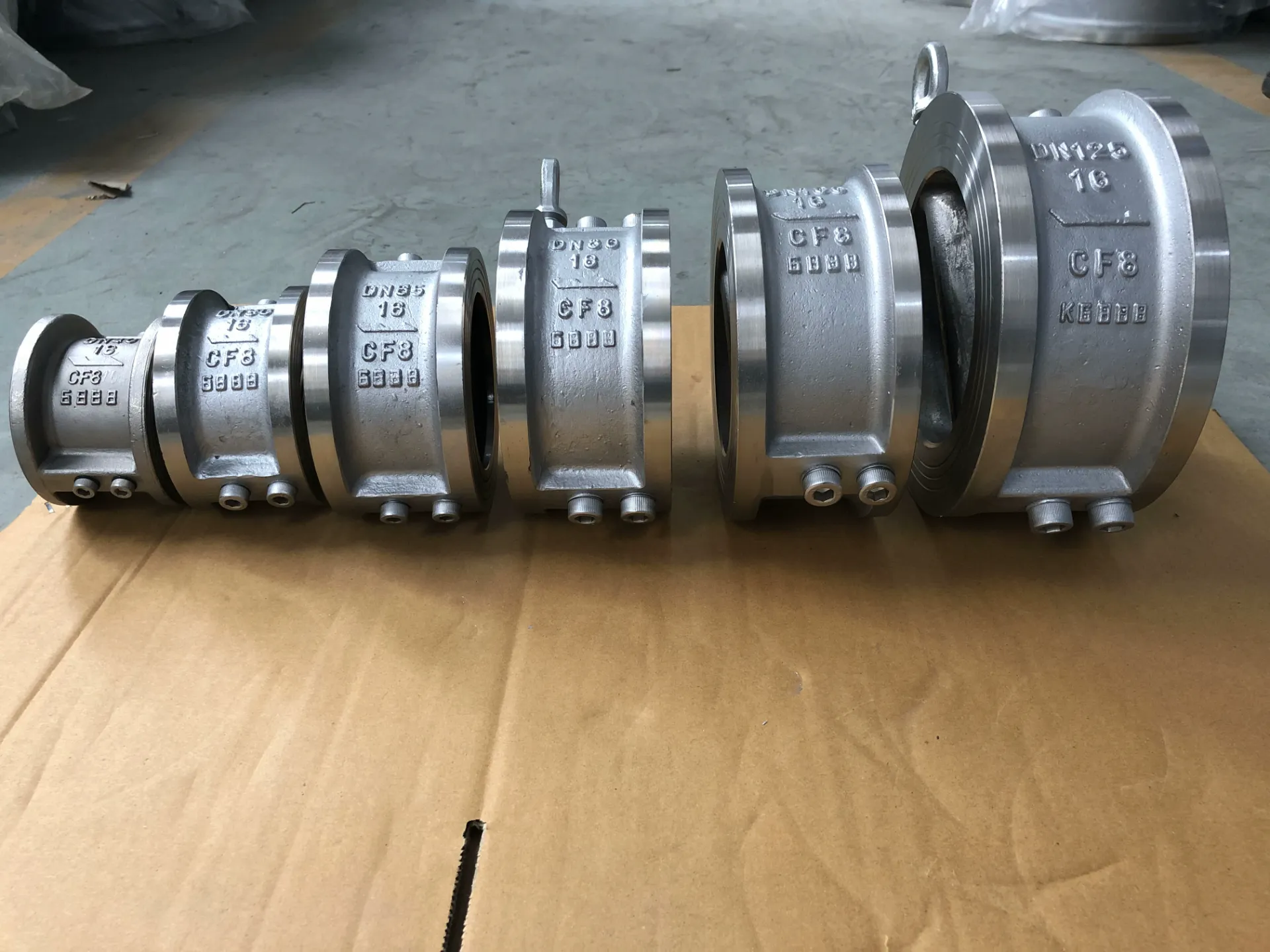
The construction of ANSI butterfly valves leverages a diverse range of materials selected based on fluid compatibility, temperature, pressure, and cost considerations. The valve body is commonly manufactured from ductile iron (ASTM A536-89), stainless steel (304/316 – ASTM A240), or alloy steels (e.g., CF8M). Ductile iron provides excellent corrosion resistance and strength for many water and wastewater applications. Stainless steel is preferred for corrosive chemical environments and high-purity systems. The disc, the primary flow control element, can be made from the same materials as the body, often utilizing stainless steel for improved durability and sealing. The valve seat, critical for bubble-tight shutoff, is typically manufactured from elastomers like EPDM, PTFE (Teflon), or Viton, chosen for their chemical resistance and resilience. Manufacturing processes involve several key stages. The body is typically produced via sand casting or investment casting. The disc is formed through forging or machining. The seat is often molded or machined in place. A critical process parameter is ensuring concentricity between the disc and the seat – misalignment significantly compromises sealing performance. Surface finishing is also paramount; electropolishing stainless steel components minimizes friction and enhances corrosion resistance. Welding procedures, when employed (e.g., for joining flanges), must comply with AWS D1.1 standards to ensure structural integrity and prevent weld defects like porosity or cracking. Quality control relies heavily on non-destructive testing (NDT) methods such as radiographic inspection and liquid penetrant testing to identify subsurface and surface flaws.
Performance & Engineering
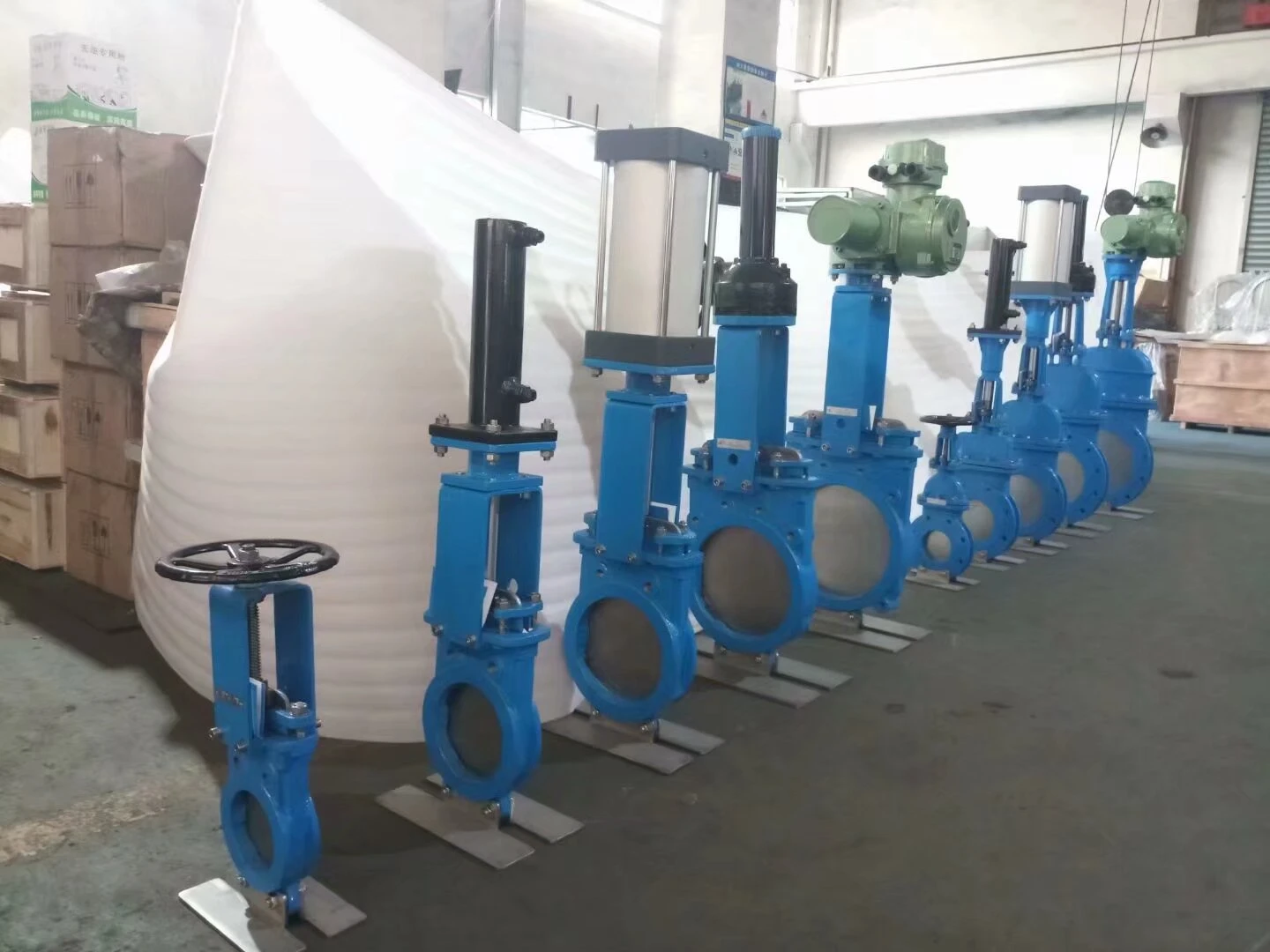
Performance of an ANSI butterfly valve is intrinsically linked to its hydrodynamic characteristics and structural integrity under pressure. Flow coefficient (Cv) is a key metric, dictating the valve’s capacity to pass fluid with minimal pressure drop. The valve’s torque requirements, the force needed to rotate the disc, are dependent on several factors: fluid density, pressure differential, disc diameter, and seat friction. Engineering analysis focuses on minimizing these torque requirements to reduce actuator size and energy consumption. Finite Element Analysis (FEA) is routinely used to assess stress distribution within the valve body and disc under various operating conditions, ensuring structural robustness and preventing failure. Environmental resistance is a major consideration. Exposure to corrosive fluids necessitates careful material selection and protective coatings. Temperature extremes can affect elastomer seat performance and induce thermal stresses in metal components. Compliance requirements vary by application. For potable water systems, valves must meet NSF/ANSI 61 standards regarding lead content and material leachability. For hazardous environments, valves must comply with ATEX or IECEx standards for explosion protection. Actuator selection—pneumatic, electric, or hydraulic—impacts the valve's responsiveness and control capabilities. Pneumatic actuators are cost-effective for on/off service, while electric actuators offer precise positioning for throttling applications. The operational lifespan of a butterfly valve is heavily influenced by its duty cycle (number of open/close cycles) and the severity of the operating environment.
Technical Specifications
| Parameter | Units | Specification Range (Typical) | Testing Standard |
|---|---|---|---|
| Maximum Operating Pressure | psi | Up to 250 psi (depending on material & size) | API 598 |
| Operating Temperature | °F | -20°F to 450°F (depending on seat material) | ASTM E290 |
| Valve Size | inches | 2” to 72” | MSS SP-61 |
| Leakage Class | bubble/min | Class V (Bubble-Tight Shutoff) | API 598 |
| Actuator Torque | in-lbs | Varies based on size, pressure, and fluid | IEC 60534-4 |
| Face-to-Face Dimensions | inches | Per MSS SP-61 | MSS SP-61 |
Failure Mode & Maintenance
Failure modes in ANSI butterfly valves are diverse, stemming from material degradation, mechanical wear, and improper operation. Common failure mechanisms include seat erosion due to particulate matter in the fluid stream, leading to leakage. Elastomer seat degradation due to chemical attack or temperature extremes results in loss of sealing capability. Disc corrosion, particularly in aggressive environments, weakens the structural integrity. Fatigue cracking in the disc or body can occur under cyclic loading. Cavitation, induced by rapid pressure drops, erodes the disc and seat surfaces. Failure analysis often reveals the root cause through visual inspection, material testing, and non-destructive examination. Preventive maintenance is crucial for maximizing valve lifespan. Regular inspection of the seat for wear or damage is essential. Periodic lubrication of the stem packing prevents leakage and reduces operational torque. Actuator maintenance, including inspection of pneumatic components or electric motor windings, ensures reliable operation. Proper valve operation is also vital – avoiding rapid actuation and full-stroke throttling minimizes wear and tear. When replacing components, adherence to OEM specifications is paramount to maintain performance and compatibility. Scheduled maintenance, based on operating conditions and duty cycle, can significantly reduce unplanned downtime and associated costs. Implementing a comprehensive maintenance program, documented through a Computerized Maintenance Management System (CMMS), optimizes valve performance and extends its service life.
Industry FAQ
Q: What are the key considerations when selecting a seat material for a butterfly valve handling hydrochloric acid?
A: Hydrochloric acid is highly corrosive. PTFE (Teflon) is generally the preferred seat material due to its excellent chemical resistance to HCl across a wide temperature range. However, filled PTFE compounds (e.g., glass-filled PTFE) may offer improved creep resistance and dimensional stability under high pressure or temperature. EPDM and other elastomers are unsuitable as they will rapidly degrade in contact with HCl.
Q: How does the wafer-type connection differ from the lug-type connection in terms of installation and application?
A: Wafer-type butterfly valves are designed to be installed between two flanges, requiring flange gaskets and bolts for assembly. They’re typically less expensive but require precise flange alignment. Lug-type valves have lugs on the valve body with pre-drilled holes, allowing for installation without requiring flange gaskets, simplifying installation and reducing potential leak paths. Lug-type valves are often preferred for applications where flange misalignment is a concern, or for easy removal for maintenance.
Q: What is the impact of cavitation on a butterfly valve, and how can it be mitigated?
A: Cavitation occurs when the absolute pressure of the fluid drops below its vapor pressure, forming vapor bubbles that collapse violently, causing erosion and damage to the disc and seat. Mitigation strategies include increasing the downstream pressure, reducing the flow velocity, using a valve with a more streamlined disc design, and selecting a valve material with improved cavitation resistance (e.g., hardened stainless steel).
Q: What is the significance of the "Class V" leakage rating for butterfly valves in critical applications?
A: Class V leakage, as defined by API 598, is the most stringent leakage standard, specifying a maximum allowable leakage rate of 0.1 ml/min/inch of seat diameter. This bubble-tight shutoff is critical in applications where even minimal leakage is unacceptable, such as hazardous fluid handling, high-purity systems, and environmental protection.
Q: How does the choice of actuator impact the control precision of a butterfly valve?
A: Pneumatic actuators are typically used for on/off applications and offer limited positioning accuracy. Electric actuators, particularly those with feedback control systems, provide much more precise control, enabling accurate throttling and flow regulation. Hydraulic actuators offer high torque capabilities but generally lack the precision of electric actuators.
Conclusion
ANSI butterfly valves provide a versatile and cost-effective solution for flow control across a broad spectrum of industrial applications. Their performance, however, is acutely dependent on careful material selection, precise manufacturing, and adherence to relevant industry standards. Understanding the potential failure modes and implementing a proactive maintenance program are essential for maximizing valve lifespan and ensuring reliable operation. The proper specification of a butterfly valve necessitates a comprehensive assessment of fluid compatibility, pressure-temperature requirements, and desired control precision.
Looking forward, advancements in materials science and actuator technology promise to further enhance the performance and longevity of ANSI butterfly valves. Developments in coating technologies offer improved corrosion resistance, while intelligent actuators with integrated diagnostics and remote monitoring capabilities are streamlining maintenance and optimizing operational efficiency. Continued adherence to evolving industry standards and best practices will remain paramount in ensuring the safe and reliable operation of these critical flow control components.
-
Top Reasons to Choose a Stainless Steel Flange Check Valve for Industrial Applications
-
8 inch flange Performance Analysis
-
angle ring flanges Performance Analysis
-
Flat Flanges Performance Analysis
-
Full Face Flange Performance Analysis
-
Full Face Flanges Performance Analysis
-
flange 8 inch Performance Analysis
-
Ring Flange Performance Analysis
-
3 inch split flange Performance Analysis
-
Tongue and groove flange Performance Analysis
-
Grooved Flange Performance Analysis
-
o ring flange Performance Analysis
-
Ring Flanges Performance Analysis
-
Groove Flange Performance Analysis
-
Tongue and groove flanges Performance Analysis
 Afrikaans
 Albanian
 Amharic
 Arabic
 Armenian
 Azerbaijani
 Basque
 Belarusian
 Bengali
 Bosnian
 Bulgarian
 Catalan
 Cebuano
 Corsican
 Croatian
 Czech
Czech
 Danish
 Dutch
Dutch
 Esperanto
 Estonian
 Finnish
 French
 Frisian
 Galician
 Georgian
 German
 Greek
Greek
 Gujarati
 Haitian Creole
 Hausa
Hawaiian
Hausa
Hawaiian
 Hebrew
 Hindi
Hindi
 Miao
Miao
 Hungarian
 Icelandic
 Igbo
Igbo
 Indonesian
 Irish
Irish
 Italian
 Japanese
 Javanese
Kannada
Javanese
Kannada
 Kazakh
 Khmer
Khmer
 Rwandese
 Korean
 Kurdish
 Kyrgyz
 Lao
Lao
 Latin
Latin
 Latvian
 Lithuanian
 Luxembourgish
 Macedonian
 Malgashi
 Malay
Malay
 Malayalam
 Maltese
 Maori
Maori
 Marathi
 Mongolian
 Myanmar
 Nepali
 Norwegian
 Norwegian
 Occitan
 Pashto
 Persian
 Polish
 Portuguese
Punjabi
Portuguese
Punjabi
 Romanian
 Russian
 Samoan
 Scottish Gaelic
 Serbian
 Sesotho
 Shona
Shona
 Sindhi
 Sinhala
 Slovak
 Slovenian
 Somali
 Spanish
 Sundanese
 Swahili
 Swedish
Tagalog
Swedish
Tagalog
 Tajik
Tajik
 Tamil
Tamil
 Tatar
Tatar
 Telugu
 Thai
Thai
 Turkish
 Turkmen
 Ukrainian
 Urdu
Urdu
 Uighur
 Uzbek
Uzbek
 Vietnamese
 Welsh
Welsh
 Bantu
Bantu
 Yiddish
 Yoruba
 Zulu
Zulu
 English