




ball valve Material Science Manufacturing
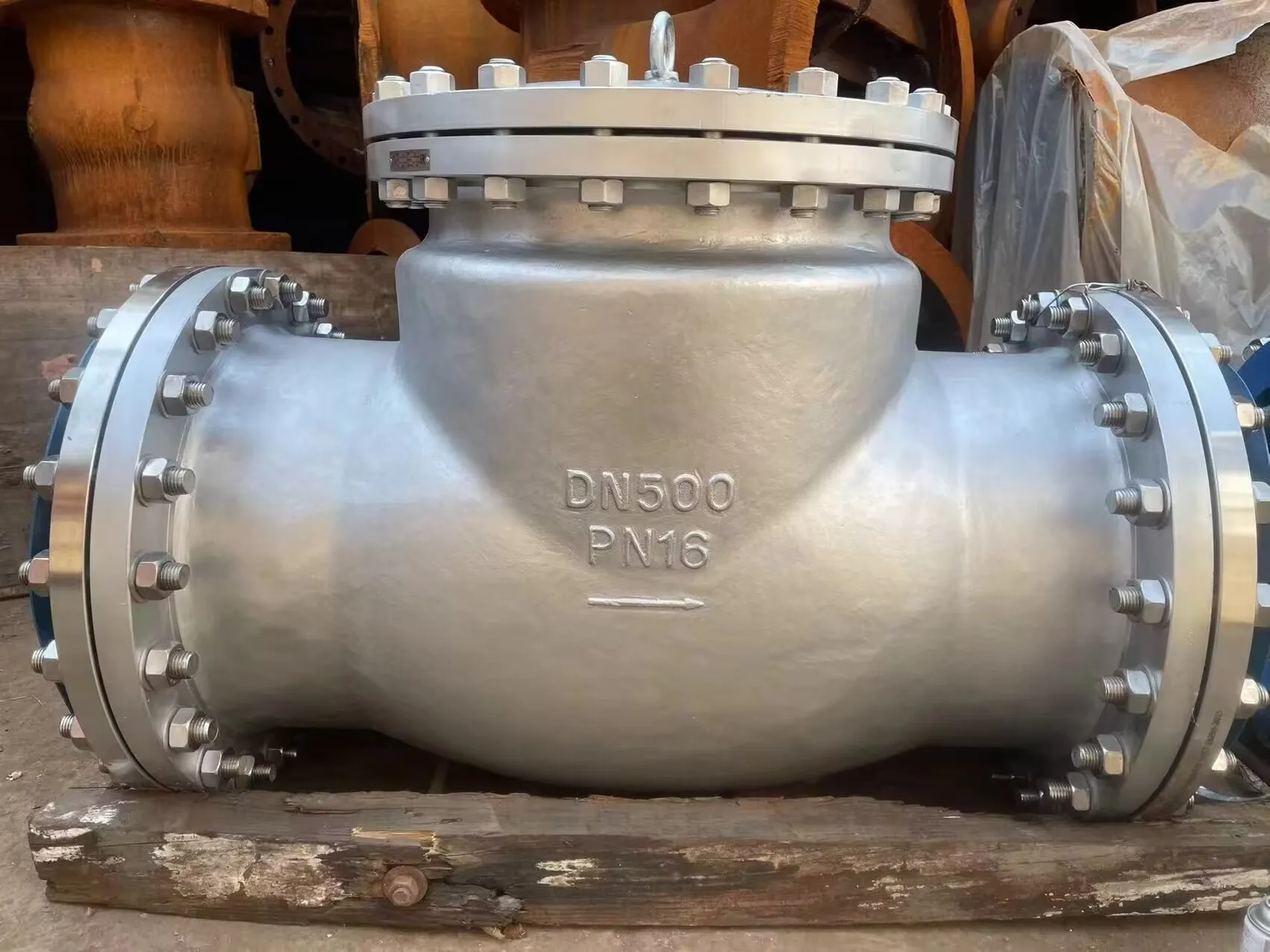
Introduction
The ball valve is a quarter-turn rotational motion valve used to control the flow of a fluid or gas. Positioned within the industrial flow control landscape, it functions as a critical component in pipelines across diverse sectors including oil and gas, chemical processing, water treatment, and power generation. Its primary advantage lies in its quick on/off operation, tight shut-off capabilities, and relatively low pressure drop when fully open. Ball valves offer superior sealing compared to gate valves and globe valves, particularly in applications requiring consistent leak tightness. Core performance characteristics are defined by pressure rating, temperature range, material compatibility, and actuation method (manual, pneumatic, or electric). A key industry pain point lies in selecting appropriate materials to withstand corrosive fluids and extreme temperatures, requiring careful consideration of the process environment and potential failure modes.
Material Science & Manufacturing
Ball valve construction predominantly utilizes carbon steel, stainless steel (304, 316, duplex), brass, and various polymers like PTFE, PEEK, and PVC. Carbon steel provides high strength and cost-effectiveness, suited for non-corrosive applications. Stainless steels offer superior corrosion resistance, crucial for handling aggressive chemicals and seawater. Brass valves are common in low-pressure water systems. The choice of ball material – typically chrome-plated carbon steel or stainless steel – dictates wear resistance and sealing performance. The valve body is often manufactured via casting, forging, or machining. Casting is suitable for complex geometries and large production volumes but may require subsequent machining for precise dimensions. Forging yields higher strength and grain structure refinement, ideal for high-pressure applications. Manufacturing tolerances are critical; the ball and seat interface must be precisely machined to ensure a bubble-tight seal. Key parameter control involves precise heat treatment of metal components to achieve desired hardness and ductility, as well as rigorous quality control inspections for surface finish and dimensional accuracy. Seat materials (PTFE, RPTFE, reinforced PTFE) are molded and precisely fitted into the valve body, their chemical compatibility being paramount to long-term performance. Welding processes, when used, must adhere to ASME Section IX standards to guarantee weld integrity.
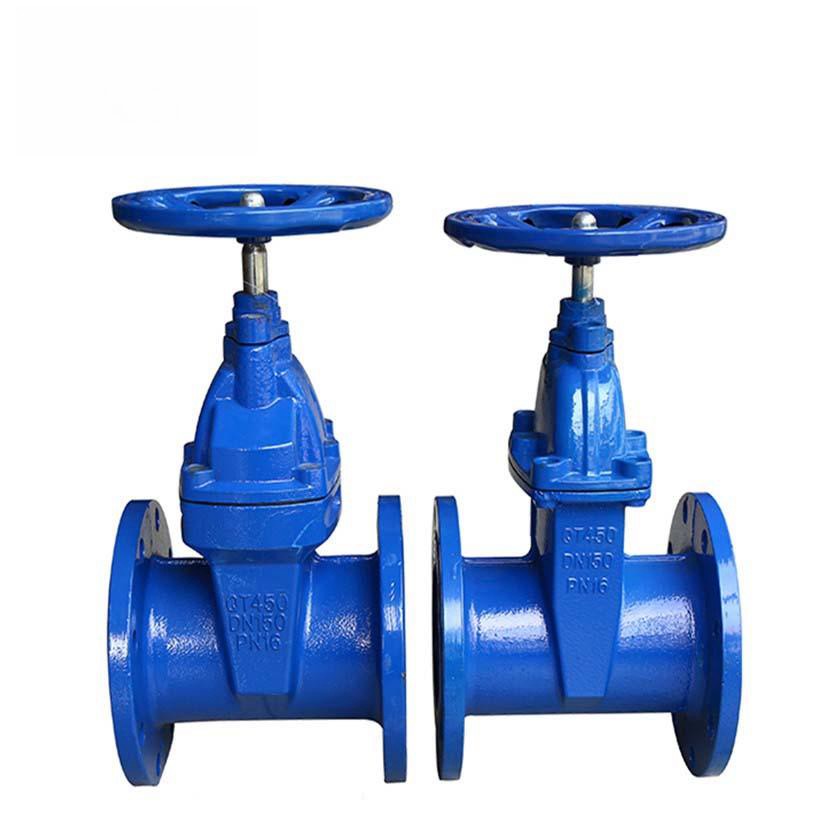
Performance & Engineering
Ball valve performance is fundamentally governed by fluid mechanics and stress analysis. Flow coefficient (Cv) quantifies the valve’s capacity to pass fluid at a given pressure drop. Torque requirements to actuate the valve are influenced by differential pressure, fluid viscosity, and seat material. Engineering considerations include cavitation resistance, particularly in high-velocity flow applications. Cavitation erodes valve components and reduces operational life. Proper valve sizing is crucial to avoid excessive pressure drop and potential flashing. Environmental resistance is assessed through temperature cycling tests and exposure to various chemicals. Compliance requirements are dictated by industry standards such as API 6D (for quarter-turn valves), ASME B16.34 (for valve pressure testing), and ISO 17292 (for design and testing). Functional implementation often involves integration with actuation systems, requiring compatibility of mounting interfaces, signal protocols (4-20mA, HART, Profibus), and fail-safe mechanisms (fail-open or fail-closed). The stem seal is a critical component, preventing leakage around the valve stem; engineering considerations include selecting appropriate packing materials and ensuring adequate stem surface finish.
Technical Specifications
| Parameter | Unit | Standard Specification | Typical Range |
|---|---|---|---|
| Maximum Operating Pressure | psi | ASME B16.34 | Up to 10,000 psi |
| Operating Temperature | °F | ASTM F316 | -60 to 450 °F (depending on materials) |
| Cv Value (Flow Coefficient) | gpm | ISA 75.01.01 | 0.1 to 1000+ |
| Leakage Rate | ppm | Fugitive Emission Standards (EPA Method 21) | Bubble-tight (typically < 0.1 ppm) |
| Body Material | - | ASTM A105, ASTM A182, ASTM A351 | Carbon Steel, 304 SS, 316 SS, Duplex SS |
| Seat Material | - | ASTM D323 | PTFE, RPTFE, PEEK, Nylon |
Failure Mode & Maintenance
Common ball valve failure modes include seat erosion, stem leakage, body cracking, and actuator malfunction. Seat erosion is often caused by abrasive particles in the fluid stream or high flow velocities. Stem leakage results from worn or damaged stem seals, leading to fugitive emissions. Body cracking can occur due to over-tightening, thermal cycling, or material defects. Actuator failure may stem from lubrication issues, corrosion, or electrical malfunctions. Failure analysis often involves visual inspection, non-destructive testing (NDT) such as ultrasonic testing and radiographic testing, and metallographic examination to identify root causes. Preventative maintenance involves regular lubrication of actuators, inspection of stem seals, and torque checks on flange bolts. Periodic seat testing can identify early signs of erosion. Replacing worn seats and packing proactively extends valve life and reduces the risk of unplanned shutdowns. For high-criticality applications, scheduled overhauls are recommended to replace critical components and ensure continued reliable operation. Proper storage conditions are also important; valves should be stored in a clean, dry environment to prevent corrosion.
Industry FAQ
Q: What material selection considerations are most critical when handling highly corrosive chemicals?
A: When dealing with highly corrosive chemicals, the primary consideration is material compatibility. Stainless steel alloys (specifically 316 and duplex stainless steels) and fluoropolymers (PTFE, PFA) are often preferred due to their excellent resistance to a wide range of chemicals. However, it’s crucial to consult a chemical compatibility chart to verify the specific alloy’s resistance to the chemical in question, considering concentration and temperature. Body seals also require careful consideration; perfluoroelastomers (FFKM) offer superior chemical resistance compared to standard elastomers.
Q: How does cavitation affect ball valve performance and longevity?
A: Cavitation causes localized implosions within the valve body due to vapor bubble collapse. This erosion damages the ball and seat, leading to leakage and reduced flow capacity. To mitigate cavitation, ensure proper valve sizing to avoid excessive pressure drop, consider trim designs that promote smooth flow, and evaluate the use of hardened ball and seat materials.
Q: What are the key differences between manual, pneumatic, and electric actuators in terms of application suitability?
A: Manual actuators are suitable for infrequent operation and low-torque requirements. Pneumatic actuators offer fast response times and are commonly used in hazardous environments. Electric actuators provide precise control, remote operation capabilities, and are well-suited for high-torque applications and automated systems. The selection depends on process control needs, safety requirements, and available power sources.
Q: What pressure testing is typically performed on ball valves to verify their integrity?
A: Ball valves undergo hydrostatic shell testing (ASME B16.34) to verify body integrity and seat leakage testing (API 598) to confirm leak tightness. Hydrostatic testing involves pressurizing the valve with water to a specified test pressure. Seat leakage testing involves pressurizing the valve to a designated pressure and measuring the leakage rate across the seat. Additional testing, such as pneumatic testing, may be performed depending on application requirements.
Q: What are the implications of exceeding the maximum operating temperature for a ball valve?
A: Exceeding the maximum operating temperature can compromise the mechanical properties of valve materials, leading to reduced strength, increased creep, and potential failure. Seat materials can degrade, resulting in leakage. The valve body may also distort, impacting sealing performance. It's crucial to operate the valve within its specified temperature range and select materials appropriate for the process temperature.
Conclusion
The ball valve remains a cornerstone of fluid control systems due to its robust design, quick operation, and tight shut-off capabilities. Effective material selection, precise manufacturing, and adherence to industry standards are paramount to ensuring long-term reliability and minimizing failure rates. Understanding the nuances of performance characteristics like flow coefficient, torque requirements, and cavitation resistance is critical for optimal valve sizing and application suitability.
As industrial processes become more demanding and environmental regulations become stricter, future advancements in ball valve technology will focus on developing more durable materials, reducing fugitive emissions, and integrating intelligent monitoring systems for predictive maintenance. Proper maintenance protocols, including regular inspection, lubrication, and component replacement, are crucial to maximizing valve lifespan and minimizing operational downtime.
-
Top Reasons to Choose a Stainless Steel Flange Check Valve for Industrial Applications
-
8 inch flange Performance Analysis
-
angle ring flanges Performance Analysis
-
Flat Flanges Performance Analysis
-
Full Face Flange Performance Analysis
-
Full Face Flanges Performance Analysis
-
flange 8 inch Performance Analysis
-
Ring Flange Performance Analysis
-
3 inch split flange Performance Analysis
-
Tongue and groove flange Performance Analysis
-
Grooved Flange Performance Analysis
-
o ring flange Performance Analysis
-
Ring Flanges Performance Analysis
-
Groove Flange Performance Analysis
-
Tongue and groove flanges Performance Analysis
 Afrikaans
 Albanian
 Amharic
 Arabic
 Armenian
 Azerbaijani
 Basque
 Belarusian
 Bengali
 Bosnian
 Bulgarian
 Catalan
 Cebuano
 Corsican
 Croatian
 Czech
Czech
 Danish
 Dutch
Dutch
 Esperanto
 Estonian
 Finnish
 French
 Frisian
 Galician
 Georgian
 German
 Greek
Greek
 Gujarati
 Haitian Creole
 Hausa
Hawaiian
Hausa
Hawaiian
 Hebrew
 Hindi
Hindi
 Miao
Miao
 Hungarian
 Icelandic
 Igbo
Igbo
 Indonesian
 Irish
Irish
 Italian
 Japanese
 Javanese
Kannada
Javanese
Kannada
 Kazakh
 Khmer
Khmer
 Rwandese
 Korean
 Kurdish
 Kyrgyz
 Lao
Lao
 Latin
Latin
 Latvian
 Lithuanian
 Luxembourgish
 Macedonian
 Malgashi
 Malay
Malay
 Malayalam
 Maltese
 Maori
Maori
 Marathi
 Mongolian
 Myanmar
 Nepali
 Norwegian
 Norwegian
 Occitan
 Pashto
 Persian
 Polish
 Portuguese
Punjabi
Portuguese
Punjabi
 Romanian
 Russian
 Samoan
 Scottish Gaelic
 Serbian
 Sesotho
 Shona
Shona
 Sindhi
 Sinhala
 Slovak
 Slovenian
 Somali
 Spanish
 Sundanese
 Swahili
 Swedish
Tagalog
Swedish
Tagalog
 Tajik
Tajik
 Tamil
Tamil
 Tatar
Tatar
 Telugu
 Thai
Thai
 Turkish
 Turkmen
 Ukrainian
 Urdu
Urdu
 Uighur
 Uzbek
Uzbek
 Vietnamese
 Welsh
Welsh
 Bantu
Bantu
 Yiddish
 Yoruba
 Zulu
Zulu
 English