




carbon steel gate valve Material Science Manufacturing
Introduction
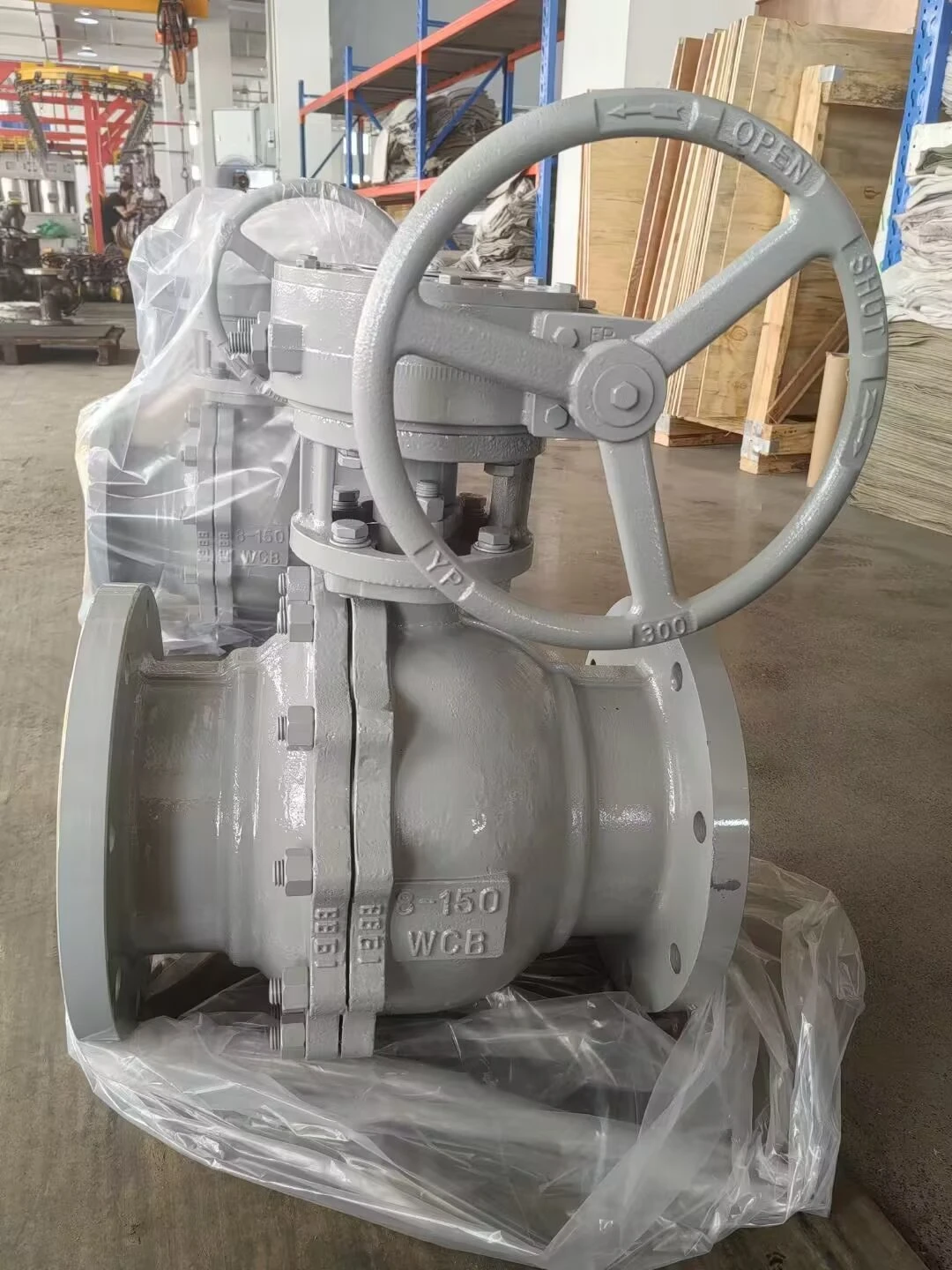
Carbon steel gate valves are linear motion valves used to start and stop flow in a pipeline. Positioned within the piping system, they regulate fluid passage by raising or lowering a gate, perpendicular to the flow path. Their primary function is isolation – providing a sealed, leak-tight closure. They are widely employed across numerous industries, including oil & gas, water treatment, power generation, and chemical processing, due to their reliable shut-off capability and relatively low pressure drop when fully open. However, they are not designed for throttling applications. The material of construction, specifically the carbon steel used in the body, bonnet, gate, and seat, dictates the valve’s pressure-temperature ratings and compatibility with various fluids. A key pain point in the industry involves selecting the correct carbon steel alloy grade to mitigate corrosion and ensure long-term operational integrity, particularly in challenging environments.
Material Science & Manufacturing
The dominant material in carbon steel gate valve construction is, unsurprisingly, carbon steel. Typically, ASTM A105, A182 F302/F304, or equivalent standards define the alloy composition. A105 is a common general-purpose carbon steel offering good strength and weldability. F302/F304 denotes variations of low alloy steels providing improved strength and corrosion resistance. The precise carbon content, along with the presence of manganese, silicon, and phosphorus, influences the steel's hardness, ductility, and weldability. Manufacturing begins with steel casting or forging to create the body and bonnet. Forging offers superior grain structure and strength, particularly crucial for high-pressure applications. The gate itself is commonly machined from bar stock of the selected carbon steel. Critical manufacturing processes include casting/forging, machining, welding (for body/bonnet joining), and heat treatment. Welding procedures must adhere to ASME Section IX to ensure joint integrity and prevent cracking. Heat treatment, such as annealing or normalizing, relieves internal stresses introduced during manufacturing, improving the steel's ductility and resistance to brittle fracture. Surface treatment, including sandblasting and coating (epoxy or polyurethane), protects against corrosion. Seat materials, often bronze, stainless steel, or resilient polymers like EPDM or PTFE, are selected based on fluid compatibility and sealing requirements. Parameter control during machining – particularly gate flatness and seat surface finish – is critical for achieving a leak-tight seal.
Performance & Engineering
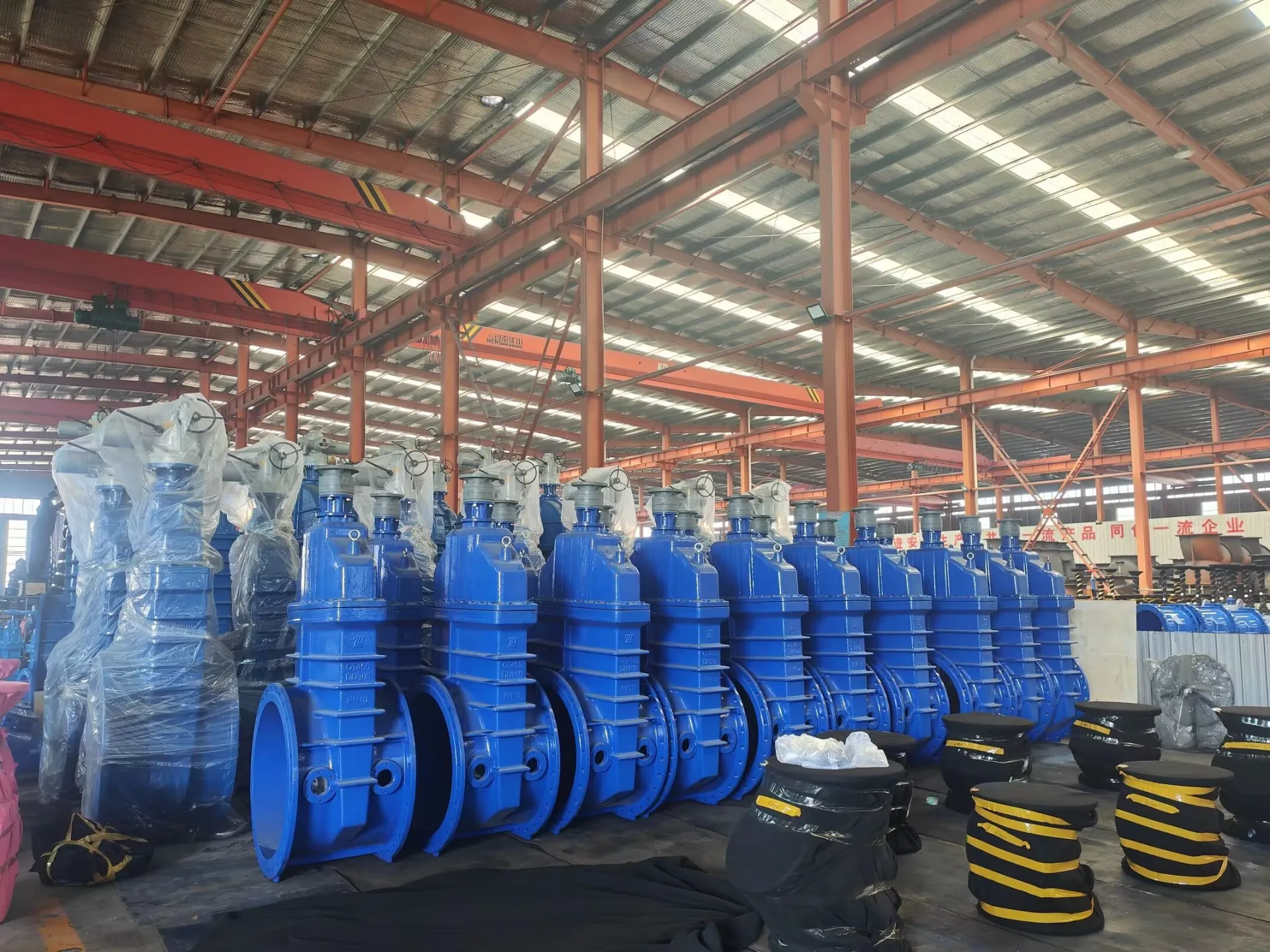
The performance of a carbon steel gate valve is defined by its pressure-temperature rating, flow coefficient (Cv), and leakage characteristics. Pressure-temperature ratings are dictated by ASME B16.34 and specify the maximum allowable working pressure (MAWP) at a given temperature. Force analysis during valve operation is essential to ensure structural integrity. The gate experiences significant force when closing against the fluid pressure. The bonnet must withstand this force and prevent leakage. Finite Element Analysis (FEA) is frequently employed to optimize bonnet design and minimize stress concentration. Environmental resistance is a major concern. Carbon steel is susceptible to corrosion, particularly in the presence of water, oxygen, and chlorides. Coating systems and material selection (e.g., using a higher alloy steel) mitigate corrosion. Compliance requirements include API 600 (Gate Valves) and relevant regional regulations. Functional implementation considers the actuation method – manual (handwheel), gear operated, pneumatic, or electric. Actuator selection influences the required torque and control capabilities. Fugitive emissions (leakage from the stem packing and bonnet flange) are increasingly regulated, necessitating the use of low-emission packing materials and flange gaskets.
Technical Specifications
| Parameter | Unit | ASTM A105 Carbon Steel | ASTM A182 F304 Carbon Steel |
|---|---|---|---|
| Maximum Operating Pressure | PSI | Up to 2500 | Up to 4500 |
| Temperature Range | °F | -20 to 450 | -20 to 800 |
| Tensile Strength | PSI | 70,000 – 85,000 | 75,000 – 95,000 |
| Yield Strength | PSI | 36,000 – 48,000 | 30,000 – 45,000 |
| Hardness (Brinell) | HB | 150-200 | 180-240 |
| Corrosion Rate (in seawater) | mm/year | 0.05-0.1 | 0.01-0.03 |
Failure Mode & Maintenance
Carbon steel gate valves are susceptible to several failure modes. Corrosion is a prevalent issue, leading to pitting, erosion, and ultimately, leakage. Galvanic corrosion can occur when dissimilar metals are in contact in an electrolyte environment. Fatigue cracking can develop in the gate or stem due to repeated opening and closing cycles, particularly under high loads. Erosion can occur with abrasive fluids or particulate matter present in the flow stream. Seat deformation or damage prevents a tight seal. Stem packing failure results in leakage around the stem. Failure analysis commonly involves visual inspection, non-destructive testing (NDT) such as radiography and ultrasonic testing, and metallurgical examination. Maintenance strategies include regular inspection for corrosion, leakage, and wear. Lubrication of the stem and gate is crucial for smooth operation. Repacking the stem gland prevents leakage. Periodic valve testing confirms its sealing capability. For severe corrosion, valve replacement is often necessary. Proper storage conditions – dry and protected from the elements – prolong valve life. Preventive maintenance schedules should be based on operating conditions and fluid properties.
Industry FAQ
Q: What is the impact of water hammer on a carbon steel gate valve, and what preventative measures should be taken?
A: Water hammer, or hydraulic shock, can exert significant pressure spikes on the valve body and gate, potentially causing damage to the seat, disc, or even leading to body failure. Preventative measures include installing surge suppressors or water hammer arrestors in the pipeline, controlling valve closure speed (slower closure reduces pressure surges), and ensuring proper pipeline anchoring and support to minimize movement during pressure transients.
Q: How does the gate material influence the valve's performance in high-temperature applications?
A: The gate material's creep resistance and thermal expansion characteristics are critical in high-temperature applications. Lower carbon steel grades may exhibit significant creep at elevated temperatures, leading to gate deformation and leakage. Alloying elements, such as chromium and molybdenum, improve creep resistance. Differential thermal expansion between the gate and seat can also cause sealing issues.
Q: What are the considerations when selecting a carbon steel gate valve for sour service (H2S containing fluids)?
A: Sour service requires specialized materials to resist sulfide stress cracking (SSC). ASTM A182 F304 or F316 stainless steel (with specific NACE MR0175/ISO 15156 compliance) is typically used. Carbon steel is generally unsuitable for direct contact with sour fluids. Furthermore, proper sealant selection and inspection for SSC are essential.
Q: What is the effect of different gate valve designs (e.g., wedge gate valve, parallel seat gate valve) on flow characteristics and sealing performance?
A: Wedge gate valves provide a tighter shut-off due to the wedge-shaped gate pressing against the seats. However, they exhibit higher pressure drop and require greater operating torque. Parallel seat gate valves offer lower pressure drop and easier operation but may have slightly lower sealing performance. The choice depends on the application's priorities – tight shut-off versus low pressure loss.
Q: How do coating systems contribute to the longevity of a carbon steel gate valve in corrosive environments?
A: Coating systems, such as epoxy or polyurethane, provide a barrier between the carbon steel and the corrosive environment. They prevent or slow down the corrosion process. Proper surface preparation (sandblasting) is critical for coating adhesion. Coating thickness and integrity must be regularly inspected to ensure continued protection.
Conclusion
Carbon steel gate valves remain a staple in fluid handling systems due to their simplicity, reliability, and cost-effectiveness. However, their suitability depends heavily on careful material selection, meticulous manufacturing practices, and diligent maintenance. Understanding the potential failure modes – corrosion, fatigue, erosion – is crucial for ensuring long-term operational integrity. Proper adherence to industry standards (ASME, API) and regulatory requirements is paramount.
Future trends focus on improved coating technologies, advanced materials (e.g., duplex stainless steels), and smart valve designs incorporating sensors for condition monitoring. These advancements will enhance valve performance, reduce downtime, and optimize overall system efficiency. Investing in comprehensive preventative maintenance programs and employing qualified personnel for inspection and repair remain essential for maximizing the service life of carbon steel gate valves.
-
Top Reasons to Choose a Stainless Steel Flange Check Valve for Industrial Applications
-
8 inch flange Performance Analysis
-
angle ring flanges Performance Analysis
-
Flat Flanges Performance Analysis
-
Full Face Flange Performance Analysis
-
Full Face Flanges Performance Analysis
-
flange 8 inch Performance Analysis
-
Ring Flange Performance Analysis
-
3 inch split flange Performance Analysis
-
Tongue and groove flange Performance Analysis
-
Grooved Flange Performance Analysis
-
o ring flange Performance Analysis
-
Ring Flanges Performance Analysis
-
Groove Flange Performance Analysis
-
Tongue and groove flanges Performance Analysis
 Afrikaans
 Albanian
 Amharic
 Arabic
 Armenian
 Azerbaijani
 Basque
 Belarusian
 Bengali
 Bosnian
 Bulgarian
 Catalan
 Cebuano
 Corsican
 Croatian
 Czech
Czech
 Danish
 Dutch
Dutch
 Esperanto
 Estonian
 Finnish
 French
 Frisian
 Galician
 Georgian
 German
 Greek
Greek
 Gujarati
 Haitian Creole
 Hausa
Hawaiian
Hausa
Hawaiian
 Hebrew
 Hindi
Hindi
 Miao
Miao
 Hungarian
 Icelandic
 Igbo
Igbo
 Indonesian
 Irish
Irish
 Italian
 Japanese
 Javanese
Kannada
Javanese
Kannada
 Kazakh
 Khmer
Khmer
 Rwandese
 Korean
 Kurdish
 Kyrgyz
 Lao
Lao
 Latin
Latin
 Latvian
 Lithuanian
 Luxembourgish
 Macedonian
 Malgashi
 Malay
Malay
 Malayalam
 Maltese
 Maori
Maori
 Marathi
 Mongolian
 Myanmar
 Nepali
 Norwegian
 Norwegian
 Occitan
 Pashto
 Persian
 Polish
 Portuguese
Punjabi
Portuguese
Punjabi
 Romanian
 Russian
 Samoan
 Scottish Gaelic
 Serbian
 Sesotho
 Shona
Shona
 Sindhi
 Sinhala
 Slovak
 Slovenian
 Somali
 Spanish
 Sundanese
 Swahili
 Swedish
Tagalog
Swedish
Tagalog
 Tajik
Tajik
 Tamil
Tamil
 Tatar
Tatar
 Telugu
 Thai
Thai
 Turkish
 Turkmen
 Ukrainian
 Urdu
Urdu
 Uighur
 Uzbek
Uzbek
 Vietnamese
 Welsh
Welsh
 Bantu
Bantu
 Yiddish
 Yoruba
 Zulu
Zulu
 English