




cast iron globe valve Performance Analysis
Introduction
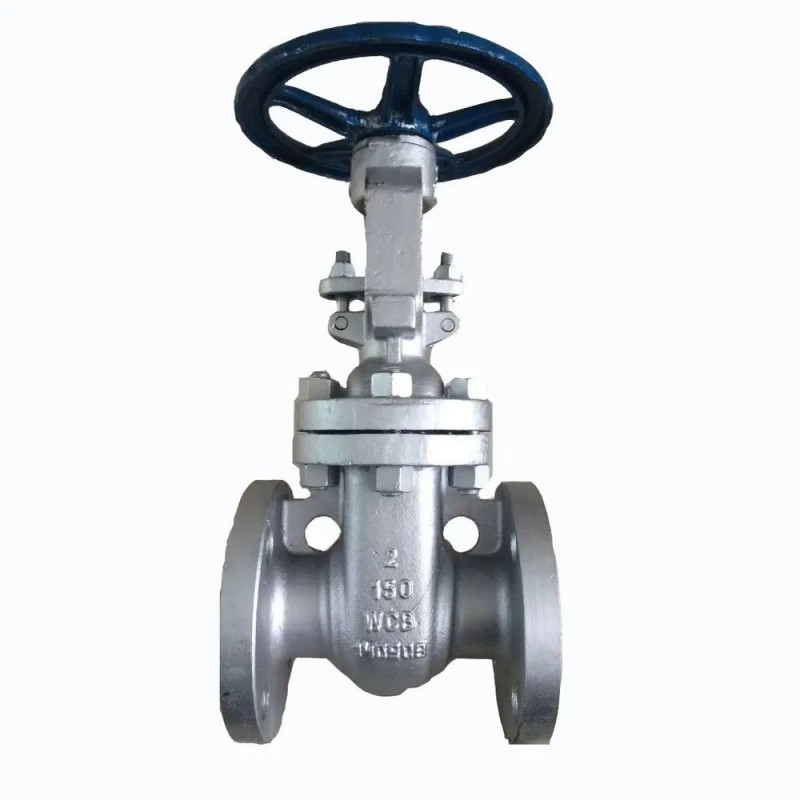
The cast iron globe valve is a unidirectional flow control device integral to numerous industrial processes. Positioned within the broader valve technology landscape, it serves as a critical component in fluid systems requiring frequent throttling and precise flow regulation. Unlike gate valves optimized for on/off service, globe valves excel in applications demanding variable flow control and leak-tight shutoff. Their construction, typically featuring a disc and seat, allows for significant pressure drop, making them suitable for services where controlled resistance is desired. Core performance characteristics revolve around flow coefficient (Cv), pressure drop across the valve, and sealing capability. A key industry pain point is balancing cost-effectiveness with long-term corrosion resistance, particularly in harsh chemical environments. Furthermore, achieving consistent sealing performance over extended periods, especially in high-temperature applications, presents a significant engineering challenge. This guide provides an in-depth examination of cast iron globe valves, encompassing material science, manufacturing processes, performance parameters, potential failure modes, and relevant industry standards.
Material Science & Manufacturing
Cast iron globe valves primarily utilize gray cast iron (ASTM A126 Class B) due to its machinability, damping characteristics, and cost-effectiveness. The iron’s composition typically comprises 96-98% iron, 2-4% carbon (existing as graphite flakes), 0.5-1.5% silicon, 0.5-1.5% manganese, and trace amounts of sulfur and phosphorus. The graphite flakes contribute to the material's machinability but reduce tensile strength. Ductile iron (ASTM A536 65-45-12) offers superior tensile strength and ductility, and is increasingly used for larger valves or higher-pressure applications. Valve bodies are manufactured through sand casting, a process where molten iron is poured into a mold created using sand. Critical parameters include mold temperature, pouring rate, and cooling rate – all influencing the microstructure and mechanical properties of the casting. The valve disc is often made from bronze (ASTM B584 Alloy C83600) for enhanced corrosion resistance and sealing properties. Disc manufacturing involves forging or investment casting followed by precision machining. Seating surfaces are lapped to achieve a smooth, leak-tight interface. The stem is generally manufactured from stainless steel (304 or 316) to prevent corrosion. Manufacturing tolerances are tightly controlled to ensure proper valve operation. Chemical compatibility between the cast iron body, bronze disc, and stainless steel stem with the conveyed fluid is crucial to prevent galvanic corrosion and premature failure. Post-casting processes include surface treatment (epoxy coating) to enhance corrosion resistance, particularly for valves intended for outdoor or corrosive environments.
Performance & Engineering
Cast iron globe valve performance hinges on hydrodynamic principles and stress analysis. Flow through the valve is characterized by significant minor losses due to the constricted flow path. Bernoulli’s principle dictates a decrease in pressure as fluid velocity increases through the valve opening, resulting in a substantial pressure drop. This pressure drop is directly related to flow rate and valve opening percentage. Engineering calculations involve determining the appropriate valve size (Cv value) to achieve desired flow rates at specific pressure differentials. Force analysis considers the hydrostatic forces acting on the disc and stem, as well as the forces generated by fluid pressure. The stem must be adequately sized to withstand these forces without bending or buckling. The valve’s sealing capability is paramount. Leakage is assessed using leak rate tests conforming to industry standards (FCI 70-2). Environmental resistance is critical; prolonged exposure to moisture, chemicals, or temperature extremes can compromise valve integrity. Finite Element Analysis (FEA) is commonly employed to optimize valve body design, ensuring structural integrity under maximum operating pressures and temperatures. Compliance requirements dictate adherence to specific standards, such as pressure equipment directive (PED) for European markets, or ASME Boiler and Pressure Vessel Code Section VIII Division 1 for North American applications. Proper valve selection must account for fluid properties (viscosity, density, corrosivity) and operating conditions (temperature, pressure, flow rate).
Technical Specifications
| Parameter | Unit | Typical Value (Class 125) | Typical Value (Class 250) |
|---|---|---|---|
| Maximum Allowable Pressure | psi | 200 | 400 |
| Operating Temperature Range | °F | -20 to 350 | -20 to 450 |
| Connection Type | - | Screwed (NPT) | Flanged (ANSI B16.1) |
| Valve Size (DN) | mm | 15-300 | 50-600 |
| Cv Value (approx.) | - | 0.5-20 | 1-40 |
| Material (Body) | - | Gray Cast Iron (A126 B) | Ductile Iron (A536 65-45-12) |
Failure Mode & Maintenance
Cast iron globe valves are susceptible to several failure modes. Corrosion is a primary concern, particularly internal corrosion due to contact with corrosive fluids. This can lead to erosion of the valve body and disc, resulting in leakage. Cavitation, caused by rapid pressure fluctuations, can also erode the disc and seat, especially in throttling applications. Fatigue cracking can occur in the valve stem or body due to repeated stress cycles, exacerbated by temperature fluctuations. Gasket failure can result in external leakage around the bonnet. Seating surface damage, resulting from particulate matter in the fluid stream, leads to reduced sealing performance. Regular inspection is crucial. Visual checks for external corrosion, leakage, and stem play are recommended. Periodic testing of valve operation and leak tightness should be conducted. Maintenance procedures include replacing worn gaskets, lapping seating surfaces, and lubricating the stem. For severe corrosion, valve body replacement may be necessary. Preventive maintenance programs, incorporating regular inspection and lubrication, significantly extend valve lifespan. A detailed failure analysis should be performed on any valve that fails prematurely to identify the root cause and prevent future occurrences. Proper storage conditions, preventing moisture exposure, are also crucial for maintaining valve integrity during periods of inactivity.
Industry FAQ
Q: What are the key differences between a globe valve and a gate valve in terms of application suitability?
A: Gate valves are primarily designed for on/off service with minimal pressure drop when fully open. They are not suitable for throttling applications. Globe valves, conversely, excel in throttling and regulating flow, but inherently introduce a significant pressure drop. Choose a gate valve when flow needs to be fully open or fully closed, and a globe valve when precise flow control is required.
Q: How does the material selection impact the longevity of a cast iron globe valve in a seawater application?
A: Standard gray cast iron is highly susceptible to corrosion in seawater. Using a ductile iron body with an epoxy coating, coupled with a bronze disc and a stainless-steel stem, is crucial. Additionally, sacrificial anodes may be necessary to mitigate galvanic corrosion.
Q: What is the significance of the 'Cv' value when selecting a globe valve for a specific process?
A: The Cv value represents the valve's flow coefficient, indicating its capacity to pass a specific volume of fluid at a specific pressure drop. Correctly matching the Cv value to the process requirements ensures optimal flow control and prevents issues like cavitation or excessive pressure drop.
Q: What steps can be taken to prevent cavitation damage in a throttling globe valve?
A: Cavitation is minimized by maintaining sufficient upstream pressure, avoiding excessive throttling, and ensuring the valve is properly sized for the application. Selecting a valve trim design specifically optimized for cavitation resistance can also be beneficial.
Q: What are the typical maintenance intervals for a cast iron globe valve operating in a non-corrosive water system?
A: A typical maintenance schedule includes visual inspections every 6 months, lubrication of the stem every year, and leak testing every 2 years. These intervals may vary depending on operating conditions and valve usage.
Conclusion
The cast iron globe valve remains a cornerstone of fluid control systems across diverse industries, primarily due to its robust design and reliable throttling capabilities. Understanding the nuances of material science, manufacturing processes, and performance characteristics is paramount to ensuring optimal valve selection and long-term operational integrity. While gray cast iron offers cost-effectiveness, the selection of ductile iron and appropriate corrosion protection measures are critical for demanding applications.
Future trends point towards the increased adoption of smart valve technology, integrating sensors and actuators for remote monitoring and control. Predictive maintenance strategies, leveraging data analytics to anticipate potential failures, will become increasingly prevalent. Ultimately, a holistic approach encompassing proper valve selection, diligent maintenance, and advanced monitoring techniques will maximize the lifespan and performance of cast iron globe valves in demanding industrial environments.
-
Top Reasons to Choose a Stainless Steel Flange Check Valve for Industrial Applications
-
8 inch flange Performance Analysis
-
angle ring flanges Performance Analysis
-
Flat Flanges Performance Analysis
-
Full Face Flange Performance Analysis
-
Full Face Flanges Performance Analysis
-
flange 8 inch Performance Analysis
-
Ring Flange Performance Analysis
-
3 inch split flange Performance Analysis
-
Tongue and groove flange Performance Analysis
-
Grooved Flange Performance Analysis
-
o ring flange Performance Analysis
-
Ring Flanges Performance Analysis
-
Groove Flange Performance Analysis
-
Tongue and groove flanges Performance Analysis
 Afrikaans
 Albanian
 Amharic
 Arabic
 Armenian
 Azerbaijani
 Basque
 Belarusian
 Bengali
 Bosnian
 Bulgarian
 Catalan
 Cebuano
 Corsican
 Croatian
 Czech
Czech
 Danish
 Dutch
Dutch
 Esperanto
 Estonian
 Finnish
 French
 Frisian
 Galician
 Georgian
 German
 Greek
Greek
 Gujarati
 Haitian Creole
 Hausa
Hawaiian
Hausa
Hawaiian
 Hebrew
 Hindi
Hindi
 Miao
Miao
 Hungarian
 Icelandic
 Igbo
Igbo
 Indonesian
 Irish
Irish
 Italian
 Japanese
 Javanese
Kannada
Javanese
Kannada
 Kazakh
 Khmer
Khmer
 Rwandese
 Korean
 Kurdish
 Kyrgyz
 Lao
Lao
 Latin
Latin
 Latvian
 Lithuanian
 Luxembourgish
 Macedonian
 Malgashi
 Malay
Malay
 Malayalam
 Maltese
 Maori
Maori
 Marathi
 Mongolian
 Myanmar
 Nepali
 Norwegian
 Norwegian
 Occitan
 Pashto
 Persian
 Polish
 Portuguese
Punjabi
Portuguese
Punjabi
 Romanian
 Russian
 Samoan
 Scottish Gaelic
 Serbian
 Sesotho
 Shona
Shona
 Sindhi
 Sinhala
 Slovak
 Slovenian
 Somali
 Spanish
 Sundanese
 Swahili
 Swedish
Tagalog
Swedish
Tagalog
 Tajik
Tajik
 Tamil
Tamil
 Tatar
Tatar
 Telugu
 Thai
Thai
 Turkish
 Turkmen
 Ukrainian
 Urdu
Urdu
 Uighur
 Uzbek
Uzbek
 Vietnamese
 Welsh
Welsh
 Bantu
Bantu
 Yiddish
 Yoruba
 Zulu
Zulu
 English