




cast steel globe valve Performance Characteristics
Introduction
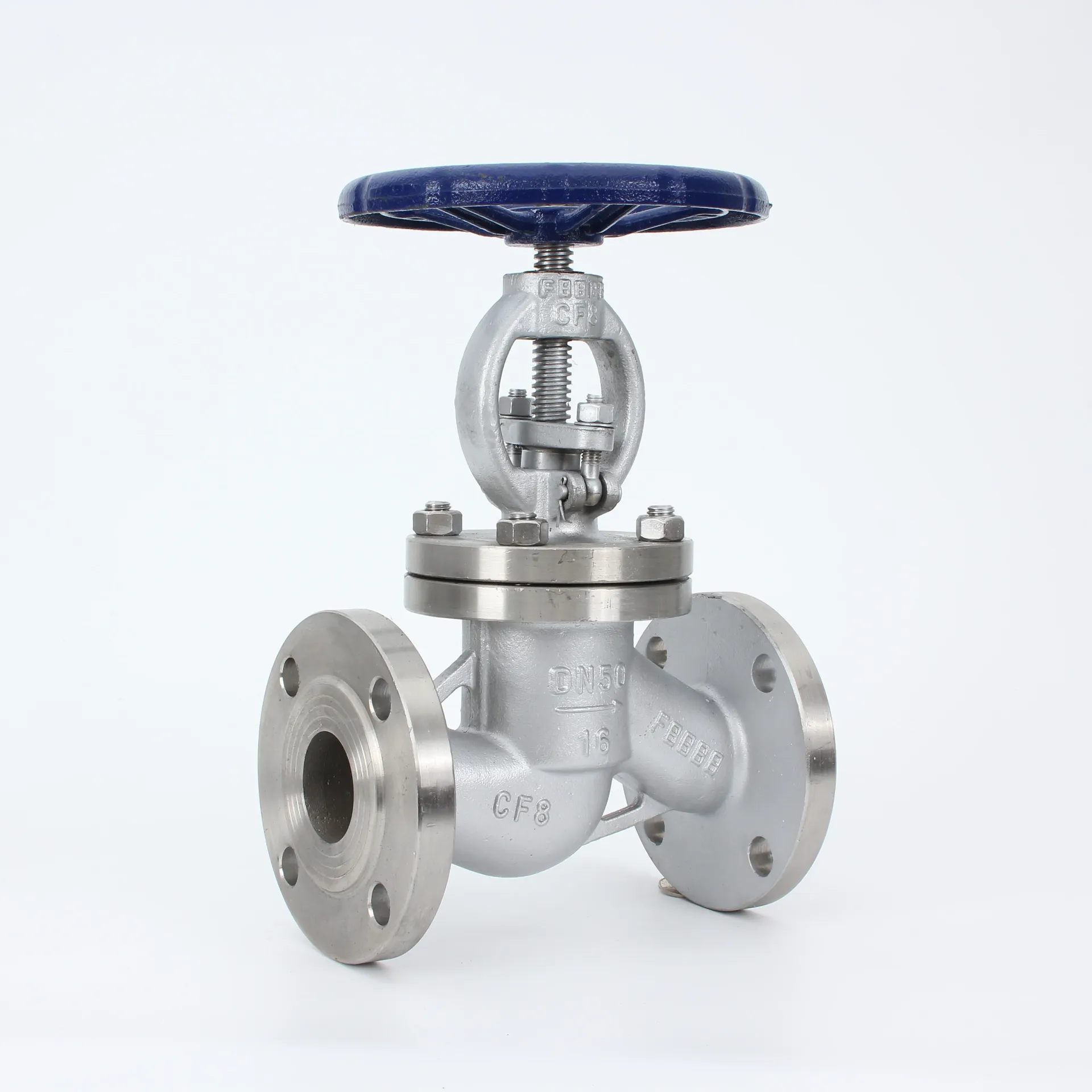
Cast steel globe valves are a critical component in numerous industrial fluid handling systems, primarily employed for throttling and regulating flow. Positioned within the broader valve technology landscape – encompassing gate, ball, butterfly, and check valves – globe valves distinguish themselves through their robust construction and efficient control capabilities, especially suited for applications requiring frequent operation. Cast steel, as the material of construction, provides a balance of cost-effectiveness, mechanical strength, and corrosion resistance. This guide provides a comprehensive overview of cast steel globe valve technology, encompassing material science, manufacturing processes, performance characteristics, potential failure modes, and relevant industry standards. Core performance characteristics include tight shut-off capabilities, regulated flow control, and suitability for high-pressure and high-temperature services. A key industry pain point is material selection to resist specific fluid corrosivity and erosion, coupled with the need for reliable sealing at elevated temperatures. The appropriate specification of trim materials and body designs is therefore paramount.
Material Science & Manufacturing
The primary material for cast steel globe valve bodies is typically ASTM A105 carbon steel, offering excellent weldability and machinability. However, alloy steels like ASTM A182 F304/F316 (stainless steel) or A351 Grades CF8/CF8M are utilized for corrosive environments. The casting process itself involves creating a mold – traditionally sand casting, though investment casting and shell molding are employed for more complex geometries and tighter tolerances. Chemical composition is rigorously controlled to meet specified standards; critical elements include carbon, manganese, silicon, sulfur, and phosphorus. Manufacturing tolerances are dictated by API 600, ensuring interchangeability and proper sealing. Valve trim – the internal components directly controlling flow – commonly utilizes materials like 316 stainless steel, Hastelloy, or even specialized polymers like PTFE for superior corrosion resistance. Welding procedures for joining components must adhere to ASME Section IX, including pre- and post-weld heat treatment to relieve stresses and optimize metallurgical properties. Surface treatments, such as epoxy coatings, are applied to exterior surfaces for enhanced corrosion protection. Key parameter control during manufacturing includes mold temperature, pouring temperature, cooling rate, and heat treatment cycles, all impacting the microstructure and mechanical properties of the cast steel. Non-destructive testing (NDT) methods, including liquid penetrant inspection (LPI), magnetic particle inspection (MPI), and radiographic testing (RT), are essential to detect defects like porosity, inclusions, and cracks.
Performance & Engineering
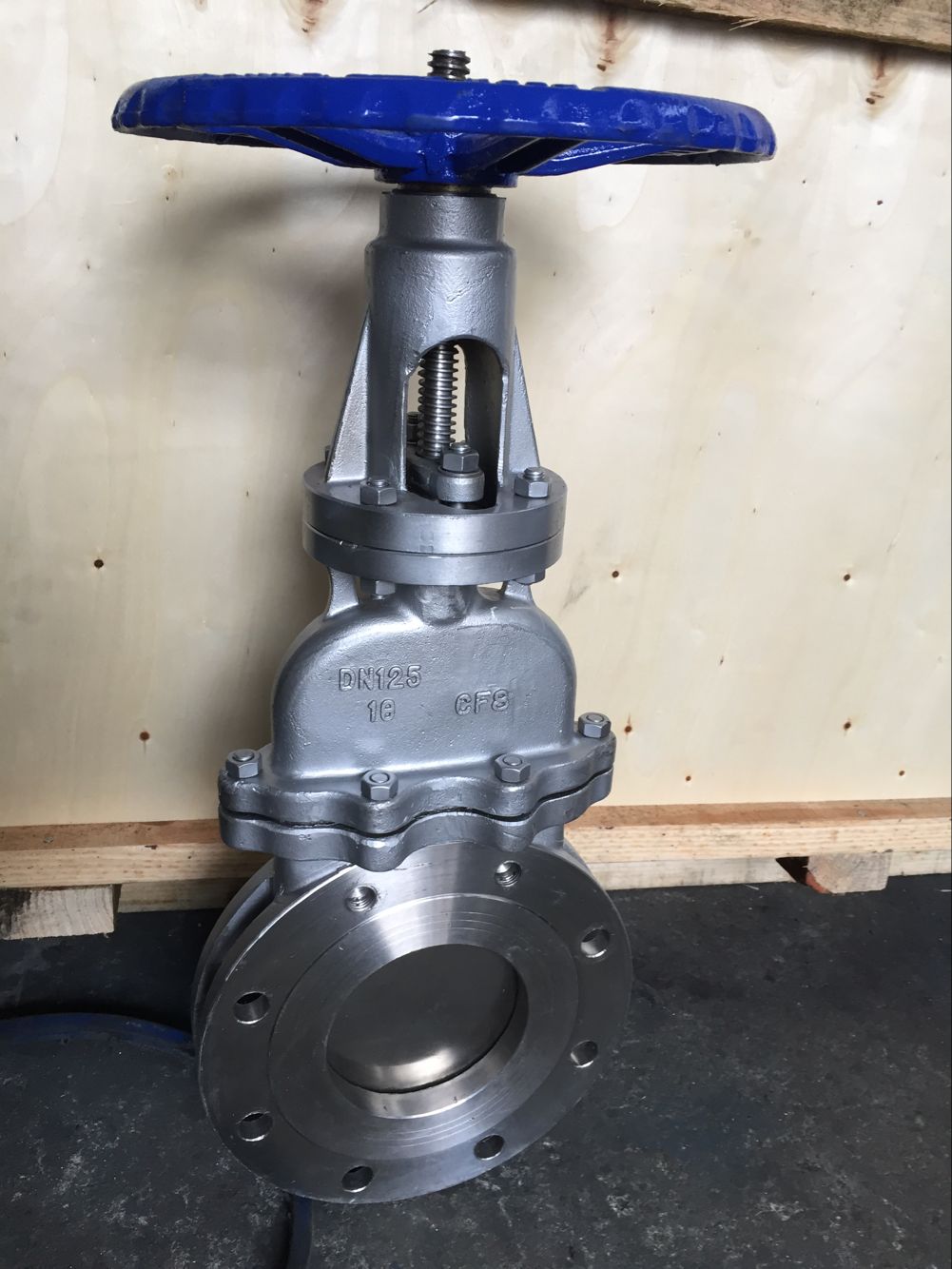
Globe valve performance is fundamentally governed by fluid dynamics and pressure drop. The streamlined flow path, although creating a significant pressure loss compared to other valve types, allows for precise throttling. Force analysis focuses on the stem-to-disc loading, considering fluid forces and pressure differentials. The stem is designed to withstand bending moments and shear stresses. Seat sealing is crucial, with various seat designs (e.g., metal-to-metal, soft-seated) impacting leakage rates – typically quantified by standards like ANSI/FCI 70-2. Environmental resistance is determined by material selection; for example, choosing a specific alloy steel grade to withstand sour gas service (H2S) or seawater exposure. Compliance requirements often include PED (Pressure Equipment Directive) in Europe, ASME Boiler and Pressure Vessel Code Section VIII Division 1 in the USA, and API 600. Functional implementation involves selecting the appropriate actuator (manual, pneumatic, electric, hydraulic) based on operating torque requirements and control system integration. Considerations also include cavitation – the formation of vapor bubbles due to pressure drop – which can cause significant erosion damage to the valve trim. Proper sizing and selection of the valve are critical to avoid cavitation. Fatigue analysis is performed to ensure the valve can withstand cyclic operation under varying pressure and temperature conditions, particularly in applications like thermal cycling. Furthermore, the valve's design must account for thermal expansion and contraction of the materials to prevent binding or leakage.
Technical Specifications
| Parameter | Unit | ASTM A105 Carbon Steel | ASTM A351 CF8M Stainless Steel |
|---|---|---|---|
| Maximum Operating Pressure | psi | 900 | 650 |
| Temperature Range | °F | -20 to 450 | -297 to 850 |
| Body Material | - | Carbon Steel | Duplex Stainless Steel |
| Trim Material (Typical) | - | Carbon Steel/Brass | 316 Stainless Steel |
| Connection End | - | Welded/Screwed/Flanged | Welded/Screwed/Flanged |
| Leakage Rate (Seat Class) | ml/min | 9 (Class VI) | 0.1 (Class VI) |
Failure Mode & Maintenance
Common failure modes in cast steel globe valves include seat erosion due to high-velocity flow, disc damage from cavitation or erosion, stem packing failure leading to leakage, and body cracking caused by thermal stress or corrosion. Fatigue cracking can occur in the stem or disc due to repeated cycling. Corrosion, particularly galvanic corrosion in dissimilar metal combinations, is a significant concern. Failure analysis often involves metallographic examination to identify the root cause of cracking or corrosion. Delamination of coatings can accelerate corrosion. Oxidation at high temperatures can degrade the material properties. Preventative maintenance includes regular inspection of packing, tightening of bolts, lubrication of stem threads, and periodic non-destructive testing. Seat replacement is often necessary due to erosion or damage. Valve actuation mechanisms require periodic calibration and maintenance. For critical applications, scheduled replacement of internal components is recommended based on operating hours and fluid conditions. Proper storage is essential to prevent corrosion during periods of inactivity. Detailed maintenance logs should be kept to track repair history and identify recurring issues.
Industry FAQ
Q: What are the key considerations when selecting a trim material for a globe valve handling a corrosive fluid?
A: The primary consideration is the fluid's chemical composition and concentration. Compatibility charts should be consulted to identify materials resistant to corrosion. Alloys like Hastelloy, Monel, and specific grades of stainless steel (e.g., 316, Alloy 20) are frequently used. Electrochemical potential differences between the trim and body materials should be minimized to prevent galvanic corrosion. Furthermore, consider the fluid's temperature, pressure, and flow velocity, as these can influence the corrosion rate.
Q: How does the valve’s body material affect its suitability for high-temperature applications?
A: High temperatures can significantly reduce the tensile strength and creep resistance of materials. Carbon steel loses strength rapidly above 400°C. Alloy steels, such as stainless steels and heat-resistant alloys, maintain their mechanical properties at higher temperatures. The coefficient of thermal expansion is also a crucial factor, as differential expansion can induce stress. Material selection must consider the maximum operating temperature and thermal cycling conditions.
Q: What are the advantages and disadvantages of using a soft-seated globe valve compared to a metal-to-metal seated valve?
A: Soft-seated globe valves offer tighter shut-off and lower leakage rates, making them suitable for applications requiring zero leakage. However, the soft seat material (typically PTFE or reinforced PTFE) has a limited temperature range and can be susceptible to erosion or chemical attack. Metal-to-metal seated valves can withstand higher temperatures and pressures, but typically have higher leakage rates.
Q: What role does the valve's actuator play in overall system performance and reliability?
A: The actuator provides the force to open and close the valve. Proper actuator sizing is critical to ensure reliable operation under all operating conditions. Pneumatic actuators are commonly used for fast operation and remote control. Electric actuators offer precise positioning and are suitable for applications requiring modulating control. Hydraulic actuators provide high torque but require a hydraulic power supply.
Q: How do you mitigate the risk of cavitation damage in a globe valve?
A: Mitigating cavitation requires careful valve sizing to avoid excessive pressure drop. Selecting a valve with a streamlined flow path can also reduce cavitation potential. Anti-cavitation trim designs, which incorporate multiple small orifices, can dissipate energy and prevent bubble formation. Maintaining a sufficient upstream pressure is also crucial. Regular inspection for cavitation damage is essential.
Conclusion
Cast steel globe valves remain a cornerstone of fluid control systems across diverse industries, offering reliable throttling and shut-off capabilities. The selection process, however, demands a comprehensive understanding of material science, manufacturing processes, and application-specific requirements. Correct material selection, aligned with fluid compatibility and operating conditions, is paramount to ensuring long-term performance and minimizing failure rates. The adherence to industry standards and rigorous quality control during manufacturing are essential for maintaining valve integrity and safety.
Future trends point towards the increased use of advanced materials – such as duplex stainless steels and high-alloy alloys – to enhance corrosion resistance and extend valve lifespan. Furthermore, the integration of smart valve technology – including sensors and remote monitoring capabilities – will enable predictive maintenance and optimize system efficiency. Ongoing research and development will continue to refine globe valve designs, improving performance, reducing pressure drop, and minimizing the risk of cavitation.
-
Top Reasons to Choose a Stainless Steel Flange Check Valve for Industrial Applications
-
8 inch flange Performance Analysis
-
angle ring flanges Performance Analysis
-
Flat Flanges Performance Analysis
-
Full Face Flange Performance Analysis
-
Full Face Flanges Performance Analysis
-
flange 8 inch Performance Analysis
-
Ring Flange Performance Analysis
-
3 inch split flange Performance Analysis
-
Tongue and groove flange Performance Analysis
-
Grooved Flange Performance Analysis
-
o ring flange Performance Analysis
-
Ring Flanges Performance Analysis
-
Groove Flange Performance Analysis
-
Tongue and groove flanges Performance Analysis
 Afrikaans
 Albanian
 Amharic
 Arabic
 Armenian
 Azerbaijani
 Basque
 Belarusian
 Bengali
 Bosnian
 Bulgarian
 Catalan
 Cebuano
 Corsican
 Croatian
 Czech
Czech
 Danish
 Dutch
Dutch
 Esperanto
 Estonian
 Finnish
 French
 Frisian
 Galician
 Georgian
 German
 Greek
Greek
 Gujarati
 Haitian Creole
 Hausa
Hawaiian
Hausa
Hawaiian
 Hebrew
 Hindi
Hindi
 Miao
Miao
 Hungarian
 Icelandic
 Igbo
Igbo
 Indonesian
 Irish
Irish
 Italian
 Japanese
 Javanese
Kannada
Javanese
Kannada
 Kazakh
 Khmer
Khmer
 Rwandese
 Korean
 Kurdish
 Kyrgyz
 Lao
Lao
 Latin
Latin
 Latvian
 Lithuanian
 Luxembourgish
 Macedonian
 Malgashi
 Malay
Malay
 Malayalam
 Maltese
 Maori
Maori
 Marathi
 Mongolian
 Myanmar
 Nepali
 Norwegian
 Norwegian
 Occitan
 Pashto
 Persian
 Polish
 Portuguese
Punjabi
Portuguese
Punjabi
 Romanian
 Russian
 Samoan
 Scottish Gaelic
 Serbian
 Sesotho
 Shona
Shona
 Sindhi
 Sinhala
 Slovak
 Slovenian
 Somali
 Spanish
 Sundanese
 Swahili
 Swedish
Tagalog
Swedish
Tagalog
 Tajik
Tajik
 Tamil
Tamil
 Tatar
Tatar
 Telugu
 Thai
Thai
 Turkish
 Turkmen
 Ukrainian
 Urdu
Urdu
 Uighur
 Uzbek
Uzbek
 Vietnamese
 Welsh
Welsh
 Bantu
Bantu
 Yiddish
 Yoruba
 Zulu
Zulu
 English