




din butterfly valve Performance Analysis
Introduction
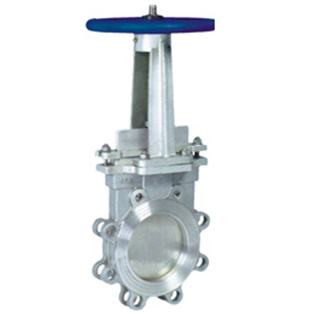
The DIN butterfly valve is a flow control device utilized extensively across a multitude of industrial sectors, including chemical processing, water treatment, power generation, and HVAC systems. Characterized by its quarter-turn operation and streamlined design, it serves as a cost-effective alternative to other valve types like gate, globe, and ball valves, particularly in large-diameter applications. Its position within the industry chain is as a critical component of pipeline systems, responsible for regulating or isolating fluid flow. Core performance characteristics are defined by its flow coefficient (Cv), pressure drop, sealing capabilities (achieved via resilient or metallic seating), and operational torque requirements. DIN standards (specifically, DIN EN 161) govern the dimensional specifications and testing procedures ensuring interchangeability and consistent performance. Unlike gate valves, butterfly valves offer faster actuation, and unlike globe valves, they provide lower pressure drop, making them ideal for applications prioritizing efficient fluid transfer.
Material Science & Manufacturing
DIN butterfly valves are constructed from a variety of materials determined by the intended application and fluid characteristics. Common body materials include cast iron (GG25, GG40.3), ductile iron (GGG40.3), stainless steel (304, 316, 316L), and alloy steels. Disc materials mirror these options, with additional considerations for corrosion resistance and wear. Seat materials are crucial for sealing integrity and typically consist of EPDM, PTFE, NBR, or Viton. The choice depends on the temperature range and chemical compatibility. Manufacturing processes involve several stages. The body is often created through sand casting, followed by machining to ensure dimensional accuracy. Discs are formed through forging or casting, with subsequent heat treatment for improved mechanical properties. Welding procedures (SMAW, GTAW, or SAW) are employed for joining components, demanding stringent adherence to ISO 9606-1 standards for welder qualification. Critical parameters during manufacturing include material traceability, weld quality (evaluated via radiographic or ultrasonic testing), surface roughness (Ra values impact sealing performance), and dimensional tolerances (dictated by DIN EN 161). The precision of the bore diameter directly influences flow characteristics. Chemical compatibility checks are mandatory to avoid premature failure due to corrosion or material degradation.
Performance & Engineering
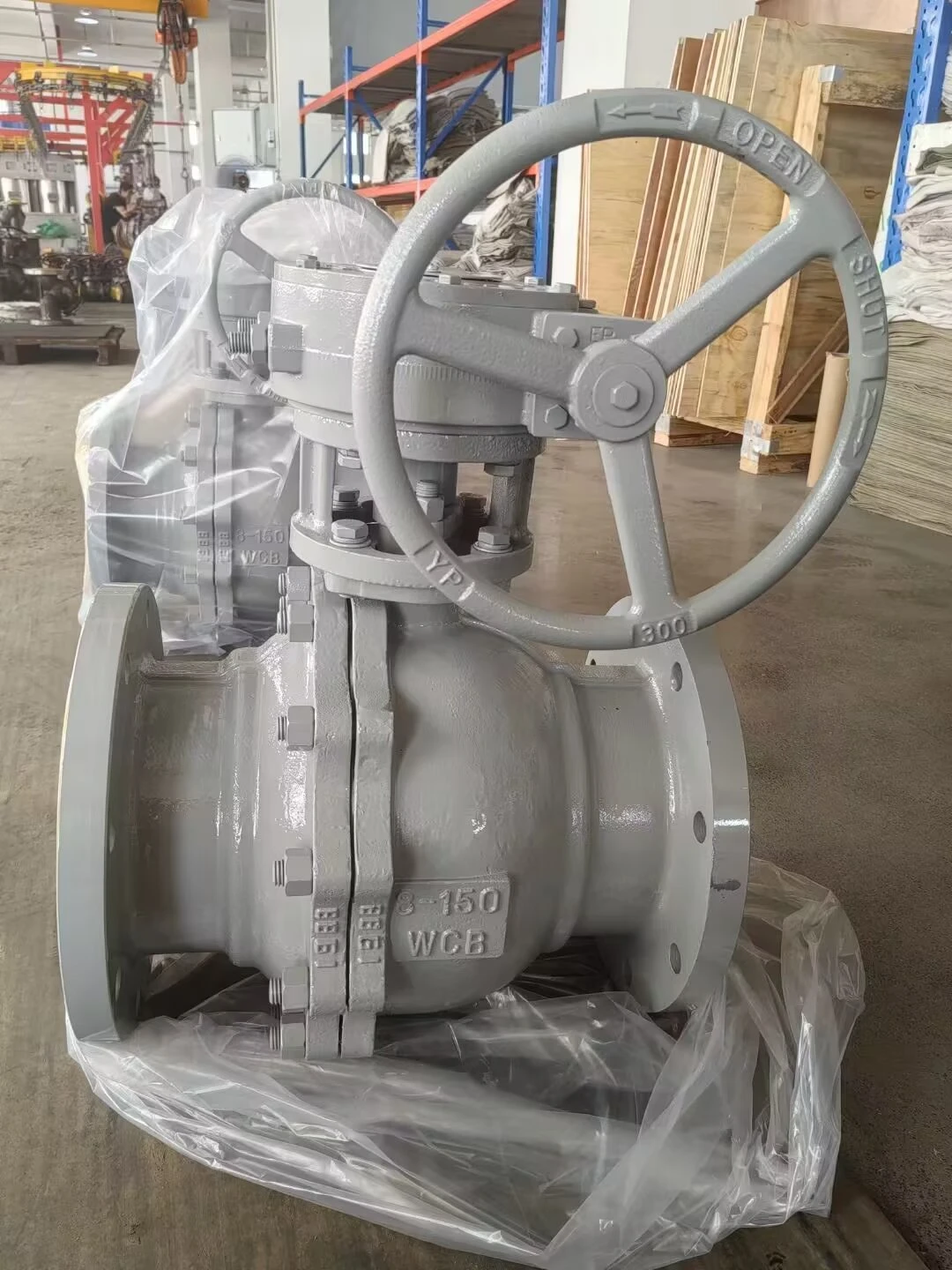
The performance of a DIN butterfly valve is fundamentally governed by fluid dynamics and structural mechanics. Force analysis considers fluid pressure acting on the disc, resulting in torque requirements for actuation. The valve’s Kv value (flow coefficient) is critical for determining flow capacity and pressure drop across the valve, calculated according to ISO 5208. Environmental resistance is a major concern; valves operating in corrosive environments necessitate materials with high pitting resistance equivalent number (PREN). Compliance requirements vary depending on the application. For potable water systems, valves must conform to DVGW W503 standards regarding material hygiene and leaching. In hazardous locations, ATEX certification is essential, ensuring the valve does not act as an ignition source. Functional implementation hinges on the actuator type – manual, pneumatic, electric, or hydraulic. Pneumatic actuators require compressed air, demanding considerations for air supply quality and control systems. Electric actuators necessitate power supply and motor control logic. Proper valve sizing is paramount to prevent cavitation and erosion, issues exacerbated at high flow velocities. Leakage rates are evaluated using leak testing procedures specified in DIN EN 12954, categorized into leakage classes (A, B, C) based on permissible leakage.
Technical Specifications
| Parameter | DN 50 (2") | DN 100 (4") | DN 150 (6") | DN 200 (8") |
|---|---|---|---|---|
| Nominal Pressure (PN) | PN16 | PN16 | PN10/PN16 | PN10/PN16 |
| Body Material | Cast Iron (GG25) | Ductile Iron (GGG40.3) | Cast Iron (GG25)/Stainless Steel (304) | Cast Iron (GG25)/Stainless Steel (316) |
| Disc Material | Cast Iron (GG25) | Ductile Iron (GGG40.3) | Stainless Steel (304) | Stainless Steel (316) |
| Seat Material | EPDM | EPDM/PTFE | PTFE | PTFE |
| Actuation Type | Manual Lever | Gear Operator | Pneumatic/Electric | Pneumatic/Electric |
| Cv (Flow Coefficient) | 1.5 | 3.2 | 6.5 | 10.8 |
Failure Mode & Maintenance
DIN butterfly valves, while robust, are susceptible to various failure modes. Fatigue cracking can occur in the disc or body due to cyclic loading, particularly in applications with frequent operation. Erosion is common in valves handling abrasive slurries, causing material loss at the disc edges and seat. Delamination of the seat material can lead to leakage, often accelerated by temperature fluctuations or incompatible fluids. Corrosion, particularly pitting corrosion in stainless steel, weakens the valve body and disc. Oxidation of metallic components can cause seizing of the stem and disc. Maintenance strategies include regular inspection of the disc and seat for wear or damage. Lubrication of the stem is critical to prevent seizing. Seat replacement is often necessary after prolonged use or exposure to aggressive media. Non-destructive testing (NDT) methods, such as visual inspection, liquid penetrant testing, and ultrasonic testing, can detect cracks and corrosion before they lead to catastrophic failure. Periodic torque testing ensures the actuator is functioning correctly. A preventative maintenance schedule based on operating conditions and fluid characteristics is essential to maximize valve lifespan and minimize downtime. Proper storage of spare parts, including seats, gaskets, and actuators, is also crucial.
Industry FAQ
Q: What are the key considerations when selecting a seat material for a butterfly valve handling a highly corrosive chemical?
A: Seat material selection hinges on the chemical’s compatibility. PTFE offers broad chemical resistance, but EPDM can be suitable for milder acids and bases. Consider the chemical concentration, temperature, and pressure. Consult chemical resistance charts and perform compatibility testing with sample materials to ensure long-term sealing integrity and prevent swelling, degradation, or permeation.
Q: How does the valve’s Kv value impact system efficiency?
A: The Kv value (flow coefficient) directly correlates to the valve’s flow capacity and pressure drop. A lower Kv value indicates higher resistance to flow, resulting in increased pressure drop and reduced system efficiency. Proper valve sizing, based on the system’s flow rate and desired pressure drop, is crucial to optimize efficiency and minimize energy consumption.
Q: What are the advantages of using a ductile iron body over a cast iron body?
A: Ductile iron (GGG40.3) offers significantly higher tensile strength and impact resistance compared to cast iron (GG25). This makes ductile iron valves more suitable for applications with high pressure fluctuations or shock loads. Ductile iron also exhibits better elongation, reducing the risk of brittle fracture.
Q: How often should the valve actuator be inspected?
A: Actuator inspection frequency depends on the application and operating conditions. As a general guideline, pneumatic actuators should be inspected quarterly for leaks and proper operation. Electric actuators require annual inspection, including checking wiring connections, motor performance, and limit switch functionality. Regular lubrication of moving parts is also essential.
Q: What is the significance of ATEX certification for butterfly valves?
A: ATEX certification confirms that the butterfly valve is designed and manufactured to prevent ignition of flammable gases or dusts in potentially explosive atmospheres. This is critical in industries such as oil & gas, petrochemicals, and pharmaceuticals, where hazardous materials are present. Using non-ATEX certified valves in such environments poses a significant safety risk.
Conclusion
The DIN butterfly valve stands as a versatile and cost-effective solution for flow control in numerous industrial applications. Its design, coupled with adherence to stringent DIN standards, ensures reliable performance and interchangeability. Careful consideration of material selection, manufacturing processes, and operational parameters is paramount to maximizing valve lifespan and preventing premature failure.
The future of DIN butterfly valve technology lies in advancements in materials science, particularly the development of more corrosion-resistant alloys and improved seat materials. Smart valve technology, incorporating sensors and remote monitoring capabilities, will further enhance operational efficiency and predictive maintenance. Ultimately, a thorough understanding of the technical intricacies of DIN butterfly valves is essential for engineers and procurement managers alike to ensure optimal performance and safe operation.
-
Top Reasons to Choose a Stainless Steel Flange Check Valve for Industrial Applications
-
8 inch flange Performance Analysis
-
angle ring flanges Performance Analysis
-
Flat Flanges Performance Analysis
-
Full Face Flange Performance Analysis
-
Full Face Flanges Performance Analysis
-
flange 8 inch Performance Analysis
-
Ring Flange Performance Analysis
-
3 inch split flange Performance Analysis
-
Tongue and groove flange Performance Analysis
-
Grooved Flange Performance Analysis
-
o ring flange Performance Analysis
-
Ring Flanges Performance Analysis
-
Groove Flange Performance Analysis
-
Tongue and groove flanges Performance Analysis
 Afrikaans
 Albanian
 Amharic
 Arabic
 Armenian
 Azerbaijani
 Basque
 Belarusian
 Bengali
 Bosnian
 Bulgarian
 Catalan
 Cebuano
 Corsican
 Croatian
 Czech
Czech
 Danish
 Dutch
Dutch
 Esperanto
 Estonian
 Finnish
 French
 Frisian
 Galician
 Georgian
 German
 Greek
Greek
 Gujarati
 Haitian Creole
 Hausa
Hawaiian
Hausa
Hawaiian
 Hebrew
 Hindi
Hindi
 Miao
Miao
 Hungarian
 Icelandic
 Igbo
Igbo
 Indonesian
 Irish
Irish
 Italian
 Japanese
 Javanese
Kannada
Javanese
Kannada
 Kazakh
 Khmer
Khmer
 Rwandese
 Korean
 Kurdish
 Kyrgyz
 Lao
Lao
 Latin
Latin
 Latvian
 Lithuanian
 Luxembourgish
 Macedonian
 Malgashi
 Malay
Malay
 Malayalam
 Maltese
 Maori
Maori
 Marathi
 Mongolian
 Myanmar
 Nepali
 Norwegian
 Norwegian
 Occitan
 Pashto
 Persian
 Polish
 Portuguese
Punjabi
Portuguese
Punjabi
 Romanian
 Russian
 Samoan
 Scottish Gaelic
 Serbian
 Sesotho
 Shona
Shona
 Sindhi
 Sinhala
 Slovak
 Slovenian
 Somali
 Spanish
 Sundanese
 Swahili
 Swedish
Tagalog
Swedish
Tagalog
 Tajik
Tajik
 Tamil
Tamil
 Tatar
Tatar
 Telugu
 Thai
Thai
 Turkish
 Turkmen
 Ukrainian
 Urdu
Urdu
 Uighur
 Uzbek
Uzbek
 Vietnamese
 Welsh
Welsh
 Bantu
Bantu
 Yiddish
 Yoruba
 Zulu
Zulu
 English