




explosion proof ball valve Performance Analysis
Introduction
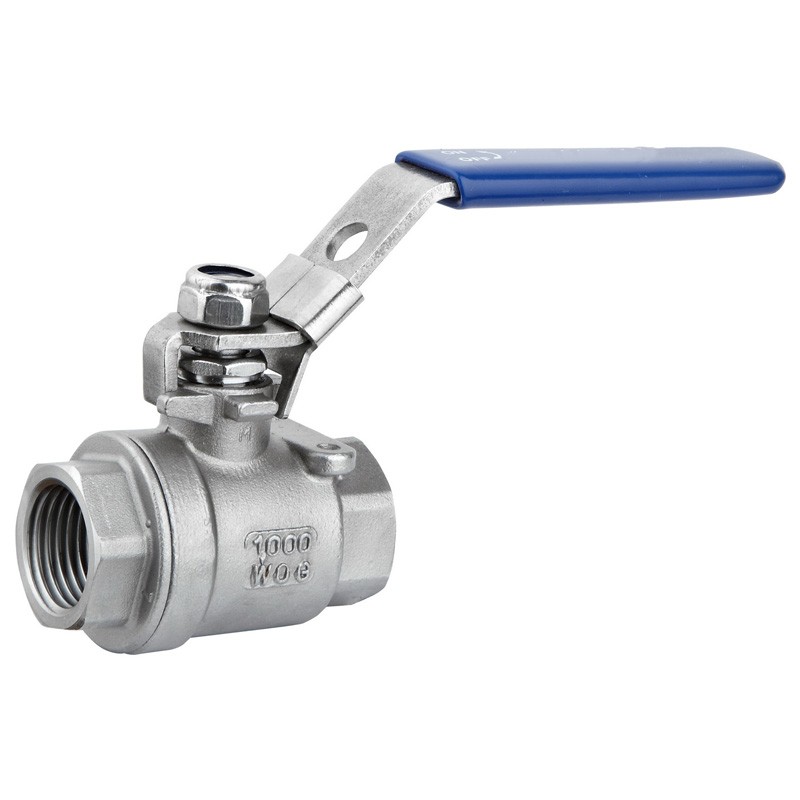
Explosion-proof ball valves are critical flow control components utilized in hazardous environments where flammable liquids, gases, or vapors are present. Distinct from standard ball valves, these devices incorporate specific design and material characteristics to prevent ignition of surrounding atmospheres in the event of an internal arc or hot surface. Their technical position lies within the broader field of industrial process control, specifically serving as a safety-critical element in sectors such as oil and gas, petrochemicals, chemical processing, and power generation. Core performance characteristics revolve around leak-tight shutoff, minimal pressure drop, reliable operation under extreme conditions, and, crucially, adherence to stringent explosion-proof standards. The increasing demand for enhanced safety and regulatory compliance continues to drive the growth and technological advancement of explosion-proof ball valve designs and materials.
Material Science & Manufacturing
The construction of explosion-proof ball valves relies heavily on the properties of specific alloys and manufacturing processes. Valve bodies are commonly fabricated from carbon steel (ASTM A105, A516 Grade 70), alloy steel (ASTM A182 F304, F316), or stainless steel (316/316L) chosen for their mechanical strength, corrosion resistance, and compatibility with the process fluid. The ball itself is typically manufactured from hardened stainless steel (410, 316) to ensure durability and sealing capability. Seat materials include PTFE (Teflon), RPTFE, or PEEK, selected for their low friction coefficient and chemical inertness. Manufacturing involves precision casting or forging of the body, followed by machining to tight tolerances. The ball is usually produced through cold forging and heat treatment to enhance its hardness and surface finish. Critical parameters during manufacturing include surface roughness (Ra values below 0.8 μm are typical for sealing surfaces), dimensional accuracy (±0.025 mm for critical dimensions), and heat treatment cycles (to achieve the desired hardness and ductility). Welding processes, such as GTAW (Gas Tungsten Arc Welding) or SMAW (Shielded Metal Arc Welding), are employed for joining components, requiring qualified welders and adherence to welding procedure specifications (WPS) to guarantee structural integrity and prevent defects like porosity or cracking. The explosion-proof enclosure, typically cast iron or aluminum alloy, requires precision machining to ensure proper fit and sealing to prevent ingress of flammable substances.
Performance & Engineering
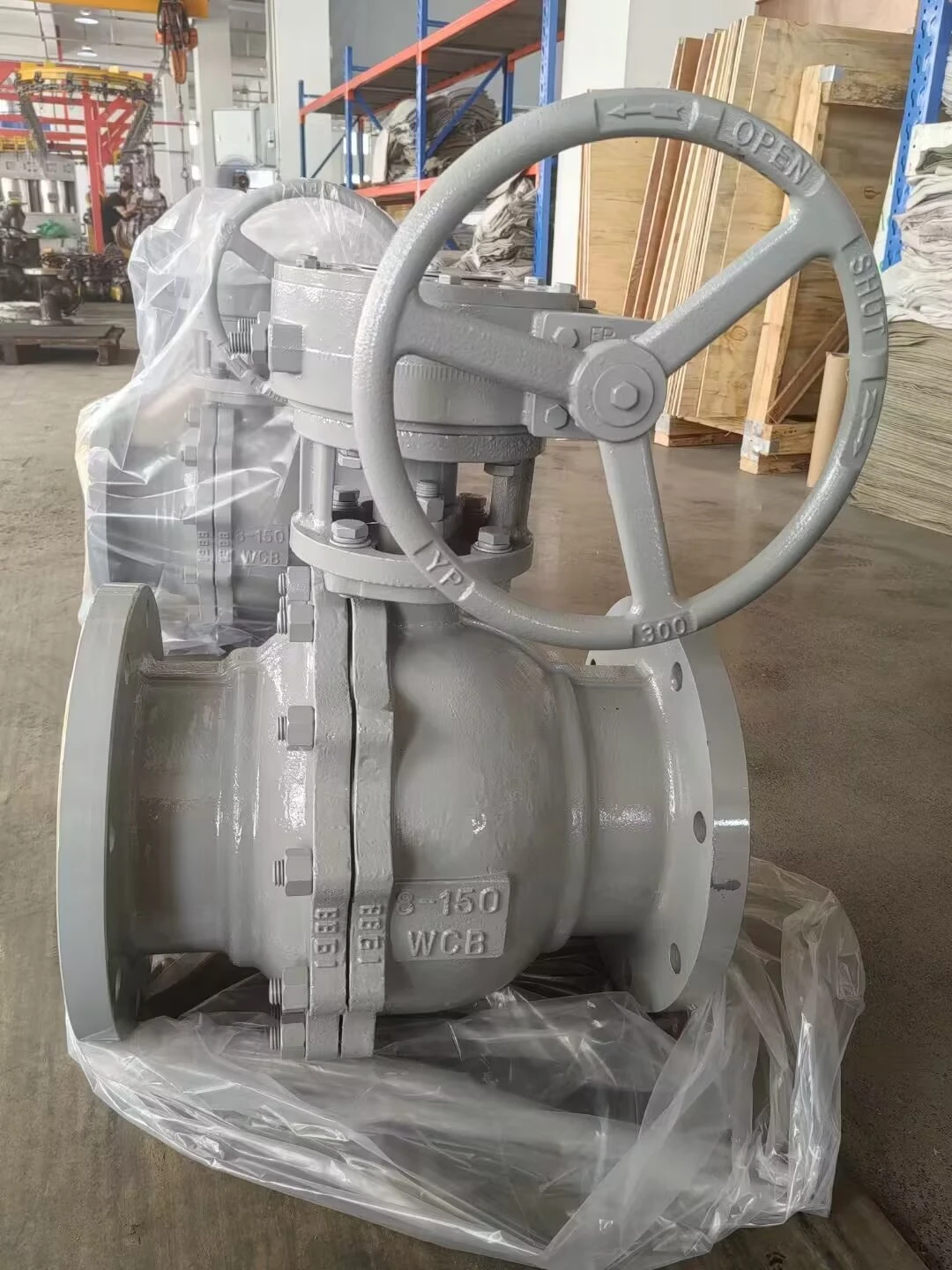
Performance of explosion-proof ball valves is governed by several key engineering principles. Hydrostatic testing, conforming to standards like API 598, verifies the structural integrity of the valve body and connections under high pressure. Torque calculations are crucial for actuator selection, considering the pressure differential across the valve, fluid viscosity, and stem diameter. Environmental resistance is a paramount concern; the enclosure must withstand specified temperature ranges, humidity levels, and potential corrosive atmospheres. Compliance requirements are dictated by standards like IECEx and ATEX, which categorize hazardous zones and prescribe specific constructional requirements. The design must prevent the accumulation of static electricity, utilizing conductive materials and grounding connections. Force analysis is performed to determine the stress distribution within the valve components under various loading conditions. Failure modes analysis (FMEA) identifies potential failure points and informs design improvements. Particular attention is given to the stem seal design to prevent leakage, which could introduce flammable substances into the enclosure. The valve's Cv (flow coefficient) and Kvs (flow capacity) are carefully calculated to ensure optimal flow rates and minimize pressure drop in the system. Furthermore, materials are selected based on their resistance to erosion and cavitation, depending on the fluid characteristics and operating conditions.
Technical Specifications
| Parameter | Unit | Typical Value (Carbon Steel Body) | Typical Value (Stainless Steel Body) |
|---|---|---|---|
| Maximum Operating Pressure | psi | 1440 | 1440 |
| Temperature Range | °F | -20 to 450 | -40 to 500 |
| Valve Size (DN) | mm | 15 – 600 | 15 – 600 |
| End Connection | - | Welded, Threaded, Flanged | Welded, Threaded, Flanged |
| Actuation Type | - | Manual, Pneumatic, Electric | Manual, Pneumatic, Electric |
| Ingress Protection (IP) Rating | - | IP66/IP67 | IP66/IP67 |
Failure Mode & Maintenance
Failure modes in explosion-proof ball valves are diverse and can compromise both process safety and valve functionality. Common failures include seat erosion due to high-velocity fluids or abrasive particles, leading to leakage. Stem seal failure, often caused by degradation of the seal material or improper installation, also results in leakage and potential atmospheric contamination. Fatigue cracking in the valve body or ball can occur under cyclical loading, particularly at weld joints. Corrosion, internal or external, can weaken structural components, leading to catastrophic failure. In the explosion-proof enclosure, failure can manifest as cracking of the housing due to thermal stress, loosening of flame path joints, or deterioration of sealing gaskets. Maintenance strategies should incorporate regular inspection of stem seals, periodic hydrostatic testing, and visual checks for corrosion or damage. Lubrication of the valve stem and bearings is crucial for smooth operation. When replacing components, strict adherence to original manufacturer specifications is essential to maintain explosion-proof integrity. Proper torqueing of bolts and flanges is critical. Flame path joints require periodic inspection and refurbishment according to manufacturer recommendations. Preventive maintenance programs, including scheduled inspections and component replacements, significantly extend the valve’s operational life and minimize the risk of failure. A detailed record of maintenance activities is recommended for traceability and compliance.
Industry FAQ
Q: What is the difference between a standard ball valve and an explosion-proof ball valve?
A: A standard ball valve is designed for general process control applications, while an explosion-proof ball valve is specifically engineered to prevent ignition of flammable atmospheres. This is achieved through a robust enclosure, flame paths, and materials designed to limit surface temperatures and prevent sparking. Explosion-proof valves undergo rigorous testing and certification to meet stringent safety standards.
Q: How are explosion-proof ball valves classified based on hazardous zones?
A: Explosion-proof ball valves are classified according to the hazardous zone in which they will be installed, as defined by standards like ATEX and IECEx. These zones (Zone 0, Zone 1, and Zone 2) represent varying levels of risk of flammable gas or vapor presence. The valve’s construction and certification must be appropriate for the specific zone.
Q: What materials are typically used for the enclosure of an explosion-proof ball valve?
A: The enclosure is typically constructed from cast iron or aluminum alloy, selected for their mechanical strength, thermal conductivity, and ability to dissipate heat. The material must also be conductive to prevent static electricity buildup. The enclosure design incorporates flame paths to contain any internal explosion.
Q: What maintenance procedures are critical for ensuring the continued explosion-proof integrity of a ball valve?
A: Critical maintenance includes regular inspection of flame path joints, verification of grounding connections, and replacement of seals and gaskets. Hydrostatic testing and visual inspection for corrosion or damage are also essential. Any repairs must be performed by qualified personnel using certified parts.
Q: What is the significance of the IP rating for an explosion-proof ball valve?
A: The IP (Ingress Protection) rating indicates the valve’s resistance to dust and water ingress. A higher IP rating (e.g., IP66 or IP67) provides greater protection, minimizing the risk of flammable substances entering the enclosure and potentially causing an explosion. It's a crucial factor in ensuring the valve’s suitability for the intended operating environment.
Conclusion
Explosion-proof ball valves represent a crucial component in ensuring process safety within hazardous environments. Their design, material selection, and manufacturing processes are governed by stringent industry standards and engineering principles. Understanding the underlying material science, performance characteristics, and potential failure modes is essential for selecting, installing, and maintaining these valves effectively. Proper maintenance practices, coupled with adherence to relevant regulations, are paramount to preventing catastrophic failures and protecting personnel and assets.
The continued evolution of explosion-proof ball valve technology will likely focus on developing lighter-weight materials, enhancing sealing capabilities, and incorporating smart functionalities for remote monitoring and diagnostics. Increased automation and predictive maintenance capabilities will further improve operational efficiency and safety. Adoption of digital twins and advanced simulation techniques will facilitate optimized valve design and performance analysis, contributing to a safer and more reliable industrial landscape.
-
Top Reasons to Choose a Stainless Steel Flange Check Valve for Industrial Applications
-
8 inch flange Performance Analysis
-
angle ring flanges Performance Analysis
-
Flat Flanges Performance Analysis
-
Full Face Flange Performance Analysis
-
Full Face Flanges Performance Analysis
-
flange 8 inch Performance Analysis
-
Ring Flange Performance Analysis
-
3 inch split flange Performance Analysis
-
Tongue and groove flange Performance Analysis
-
Grooved Flange Performance Analysis
-
o ring flange Performance Analysis
-
Ring Flanges Performance Analysis
-
Groove Flange Performance Analysis
-
Tongue and groove flanges Performance Analysis
 Afrikaans
 Albanian
 Amharic
 Arabic
 Armenian
 Azerbaijani
 Basque
 Belarusian
 Bengali
 Bosnian
 Bulgarian
 Catalan
 Cebuano
 Corsican
 Croatian
 Czech
Czech
 Danish
 Dutch
Dutch
 Esperanto
 Estonian
 Finnish
 French
 Frisian
 Galician
 Georgian
 German
 Greek
Greek
 Gujarati
 Haitian Creole
 Hausa
Hawaiian
Hausa
Hawaiian
 Hebrew
 Hindi
Hindi
 Miao
Miao
 Hungarian
 Icelandic
 Igbo
Igbo
 Indonesian
 Irish
Irish
 Italian
 Japanese
 Javanese
Kannada
Javanese
Kannada
 Kazakh
 Khmer
Khmer
 Rwandese
 Korean
 Kurdish
 Kyrgyz
 Lao
Lao
 Latin
Latin
 Latvian
 Lithuanian
 Luxembourgish
 Macedonian
 Malgashi
 Malay
Malay
 Malayalam
 Maltese
 Maori
Maori
 Marathi
 Mongolian
 Myanmar
 Nepali
 Norwegian
 Norwegian
 Occitan
 Pashto
 Persian
 Polish
 Portuguese
Punjabi
Portuguese
Punjabi
 Romanian
 Russian
 Samoan
 Scottish Gaelic
 Serbian
 Sesotho
 Shona
Shona
 Sindhi
 Sinhala
 Slovak
 Slovenian
 Somali
 Spanish
 Sundanese
 Swahili
 Swedish
Tagalog
Swedish
Tagalog
 Tajik
Tajik
 Tamil
Tamil
 Tatar
Tatar
 Telugu
 Thai
Thai
 Turkish
 Turkmen
 Ukrainian
 Urdu
Urdu
 Uighur
 Uzbek
Uzbek
 Vietnamese
 Welsh
Welsh
 Bantu
Bantu
 Yiddish
 Yoruba
 Zulu
Zulu
 English