




fully welded ball valve Performance Analysis
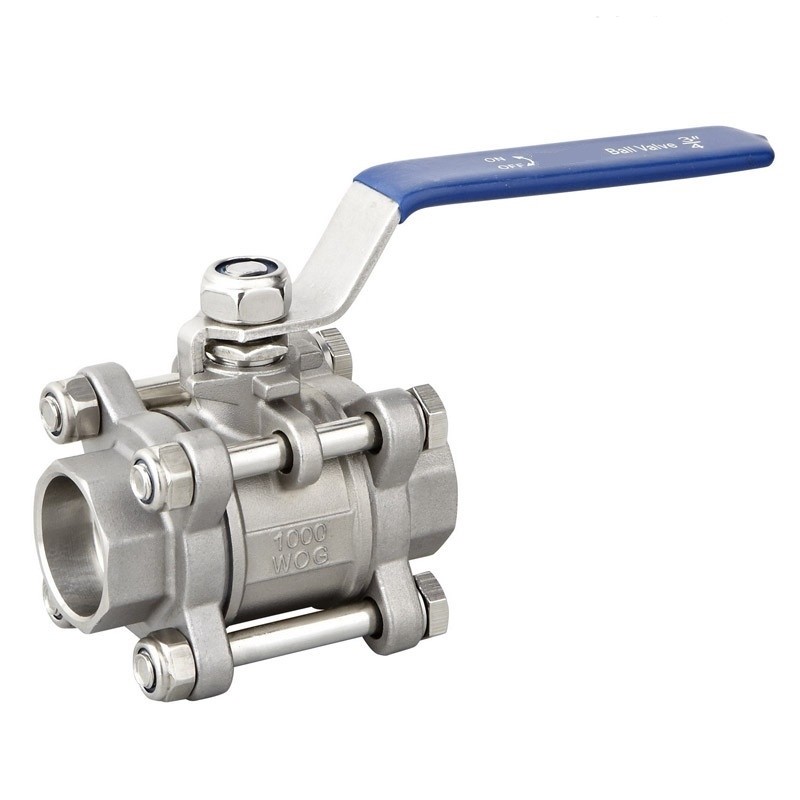
Introduction
The fully welded ball valve represents a critical component in fluid control systems across numerous industries, including oil and gas, chemical processing, and power generation. Distinguished by its complete weld construction – body, end connections, and often the ball itself – it eliminates potential leak paths associated with bolted flanges or threaded connections. This design directly addresses stringent safety and environmental regulations, particularly in high-pressure and high-temperature applications. Functionally, it provides reliable on/off control of fluid flow, utilizing a rotating ball with a bore to regulate passage. Core performance characteristics include pressure containment, tight shut-off, and low torque operation. The industry faces ongoing challenges related to material selection for aggressive media compatibility, ensuring weld integrity, and meeting increasingly demanding industry standards like API 6D and ASME B31.3. Fully welded ball valves are preferred where minimal fugitive emissions are paramount and frequent maintenance is undesirable.
Material Science & Manufacturing
The body of a fully welded ball valve is typically constructed from carbon steel (ASTM A516 Grade 70), stainless steel (304/316L – ASTM A240), or alloy steels (e.g., Inconel) depending on the fluid media and operating conditions. The ball itself is usually hardened stainless steel (410 or 17-4 PH) to provide wear resistance and sealing capability. Seats are commonly made of reinforced PTFE (Teflon) or RPTFE for chemical inertness and low friction. Manufacturing begins with forging or casting the valve body. Subsequent welding processes – typically utilizing Shielded Metal Arc Welding (SMAW), Gas Tungsten Arc Welding (GTAW), or Submerged Arc Welding (SAW) – are critical. Precise control of welding parameters (current, voltage, travel speed, shielding gas composition) is essential to achieve complete fusion, minimize residual stress, and prevent weld defects like porosity, slag inclusions, and cracking. Post-weld heat treatment (PWHT) is often employed to relieve stress and improve mechanical properties. The ball undergoes precision machining and polishing to achieve a smooth surface finish crucial for tight shut-off. Seat materials are molded or machined to exacting tolerances. Non-destructive testing (NDT) – including radiography, ultrasonic testing, and liquid penetrant inspection – is performed throughout the manufacturing process to verify weld integrity and material soundness. Chemical compatibility between the valve materials and the process fluid must be rigorously assessed to prevent corrosion or degradation. For example, prolonged exposure to hydrochloric acid requires specific alloy selections (e.g., Hastelloy C-276).
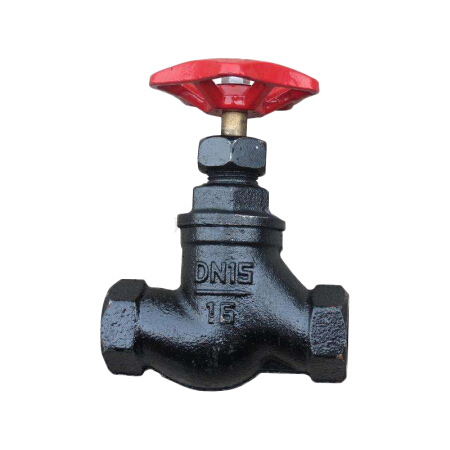
Performance & Engineering
Performance of a fully welded ball valve is dictated by several key engineering considerations. Torque requirements are governed by factors like valve size, pressure drop, and seat material. Excessive torque can lead to actuator failure or damage to the ball and seat. Force analysis during operation must account for fluid pressure acting on the ball and seat, as well as external loads from piping systems. Environmental resistance is critical, especially in harsh conditions. Materials must be selected to withstand corrosion, erosion, and temperature extremes. The valve’s pressure-temperature rating is determined by the weakest component, often the body or the weld joints. Compliance with industry standards, such as API 6D, dictates allowable stress levels and testing procedures. Fugitive emissions testing, as per EPA Method 21, is crucial to demonstrate leak tightness and meet environmental regulations. The valve's hydrostatic testing confirms pressure containment capabilities. Cryogenic applications require special attention to material selection to prevent brittle fracture. Furthermore, the design needs to account for thermal expansion and contraction to prevent stress on the welds and components. A critical aspect is the ball-to-seat interference, which determines the sealing effectiveness; insufficient interference results in leakage, while excessive interference increases torque and wear.
Technical Specifications
| Parameter | Unit | Specification Range | Typical Value |
|---|---|---|---|
| Maximum Operating Pressure | psi | Up to 10,000 | 2500 |
| Operating Temperature | °F | -297 to 842 (-183 to 450 °C) | 60 |
| Valve Size | inches | 0.5 to 48 | 2 |
| Body Material | - | Carbon Steel, 304/316L SS, Alloy Steel | 316L SS |
| Ball Material | - | 410, 17-4 PH | 17-4 PH |
| Seat Material | - | PTFE, RPTFE | RPTFE |
Failure Mode & Maintenance
Fully welded ball valves, while robust, are susceptible to various failure modes. Weld defects (porosity, cracking) are a primary concern, leading to leakage and potentially catastrophic failure. Corrosion, particularly in aggressive media, can cause pitting, crevice corrosion, or galvanic corrosion, compromising the valve body and ball. Seat degradation, due to abrasion or chemical attack, results in leakage. Fatigue cracking can occur in the valve body or stem due to cyclic loading. Erosion, caused by high-velocity fluids containing solid particles, can damage the ball and seat. Failure analysis commonly involves visual inspection, NDT (radiography, ultrasonic testing), and metallurgical examination of failed components. Maintenance should include regular inspection for signs of corrosion, leakage, or wear. Periodic testing of actuator operation is also essential. Lubrication of the stem and bearings, where applicable, reduces friction and extends service life. Replacement of seats and seals should be performed proactively based on operating conditions and manufacturer recommendations. PWHT of repairs is crucial to maintain weld integrity. Proper storage and handling are vital to prevent damage during transportation and installation. A robust preventative maintenance program, incorporating scheduled inspections and component replacements, is the most effective way to minimize downtime and ensure reliable valve operation.
Industry FAQ
Q: What are the key advantages of a fully welded ball valve over a flanged ball valve in high-pressure applications?
A: The primary advantage is the elimination of flange joints, which are inherent leak paths in high-pressure systems. Fully welded construction provides a more robust and reliable seal, minimizing the risk of fugitive emissions and ensuring greater safety. Welded connections also offer higher structural integrity and resistance to vibration and thermal cycling.
Q: How do you ensure the integrity of the weld joints in a fully welded ball valve?
A: Weld integrity is ensured through strict adherence to welding procedures (WPS), qualified welders, and comprehensive Non-Destructive Testing (NDT). Radiographic testing (RT) and ultrasonic testing (UT) are commonly employed to detect internal weld defects. Liquid penetrant inspection (LPI) identifies surface flaws. Post-weld heat treatment (PWHT) is often performed to relieve stress and improve material properties. Detailed documentation of welding and inspection records is maintained for traceability.
Q: What material selection considerations are crucial when dealing with corrosive fluids?
A: Material selection must be based on a thorough understanding of the fluid’s chemical composition, concentration, temperature, and flow velocity. Stainless steels (316L, Duplex SS) are commonly used for general corrosion resistance. For highly corrosive environments, more exotic alloys like Hastelloy, Inconel, or titanium may be required. Compatibility charts and corrosion testing are essential to validate material suitability.
Q: What is the typical service life of a fully welded ball valve, and what factors affect it?
A: The service life varies significantly depending on operating conditions. Under ideal circumstances, a fully welded ball valve can operate reliably for 20-30 years or more. Factors affecting service life include fluid corrosivity, temperature, pressure, frequency of operation, and the effectiveness of preventative maintenance. Regular inspection and timely component replacement are crucial for maximizing service life.
Q: How does the fully welded design impact maintenance procedures compared to other ball valve designs?
A: Fully welded designs generally require less frequent maintenance due to the absence of flange connections and associated bolts that can loosen or corrode. However, when maintenance is required, it often involves more complex procedures, such as cutting and re-welding components. Therefore, proactive preventative maintenance and careful selection of materials are particularly important to minimize the need for extensive repairs.
Conclusion
The fully welded ball valve remains a cornerstone of fluid control in demanding industrial applications, offering unparalleled leak tightness and reliability. Its complete weld construction, coupled with appropriate material selection and stringent manufacturing processes, ensures long-term performance and minimizes the risk of fugitive emissions. While initial fabrication might be more complex than flanged designs, the reduced maintenance requirements and enhanced safety profile make it a cost-effective solution in the long run.
Looking forward, advancements in welding technology (e.g., automated welding systems) and materials science (e.g., improved corrosion-resistant alloys) will continue to enhance the performance and longevity of fully welded ball valves. Further integration of digital technologies, such as predictive maintenance algorithms based on sensor data, will optimize maintenance schedules and minimize downtime, solidifying the fully welded ball valve’s position as a critical component in modern industrial infrastructure.
-
Top Reasons to Choose a Stainless Steel Flange Check Valve for Industrial Applications
-
8 inch flange Performance Analysis
-
angle ring flanges Performance Analysis
-
Flat Flanges Performance Analysis
-
Full Face Flange Performance Analysis
-
Full Face Flanges Performance Analysis
-
flange 8 inch Performance Analysis
-
Ring Flange Performance Analysis
-
3 inch split flange Performance Analysis
-
Tongue and groove flange Performance Analysis
-
Grooved Flange Performance Analysis
-
o ring flange Performance Analysis
-
Ring Flanges Performance Analysis
-
Groove Flange Performance Analysis
-
Tongue and groove flanges Performance Analysis
 Afrikaans
 Albanian
 Amharic
 Arabic
 Armenian
 Azerbaijani
 Basque
 Belarusian
 Bengali
 Bosnian
 Bulgarian
 Catalan
 Cebuano
 Corsican
 Croatian
 Czech
Czech
 Danish
 Dutch
Dutch
 Esperanto
 Estonian
 Finnish
 French
 Frisian
 Galician
 Georgian
 German
 Greek
Greek
 Gujarati
 Haitian Creole
 Hausa
Hawaiian
Hausa
Hawaiian
 Hebrew
 Hindi
Hindi
 Miao
Miao
 Hungarian
 Icelandic
 Igbo
Igbo
 Indonesian
 Irish
Irish
 Italian
 Japanese
 Javanese
Kannada
Javanese
Kannada
 Kazakh
 Khmer
Khmer
 Rwandese
 Korean
 Kurdish
 Kyrgyz
 Lao
Lao
 Latin
Latin
 Latvian
 Lithuanian
 Luxembourgish
 Macedonian
 Malgashi
 Malay
Malay
 Malayalam
 Maltese
 Maori
Maori
 Marathi
 Mongolian
 Myanmar
 Nepali
 Norwegian
 Norwegian
 Occitan
 Pashto
 Persian
 Polish
 Portuguese
Punjabi
Portuguese
Punjabi
 Romanian
 Russian
 Samoan
 Scottish Gaelic
 Serbian
 Sesotho
 Shona
Shona
 Sindhi
 Sinhala
 Slovak
 Slovenian
 Somali
 Spanish
 Sundanese
 Swahili
 Swedish
Tagalog
Swedish
Tagalog
 Tajik
Tajik
 Tamil
Tamil
 Tatar
Tatar
 Telugu
 Thai
Thai
 Turkish
 Turkmen
 Ukrainian
 Urdu
Urdu
 Uighur
 Uzbek
Uzbek
 Vietnamese
 Welsh
Welsh
 Bantu
Bantu
 Yiddish
 Yoruba
 Zulu
Zulu
 English