




high pressure gate valve Material Science Manufacturing
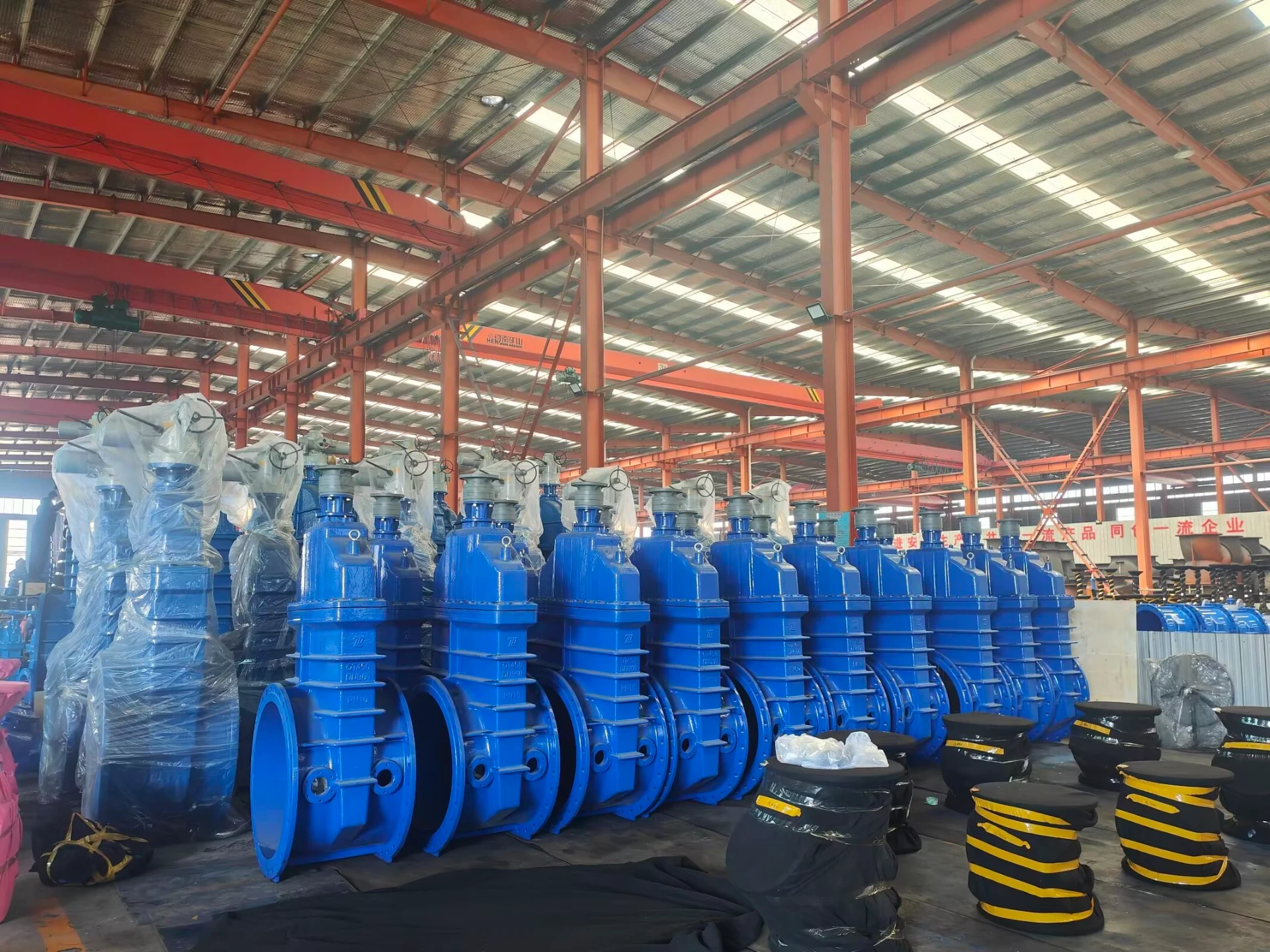
Introduction
High pressure gate valves are critical components in industrial fluid handling systems, designed to isolate or regulate flow in pipelines operating under significant pressure and temperature conditions. Positioned within the broader valve technology sector, they serve as a fundamental control element in industries including oil and gas, petrochemicals, power generation, and water treatment. Their primary function is to provide a bubble-tight shutoff, minimizing pressure drop when fully open. Unlike other valve types – ball, butterfly, or globe – gate valves are not intended for throttling applications; their design prioritizes on/off functionality. Core performance characteristics center around pressure rating (typically ranging from Class 600 to 2500 and beyond), material compatibility with the conveyed fluid, and sealing integrity under extreme conditions. A key industry pain point revolves around the long-term reliability of sealing surfaces in high-pressure environments, susceptibility to corrosion, and the maintenance challenges associated with dismantling and repairing these valves due to their size and complexity.
Material Science & Manufacturing
The body of a high pressure gate valve is most commonly forged from carbon steel alloys (ASTM A105, A350) or stainless steel (304, 316, duplex stainless steels) depending on the fluid service. Forging ensures a superior grain structure capable of withstanding high stresses compared to casting. The gate itself can be solid wedge, split wedge, or parallel slide, constructed from similar materials, often with hardened facings (e.g., chrome plating, Stellite) to enhance wear resistance. Sealing is typically achieved via a combination of metal-to-metal seating and resilient materials like PTFE, reinforced PTFE, or graphite-based gaskets. The bonnet joint, crucial for pressure containment, is frequently manufactured using spiral wound gaskets or metal-jacketed gaskets, tightened via stud bolts with controlled torque. Manufacturing processes involve precision machining of all critical components to ensure dimensional accuracy and smooth operation. Welding procedures, particularly for the valve body, are governed by ASME Section IX and require qualified welders and stringent non-destructive testing (NDT) like radiographic inspection (RT) and ultrasonic testing (UT). Parameter control during heat treatment is vital to achieving the desired material hardness and ductility, minimizing the risk of cracking under pressure. Corrosion resistance is further enhanced through surface treatments like epoxy coating or internal linings.
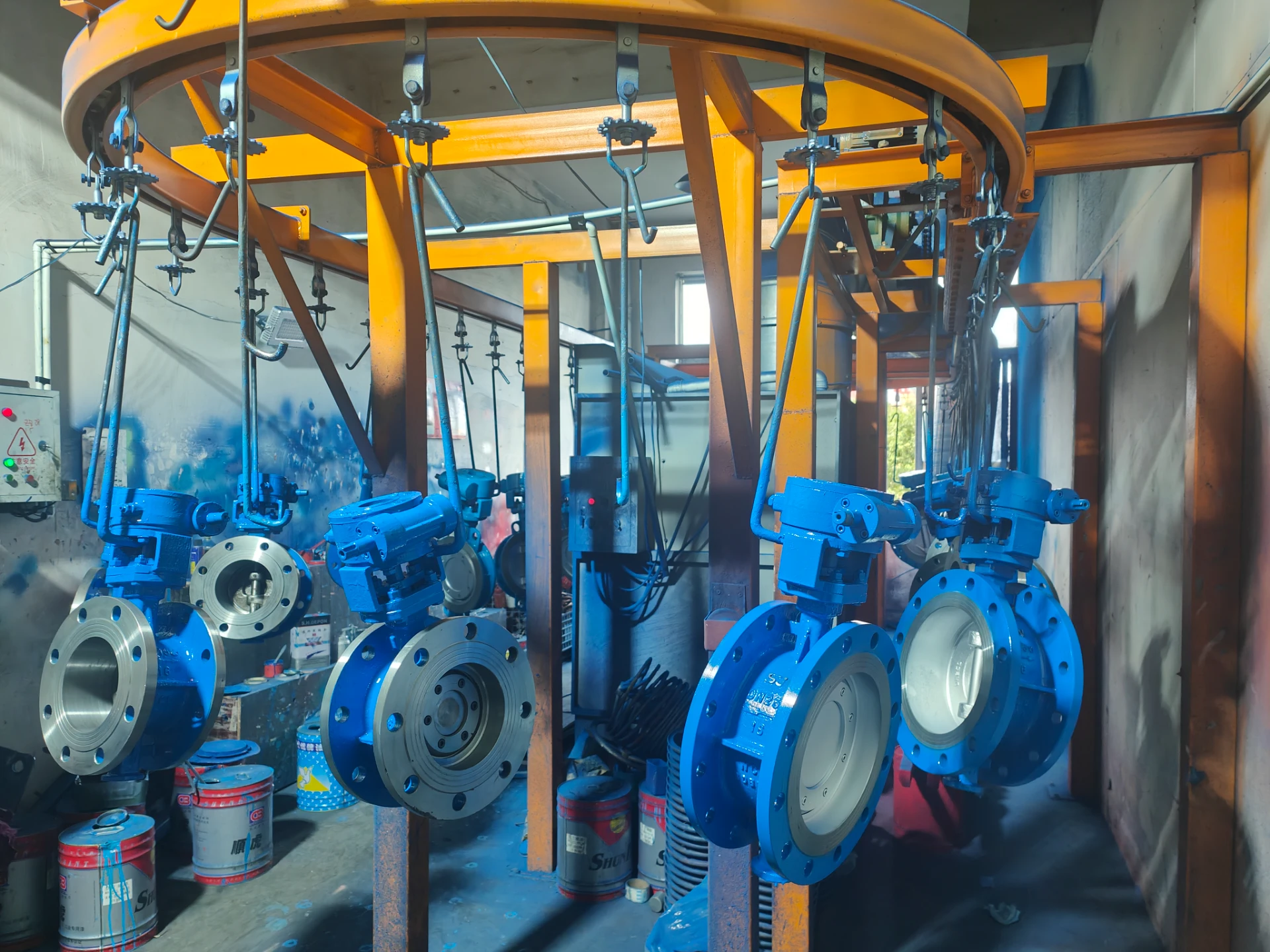
Performance & Engineering
Performance of high-pressure gate valves is dictated by several engineering principles. Force analysis centers around calculating stresses induced by internal pressure, applied loads from the connected piping, and thermal expansion/contraction. Finite element analysis (FEA) is routinely employed to optimize valve body design and ensure structural integrity. Environmental resistance is paramount; valves operating in corrosive environments must be constructed from materials compatible with the fluid and protected by appropriate coatings. Compliance requirements are stringent, governed by API 6D (Manufacturing, Testing, and Packaging), API 600 (Bolted Bonnet Steel Gate Valves), and potentially ASME B16.34 (Valve Fusible Plugs). Functional implementation involves careful consideration of flow characteristics; minimizing turbulence and pressure drop when the valve is fully open is essential. Actuation methods range from manual handwheels to pneumatic, hydraulic, or electric actuators, each offering varying levels of control and responsiveness. The stem packing system is critical in preventing leakage around the stem, requiring periodic maintenance and replacement. Consideration must be given to potential water hammer effects, which can induce significant stresses on the valve components.
Technical Specifications
| Parameter | Unit | Typical Value (Class 600) | Typical Value (Class 1500) |
|---|---|---|---|
| Maximum Allowable Working Pressure (MAWP) | psi | 900 | 2400 |
| Temperature Range | °F | -20 to 450 | -20 to 800 |
| Body Material | - | ASTM A105 Carbon Steel | ASTM A350 LF2 Carbon Steel |
| Seat Material | - | Stainless Steel (304/316) with PTFE | Alloy Steel with Reinforced PTFE |
| Connection End | - | Welded End | Flanged End (ANSI/ASME B16.5) |
| Actuation Type | - | Handwheel | Gear Operator / Pneumatic Actuator |
Failure Mode & Maintenance
High-pressure gate valves are susceptible to several failure modes. Fatigue cracking can occur in the valve body due to cyclical pressure fluctuations. Erosion and wear are common in the gate and seat areas, especially when handling abrasive fluids. Corrosion, both general and localized (pitting, crevice corrosion), can compromise the structural integrity of the valve. Leakage through the stem packing is a frequent issue, leading to environmental concerns and process inefficiencies. Failure of the bonnet gasket can result in catastrophic leakage. Cavitation, caused by rapid pressure drop, can damage the gate and seat surfaces. Maintenance typically involves periodic inspection of the valve body for cracks, replacement of the stem packing, refurbishment of the gate and seat (lapping, grinding), and testing of the valve to ensure leak-tight shutoff. Regular lubrication of the stem threads and gear operator is also essential. Preventative maintenance programs, including torque checks on bolted connections and monitoring of valve operation, can significantly extend valve lifespan. Failure analysis, utilizing techniques like fractography and metallography, can help identify the root cause of failures and prevent recurrence.
Industry FAQ
Q: What are the key considerations when selecting a gate valve for a high-temperature, high-pressure application involving sour gas (H2S)?
A: Material selection is paramount. Carbon steel is unsuitable due to sulfide stress cracking (SSC). Austenitic stainless steels (316) require careful consideration due to potential SSC in high-chloride environments. Duplex stainless steels (e.g., 2205) or super duplex stainless steels offer superior resistance to SSC and corrosion. The sealing material must also be compatible with H2S; PTFE is often used, but its permeability should be evaluated. Valve testing to NACE MR0175/ISO 15156 is mandatory to verify material suitability.
Q: How does the gate type (wedge, parallel slide) influence performance and maintenance requirements?
A: Solid wedge gates offer the simplest design and tightest shutoff but are more susceptible to binding and require more frequent maintenance. Split wedge gates are easier to operate and maintain, but may not achieve the same level of tight shutoff. Parallel slide gates provide minimal contact area, reducing wear but requiring precise alignment. Maintenance needs vary accordingly – solid wedges require regular lapping, while parallel slide gates demand meticulous alignment checks.
Q: What is the significance of the valve’s pressure-temperature rating?
A: The pressure-temperature rating defines the maximum allowable working pressure for a given operating temperature. Exceeding this rating can lead to catastrophic failure. It's crucial to consult the valve’s datasheet and ensure it aligns with the specific process conditions. Derating factors may apply for certain materials or operating scenarios.
Q: What non-destructive testing (NDT) methods are typically employed during valve manufacturing?
A: Radiographic inspection (RT) is used to detect internal flaws in the valve body and weldments. Ultrasonic testing (UT) is also used for weld inspection and thickness measurements. Liquid penetrant testing (PT) identifies surface cracks and discontinuities. Magnetic particle inspection (MT) is employed for ferromagnetic materials to detect surface and near-surface defects.
Q: What are the best practices for long-term storage of high-pressure gate valves?
A: Valves should be stored in a dry, climate-controlled environment to prevent corrosion. Flanged ends should be covered with protective caps. The valve should be periodically rotated to redistribute lubricant. The stem should be periodically cycled to prevent sticking. The valve should be inspected for any signs of deterioration before being put into service.
Conclusion
High-pressure gate valves are indispensable components in critical industrial applications demanding reliable isolation and flow control. Their performance is directly tied to material selection, manufacturing precision, and adherence to stringent industry standards. Understanding the potential failure modes and implementing robust maintenance programs are essential for ensuring long-term operational integrity and minimizing downtime. Careful consideration of the application-specific requirements, including fluid compatibility, temperature, and pressure, is paramount when selecting a valve.
Future advancements in gate valve technology are likely to focus on enhanced sealing materials, improved corrosion resistance coatings, and the integration of smart monitoring systems for predictive maintenance. These innovations will further enhance valve reliability, reduce lifecycle costs, and contribute to safer and more efficient industrial processes. The increasing demand for valves capable of handling harsh and demanding environments will drive continued research and development in this field.
-
Top Reasons to Choose a Stainless Steel Flange Check Valve for Industrial Applications
-
8 inch flange Performance Analysis
-
angle ring flanges Performance Analysis
-
Flat Flanges Performance Analysis
-
Full Face Flange Performance Analysis
-
Full Face Flanges Performance Analysis
-
flange 8 inch Performance Analysis
-
Ring Flange Performance Analysis
-
3 inch split flange Performance Analysis
-
Tongue and groove flange Performance Analysis
-
Grooved Flange Performance Analysis
-
o ring flange Performance Analysis
-
Ring Flanges Performance Analysis
-
Groove Flange Performance Analysis
-
Tongue and groove flanges Performance Analysis
 Afrikaans
 Albanian
 Amharic
 Arabic
 Armenian
 Azerbaijani
 Basque
 Belarusian
 Bengali
 Bosnian
 Bulgarian
 Catalan
 Cebuano
 Corsican
 Croatian
 Czech
Czech
 Danish
 Dutch
Dutch
 Esperanto
 Estonian
 Finnish
 French
 Frisian
 Galician
 Georgian
 German
 Greek
Greek
 Gujarati
 Haitian Creole
 Hausa
Hawaiian
Hausa
Hawaiian
 Hebrew
 Hindi
Hindi
 Miao
Miao
 Hungarian
 Icelandic
 Igbo
Igbo
 Indonesian
 Irish
Irish
 Italian
 Japanese
 Javanese
Kannada
Javanese
Kannada
 Kazakh
 Khmer
Khmer
 Rwandese
 Korean
 Kurdish
 Kyrgyz
 Lao
Lao
 Latin
Latin
 Latvian
 Lithuanian
 Luxembourgish
 Macedonian
 Malgashi
 Malay
Malay
 Malayalam
 Maltese
 Maori
Maori
 Marathi
 Mongolian
 Myanmar
 Nepali
 Norwegian
 Norwegian
 Occitan
 Pashto
 Persian
 Polish
 Portuguese
Punjabi
Portuguese
Punjabi
 Romanian
 Russian
 Samoan
 Scottish Gaelic
 Serbian
 Sesotho
 Shona
Shona
 Sindhi
 Sinhala
 Slovak
 Slovenian
 Somali
 Spanish
 Sundanese
 Swahili
 Swedish
Tagalog
Swedish
Tagalog
 Tajik
Tajik
 Tamil
Tamil
 Tatar
Tatar
 Telugu
 Thai
Thai
 Turkish
 Turkmen
 Ukrainian
 Urdu
Urdu
 Uighur
 Uzbek
Uzbek
 Vietnamese
 Welsh
Welsh
 Bantu
Bantu
 Yiddish
 Yoruba
 Zulu
Zulu
 English