




high pressure globe valve Performance Analysis
Introduction
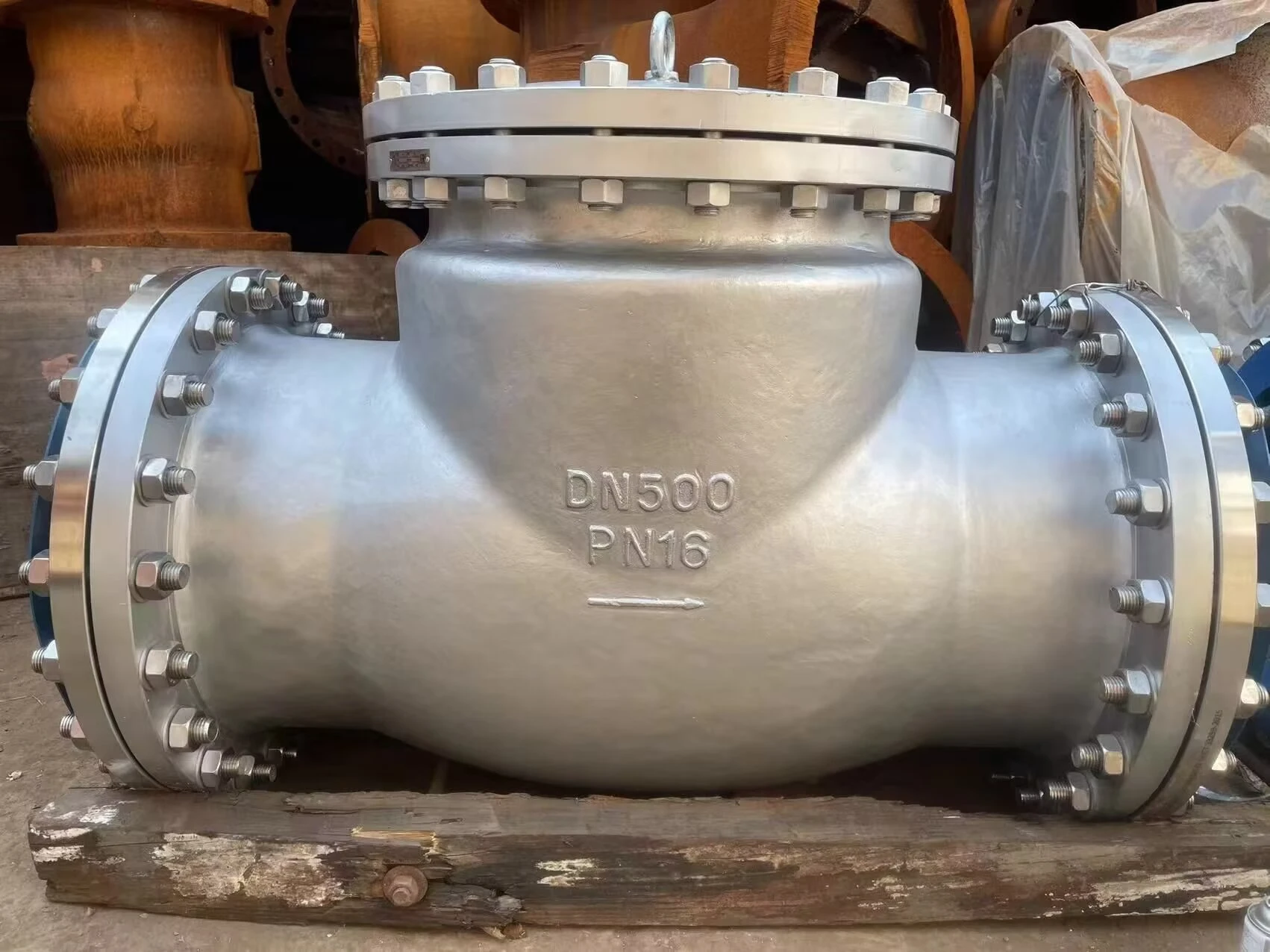
High pressure globe valves are critical components in fluid flow control systems operating under extreme pressure and temperature conditions. Positioned within the industrial chain as a final control element, they regulate flow rates in pipelines carrying various media – from steam and water to oil and gas – in applications like power generation, chemical processing, and oil & gas exploration. Their robust design, characterized by a disc moving perpendicular to the flow path, enables precise throttling and reliable shutoff. Core performance metrics include pressure drop, flow coefficient (Cv), seat leakage, and the valve's ability to withstand thermal cycling and shock loading. The primary industry pain point revolves around ensuring consistent sealing performance under high stress, preventing erosion of valve components, and maintaining long-term reliability to minimize costly downtime and ensure process safety. Selecting the correct materials and understanding the nuances of valve actuation are paramount to successful implementation.
Material Science & Manufacturing
The body of a high-pressure globe valve is typically forged from alloy steels such as ASTM A105, A182 F304/F316, or equivalent materials meeting EN 10204 3.1 standards. The choice depends on the fluid media and operating temperature. For corrosive environments, duplex stainless steels (e.g., UNS S31803) or Hastelloy alloys are employed. The disc and seat are commonly crafted from hardened alloys like Alloy 6 or Stellite, possessing excellent erosion and wear resistance. Stem materials utilize alloy steels, often nitrided for increased hardness and corrosion protection. Manufacturing begins with forging, followed by precision machining to ensure dimensional accuracy and smooth surface finishes. Welding processes, typically employing Gas Tungsten Arc Welding (GTAW) or Shielded Metal Arc Welding (SMAW), adhering to ASME Section IX standards, are critical for joining body components. Heat treatment post-welding is crucial for stress relieving and restoring material properties. Seat leakage testing, following API 598 guidelines, verifies sealing integrity. Critical parameters include material traceability, welding procedure qualification records (WPQR), non-destructive testing (NDT) – including radiography and ultrasonic testing – and dimensional inspections using Coordinate Measuring Machines (CMMs). Surface treatments like PTFE coating are applied to the stem to reduce friction and prevent seizing. Proper material selection dictates performance and longevity, mitigating risks of corrosion, erosion, and fatigue failure.
Performance & Engineering
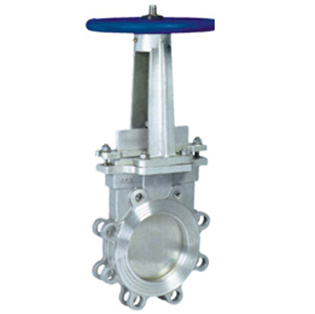
High-pressure globe valves are subject to significant forces during operation. Force analysis considers fluid dynamic forces, pressure thrust, and thermal stresses. The valve body must withstand the pressure-induced stresses calculated using ASME B31.3 (Process Piping) or equivalent standards. Environmental resistance is crucial; valves operating in outdoor environments must be protected from corrosion by coatings and material selection. Compliance requirements vary based on the application. For example, valves used in nuclear power plants must meet stringent standards outlined in ASME Section III. Functional implementation centers on precise flow control. Valve actuation can be manual, pneumatic, hydraulic, or electric. Pneumatic actuators, commonly utilizing instrument air (typically 20 psig), provide reliable remote operation. Electric actuators offer precise positioning and integration with control systems. Cavitation, a phenomenon where vapor bubbles form and collapse, can erode valve components. Proper valve sizing and flow control strategies minimize cavitation risk. Understanding the fluid's properties – density, viscosity, and vapor pressure – is essential for optimal performance. The selection of appropriate stem packing materials, such as graphite or PTFE, prevents leakage and ensures environmental containment. Thermal expansion and contraction of valve components must be accounted for in the design to prevent binding and ensure smooth operation.
Technical Specifications
| Parameter | Unit | Typical Value (Class 2500, 2” Valve) | Industry Standard |
|---|---|---|---|
| Maximum Allowable Working Pressure (MAWP) | psi | 7200 | ASME B16.34 |
| Temperature Range | °F | -20 to 450 | ASME B16.34 |
| Cv (Flow Coefficient) | gpm | 8.5 | ISA 75.01.01 |
| Seat Leakage (Class VI) | ml/min | 0.1 | API 598 |
| Body Material | - | A105 Carbon Steel | ASTM A105 |
| Trim Material | - | Alloy 6 (Nickel-based) | ASTM B626 |
Failure Mode & Maintenance
Common failure modes in high-pressure globe valves include seat erosion due to high-velocity flow, disc damage from cavitation, stem packing leakage, and body gasket failure. Fatigue cracking can occur in the valve body due to cyclic loading, particularly in applications with frequent opening and closing. Corrosion, both internal and external, can lead to component degradation. Failure analysis often reveals root causes related to improper material selection, inadequate maintenance, or exceeding operational limits. Maintenance strategies include regular inspection of valve internals, replacement of worn stem packing, and lapping of seats to restore sealing surfaces. Non-destructive testing (NDT), such as liquid penetrant testing and magnetic particle inspection, can detect cracks and flaws. Proper lubrication of the stem and actuator mechanism is essential for smooth operation. Scheduled preventative maintenance, based on operating conditions and valve usage, minimizes the risk of unexpected failures. A documented maintenance history, including inspection reports and repair records, is crucial for tracking valve performance and predicting future maintenance needs. For critical applications, consider implementing a Reliability-Centered Maintenance (RCM) program to optimize maintenance intervals and reduce downtime. Regular calibration of the actuator is vital to ensure accurate flow control.
Industry FAQ
Q: What is the impact of fluid velocity on globe valve erosion?
A: Higher fluid velocities significantly increase the rate of erosion, particularly in the valve seat and disc. Excessive velocities can cause cavitation, further accelerating erosion. Proper valve sizing, considering the flow rate and fluid properties, is critical to maintain velocities within acceptable limits. Utilizing hardened trim materials (e.g., Stellite) also enhances erosion resistance.
Q: How does temperature affect the performance of globe valve seals?
A: Extreme temperatures can degrade seal materials. High temperatures can cause polymers like PTFE to soften and lose their sealing ability. Low temperatures can make seals brittle and prone to cracking. Selecting seal materials compatible with the operating temperature range is essential. Consider using materials like graphite, which maintains its properties over a wider temperature range.
Q: What are the best practices for preventing stem packing leakage?
A: Maintaining proper stem packing compression is crucial. Regularly inspect the packing gland for tightness. Use appropriate packing materials compatible with the fluid and temperature. Ensure the stem surface is smooth and free of defects. Consider using live-loaded stem packing systems that automatically adjust compression to compensate for wear.
Q: How important is non-destructive testing (NDT) in globe valve maintenance?
A: NDT is vital for detecting hidden flaws and cracks that could lead to catastrophic failure. Techniques like radiography, ultrasonic testing, and liquid penetrant testing can identify defects without disassembling the valve. Regular NDT inspections, particularly for valves in critical applications, are highly recommended.
Q: What are the considerations when selecting a globe valve actuator?
A: Actuator selection depends on the required torque, speed, and control accuracy. Pneumatic actuators are cost-effective for on/off service, while electric actuators offer precise positioning. Consider the power source availability and environmental conditions. Ensure the actuator is properly sized to overcome the valve's operating torque requirements, including static and dynamic friction.
Conclusion
High-pressure globe valves are indispensable components in numerous industrial applications requiring precise flow control and reliable shutoff under demanding conditions. Their performance is intrinsically linked to meticulous material selection, precise manufacturing processes, and adherence to stringent industry standards. Understanding potential failure modes – erosion, cavitation, fatigue, and corrosion – coupled with a proactive maintenance strategy, is paramount to ensuring long-term reliability and minimizing operational downtime.
The ongoing trend towards digitalization and Industry 4.0 is driving the integration of smart sensors and predictive maintenance technologies into globe valve systems. These advancements enable real-time monitoring of valve performance, early detection of potential failures, and optimized maintenance schedules. Future developments will focus on enhancing valve materials to improve erosion and corrosion resistance, and developing more efficient actuator systems to reduce energy consumption and improve control accuracy.
-
Top Reasons to Choose a Stainless Steel Flange Check Valve for Industrial Applications
-
8 inch flange Performance Analysis
-
angle ring flanges Performance Analysis
-
Flat Flanges Performance Analysis
-
Full Face Flange Performance Analysis
-
Full Face Flanges Performance Analysis
-
flange 8 inch Performance Analysis
-
Ring Flange Performance Analysis
-
3 inch split flange Performance Analysis
-
Tongue and groove flange Performance Analysis
-
Grooved Flange Performance Analysis
-
o ring flange Performance Analysis
-
Ring Flanges Performance Analysis
-
Groove Flange Performance Analysis
-
Tongue and groove flanges Performance Analysis
 Afrikaans
 Albanian
 Amharic
 Arabic
 Armenian
 Azerbaijani
 Basque
 Belarusian
 Bengali
 Bosnian
 Bulgarian
 Catalan
 Cebuano
 Corsican
 Croatian
 Czech
Czech
 Danish
 Dutch
Dutch
 Esperanto
 Estonian
 Finnish
 French
 Frisian
 Galician
 Georgian
 German
 Greek
Greek
 Gujarati
 Haitian Creole
 Hausa
Hawaiian
Hausa
Hawaiian
 Hebrew
 Hindi
Hindi
 Miao
Miao
 Hungarian
 Icelandic
 Igbo
Igbo
 Indonesian
 Irish
Irish
 Italian
 Japanese
 Javanese
Kannada
Javanese
Kannada
 Kazakh
 Khmer
Khmer
 Rwandese
 Korean
 Kurdish
 Kyrgyz
 Lao
Lao
 Latin
Latin
 Latvian
 Lithuanian
 Luxembourgish
 Macedonian
 Malgashi
 Malay
Malay
 Malayalam
 Maltese
 Maori
Maori
 Marathi
 Mongolian
 Myanmar
 Nepali
 Norwegian
 Norwegian
 Occitan
 Pashto
 Persian
 Polish
 Portuguese
Punjabi
Portuguese
Punjabi
 Romanian
 Russian
 Samoan
 Scottish Gaelic
 Serbian
 Sesotho
 Shona
Shona
 Sindhi
 Sinhala
 Slovak
 Slovenian
 Somali
 Spanish
 Sundanese
 Swahili
 Swedish
Tagalog
Swedish
Tagalog
 Tajik
Tajik
 Tamil
Tamil
 Tatar
Tatar
 Telugu
 Thai
Thai
 Turkish
 Turkmen
 Ukrainian
 Urdu
Urdu
 Uighur
 Uzbek
Uzbek
 Vietnamese
 Welsh
Welsh
 Bantu
Bantu
 Yiddish
 Yoruba
 Zulu
Zulu
 English