




internal thread globe valve Performance Analysis
Introduction
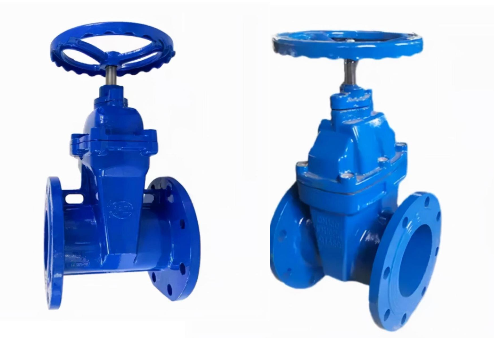
Internal thread globe valves are a critical component in fluid flow control systems across numerous industries, including chemical processing, oil and gas, power generation, and water treatment. Characterized by a disc-shaped closure element that moves perpendicular to the flow path within a globular body, these valves are primarily designed for throttling and regulating flow. Unlike gate valves, globe valves excel in providing tight shutoff capability and are frequently selected for applications where frequent operation is required. Their internal thread connection facilitates relatively straightforward installation and maintenance in piping systems with corresponding threaded connections. This guide provides a comprehensive technical overview, encompassing material science, manufacturing processes, performance characteristics, failure modes, and relevant industry standards for internal thread globe valves. Core performance centers around achieving precise flow control, minimizing pressure drop when fully open, and ensuring leak-tight sealing when closed, all while withstanding the corrosive or erosive properties of the conveyed fluid.
Material Science & Manufacturing
The body of an internal thread globe valve is commonly constructed from materials such as cast iron (ASTM A126 Class B), ductile iron (ASTM A536 65-45-12), carbon steel (ASTM A105), stainless steel (304/316 – ASTM A351), or alloy steels depending on the application's fluid compatibility and pressure/temperature requirements. The internal threads themselves are typically manufactured to ISO 7-1 standards, ensuring dimensional accuracy and interchangeability. Disc materials frequently utilize bronze (ASTM B584), stainless steel, or polymer coatings (PTFE, PEEK) to enhance corrosion resistance and sealing capabilities. Seat materials also follow this pattern, with PTFE being a prevalent choice for its low friction and chemical inertness. Manufacturing processes involve casting or forging the valve body, followed by machining to create the internal threads, flow passages, and seat surfaces. The disc is typically cast or machined and undergoes lapping to achieve a smooth, precise sealing surface. Critical parameters include dimensional tolerances of the threads (verified using thread gauges), surface roughness of the seating surfaces (measured via profilometry), and the hardness of the disc and seat materials (determined through Rockwell or Vickers hardness testing). Welding processes, if used for body fabrication, require stringent quality control per ASME Section IX, including non-destructive testing (NDT) such as radiography and ultrasonic testing, to ensure weld integrity. The choice of gasket material (e.g., graphite, PTFE) for bonnet seals is also crucial, influencing leakage rates and temperature resistance.
Performance & Engineering
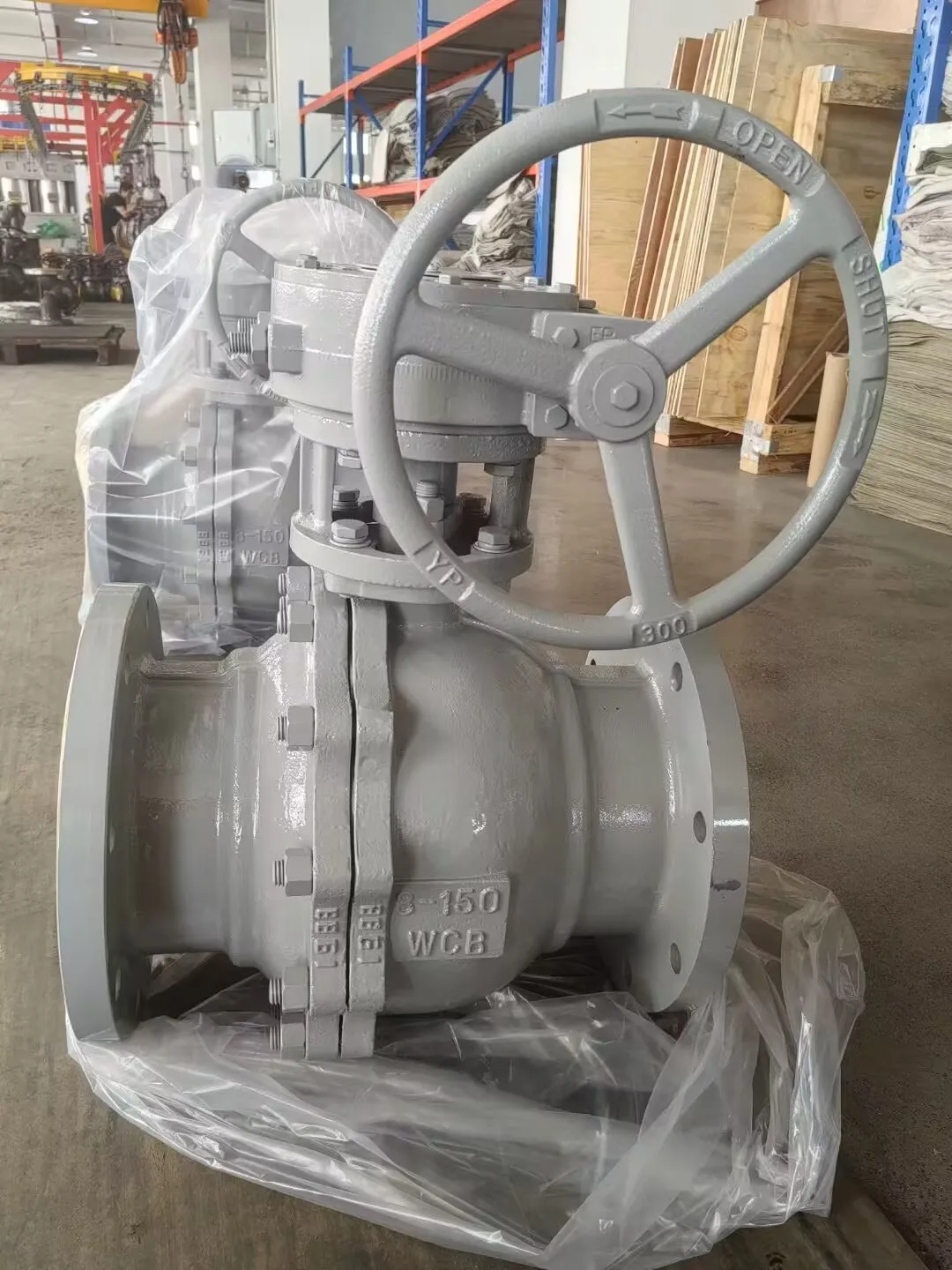
Performance of an internal thread globe valve is heavily influenced by fluid dynamics and mechanical stress. The valve’s coefficient of flow (Cv) dictates the flow rate capacity for a given pressure drop, and is determined through hydraulic testing according to standards like IEC 60534-4. Force analysis during operation considers the hydrostatic forces exerted by the fluid on the disc and stem, as well as the mechanical forces applied during manual or actuator operation. Stem design incorporates considerations to prevent stem blowout, utilizing features like threaded bonnets with packing glands or welded stem-to-disc connections. Environmental resistance is paramount. Valves exposed to corrosive fluids require materials with appropriate chemical compatibility, as defined by ASTM standards for specific alloys. Temperature extremes necessitate the selection of materials that maintain mechanical properties within the operating temperature range. Compliance requirements include pressure vessel directives (e.g., ASME Boiler and Pressure Vessel Code Section VIII Division 1), and safety standards like API 6D for quarter-turn valves (though globe valves are not quarter-turn, the safety principles are relevant). Functional implementation involves selecting the appropriate valve size, material, and actuation method (manual, pneumatic, electric) based on the specific application's process conditions and control requirements. Flow characteristics, exhibiting a non-linear relationship between valve opening and flow rate, are also essential in control system design.
Technical Specifications
| Parameter | Unit | Typical Value (Carbon Steel) | Typical Value (316 Stainless Steel) |
|---|---|---|---|
| Maximum Working Pressure | psi | 200 | 180 |
| Temperature Range | °F | -20 to 450 | -20 to 650 |
| Cv (1 inch valve, fully open) | gpm | 25 | 24 |
| Connection Type | - | NPT | NPT |
| Body Material | - | Carbon Steel (A105) | 316 Stainless Steel (A351) |
| Disc Material | - | Bronze (B584) | 316 Stainless Steel (A351) |
Failure Mode & Maintenance
Common failure modes for internal thread globe valves include seat erosion due to high-velocity flow or abrasive particles, disc corrosion or pitting from aggressive fluids, stem packing failure leading to leakage, and thread damage during installation or operation. Fatigue cracking can occur in the valve body or disc under cyclic loading conditions. Failure analysis often reveals root causes such as improper material selection, exceeding pressure/temperature limits, or inadequate maintenance. Cavitation, caused by pressure drop and fluid vaporization, can severely erode the disc and seat. Differential thermal expansion/contraction can lead to thread loosening or body distortion. Maintenance practices include regular inspection of the stem packing and replacement as needed, lubrication of the stem threads, and periodic testing for leakage. Seat replacement is often necessary after prolonged exposure to erosive fluids. Thread repair can involve re-tapping or thread sealant application. Preventive maintenance schedules, based on operating conditions and fluid characteristics, are critical. Non-destructive testing (NDT) such as visual inspection, liquid penetrant testing, and ultrasonic testing can identify early signs of corrosion, cracking, or material degradation. Proper storage of spare parts and a documented maintenance history contribute to improved valve reliability and longevity.
Industry FAQ
Q: What are the key differences between a globe valve and a gate valve in terms of application suitability?
A: Gate valves are primarily designed for on/off service with minimal pressure drop when fully open, making them suitable for isolating sections of a pipeline. Globe valves, however, are ideal for throttling and regulating flow due to their disc design, offering tighter shutoff but with a higher inherent pressure drop.
Q: How does the choice of seat material impact the performance and lifespan of a globe valve?
A: Seat material is crucial for sealing and resistance to erosion/corrosion. PTFE provides excellent sealing and chemical inertness but has temperature limitations. Metal seats offer higher temperature resistance but may require tighter surface finishes for leak-tight sealing. The fluid's properties dictate the optimal seat material.
Q: What are the potential consequences of cavitation within a globe valve, and how can it be mitigated?
A: Cavitation causes severe erosion of the disc and seat, leading to premature failure. Mitigation strategies include increasing the downstream pressure, reducing the flow velocity, or modifying the valve design to minimize pressure drop. Proper valve sizing is also critical.
Q: What are the best practices for ensuring a leak-tight seal on the internal threads of a globe valve?
A: Proper thread preparation, utilizing appropriate thread sealant (e.g., PTFE tape or pipe dope), and applying the correct torque during installation are essential. Avoid cross-threading, and ensure the threads are clean and free of debris before assembly.
Q: How can I determine the appropriate valve size (Cv) for my specific application?
A: Calculate the required flow rate and pressure drop for your system. Then, use the valve manufacturer’s Cv data, or utilize sizing charts and equations based on fluid properties and process conditions to select a valve with an appropriate Cv value. Undersizing can lead to excessive pressure drop, while oversizing can cause instability.
Conclusion
Internal thread globe valves remain a vital component in fluid control systems, offering reliable throttling and shutoff capabilities. The selection of appropriate materials, adherence to stringent manufacturing processes, and meticulous maintenance are paramount to ensuring long-term performance and mitigating potential failure modes. Understanding the interplay between fluid dynamics, mechanical stresses, and environmental factors is crucial for optimizing valve performance and maximizing its service life.
Future developments in globe valve technology may focus on improved sealing materials, optimized flow paths to reduce cavitation, and the integration of smart sensors for real-time performance monitoring. Furthermore, advancements in valve actuation systems will contribute to enhanced control precision and automation capabilities. Continued adherence to evolving industry standards and best practices is essential for maintaining the reliability and safety of these critical components.
-
Top Reasons to Choose a Stainless Steel Flange Check Valve for Industrial Applications
-
8 inch flange Performance Analysis
-
angle ring flanges Performance Analysis
-
Flat Flanges Performance Analysis
-
Full Face Flange Performance Analysis
-
Full Face Flanges Performance Analysis
-
flange 8 inch Performance Analysis
-
Ring Flange Performance Analysis
-
3 inch split flange Performance Analysis
-
Tongue and groove flange Performance Analysis
-
Grooved Flange Performance Analysis
-
o ring flange Performance Analysis
-
Ring Flanges Performance Analysis
-
Groove Flange Performance Analysis
-
Tongue and groove flanges Performance Analysis
 Afrikaans
 Albanian
 Amharic
 Arabic
 Armenian
 Azerbaijani
 Basque
 Belarusian
 Bengali
 Bosnian
 Bulgarian
 Catalan
 Cebuano
 Corsican
 Croatian
 Czech
Czech
 Danish
 Dutch
Dutch
 Esperanto
 Estonian
 Finnish
 French
 Frisian
 Galician
 Georgian
 German
 Greek
Greek
 Gujarati
 Haitian Creole
 Hausa
Hawaiian
Hausa
Hawaiian
 Hebrew
 Hindi
Hindi
 Miao
Miao
 Hungarian
 Icelandic
 Igbo
Igbo
 Indonesian
 Irish
Irish
 Italian
 Japanese
 Javanese
Kannada
Javanese
Kannada
 Kazakh
 Khmer
Khmer
 Rwandese
 Korean
 Kurdish
 Kyrgyz
 Lao
Lao
 Latin
Latin
 Latvian
 Lithuanian
 Luxembourgish
 Macedonian
 Malgashi
 Malay
Malay
 Malayalam
 Maltese
 Maori
Maori
 Marathi
 Mongolian
 Myanmar
 Nepali
 Norwegian
 Norwegian
 Occitan
 Pashto
 Persian
 Polish
 Portuguese
Punjabi
Portuguese
Punjabi
 Romanian
 Russian
 Samoan
 Scottish Gaelic
 Serbian
 Sesotho
 Shona
Shona
 Sindhi
 Sinhala
 Slovak
 Slovenian
 Somali
 Spanish
 Sundanese
 Swahili
 Swedish
Tagalog
Swedish
Tagalog
 Tajik
Tajik
 Tamil
Tamil
 Tatar
Tatar
 Telugu
 Thai
Thai
 Turkish
 Turkmen
 Ukrainian
 Urdu
Urdu
 Uighur
 Uzbek
Uzbek
 Vietnamese
 Welsh
Welsh
 Bantu
Bantu
 Yiddish
 Yoruba
 Zulu
Zulu
 English