




knife gate valve Material Science Manufacturing
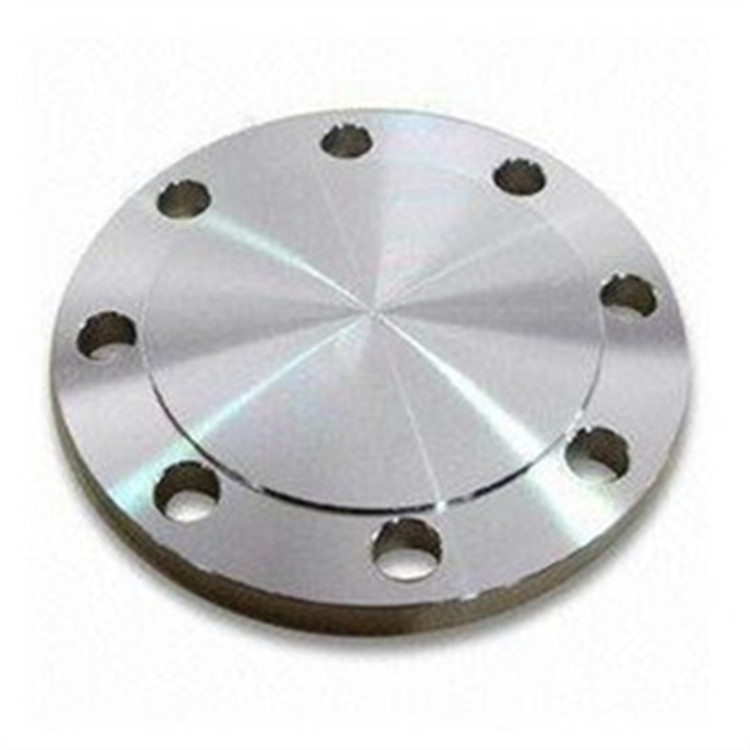
Introduction
Knife gate valves are a critical component in industrial fluid handling systems, distinguished by their robust design and capability to effectively isolate media flow. Positioned within the flow control industry, they are primarily utilized in applications requiring on/off service, particularly with media containing solids, slurries, or fibrous materials. Unlike ball or gate valves, the knife gate valve employs a sharp-edged gate that shears through these challenging media. Core performance characteristics include tight shut-off capability, minimal pressure drop in the fully open position, and durability in harsh operating environments. A significant pain point in many industries is the need for reliable isolation in abrasive fluid systems, and knife gate valves address this through specialized gate and seat materials, and designs minimizing erosion and wear. Selection criteria center around media compatibility, pressure and temperature ratings, and the need for bidirectional tight shut-off.
Material Science & Manufacturing
The construction of a knife gate valve relies heavily on material science to ensure both structural integrity and chemical compatibility. Valve bodies are commonly manufactured from cast iron (ASTM A126 Grade B), ductile iron (ASTM A536 65-45-12), stainless steel (304/316 – ASTM A351 Grade CF8/CF8M), or alloy steels (ASTM A216 WCB). The gate itself is typically constructed from stainless steel (304, 316, or hardened grades like 410), often with a hardened edge to enhance shearing capabilities. Seat materials range from elastomeric compounds like EPDM, Buna-N, and Viton (chosen for their chemical resistance and sealing properties) to PTFE (Teflon) for applications requiring near-zero leakage.
Manufacturing processes vary depending on the body material. Cast iron and ductile iron bodies are produced via sand casting, followed by machining to precise dimensions. Stainless steel and alloy steel bodies are often produced using investment casting or forging, offering greater strength and dimensional accuracy. The gate is typically CNC machined from bar stock, ensuring a precise knife edge geometry. Seat installation involves compression fitting or bonding, requiring stringent quality control to prevent leakage. Welding procedures (AWS D1.1 for steel) must be meticulously controlled to maintain the structural integrity of the valve body, particularly in high-pressure applications. Key parameters monitored during manufacturing include gate flatness, seat concentricity, and surface finish (Ra values) to minimize friction and ensure a reliable seal. Post-manufacturing, valves undergo hydrostatic testing (API 598) to verify pressure containment and leak tightness.
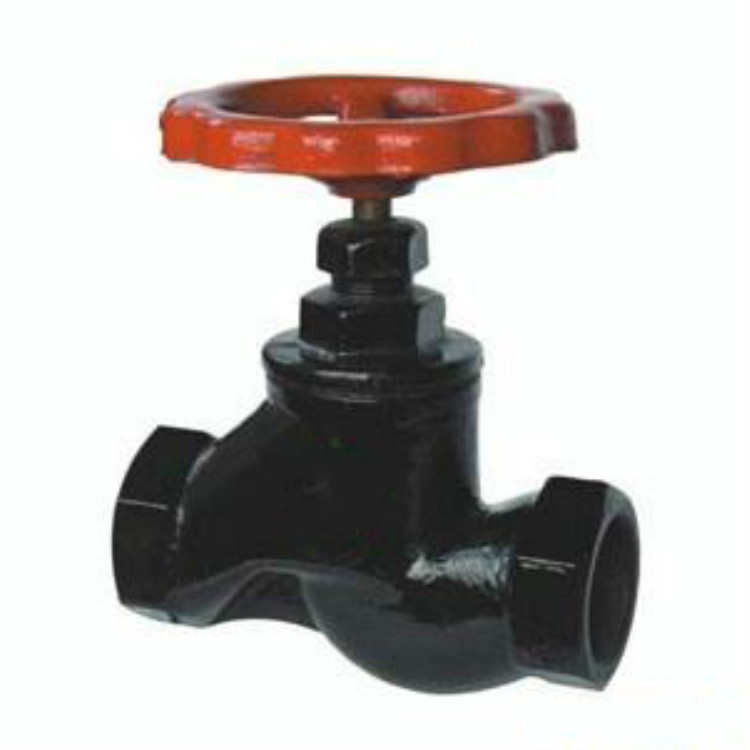
Performance & Engineering
The performance of a knife gate valve is dictated by several engineering considerations. Force analysis focuses on the stem-to-gate connection, which experiences significant shear forces during operation. Stem designs incorporating robust locking mechanisms are crucial to prevent gate lift or separation under pressure. Environmental resistance is paramount, particularly in corrosive environments. Material selection directly impacts corrosion rates; stainless steel alloys provide superior resistance to chloride-induced pitting corrosion compared to carbon steel. Coating systems, such as epoxy or PTFE linings, further enhance corrosion protection.
Compliance requirements dictate design and testing standards. For potable water applications, valves must meet NSF/ANSI 61 standards to ensure they do not leach harmful contaminants into the water supply. For use in hazardous locations, valves must comply with ATEX or IECEx directives regarding explosion protection. Functional implementation relies on achieving a tight shut-off while minimizing pressure drop. The knife gate design inherently creates some turbulence, but optimized flow passages and streamlined gate profiles can reduce this effect. Bidirectional shut-off capability is achieved through resilient seat designs that conform to the gate on both sides. Fatigue analysis is also critical, especially for valves subjected to frequent cycling, to predict component life and prevent catastrophic failure.
Technical Specifications
| Parameter | Unit | Typical Value (Carbon Steel) | Typical Value (316 SS) |
|---|---|---|---|
| Maximum Operating Pressure | PSI | 250 | 200 |
| Maximum Operating Temperature | °F | 200 | 300 |
| Gate Material | - | Carbon Steel (Hardened) | 316 Stainless Steel (Hardened) |
| Body Material | - | Cast Iron | 316 Stainless Steel |
| Seat Material | - | EPDM | PTFE |
| Connection Type | - | Wafer, Flanged, Lug | Wafer, Flanged, Lug |
Failure Mode & Maintenance
Knife gate valves, while robust, are susceptible to several failure modes. Gate erosion is a common issue when handling abrasive slurries, leading to reduced sealing performance and eventual leakage. This manifests as wear on the knife edge, necessitating gate replacement. Seat degradation occurs due to chemical attack or physical wear, resulting in a loss of tightness. Elastomeric seats can swell or crack with prolonged exposure to incompatible fluids. Corrosion, particularly in carbon steel bodies, can lead to pitting and eventual valve body failure. Another critical failure point is stem damage – bending or shearing of the stem due to excessive force or misalignment. Fatigue cracking can occur in the valve body or stem due to cyclic loading.
Preventative maintenance is crucial. Regular inspection of the gate edge and seat for wear is essential. Lubrication of the stem threads prevents seizing and ensures smooth operation. Periodic testing of valve tightness should be performed to identify leakage issues. For valves operating in corrosive environments, protective coatings should be inspected and reapplied as needed. In the event of seat failure, replacement with a compatible material is required. If gate erosion is significant, a gate replacement is necessary. Proper alignment during installation is critical to prevent undue stress on the stem and seat. Routine visual inspections for signs of corrosion or cracking are also recommended. A well-documented maintenance schedule extending the service life of the valve and maintaining optimal process efficiency.
Industry FAQ
Q: What is the primary advantage of a knife gate valve over a ball valve in slurry applications?
A: Knife gate valves are specifically designed to handle slurries and media containing solids without clogging or damage. The knife gate shears through the solids, whereas ball valves can become obstructed, leading to operational issues and potential valve failure. Ball valves are also more prone to abrasive wear from solid particles.
Q: How do I select the correct seat material for a corrosive fluid?
A: Seat material selection hinges on chemical compatibility. Consult a chemical resistance chart to determine which elastomer (EPDM, Buna-N, Viton) or PTFE offers the best resistance to the specific fluid. Consider temperature and pressure as these can influence chemical compatibility. A materials engineer should be consulted for highly aggressive chemicals.
Q: What are the key considerations when specifying a knife gate valve for high-temperature service?
A: High-temperature applications require careful consideration of material selection. Stainless steel alloys (316SS) are generally preferred for their temperature resistance. Seat materials must also be compatible with the elevated temperature. Bolt materials need to maintain their strength at operating temperatures. Thermal expansion must be accounted for in the valve design to avoid binding or leakage.
Q: How does the valve body material affect pressure rating?
A: Valve body material directly influences the pressure rating. Ductile iron and alloy steel offer higher pressure capabilities compared to cast iron. Stainless steel is generally used for applications needing corrosion resistance over maximal pressure. The wall thickness and design of the valve body also contribute to the overall pressure rating, and should be calculated based on applicable standards.
Q: What is the importance of proper valve actuation in minimizing failure rates?
A: Proper actuation ensures smooth and controlled valve operation, reducing stress on the gate and stem. Incorrectly sized or improperly maintained actuators can lead to excessive force, stem bending, or gate damage. Regular actuator maintenance, including lubrication and adjustment, is crucial for reliable performance and prolonged valve life.
Conclusion
Knife gate valves represent a vital solution for isolating and controlling the flow of challenging fluids, particularly those containing solids. Their robust design, coupled with appropriate material selection and adherence to industry standards, provides a reliable and durable performance. Understanding the critical failure modes and implementing a proactive maintenance program are essential to maximize valve lifespan and prevent process disruptions.
Future developments in knife gate valve technology will likely focus on advanced materials offering enhanced corrosion resistance and erosion protection. Smart valve technologies integrating sensors and diagnostics will provide real-time monitoring of valve performance, enabling predictive maintenance and minimizing downtime. Optimized gate designs aimed at reducing pressure drop and improving sealing efficiency will also be a key area of innovation.
-
Top Reasons to Choose a Stainless Steel Flange Check Valve for Industrial Applications
-
8 inch flange Performance Analysis
-
angle ring flanges Performance Analysis
-
Flat Flanges Performance Analysis
-
Full Face Flange Performance Analysis
-
Full Face Flanges Performance Analysis
-
flange 8 inch Performance Analysis
-
Ring Flange Performance Analysis
-
3 inch split flange Performance Analysis
-
Tongue and groove flange Performance Analysis
-
Grooved Flange Performance Analysis
-
o ring flange Performance Analysis
-
Ring Flanges Performance Analysis
-
Groove Flange Performance Analysis
-
Tongue and groove flanges Performance Analysis
 Afrikaans
 Albanian
 Amharic
 Arabic
 Armenian
 Azerbaijani
 Basque
 Belarusian
 Bengali
 Bosnian
 Bulgarian
 Catalan
 Cebuano
 Corsican
 Croatian
 Czech
Czech
 Danish
 Dutch
Dutch
 Esperanto
 Estonian
 Finnish
 French
 Frisian
 Galician
 Georgian
 German
 Greek
Greek
 Gujarati
 Haitian Creole
 Hausa
Hawaiian
Hausa
Hawaiian
 Hebrew
 Hindi
Hindi
 Miao
Miao
 Hungarian
 Icelandic
 Igbo
Igbo
 Indonesian
 Irish
Irish
 Italian
 Japanese
 Javanese
Kannada
Javanese
Kannada
 Kazakh
 Khmer
Khmer
 Rwandese
 Korean
 Kurdish
 Kyrgyz
 Lao
Lao
 Latin
Latin
 Latvian
 Lithuanian
 Luxembourgish
 Macedonian
 Malgashi
 Malay
Malay
 Malayalam
 Maltese
 Maori
Maori
 Marathi
 Mongolian
 Myanmar
 Nepali
 Norwegian
 Norwegian
 Occitan
 Pashto
 Persian
 Polish
 Portuguese
Punjabi
Portuguese
Punjabi
 Romanian
 Russian
 Samoan
 Scottish Gaelic
 Serbian
 Sesotho
 Shona
Shona
 Sindhi
 Sinhala
 Slovak
 Slovenian
 Somali
 Spanish
 Sundanese
 Swahili
 Swedish
Tagalog
Swedish
Tagalog
 Tajik
Tajik
 Tamil
Tamil
 Tatar
Tatar
 Telugu
 Thai
Thai
 Turkish
 Turkmen
 Ukrainian
 Urdu
Urdu
 Uighur
 Uzbek
Uzbek
 Vietnamese
 Welsh
Welsh
 Bantu
Bantu
 Yiddish
 Yoruba
 Zulu
Zulu
 English