




Needle Valve Performance Analysis
Introduction
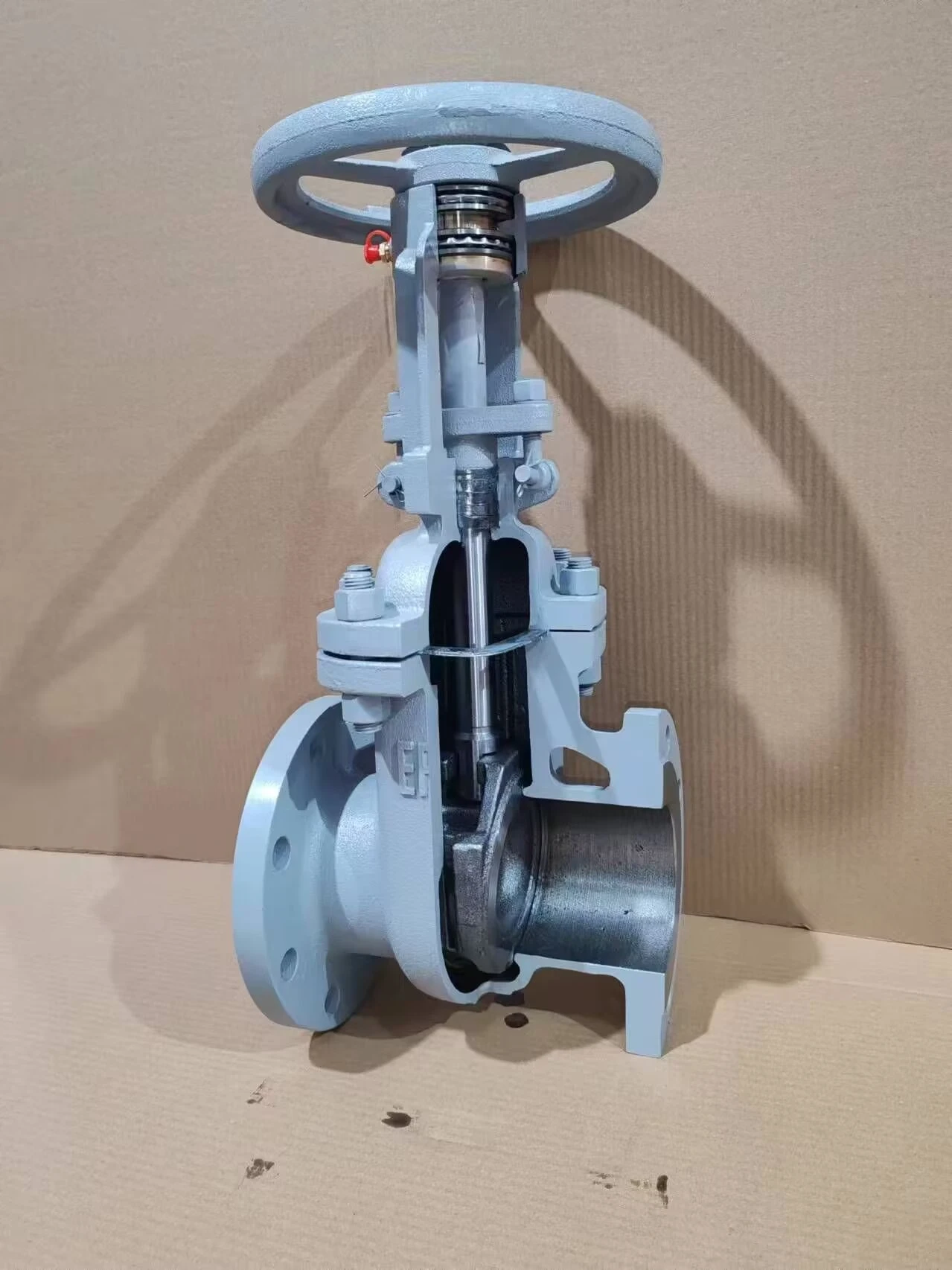
Needle valves are precision flow control devices characterized by a slender, tapered needle that modulates flow through a precisely sized orifice. Positioned within the fluid control industry, they serve as a critical component in systems requiring accurate and repeatable low-flow regulation. Unlike ball valves offering quick on/off functionality, or gate valves designed for minimal flow restriction when fully open, needle valves prioritize granular control. They are frequently employed in applications demanding fine adjustments, such as calibration, metering, and pressure control in process instrumentation, chemical injection, and hydraulic systems. Core performance characteristics center around their Cv (flow coefficient) value, shut-off capability (bubble-tight sealing), and resistance to the specific fluid media. A primary industry pain point revolves around selecting appropriate materials for compatibility with aggressive chemicals and high-pressure environments, and maintaining consistently precise flow regulation over the valve's operational lifespan. Furthermore, proper installation and periodic maintenance are crucial to prevent internal erosion or blockage, impacting accuracy and longevity.
Material Science & Manufacturing
The construction of needle valves fundamentally relies on material properties providing corrosion resistance, high strength, and dimensional stability. Common body materials include 316/304 stainless steel, brass (C36000), and various alloys like Monel and Hastelloy, selected based on fluid compatibility. The needle and seat, critical components for sealing, are often manufactured from materials exhibiting high hardness and wear resistance, such as PTFE (Teflon), PEEK, or hardened stainless steel. Manufacturing processes vary depending on complexity and production volume. Barstock machining is prevalent for low-volume, high-precision valves, starting with solid material and utilizing CNC lathes and milling machines to achieve tight tolerances. For higher volumes, investment casting or forging followed by precision machining is employed. A crucial parameter is surface finish (Ra value) on the needle and seat; smoother surfaces minimize friction and enhance sealing. Threading, typically NPT or BSPT, requires meticulous control to prevent galling and ensure leak-free connections. Post-machining, valves undergo rigorous testing – including hydrostatic pressure testing, leak testing (bubble test or helium leak detection), and flow testing to verify Cv values. Heat treatment processes, such as annealing or hardening, are applied to specific components to optimize mechanical properties and stress relief. Material traceability is paramount, particularly in industries subject to strict regulatory compliance, demanding comprehensive documentation of material certifications and manufacturing processes.
Performance & Engineering
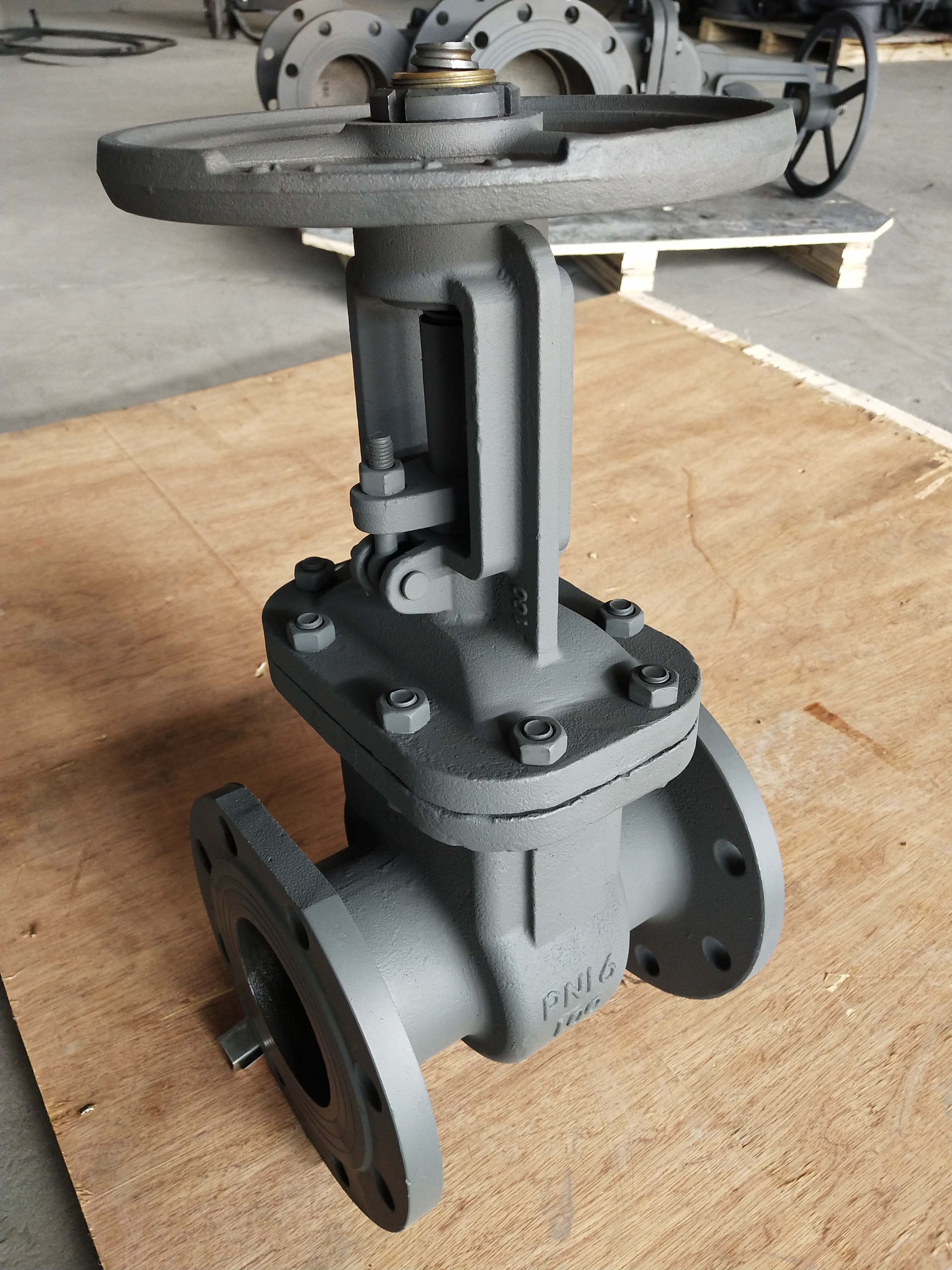
Needle valve performance is heavily governed by fluid dynamics and mechanical engineering principles. Force analysis focuses on the stem’s resistance to bending under flow pressure, requiring appropriate stem diameter and support. Environmental resistance dictates material selection to withstand temperature variations, chemical attack, and potential for erosion. Compliance requirements depend on the application; for instance, valves used in sanitary processes must meet 3-A Sanitary Standards or FDA guidelines, mandating smooth surfaces and crevice-free designs. The Cv value, a critical performance parameter, is determined by the orifice diameter and flow path geometry. Bernoulli’s principle governs the relationship between pressure drop and flow rate; as the needle is closed, the orifice area decreases, increasing flow velocity and pressure drop. Understanding the fluid’s viscosity and density is crucial for accurate flow control. For viscous fluids, the Reynolds number (Re) dictates whether flow is laminar or turbulent, influencing the valve's linearity and responsiveness. Hydraulic calculations determine the torque required to operate the valve, influencing handle design or actuator selection. Finite Element Analysis (FEA) is increasingly used to optimize valve geometry, minimize stress concentrations, and predict fatigue life under cyclical loading. Selecting the appropriate packing material (PTFE, graphite, etc.) is critical for maintaining a tight seal at elevated pressures and temperatures, preventing leakage and ensuring process safety.
Technical Specifications
| Parameter | Unit | Typical Range | Material Options |
|---|---|---|---|
| Maximum Pressure | psi | Up to 10,000 | 316 SS, Brass, Alloy Steel |
| Temperature Range | °F | -60 to 450 | PTFE, PEEK, Viton |
| Cv Value | (gpm/psi)1/2 | 0.01 – 1.0 | Varies with orifice size |
| Connection Type | - | NPT, BSPT, SAE | Various |
| Orifice Size | inches | #1 – #16 | Precise machining required |
| Leak Rate | sccm | < 0.1 | Bubble-tight sealing |
Failure Mode & Maintenance
Needle valve failure typically stems from several mechanisms. Erosion, particularly with abrasive fluids or particles, gradually enlarges the orifice, altering the Cv value and reducing flow control precision. Cavitation, induced by rapid pressure drops, can cause pitting and erosion on the needle and seat. Fatigue cracking can occur in the stem due to cyclical loading, especially with frequent actuation. Delamination of PTFE seats can lead to leakage, often exacerbated by high temperatures or aggressive chemicals. Oxidation of metallic components, particularly in corrosive environments, weakens the material and contributes to failure. Blockage by debris or sediment restricts flow and impairs valve operation. Maintenance involves periodic inspection of the needle and seat for wear, erosion, or damage. Regular lubrication of the stem threads prevents binding and ensures smooth operation. Backflushing the valve removes accumulated debris. Replacing the packing gland ensures a leak-free seal. For critical applications, scheduled preventative maintenance – including complete valve disassembly, cleaning, and component replacement – is essential. Failure analysis, including microscopic examination of failed components, helps identify the root cause of failure and prevent recurrence. Proper storage of valves, protected from moisture and contaminants, is also crucial for maintaining their integrity and prolonging their service life.
Industry FAQ
Q: What material selection considerations are most crucial for a needle valve handling concentrated sulfuric acid?
A: Concentrated sulfuric acid is highly corrosive. 316 Stainless Steel provides some resistance, but for prolonged exposure, alloys like Hastelloy C-276 or Monel 400 are significantly more suitable. The seat material must be PTFE, but virgin PTFE is preferable to recycled PTFE due to its higher chemical resistance. Ensure all wetted parts are constructed from these corrosion-resistant materials to prevent rapid degradation and maintain valve integrity.
Q: How does the orifice size impact the linearity of flow control in a needle valve?
A: Smaller orifice sizes generally provide more precise, but less linear, flow control. This is due to increased sensitivity to fluid viscosity and the influence of viscous forces. Larger orifices offer better linearity, but at the expense of resolution. Selecting the appropriate orifice size involves a trade-off between precision and linearity based on the specific application requirements.
Q: What are the typical methods for verifying the Cv value of a needle valve after installation?
A: The most accurate method involves direct flow measurement using a calibrated flow meter. By measuring the flow rate at a known pressure drop, the Cv value can be calculated using the standard formula: Cv = Flow Rate / √(Pressure Drop). Alternatively, a pressure test with a known orifice can be used, but this method is less precise.
Q: What preventative measures can minimize erosion in a needle valve used with abrasive slurries?
A: Using a hardened alloy for the needle and seat – such as Stellite or Tungsten Carbide – significantly improves erosion resistance. Incorporating a strainer upstream of the valve to remove larger particles prevents premature wear. Reducing flow velocity minimizes the impact force of abrasive particles. Regular inspection and replacement of worn components are also crucial.
Q: What is the significance of the hysteresis error in a needle valve, and how can it be minimized?
A: Hysteresis error refers to the difference in flow rate for the same stem position when approached from increasing or decreasing flow directions. It’s caused by friction and stiction within the valve. Minimizing hysteresis involves using a low-friction stem seal, ensuring smooth surface finishes on the needle and seat, and utilizing a valve actuator with precise positioning control. Regular lubrication also reduces friction and improves repeatability.
Conclusion
Needle valves represent a cornerstone of precise fluid control, offering granular regulation unmatched by simpler valve types. Their performance is intrinsically linked to material science, manufacturing precision, and a deep understanding of fluid dynamics. Selecting the correct materials, maintaining tight tolerances during production, and implementing proactive maintenance strategies are paramount for ensuring reliable operation and longevity.
Looking forward, advancements in valve actuator technology, particularly the integration of smart sensors and feedback control systems, will further enhance needle valve precision and automation capabilities. Research into novel materials with improved erosion and corrosion resistance will address challenges in demanding applications. Continued refinement of manufacturing processes, leveraging techniques like micro-machining and additive manufacturing, will enable the creation of even more sophisticated and customized needle valve solutions.
-
Top Reasons to Choose a Stainless Steel Flange Check Valve for Industrial Applications
-
8 inch flange Performance Analysis
-
angle ring flanges Performance Analysis
-
Flat Flanges Performance Analysis
-
Full Face Flange Performance Analysis
-
Full Face Flanges Performance Analysis
-
flange 8 inch Performance Analysis
-
Ring Flange Performance Analysis
-
3 inch split flange Performance Analysis
-
Tongue and groove flange Performance Analysis
-
Grooved Flange Performance Analysis
-
o ring flange Performance Analysis
-
Ring Flanges Performance Analysis
-
Groove Flange Performance Analysis
-
Tongue and groove flanges Performance Analysis
 Afrikaans
 Albanian
 Amharic
 Arabic
 Armenian
 Azerbaijani
 Basque
 Belarusian
 Bengali
 Bosnian
 Bulgarian
 Catalan
 Cebuano
 Corsican
 Croatian
 Czech
Czech
 Danish
 Dutch
Dutch
 Esperanto
 Estonian
 Finnish
 French
 Frisian
 Galician
 Georgian
 German
 Greek
Greek
 Gujarati
 Haitian Creole
 Hausa
Hawaiian
Hausa
Hawaiian
 Hebrew
 Hindi
Hindi
 Miao
Miao
 Hungarian
 Icelandic
 Igbo
Igbo
 Indonesian
 Irish
Irish
 Italian
 Japanese
 Javanese
Kannada
Javanese
Kannada
 Kazakh
 Khmer
Khmer
 Rwandese
 Korean
 Kurdish
 Kyrgyz
 Lao
Lao
 Latin
Latin
 Latvian
 Lithuanian
 Luxembourgish
 Macedonian
 Malgashi
 Malay
Malay
 Malayalam
 Maltese
 Maori
Maori
 Marathi
 Mongolian
 Myanmar
 Nepali
 Norwegian
 Norwegian
 Occitan
 Pashto
 Persian
 Polish
 Portuguese
Punjabi
Portuguese
Punjabi
 Romanian
 Russian
 Samoan
 Scottish Gaelic
 Serbian
 Sesotho
 Shona
Shona
 Sindhi
 Sinhala
 Slovak
 Slovenian
 Somali
 Spanish
 Sundanese
 Swahili
 Swedish
Tagalog
Swedish
Tagalog
 Tajik
Tajik
 Tamil
Tamil
 Tatar
Tatar
 Telugu
 Thai
Thai
 Turkish
 Turkmen
 Ukrainian
 Urdu
Urdu
 Uighur
 Uzbek
Uzbek
 Vietnamese
 Welsh
Welsh
 Bantu
Bantu
 Yiddish
 Yoruba
 Zulu
Zulu
 English