




resilient gate valve Performance Analysis
Introduction
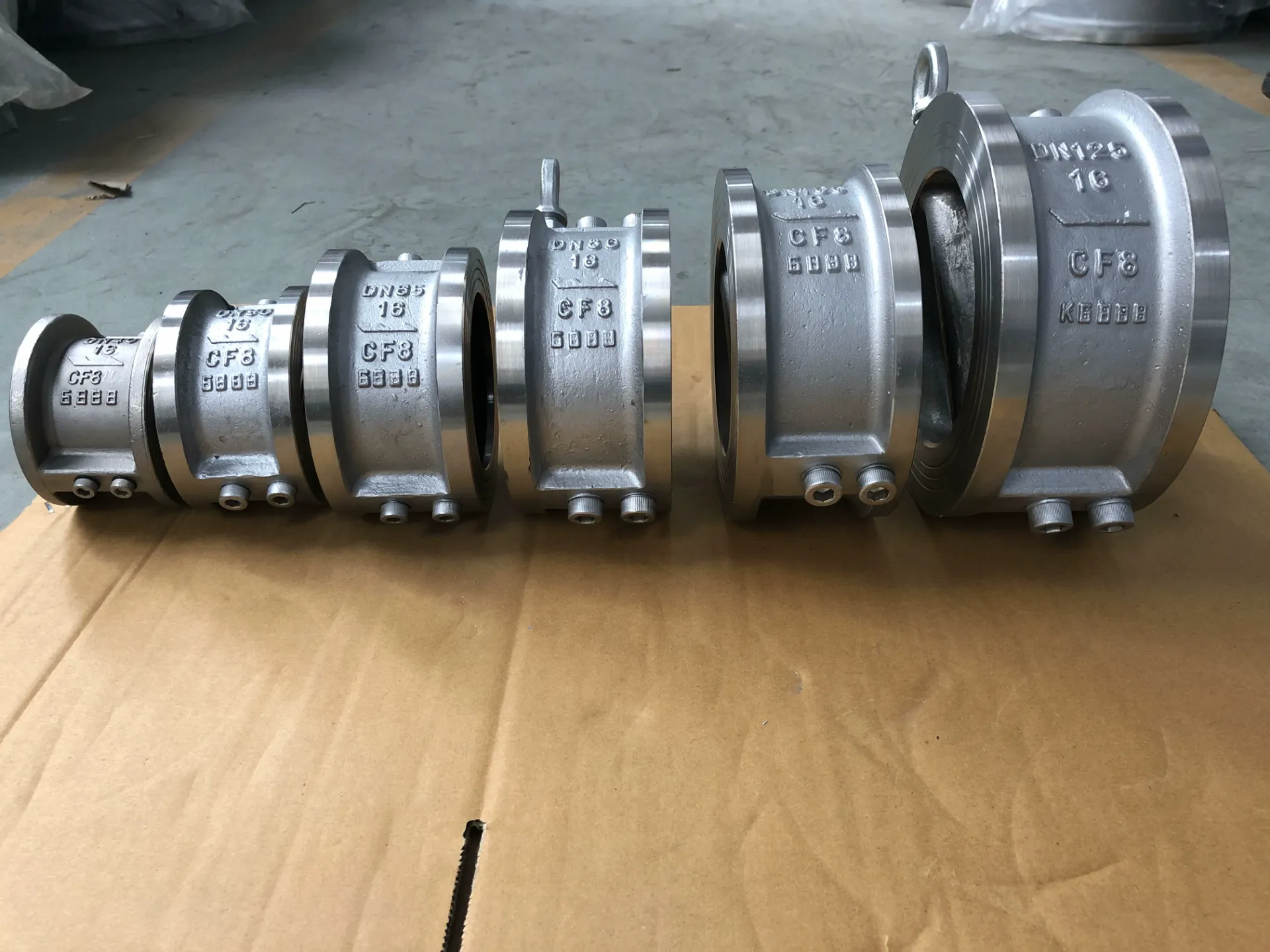
Resilient seated gate valves (RSGVs) are a critical component in fluid handling systems across numerous industries, including water and wastewater treatment, oil and gas, chemical processing, and district heating/cooling. Positioned downstream of control valves or as isolation valves, they offer reliable on/off service with minimal pressure drop when fully open. Unlike traditional metal-seated gate valves, RSGVs utilize an elastomeric seat – typically EPDM, NBR, or SBR – pressed into a metal valve body to achieve a leak-tight seal. This design minimizes wear on the gate and seat, allowing for frequent operation and prolonged service life. The core performance characteristics of RSGVs revolve around their bidirectional tight shutoff capability, low head loss, and suitability for a broad range of fluid media, though limitations exist concerning abrasive slurries and high-temperature applications. The industry faces ongoing challenges related to elastomer degradation, particularly in demanding chemical environments and under prolonged UV exposure, necessitating careful material selection and preventative maintenance procedures.
Material Science & Manufacturing
The construction of a resilient gate valve relies on a synergy of materials and precision manufacturing processes. Valve bodies are commonly cast from ductile iron (ASTM A536-89) due to its high tensile strength, ductility, and corrosion resistance. Alternatively, stainless steel (304/316) is employed for aggressive media or high-purity applications. The gate itself is typically manufactured from either ductile iron, bronze, or stainless steel, often coated with epoxy or PTFE to reduce friction and enhance corrosion resistance. However, the critical component defining an RSGV is the resilient seat. EPDM (ethylene propylene diene monomer) provides excellent resistance to water, steam, and many chemicals, making it the workhorse elastomer for water and wastewater applications. NBR (nitrile butadiene rubber) exhibits superior resistance to oils and fuels, suitable for hydrocarbon processing. SBR (styrene-butadiene rubber) offers a cost-effective option for general-purpose applications. Manufacturing processes begin with sand casting or investment casting for the valve body. The gate is typically machined from bar stock. Seat vulcanization involves bonding the elastomer directly to the metal ring under heat and pressure, ensuring a durable and leak-proof interface. Key parameter control during manufacturing includes dimensional accuracy of the seat recess, proper elastomer curing time and temperature, gate surface finish (Ra < 0.8µm), and precise alignment of the gate and seat to prevent premature wear. Improper curing can lead to seat hardening or cracking, while misalignment compromises sealing integrity.
Performance & Engineering
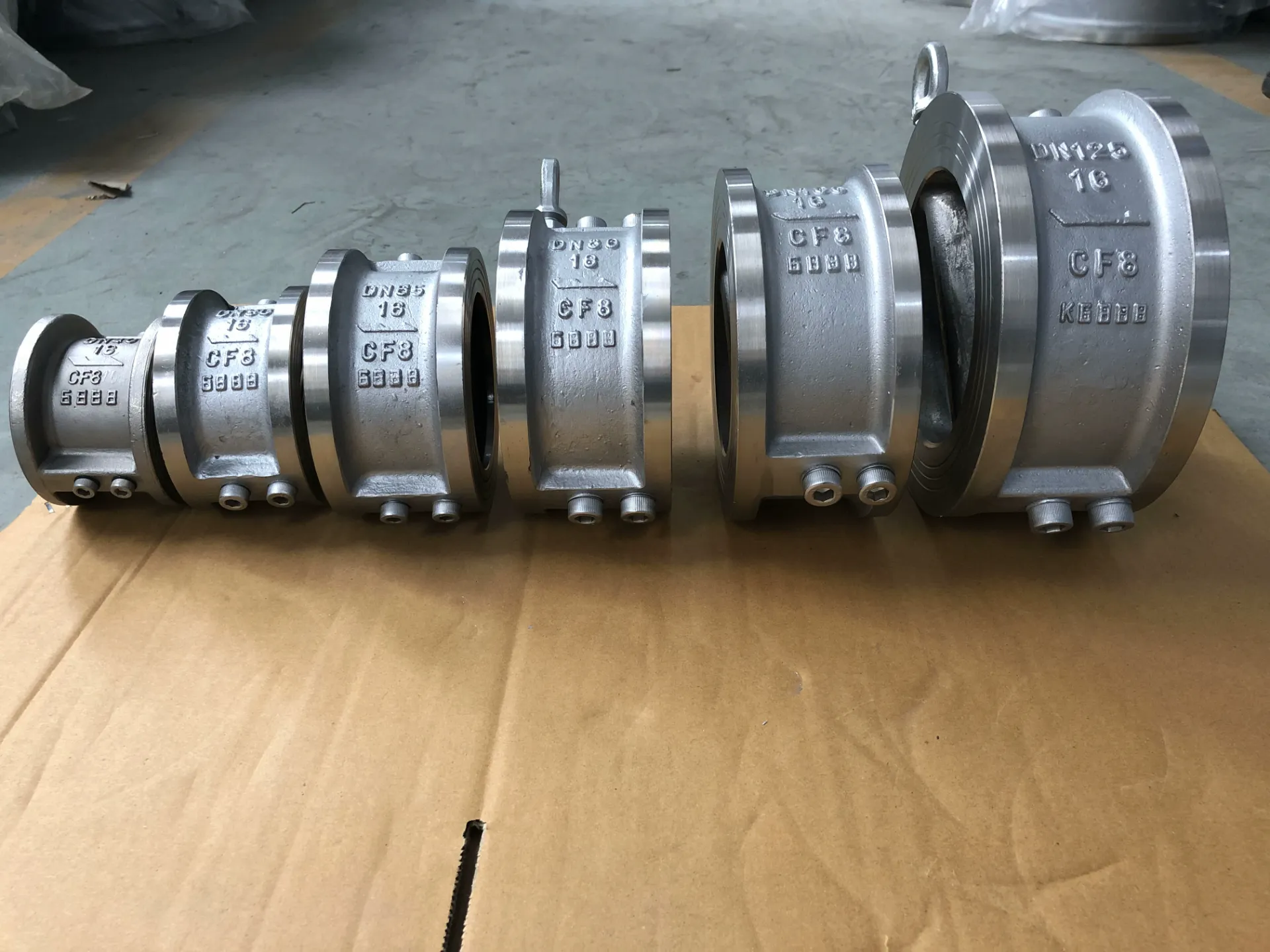
Resilient gate valve performance is governed by fluid dynamics, material stress analysis, and adherence to industry standards. Force analysis focuses on the stem-to-gate connection, calculating bending moments and shear stresses under full pressure differential. The stem’s material (typically stainless steel) and thread design are critical to withstand these forces. Environmental resistance is a paramount concern. Elastomer degradation due to UV exposure, ozone attack, and chemical incompatibility reduces sealing efficiency. Protective coatings and careful material selection are vital. Compliance requirements vary by region and application. AWWA C504 (American Water Works Association) and EN 1074-1/2 (European Standard) specify design, materials, and testing procedures for waterworks gate valves. Pressure-temperature ratings are defined according to ASME B16.34. The valve’s coefficient of flow (Cv) determines the pressure drop across the valve at a given flow rate. Minimizing pressure drop requires a streamlined flow path and smooth gate surface. Furthermore, gate valve actuation – manual, pneumatic, or electric – influences operational reliability. Pneumatic actuators are preferred for remote operation and quick response times, while electric actuators offer precise control and monitoring capabilities. Understanding the fluid’s corrosivity, temperature, and particulate content is essential for selecting compatible materials and ensuring long-term performance.
Technical Specifications
| Parameter | Metric/Unit | Typical Value (Ductile Iron Body, EPDM Seat) | Standard Compliance |
|---|---|---|---|
| Maximum Operating Pressure | PSI | 250 | ASME B16.34, AWWA C504 |
| Operating Temperature Range | °F | -20 to 230 | ASTM D2000 (EPDM) |
| Valve Size Range | Inches | 2 – 48 | AWWA C504 |
| Connection Type | - | Flanged (ANSI B16.1), Wafer, Lug | ANSI B16.1 |
| Seat Leakage (Class VI) | mL/min | 0.1 | FCI 70-2 |
| Gate Material | - | Ductile Iron (ASTM A536-89), Bronze, Stainless Steel | ASTM A536-89 |
Failure Mode & Maintenance
Resilient gate valves are susceptible to several failure modes. Elastomer degradation is a common issue, manifesting as cracking, hardening, or swelling due to chemical attack, UV exposure, or temperature extremes. This leads to leakage and reduced sealing performance. Gate sticking occurs due to corrosion products, debris accumulation, or improper lubrication, hindering valve operation. Erosion of the gate or seat due to abrasive particles in the fluid causes gradual wear and leakage. Stem corrosion or thread damage prevents smooth opening and closing. Fatigue cracking of the valve body can result from cyclic pressure loads and vibration. Preventative maintenance involves regular inspection of the elastomer seat for signs of degradation, lubrication of the stem and gate, and removal of debris from the valve body. Elastomer replacement is necessary when degradation exceeds acceptable limits. Periodic testing of the valve’s sealing performance ensures leak-tight shutoff. In cases of severe corrosion, valve body replacement may be required. Implementing a robust preventative maintenance program extending valve lifespan and minimizing unplanned downtime. Detailed records of maintenance activities and failure analyses provide valuable insights for optimizing valve selection and maintenance procedures. Consideration should also be given to implementing a cathodic protection system for buried valve installations to mitigate corrosion risks.
Industry FAQ
Q: What are the limitations of using EPDM seats in chemically aggressive environments?
A: EPDM, while excellent for water applications, exhibits limited resistance to strong acids, bases, and certain solvents. Prolonged exposure can cause swelling, cracking, and loss of sealing capability. For these environments, alternative elastomers like NBR or Viton (FKM) are recommended, offering superior chemical resistance, albeit at a higher cost.
Q: How does water hammer impact resilient gate valve lifespan?
A: Water hammer – a pressure surge caused by sudden valve closure – can subject the valve body and gate to significant stress. Repeated water hammer events can lead to fatigue cracking, stem damage, and elastomer degradation, ultimately shortening valve life. Utilizing slow-closing valves or incorporating surge suppression devices minimizes water hammer effects.
Q: What is the recommended procedure for long-term storage of resilient gate valves?
A: Valves should be stored in a dry, well-ventilated area, protected from direct sunlight and extreme temperatures. The valve should be closed and capped to prevent ingress of debris. Periodic inspection for corrosion or elastomer degradation is recommended. Lubricating the stem before storage prevents sticking.
Q: What are the key considerations when selecting a resilient gate valve for potable water applications?
A: Material selection must adhere to NSF/ANSI 61 standards to ensure the valve components do not leach harmful contaminants into the water. The valve body material should be corrosion-resistant to prevent rust and scaling. A smooth gate surface minimizes pressure drop and prevents biofilm formation.
Q: How do I determine the appropriate valve size for a given flow rate?
A: Valve sizing requires calculating the required flow rate and desired pressure drop. Utilize valve sizing charts or software tools provided by valve manufacturers. Consider the fluid viscosity and density, as these factors influence flow resistance. Oversizing the valve can lead to increased turbulence and erosion.
Conclusion
Resilient gate valves represent a robust and reliable solution for on/off isolation in a diverse range of fluid handling applications. Their design, incorporating an elastomeric seat, offers tight shutoff, low pressure drop, and extended service life compared to traditional metal-seated gate valves. However, proper material selection, mindful of chemical compatibility and operating temperature, is critical. Understanding potential failure modes – predominantly related to elastomer degradation and erosion – and implementing a comprehensive preventative maintenance program are essential for maximizing valve performance and minimizing lifecycle costs.
The future of resilient gate valve technology will likely focus on the development of advanced elastomers with enhanced chemical resistance and temperature stability, as well as the integration of smart valve features – such as remote monitoring and predictive maintenance capabilities – to optimize operational efficiency and reduce downtime. Continued adherence to industry standards, such as AWWA and EN, will ensure consistent quality and reliability in these critical fluid control components.
-
Top Reasons to Choose a Stainless Steel Flange Check Valve for Industrial Applications
-
8 inch flange Performance Analysis
-
angle ring flanges Performance Analysis
-
Flat Flanges Performance Analysis
-
Full Face Flange Performance Analysis
-
Full Face Flanges Performance Analysis
-
flange 8 inch Performance Analysis
-
Ring Flange Performance Analysis
-
3 inch split flange Performance Analysis
-
Tongue and groove flange Performance Analysis
-
Grooved Flange Performance Analysis
-
o ring flange Performance Analysis
-
Ring Flanges Performance Analysis
-
Groove Flange Performance Analysis
-
Tongue and groove flanges Performance Analysis
 Afrikaans
 Albanian
 Amharic
 Arabic
 Armenian
 Azerbaijani
 Basque
 Belarusian
 Bengali
 Bosnian
 Bulgarian
 Catalan
 Cebuano
 Corsican
 Croatian
 Czech
Czech
 Danish
 Dutch
Dutch
 Esperanto
 Estonian
 Finnish
 French
 Frisian
 Galician
 Georgian
 German
 Greek
Greek
 Gujarati
 Haitian Creole
 Hausa
Hawaiian
Hausa
Hawaiian
 Hebrew
 Hindi
Hindi
 Miao
Miao
 Hungarian
 Icelandic
 Igbo
Igbo
 Indonesian
 Irish
Irish
 Italian
 Japanese
 Javanese
Kannada
Javanese
Kannada
 Kazakh
 Khmer
Khmer
 Rwandese
 Korean
 Kurdish
 Kyrgyz
 Lao
Lao
 Latin
Latin
 Latvian
 Lithuanian
 Luxembourgish
 Macedonian
 Malgashi
 Malay
Malay
 Malayalam
 Maltese
 Maori
Maori
 Marathi
 Mongolian
 Myanmar
 Nepali
 Norwegian
 Norwegian
 Occitan
 Pashto
 Persian
 Polish
 Portuguese
Punjabi
Portuguese
Punjabi
 Romanian
 Russian
 Samoan
 Scottish Gaelic
 Serbian
 Sesotho
 Shona
Shona
 Sindhi
 Sinhala
 Slovak
 Slovenian
 Somali
 Spanish
 Sundanese
 Swahili
 Swedish
Tagalog
Swedish
Tagalog
 Tajik
Tajik
 Tamil
Tamil
 Tatar
Tatar
 Telugu
 Thai
Thai
 Turkish
 Turkmen
 Ukrainian
 Urdu
Urdu
 Uighur
 Uzbek
Uzbek
 Vietnamese
 Welsh
Welsh
 Bantu
Bantu
 Yiddish
 Yoruba
 Zulu
Zulu
 English