




soft seal butterfly valve Performance Analysis
Introduction
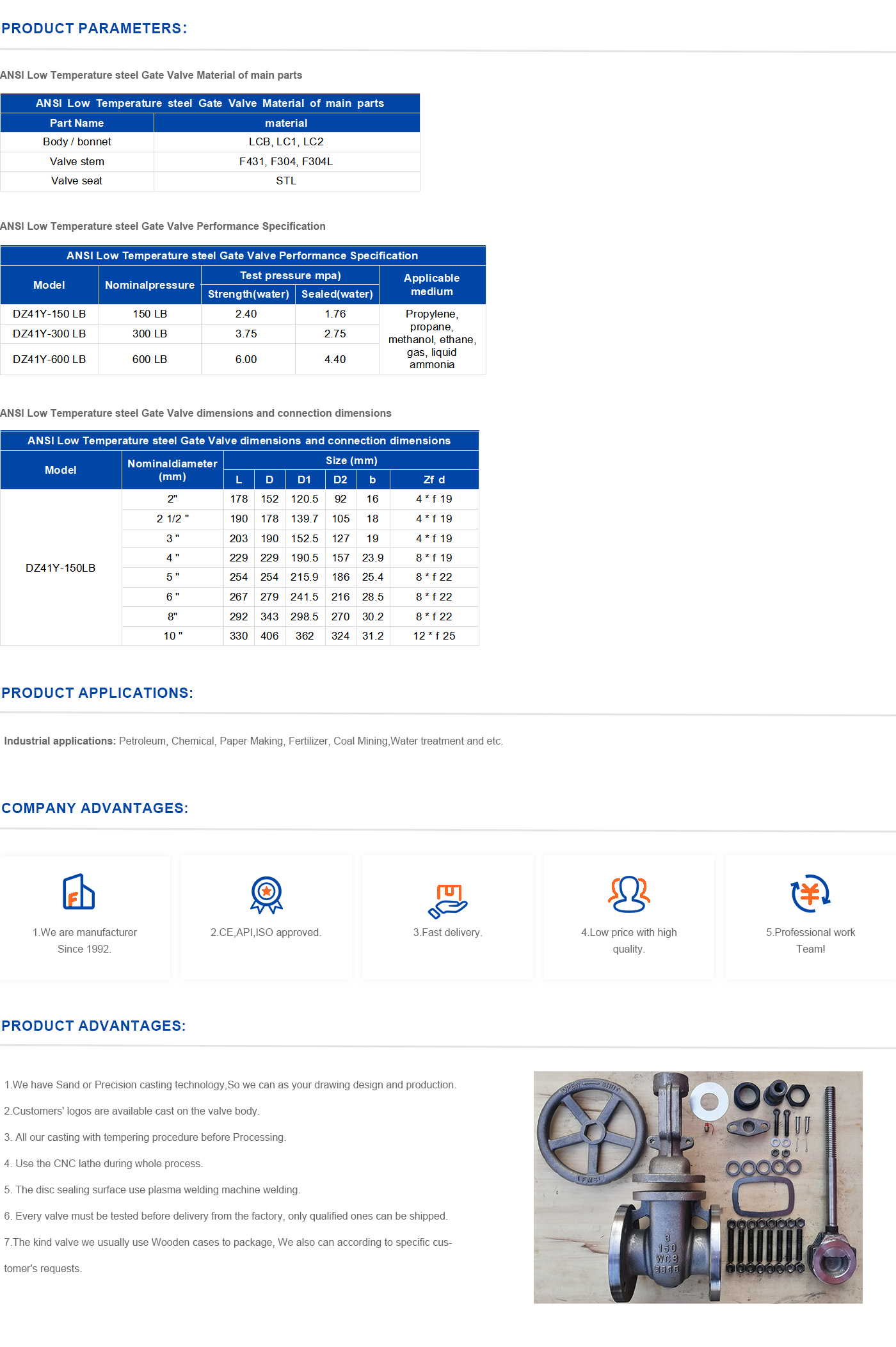
Soft seal butterfly valves are quarter-turn rotational motion valves used to regulate or isolate fluid flow. Distinguished by their use of a resilient sealing material – typically EPDM, PTFE, or NBR – compressed against a disc, they provide leak-tight shutoff capabilities particularly crucial in applications where stringent emissions control or fluid purity is paramount. Positioned within the broader valve technology landscape, soft seal butterfly valves occupy a critical niche between more robust metal-seated designs and less precise ball valves. Their advantage lies in a combination of cost-effectiveness, relatively light weight, and the ability to handle a wide range of fluids including corrosive media and slurries. Core performance characteristics center around pressure drop, flow coefficient (Cv), shut-off class (typically Class V or VI per ANSI/FCI 70-2), and operational torque, all of which influence suitability for specific process conditions. A key industry pain point is selecting the optimal elastomer for chemical compatibility and temperature range to prevent premature seal failure and maintain process integrity.
Material Science & Manufacturing
The body of a soft seal butterfly valve is commonly constructed from ductile iron (ASTM A536-83), stainless steel (304/316 – ASTM A240), or engineered polymers such as PVC or CPVC. Ductile iron offers a good balance of strength, cost, and corrosion resistance, though requires internal epoxy coating for highly corrosive environments. Stainless steel provides superior corrosion resistance but at a higher cost. The disc is typically manufactured from ductile iron, stainless steel, or alloy steel. The crucial component is the seat, the soft seal itself. EPDM (ethylene propylene diene monomer) rubber exhibits excellent resistance to water, steam, and many chemicals but has limitations in hydrocarbon service. PTFE (polytetrafluoroethylene) offers universal chemical compatibility and a wide temperature range but can exhibit creep and require periodic tightening. NBR (nitrile butadiene rubber) is favored for oil and fuel applications. Manufacturing involves casting the body, machining the disc and shaft, and assembling the valve. Critical parameters during manufacturing include ensuring precise disc centering to maximize sealing performance, and accurate elastomer compression to prevent extrusion under pressure. Welding processes (SMAW, GTAW) used for steel bodies must adhere to AWS D1.1 standards to prevent porosity and ensure structural integrity. Elastomer bonding to the valve body requires careful surface preparation and adhesion promotion to prevent delamination.
Performance & Engineering
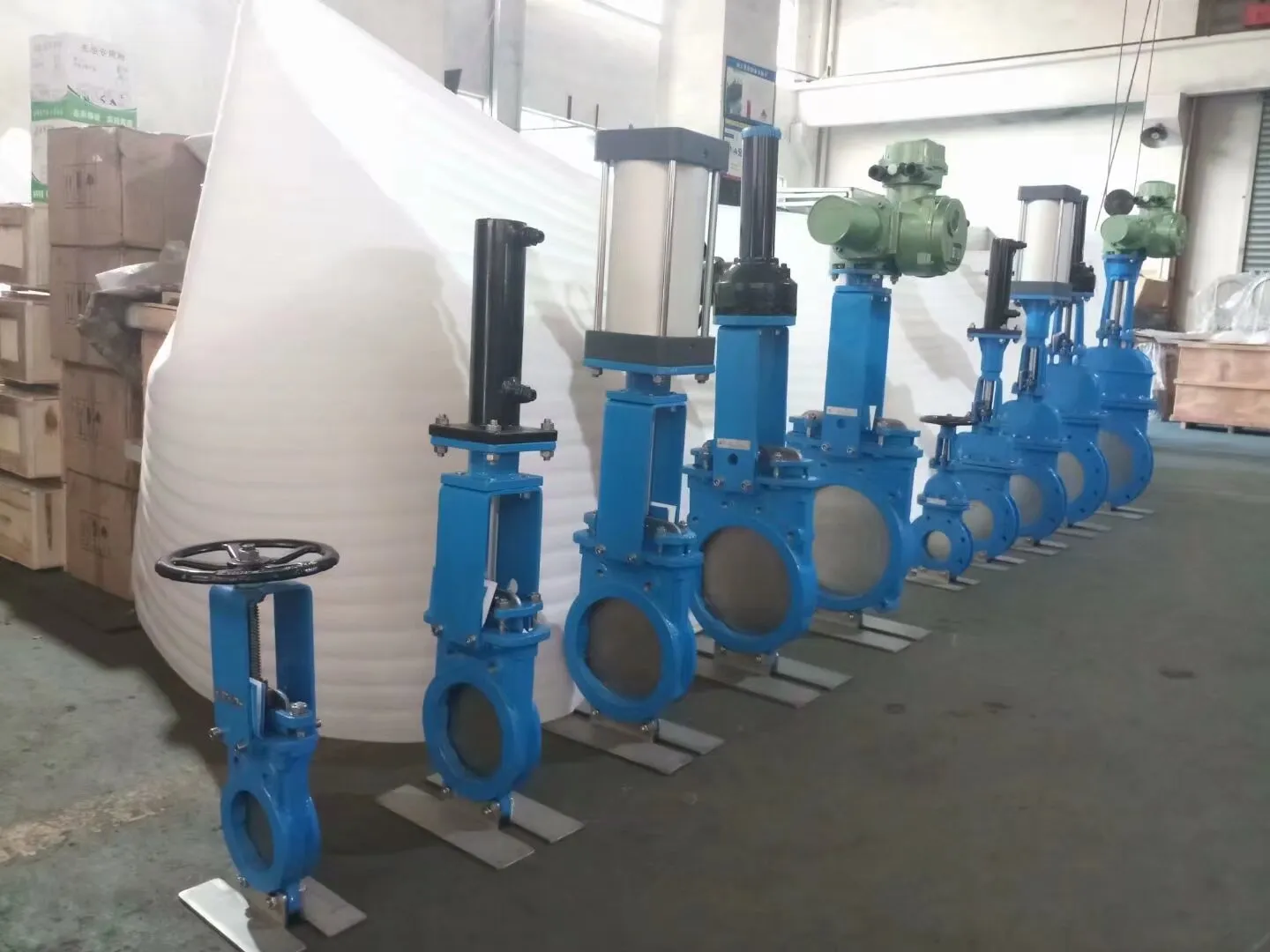
Performance of soft seal butterfly valves is fundamentally governed by fluid mechanics and material stress analysis. Torque requirements increase with differential pressure and fluid viscosity. Valve selection must account for these factors to ensure reliable operation and prevent actuator overloading. Force analysis determines stresses on the disc and seat, dictating the minimum required wall thickness and the optimal elastomer compression. Environmental resistance is critical, especially in outdoor applications. UV exposure can degrade EPDM seals, necessitating UV-resistant formulations or protective coatings. Temperature extremes affect elastomer elasticity and can lead to leakage. Compliance requirements are stringent, particularly in industries like pharmaceuticals and food processing. Valves must meet FDA requirements for materials and sanitation. Pressure testing (API 598) is essential to verify leak tightness and structural integrity. Flutter and cavitation are potential concerns at high flow velocities, causing erosion and noise. Proper valve sizing and flow control strategies are necessary to mitigate these effects. The valve's Cv (flow coefficient) is a key parameter for calculating pressure drop and flow rate, and is determined through hydraulic testing in accordance with ISO 5208.
Technical Specifications
| Parameter | Unit | Typical Value (Carbon Steel Body, EPDM Seat) | Typical Value (Stainless Steel Body, PTFE Seat) |
|---|---|---|---|
| Maximum Operating Pressure | PSI | 250 | 400 |
| Temperature Range | °F | -20 to 200 | -200 to 400 |
| Shut-Off Class (ANSI/FCI 70-2) | Class | Class V | Class VI |
| Cv (Flow Coefficient) (6” Valve) | Gallons per Minute per PSI | 650 | 700 |
| Actuator Torque (6” Valve, Full Open) | in-lbs | 120 | 150 |
| Connection Type | - | Wafer, Lug, Flanged | Wafer, Lug, Flanged |
Failure Mode & Maintenance
Common failure modes in soft seal butterfly valves include seat degradation (cracking, swelling, or erosion due to chemical attack or abrasive particles), disc corrosion, shaft bearing wear, and actuator malfunction. Elastomer failure is often the primary culprit. Chemical incompatibility leads to swelling, resulting in seat deformation and leakage. High temperatures accelerate elastomer aging and loss of elasticity. Abrasive particles trapped between the disc and seat cause erosion. Fatigue cracking can occur in the disc due to repeated stress cycles, particularly in applications with high pressure fluctuations. Delamination of the elastomer from the valve body can occur due to inadequate surface preparation during manufacturing. Maintenance involves regular inspection of the seat for signs of wear or damage, lubrication of the shaft bearings, and periodic actuator calibration. Seat replacement is often necessary every 1-3 years, depending on the severity of the operating conditions. Preventative maintenance programs should include regular cleaning to remove abrasive particles and proper storage to protect seals from UV exposure and temperature extremes. Detailed failure analysis (fractographic examination of failed seals) can identify root causes and prevent recurrence.
Industry FAQ
Q: What are the key considerations when selecting an elastomer for a soft seal butterfly valve in a wastewater treatment plant?
A: Selecting the right elastomer is critical. Wastewater often contains a complex mixture of chemicals, including chlorine, acids, and bases. EPDM is a common choice due to its good resistance to many wastewater components, but chlorine resistance can be limited. NBR offers better resistance to oils and greases commonly found in wastewater. PTFE provides universal chemical compatibility but is more expensive and may require periodic tightening. Consider the specific chemical composition of the wastewater and the operating temperature range when making your selection.
Q: How does the valve body material affect corrosion resistance in seawater applications?
A: Ductile iron bodies require a robust epoxy coating to withstand the corrosive effects of seawater. Stainless steel (316) offers significantly better corrosion resistance and is preferred for long-term reliability in seawater environments. However, even 316 stainless steel can experience pitting corrosion under certain conditions, so proper cathodic protection may be necessary.
Q: What is the impact of high fluid velocity on the longevity of a soft seal butterfly valve?
A: High fluid velocity can induce cavitation and erosion, particularly at the seat. Cavitation occurs when vapor bubbles form and collapse, creating shock waves that damage the valve components. Erosion is caused by the impact of suspended particles at high velocity. Valve sizing is crucial to maintain fluid velocity within acceptable limits. Installating a flow conditioner upstream of the valve can also reduce turbulence and mitigate these effects.
Q: What are the implications of using a soft seal butterfly valve with abrasive slurries?
A: Abrasive slurries will accelerate seat wear and reduce valve life. Consider using a valve with a hardened seat material, such as a metal-reinforced elastomer or a ceramic coating. Regular inspection and replacement of the seat are essential. Installation of a strainer upstream of the valve can help remove larger particles and reduce abrasion.
Q: How often should the actuator on a soft seal butterfly valve be inspected and maintained?
A: Actuator inspection and maintenance should be performed at least annually, or more frequently in harsh environments. Check for proper lubrication, corrosion, and electrical connections. Calibrate the actuator to ensure accurate valve positioning. Replace any worn or damaged components. Following the manufacturer's recommended maintenance schedule is crucial for reliable operation.
Conclusion
Soft seal butterfly valves represent a versatile and cost-effective solution for a broad spectrum of fluid control applications. Their performance is fundamentally dependent on a careful consideration of material compatibility, operating conditions, and proper installation and maintenance. Selecting the correct elastomer, body material, and actuator is paramount to achieving long-term reliability and preventing premature failure. Adhering to industry standards for testing and manufacturing, alongside implementing proactive maintenance programs, maximizes valve lifespan and ensures safe and efficient process operation.
Looking ahead, advancements in elastomer technology, particularly in developing more chemically resistant and abrasion-resistant materials, will continue to enhance the performance and longevity of soft seal butterfly valves. Integration with smart valve technologies, including remote monitoring and predictive maintenance capabilities, will further optimize their operation and reduce lifecycle costs. The continued demand for leak-tight shutoff and precise flow control across diverse industries ensures that soft seal butterfly valves will remain a critical component of modern process infrastructure.
-
Top Reasons to Choose a Stainless Steel Flange Check Valve for Industrial Applications
-
8 inch flange Performance Analysis
-
angle ring flanges Performance Analysis
-
Flat Flanges Performance Analysis
-
Full Face Flange Performance Analysis
-
Full Face Flanges Performance Analysis
-
flange 8 inch Performance Analysis
-
Ring Flange Performance Analysis
-
3 inch split flange Performance Analysis
-
Tongue and groove flange Performance Analysis
-
Grooved Flange Performance Analysis
-
o ring flange Performance Analysis
-
Ring Flanges Performance Analysis
-
Groove Flange Performance Analysis
-
Tongue and groove flanges Performance Analysis
 Afrikaans
 Albanian
 Amharic
 Arabic
 Armenian
 Azerbaijani
 Basque
 Belarusian
 Bengali
 Bosnian
 Bulgarian
 Catalan
 Cebuano
 Corsican
 Croatian
 Czech
Czech
 Danish
 Dutch
Dutch
 Esperanto
 Estonian
 Finnish
 French
 Frisian
 Galician
 Georgian
 German
 Greek
Greek
 Gujarati
 Haitian Creole
 Hausa
Hawaiian
Hausa
Hawaiian
 Hebrew
 Hindi
Hindi
 Miao
Miao
 Hungarian
 Icelandic
 Igbo
Igbo
 Indonesian
 Irish
Irish
 Italian
 Japanese
 Javanese
Kannada
Javanese
Kannada
 Kazakh
 Khmer
Khmer
 Rwandese
 Korean
 Kurdish
 Kyrgyz
 Lao
Lao
 Latin
Latin
 Latvian
 Lithuanian
 Luxembourgish
 Macedonian
 Malgashi
 Malay
Malay
 Malayalam
 Maltese
 Maori
Maori
 Marathi
 Mongolian
 Myanmar
 Nepali
 Norwegian
 Norwegian
 Occitan
 Pashto
 Persian
 Polish
 Portuguese
Punjabi
Portuguese
Punjabi
 Romanian
 Russian
 Samoan
 Scottish Gaelic
 Serbian
 Sesotho
 Shona
Shona
 Sindhi
 Sinhala
 Slovak
 Slovenian
 Somali
 Spanish
 Sundanese
 Swahili
 Swedish
Tagalog
Swedish
Tagalog
 Tajik
Tajik
 Tamil
Tamil
 Tatar
Tatar
 Telugu
 Thai
Thai
 Turkish
 Turkmen
 Ukrainian
 Urdu
Urdu
 Uighur
 Uzbek
Uzbek
 Vietnamese
 Welsh
Welsh
 Bantu
Bantu
 Yiddish
 Yoruba
 Zulu
Zulu
 English