




stainless steel gate valve Performance Analysis
Introduction
Stainless steel gate valves are critical flow control components within industrial piping systems, utilized across diverse sectors including oil and gas, chemical processing, water treatment, and power generation. Positioned as linear motion valves, they function by raising or lowering a gate (wedge or disc) perpendicular to the flow path, providing either full flow or complete shut-off. Unlike globe or ball valves, gate valves are not designed for throttling flow, as partial opening leads to accelerated erosion of the gate and seat. Their primary advantage lies in offering minimal pressure drop when fully open. The selection of stainless steel alloys (304, 316, 316L, etc.) is predicated on the corrosive nature of the fluid being handled and the operating temperature, ensuring long-term reliability and process integrity. Core performance characteristics are defined by pressure-temperature ratings, leak tightness (achieved through specialized seat designs like metal-to-metal or resilient seated), and compliance with industry standards regarding materials traceability and hydrostatic testing. A key industry pain point revolves around ensuring long-term sealing integrity, particularly in high-temperature and high-pressure applications, as well as resistance to specific chemical attack.
Material Science & Manufacturing
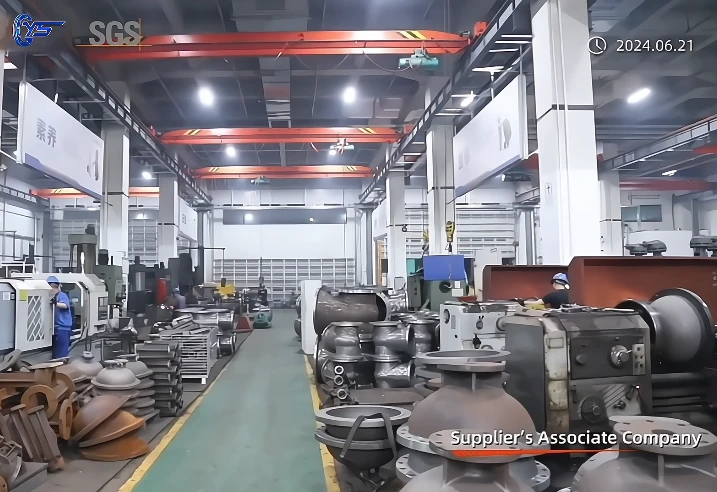
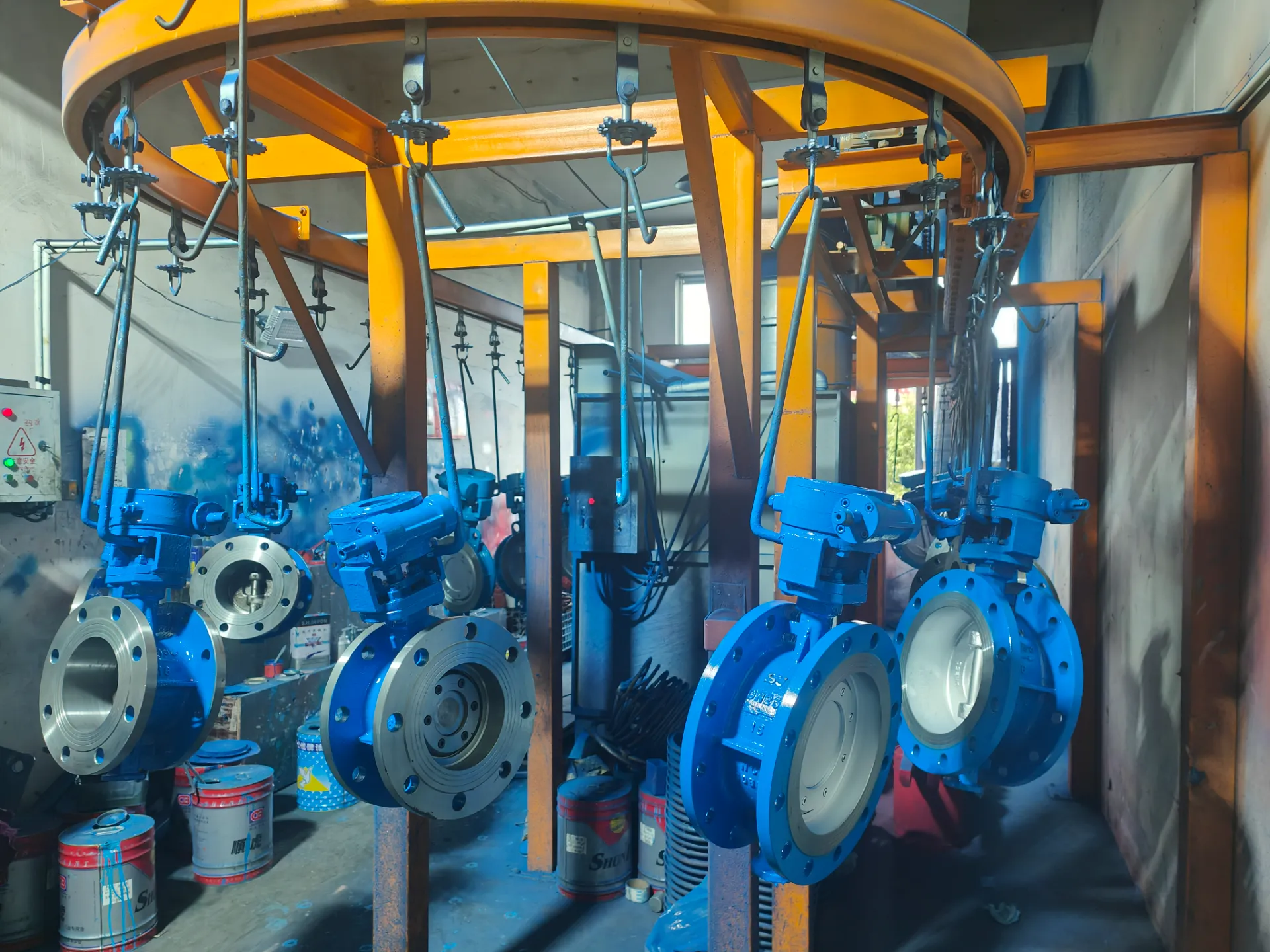
The foundation of a stainless steel gate valve lies in the selection of appropriate stainless steel alloys. 304 stainless steel (austenitic) offers good corrosion resistance in general-purpose applications, while 316 stainless steel (also austenitic, with molybdenum addition) provides enhanced resistance to chloride corrosion, crucial in marine environments and chemical processing plants. 316L, with a lower carbon content, is preferred for welding applications to minimize carbide precipitation and maintain weld integrity. Duplex stainless steels (e.g., 2205) offer a combination of high strength and excellent corrosion resistance. The manufacturing process begins with precision casting or forging of the valve body. Critical parameters during casting include controlled solidification rates to avoid porosity and optimized gate design to ensure proper metal flow. Forging improves the grain structure, enhancing mechanical properties. The gate itself is typically machined from a solid bar stock of the chosen stainless steel alloy, undergoing heat treatment to achieve the required hardness and tensile strength. Valve seats are often manufactured from PTFE, reinforced PTFE, or metallic alloys (e.g., Inconel) depending on the application temperature and pressure. Welding processes, such as Gas Tungsten Arc Welding (GTAW) or Shielded Metal Arc Welding (SMAW), are employed to join valve components. Maintaining precise weld parameters – amperage, voltage, gas shielding, and cooling rates – is crucial to prevent oxidation, cracking, and maintain corrosion resistance. Post-weld heat treatment (PWHT) is often required to relieve stress and restore ductility. Surface finishing, including passivation, is vital to remove surface contaminants and enhance the corrosion resistance of the stainless steel.
Performance & Engineering
Gate valve performance is fundamentally governed by force analysis. The primary forces acting on the gate include fluid pressure, weight of the gate, and frictional forces between the gate and the valve body. Engineering calculations must accurately determine the required actuator torque to overcome these forces and achieve reliable opening and closing. Environmental resistance is paramount, particularly concerning temperature variations. Stainless steel's coefficient of thermal expansion must be accounted for in the valve design to prevent binding or leakage due to dimensional changes. Corrosion resistance, dependent on the chosen alloy, is vital in aggressive chemical environments. Compliance requirements, such as those stipulated by ASME Section XI for pressure vessel components, dictate non-destructive examination (NDE) procedures like radiography, ultrasonic testing, and liquid penetrant inspection to ensure weld quality and structural integrity. Functional implementation details include the stem seal design – packing glands, bellows seals, or magnetic drive systems – which are critical for preventing fugitive emissions. Furthermore, the valve’s seat design influences leak tightness; metal-to-metal seats are suitable for high-temperature applications, while resilient seats offer tighter shut-off at lower temperatures. Flow characteristics are governed by the valve’s Cv value, representing the volumetric flow rate per unit pressure drop. Cavitation, a phenomenon occurring when liquid flow accelerates through restrictions, can erode the gate and seat; proper valve sizing and upstream piping configuration are essential to mitigate this risk.
Technical Specifications
| Parameter | Specification (316 Stainless Steel) | Specification (304 Stainless Steel) | Specification (Duplex 2205) |
|---|---|---|---|
| Maximum Operating Pressure | Up to 600 PSI (4137 kPa) | Up to 400 PSI (2758 kPa) | Up to 800 PSI (5516 kPa) |
| Operating Temperature Range | -20°F to 600°F (-29°C to 316°C) | -20°F to 450°F (-29°C to 232°C) | -50°F to 650°F (-46°C to 343°C) |
| Corrosion Resistance | Excellent (Chlorides, Acids) | Good (General Corrosion) | Superior (Pitting, Crevice Corrosion) |
| Tensile Strength (Minimum) | 75,000 PSI (517 MPa) | 70,000 PSI (483 MPa) | 90,000 PSI (621 MPa) |
| Yield Strength (Minimum) | 30,000 PSI (207 MPa) | 25,000 PSI (172 MPa) | 45,000 PSI (310 MPa) |
| Leakage Rate (Class VI) | 0.1 cc/min/in of seat perimeter | 0.1 cc/min/in of seat perimeter | 0.01 cc/min/in of seat perimeter |
Failure Mode & Maintenance
Gate valve failures commonly stem from several mechanisms. Fatigue cracking, particularly in the gate and stem, can occur due to repeated cycling under pressure. Corrosion, especially pitting and crevice corrosion in less alloyed stainless steels, weakens the valve body and internal components. Erosion, caused by abrasive particles in the fluid stream, damages the gate and seat, leading to leakage. Delamination of resilient seat materials (e.g., PTFE) can also result in process fluid escape. Oxidation at high temperatures degrades the stainless steel’s protective chromium oxide layer, reducing corrosion resistance. Maintenance procedures include regular visual inspection for signs of corrosion, leakage, or damage. Periodic testing of the valve actuator and stem seal is essential to ensure proper operation. For metal-to-metal seated valves, lapping of the seat surfaces may be necessary to maintain leak tightness. Resilient seats require replacement when they exhibit signs of wear or degradation. Lubrication of the stem and gate is crucial to reduce friction and prevent binding. Preventive maintenance schedules, aligned with operating conditions and fluid compatibility, are crucial to extend valve life and minimize unplanned downtime. Root cause failure analysis (RCFA) should be conducted on any significant failure to identify and address underlying issues in system design or operation.
Industry FAQ
Q: What are the primary advantages of using a 316L stainless steel gate valve over a carbon steel gate valve in a corrosive environment?
A: 316L stainless steel offers significantly enhanced corrosion resistance compared to carbon steel, particularly in the presence of chlorides and other corrosive agents. Carbon steel requires extensive protective coatings, which are prone to damage and eventual failure. 316L's inherent corrosion resistance eliminates the need for such coatings, reducing maintenance costs and improving long-term reliability, particularly in applications involving seawater, chemical processing, or acidic fluids.
Q: How does the gate valve seat material affect its leak tightness and operating temperature limitations?
A: Metal-to-metal seats generally offer higher temperature capabilities and are suitable for high-pressure applications, but typically exhibit slightly higher leakage rates than resilient seated valves. Resilient seats (e.g., PTFE) provide tighter shut-off but have temperature limitations; PTFE degrades at temperatures exceeding 450°F (232°C). The selection of seat material must align with the process fluid's temperature, pressure, and desired leak tightness.
Q: What is the significance of hydrostatic testing and non-destructive examination (NDE) in gate valve quality control?
A: Hydrostatic testing verifies the valve body’s structural integrity by subjecting it to a pressure exceeding its rated operating pressure. NDE methods, such as radiography and ultrasonic testing, detect internal flaws (e.g., porosity, cracks) in welds and castings that are not visible to the naked eye. These tests ensure the valve can safely withstand operating conditions and prevent catastrophic failure.
Q: What are the common causes of gate valve cavitation and how can it be prevented?
A: Cavitation occurs when liquid flow accelerates through restrictions in the valve, creating vapor bubbles that collapse violently, causing erosion. It is primarily caused by improper valve sizing (undersized valves create excessive velocity) and upstream piping configurations that induce pressure drop. Prevention involves selecting the correct valve size, streamlining upstream piping, and installing cavitation suppressors where necessary.
Q: What maintenance practices should be implemented to extend the lifespan of a stainless steel gate valve in a high-temperature, high-pressure application?
A: Regular inspection of the stem packing, actuation mechanism, and valve body for signs of corrosion or wear is crucial. Periodic lubrication of the stem and gate reduces friction. If metal-to-metal seated, lapping the seat periodically can maintain seal integrity. Implementing a preventive maintenance schedule based on operating hours and fluid compatibility is essential. Monitoring process parameters and identifying any deviations from normal operating conditions can also prevent premature failure.
Conclusion
Stainless steel gate valves remain indispensable components in numerous industrial applications demanding reliable flow isolation. The selection of appropriate stainless steel alloy, coupled with precise manufacturing processes and adherence to industry standards, are paramount for ensuring long-term performance and safety. The performance of these valves is inextricably linked to a thorough understanding of fluid dynamics, material science, and potential failure modes.
Future advancements will likely focus on improved sealing technologies, advanced corrosion-resistant alloys, and smart valve designs incorporating predictive maintenance capabilities. These innovations aim to minimize downtime, reduce operational costs, and enhance process safety. A holistic approach encompassing proper valve selection, installation, maintenance, and monitoring is critical for maximizing the lifespan and efficiency of stainless steel gate valves in demanding industrial environments.
-
Top Reasons to Choose a Stainless Steel Flange Check Valve for Industrial Applications
-
8 inch flange Performance Analysis
-
angle ring flanges Performance Analysis
-
Flat Flanges Performance Analysis
-
Full Face Flange Performance Analysis
-
Full Face Flanges Performance Analysis
-
flange 8 inch Performance Analysis
-
Ring Flange Performance Analysis
-
3 inch split flange Performance Analysis
-
Tongue and groove flange Performance Analysis
-
Grooved Flange Performance Analysis
-
o ring flange Performance Analysis
-
Ring Flanges Performance Analysis
-
Groove Flange Performance Analysis
-
Tongue and groove flanges Performance Analysis
 Afrikaans
 Albanian
 Amharic
 Arabic
 Armenian
 Azerbaijani
 Basque
 Belarusian
 Bengali
 Bosnian
 Bulgarian
 Catalan
 Cebuano
 Corsican
 Croatian
 Czech
Czech
 Danish
 Dutch
Dutch
 Esperanto
 Estonian
 Finnish
 French
 Frisian
 Galician
 Georgian
 German
 Greek
Greek
 Gujarati
 Haitian Creole
 Hausa
Hawaiian
Hausa
Hawaiian
 Hebrew
 Hindi
Hindi
 Miao
Miao
 Hungarian
 Icelandic
 Igbo
Igbo
 Indonesian
 Irish
Irish
 Italian
 Japanese
 Javanese
Kannada
Javanese
Kannada
 Kazakh
 Khmer
Khmer
 Rwandese
 Korean
 Kurdish
 Kyrgyz
 Lao
Lao
 Latin
Latin
 Latvian
 Lithuanian
 Luxembourgish
 Macedonian
 Malgashi
 Malay
Malay
 Malayalam
 Maltese
 Maori
Maori
 Marathi
 Mongolian
 Myanmar
 Nepali
 Norwegian
 Norwegian
 Occitan
 Pashto
 Persian
 Polish
 Portuguese
Punjabi
Portuguese
Punjabi
 Romanian
 Russian
 Samoan
 Scottish Gaelic
 Serbian
 Sesotho
 Shona
Shona
 Sindhi
 Sinhala
 Slovak
 Slovenian
 Somali
 Spanish
 Sundanese
 Swahili
 Swedish
Tagalog
Swedish
Tagalog
 Tajik
Tajik
 Tamil
Tamil
 Tatar
Tatar
 Telugu
 Thai
Thai
 Turkish
 Turkmen
 Ukrainian
 Urdu
Urdu
 Uighur
 Uzbek
Uzbek
 Vietnamese
 Welsh
Welsh
 Bantu
Bantu
 Yiddish
 Yoruba
 Zulu
Zulu
 English