




china butterfly valve metal seat Performance Analysis
Introduction
The china butterfly valve with a metal seat represents a critical component in fluid control systems across diverse industries, including water treatment, chemical processing, power generation, and oil & gas. This valve type utilizes a resilient or metallic disc rotating perpendicularly to the flow direction to regulate fluid passage. Unlike butterfly valves with elastomer seats, metal-seated designs offer enhanced temperature resistance, pressure handling capabilities, and suitability for abrasive media. Their technical position within the industrial chain is as a final control element, receiving signals from automated systems to modulate flow rates. Core performance characteristics are defined by leak tightness (achieved via precision machining of sealing surfaces), flow coefficient (Cv), pressure drop, and operational torque. A key industry pain point centers on achieving bubble-tight shutoff in high-temperature, high-pressure applications without frequent maintenance or seal degradation. Metal seats are increasingly favored to address this challenge and reduce fugitive emissions.
Material Science & Manufacturing
Metal-seated butterfly valves rely on specific material combinations to ensure durability and performance. The valve body is commonly constructed from ductile iron (ASTM A536-89), carbon steel (ASTM A516 Grade 70), or stainless steel (304/316). The disc material selection is critical, typically employing stainless steel (316, 17-4PH), Hastelloy, or other high-alloy materials to resist corrosion and erosion. The seat itself is often manufactured from hardened stainless steel alloys, nickel alloys, or cobalt-based alloys depending on the fluid compatibility requirements. Manufacturing processes begin with precision casting or forging of the valve body. Disc manufacturing involves machining, heat treatment, and potentially surface coating (e.g., electroless nickel plating) to enhance wear resistance. The seat is produced via CNC machining to achieve a highly accurate sealing surface. Critical parameters during manufacturing include dimensional tolerances (particularly for the seat and disc contact surfaces), surface roughness (Ra values < 0.8 µm are typical for sealing surfaces), and material hardness (achieved through heat treatment – HRC 40-60 for stainless steel seats). Welding processes (SMAW, GTAW) are used for body fabrication and must adhere to ASME Section IX standards to ensure weld integrity and minimize porosity. Proper passivation treatment following machining is crucial for stainless steel components to enhance corrosion resistance.
Performance & Engineering
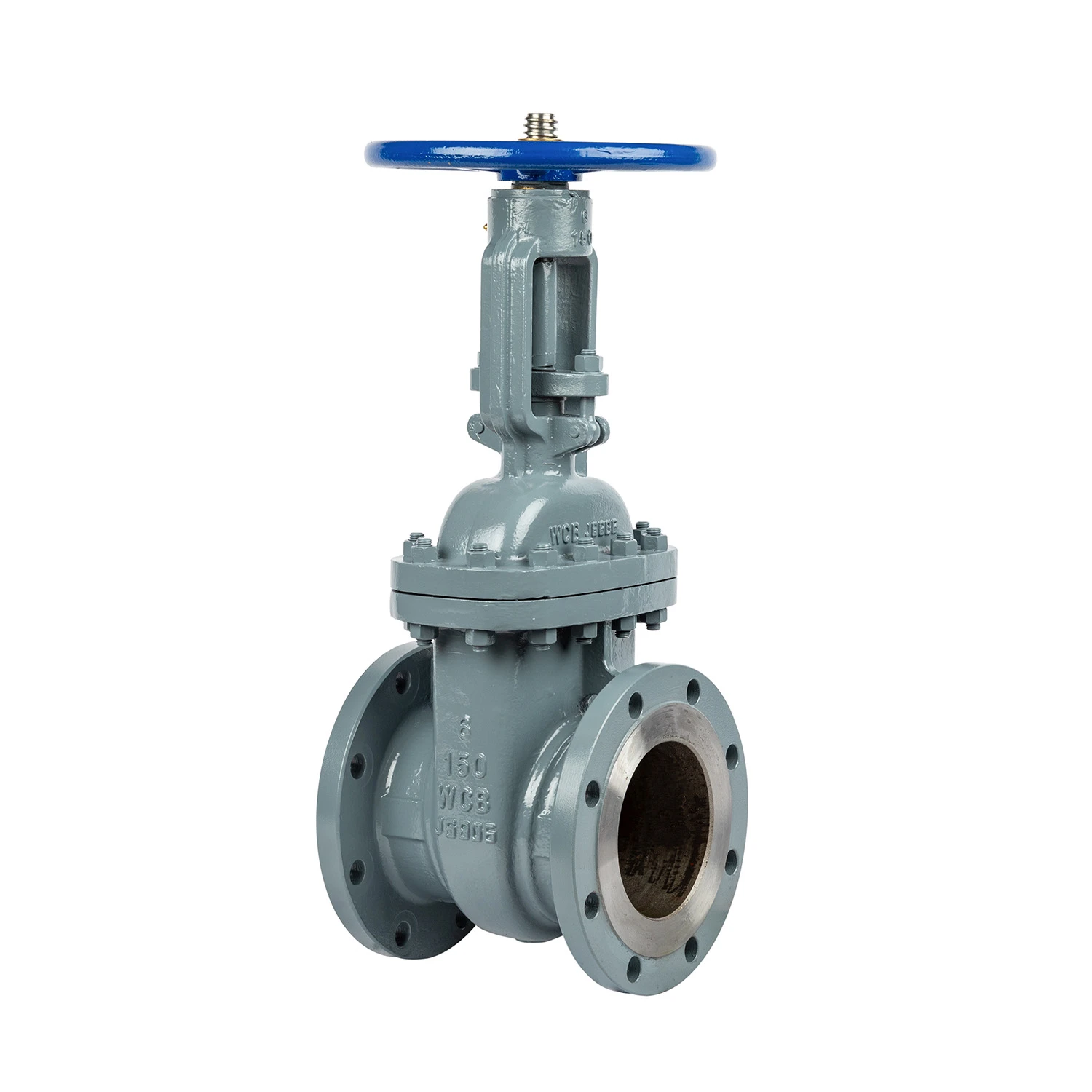
Performance of metal-seated butterfly valves is governed by several engineering principles. Torque requirements for operation are dictated by the seat sealing force, fluid pressure, disc diameter, and the coefficient of friction between the seat and disc. Force analysis considers the bending moment acting on the stem and the shear stress on the disc. Environmental resistance is critical; prolonged exposure to corrosive fluids or extreme temperatures can lead to seat degradation or disc distortion. Compliance requirements vary by industry. For potable water applications, valves must meet NSF/ANSI 61 standards for lead content and extractable contaminants. For hazardous environments (e.g., oil & gas), valves must comply with API 609 for design and testing. Functional implementation involves precise alignment of the disc and seat during closure. Tight shutoff is achieved through a combination of spring force (in some designs) and the accurate contact between mating surfaces. Finite Element Analysis (FEA) is frequently employed to optimize valve body geometry and minimize stress concentrations. Leak testing, typically using air or nitrogen, is essential to verify seat sealing performance against industry standards like ISO 5208 (Leakage Classes A, B, and C).
Technical Specifications
| Parameter | Unit | Standard Specification | Typical Range (China Butterfly Valve Metal Seat) |
|---|---|---|---|
| Maximum Operating Pressure | MPa | API 609, EN 161 | 1.6 – 25 |
| Operating Temperature | °C | ASTM F36 | -196 to 650 |
| Leakage Rate (Seat Leakage) | ppm | ISO 5208 (Class VI) | < 0.1 |
| Cv (Flow Coefficient) | m³/h | IEC 60534-4 | 50 – 1600 |
| Body Material | - | ASTM A536, ASTM A516 | Ductile Iron, Carbon Steel, Stainless Steel |
| Seat Material | - | ASTM A182 | Stainless Steel 316, Alloy 20 |
Failure Mode & Maintenance
Failure modes in metal-seated butterfly valves can arise from several sources. Fatigue cracking can occur in the disc or stem due to cyclic loading, especially in applications with frequent operation. Erosion-corrosion is prevalent in abrasive media, leading to seat wear and increased leakage. Galvanic corrosion can occur between dissimilar metals (e.g., stainless steel disc and carbon steel body) in the presence of an electrolyte. Seat deformation can result from excessive temperatures or pressures exceeding the valve’s design limits. Oxidation of the seat material at high temperatures can also compromise sealing performance. Maintenance solutions include periodic inspection of the seat and disc for wear, corrosion, or damage. Regular lubrication of the stem packing is essential to prevent leakage and ensure smooth operation. Seat replacement may be necessary if wear exceeds acceptable limits. Preventive maintenance programs should include torque checks to ensure proper seal compression. Non-destructive testing (NDT) methods, such as liquid penetrant inspection and ultrasonic testing, can be used to detect cracks or flaws in critical components. Proper storage conditions (dry and protected from corrosion) are crucial to extend valve lifespan. Re-coating or surface hardening may be applicable in erosion-prone applications.
Industry FAQ
Q: What is the advantage of a metal seat over an elastomer seat in high-temperature applications?
A: Elastomer seats typically have limited temperature resistance, often degrading above 80°C. Metal seats can withstand significantly higher temperatures (up to 650°C or higher depending on the alloy), maintaining their sealing properties and mechanical integrity. This makes them ideal for steam service, high-temperature chemical processes, and power generation.
Q: How does the seat leakage rate compare between metal and elastomer seats?
A: Metal seats, when properly machined and maintained, can achieve significantly lower leakage rates than elastomer seats. They can reliably meet ISO 5208 Class VI (bubble-tight shutoff), whereas elastomer seats typically achieve Class III or IV. This is crucial in applications where fugitive emissions are a concern.
Q: What considerations are important when selecting the seat material for a corrosive fluid application?
A: The seat material must be chemically compatible with the fluid to prevent corrosion. Stainless steel alloys (316, 17-4PH) are common choices for many fluids, but more resistant alloys like Hastelloy or nickel alloys may be required for highly corrosive environments. Consulting a corrosion resistance chart is crucial.
Q: What is the impact of seat surface roughness on leakage performance?
A: Seat surface roughness (Ra) is a critical parameter. Higher roughness leads to increased leakage. Metal seats require a very smooth surface finish (Ra < 0.8 µm is typical) to ensure tight sealing. Precision machining and lapping processes are used to achieve this surface quality.
Q: What are the common causes of seat failure, and how can they be mitigated?
A: Common causes include erosion, corrosion, fatigue, and improper installation. Mitigation strategies include selecting appropriate materials for the fluid and temperature conditions, implementing a regular inspection and maintenance program, ensuring proper torque during installation, and utilizing coatings to enhance wear resistance.
Conclusion
China butterfly valves featuring metal seats represent a robust and reliable solution for demanding fluid control applications. Their ability to withstand high temperatures, pressures, and corrosive environments, coupled with their potential for bubble-tight shutoff, positions them as a superior alternative to elastomer-seated designs in many scenarios. Proper material selection, precise manufacturing, and adherence to relevant industry standards are paramount to ensuring optimal performance and longevity.
Looking forward, advancements in surface engineering and alloy development will further enhance the performance characteristics of metal-seated butterfly valves. Continued refinement of manufacturing processes, coupled with the implementation of predictive maintenance strategies based on condition monitoring, will drive down lifecycle costs and improve operational efficiency. These valves will continue to play a critical role in a wide range of industrial processes, contributing to safer and more sustainable operations.
-
Top Reasons to Choose a Stainless Steel Flange Check Valve for Industrial Applications
-
check valve 3 4 inch Performance Analysis
-
3 4 inch check valve Performance Analysis
-
piloted check valve Performance Analysis
-
pilot check valves Performance Analysis
-
low pressure check valve Performance Analysis
-
check valves high pressure Performance Analysis
-
check valves low pressure Performance Analysis
-
High Pressure Check Valves Performance Analysis
-
low pressure check valves Performance Analysis
-
6 check valve Performance Analysis
-
stainless steel check valves Performance Analysis
-
check valve 6 Performance Analysis
-
check valve stainless steel Performance Analysis
-
6 in check valve Performance Engineering
 Afrikaans
 Albanian
 Amharic
 Arabic
 Armenian
 Azerbaijani
 Basque
 Belarusian
 Bengali
 Bosnian
 Bulgarian
 Catalan
 Cebuano
 Corsican
 Croatian
 Czech
Czech
 Danish
 Dutch
Dutch
 Esperanto
 Estonian
 Finnish
 French
 Frisian
 Galician
 Georgian
 German
 Greek
Greek
 Gujarati
 Haitian Creole
 Hausa
Hawaiian
Hausa
Hawaiian
 Hebrew
 Hindi
Hindi
 Miao
Miao
 Hungarian
 Icelandic
 Igbo
Igbo
 Indonesian
 Irish
Irish
 Italian
 Japanese
 Javanese
Kannada
Javanese
Kannada
 Kazakh
 Khmer
Khmer
 Rwandese
 Korean
 Kurdish
 Kyrgyz
 Lao
Lao
 Latin
Latin
 Latvian
 Lithuanian
 Luxembourgish
 Macedonian
 Malgashi
 Malay
Malay
 Malayalam
 Maltese
 Maori
Maori
 Marathi
 Mongolian
 Myanmar
 Nepali
 Norwegian
 Norwegian
 Occitan
 Pashto
 Persian
 Polish
 Portuguese
Punjabi
Portuguese
Punjabi
 Romanian
 Russian
 Samoan
 Scottish Gaelic
 Serbian
 Sesotho
 Shona
Shona
 Sindhi
 Sinhala
 Slovak
 Slovenian
 Somali
 Spanish
 Sundanese
 Swahili
 Swedish
Tagalog
Swedish
Tagalog
 Tajik
Tajik
 Tamil
Tamil
 Tatar
Tatar
 Telugu
 Thai
Thai
 Turkish
 Turkmen
 Ukrainian
 Urdu
Urdu
 Uighur
 Uzbek
Uzbek
 Vietnamese
 Welsh
Welsh
 Bantu
Bantu
 Yiddish
 Yoruba
 Zulu
Zulu
 English