




check valves low pressure Performance Analysis

Introduction
Check valves, specifically those designed for low-pressure applications, are critical components in fluid handling systems, ensuring unidirectional flow and preventing backflow. Their technical position within the industry chain is foundational, acting as safeguards for pumps, compressors, and other sensitive equipment. Unlike pressure-relief valves which react to overpressure, check valves passively allow flow in one direction and automatically block flow in the reverse direction. Low-pressure check valves, typically operating below 150 psi, are extensively used in irrigation, drainage, chemical metering, and various industrial processes where maintaining flow direction is paramount. Core performance characteristics include minimal pressure drop in the forward direction, leak-tight shut-off, and reliable operation under fluctuating flow conditions. A primary industry pain point is material selection for compatibility with diverse fluids and maintaining consistent sealing performance over extended periods, particularly when dealing with abrasive or corrosive media. Furthermore, ensuring minimal cracking pressure (the differential pressure required to initiate flow) is crucial for low-flow applications.
Material Science & Manufacturing
The body material of low-pressure check valves commonly includes PVC, CPVC, polypropylene, brass, and stainless steel (304, 316). PVC and CPVC are preferred for their chemical resistance and cost-effectiveness in applications handling non-aggressive fluids. Brass offers good corrosion resistance and machinability but is less suitable for highly corrosive environments. Stainless steel, particularly 316, provides superior corrosion resistance and is used in demanding applications involving aggressive chemicals or saltwater. The internal components – the disc, spring (if applicable), and seat – require careful material selection. Discs are often made from elastomers like EPDM, nitrile (Buna-N), or Viton, chosen for their chemical compatibility and flexibility. The seat material directly impacts leak tightness; PTFE (Teflon) is a common choice due to its low friction coefficient and excellent chemical inertness. Manufacturing processes vary based on material. Plastic valves are typically produced via injection molding, where precise control of melt temperature, injection pressure, and cooling rates is essential to minimize warping and ensure dimensional accuracy. Metal valves often involve casting, followed by machining operations to achieve tight tolerances on critical dimensions. Welding (TIG, MIG) is used for stainless steel valve body fabrication. Critical parameter control involves maintaining consistent material properties through quality control of raw materials, precise control of molding/casting parameters, and rigorous inspection of finished components. Surface finishing, such as passivation for stainless steel, is vital to enhance corrosion resistance.
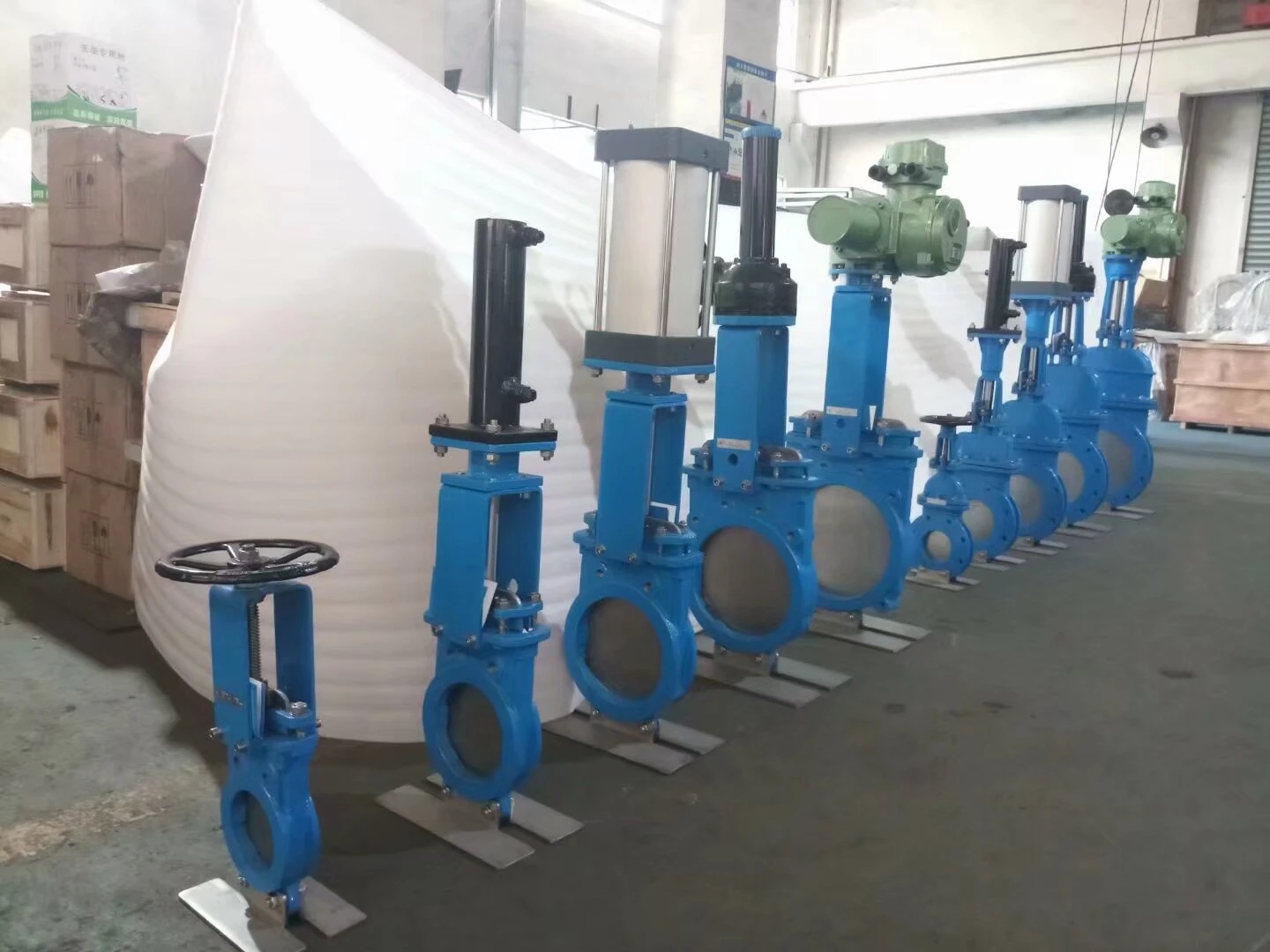
Performance & Engineering
The performance of a low-pressure check valve is governed by several engineering principles. Firstly, the hydrodynamic design minimizes pressure drop. Streamlined flow paths and optimized disc geometry are crucial. The cracking pressure, the minimum differential pressure required to lift the disc and initiate flow, is a key performance parameter. It is influenced by spring stiffness (in spring-loaded valves), disc weight, and fluid density. Force analysis involves calculating the forces acting on the disc – fluid pressure, spring force, and gravitational force. Environmental resistance is critical; materials must withstand temperature variations, UV exposure (for outdoor applications), and chemical attack. Compliance requirements, such as NSF/ANSI 61 for potable water systems or REACH/RoHS for restrictions on hazardous substances, must be met. Functional implementation details include the type of check valve: swing check, lift check, ball check, or duckbill check. Swing check valves are common in larger pipe sizes but may have higher cracking pressures. Lift check valves, using a vertically moving disc, generally have lower cracking pressures but are more susceptible to debris buildup. Ball check valves are self-cleaning but may not provide tight shut-off. Duckbill check valves are flexible and ideal for handling solids but have limited pressure capabilities. The coefficient of discharge (Cv) quantifies the valve's flow capacity.
Technical Specifications
| Parameter | PVC Check Valve | Brass Check Valve | 316 Stainless Steel Check Valve | Polypropylene Check Valve |
|---|---|---|---|---|
| Maximum Pressure (psi) | 100 | 200 | 250 | 75 |
| Temperature Range (°F) | 32 – 140 | 32 – 250 | -328 – 650 | 32 – 180 |
| Connection Type | Socket Weld, Threaded | Threaded, Solder | Threaded, Flanged, Butt Weld | Socket Weld, Threaded |
| Cracking Pressure (psi) | 0.5 - 2 | 1 – 3 | 0.2 – 1.5 | 0.3 - 1.0 |
| Cv (Flow Coefficient) | 0.5 – 2.0 | 1.0 – 3.5 | 2.0 – 5.0 | 0.3 – 1.5 |
| Material Compatibility | Most chemicals, potable water | Water, Oil, Gas | Wide range of chemicals, corrosive fluids | Acids, Alkalis, Solvents |
Failure Mode & Maintenance
Common failure modes in low-pressure check valves include seat leakage, disc sticking, and body cracking. Seat leakage can result from debris accumulation, wear, or material degradation. Discs can stick due to corrosion, scaling, or the presence of viscous fluids. Body cracking, particularly in plastic valves, can occur due to overpressure, thermal stress, or impact damage. Failure analysis often reveals root causes related to improper material selection (e.g., using a Buna-N disc in a chlorinated solvent environment), inadequate filtration, or exceeding the valve’s pressure/temperature limits. Fatigue cracking can occur in metal valves subjected to cyclic pressure fluctuations. Delamination of the seat material is also a possibility. Preventive maintenance is crucial. Regular inspection for leaks, disc movement, and debris buildup is recommended. Periodic cleaning and lubrication (where applicable) can prevent sticking. For plastic valves, avoid exposure to incompatible solvents or prolonged UV exposure. Replace worn or damaged components promptly. For metal valves, consider periodic passivation to restore corrosion resistance. Proper installation, avoiding excessive torque on threaded connections, is essential to prevent body cracking. Implement a routine maintenance schedule based on the application and fluid characteristics.
Industry FAQ
Q: What is the impact of fluid viscosity on the cracking pressure of a lift check valve?
A: Higher fluid viscosity significantly increases the cracking pressure of a lift check valve. This is because the viscous drag force acting on the disc is greater, requiring a larger pressure differential to overcome it and initiate flow. Selecting a valve with a larger disc area or a lower spring rate (if applicable) can mitigate this issue. Additionally, consider the temperature of the fluid, as viscosity is temperature-dependent.
Q: How do I select the correct seat material for a check valve handling a specific chemical?
A: Careful chemical compatibility testing is crucial. Refer to chemical resistance charts and consult with the valve manufacturer. Consider factors such as chemical concentration, temperature, and exposure duration. PTFE, EPDM, and Viton are common choices, but their suitability varies depending on the chemical. Always verify compatibility before installation to prevent premature failure.
Q: What are the advantages and disadvantages of swing check valves versus lift check valves in low-pressure applications?
A: Swing check valves generally have lower installation cost and are suitable for larger pipe sizes, but they require a longer straight run of pipe upstream to function properly and may exhibit water hammer. They tend to have higher cracking pressures. Lift check valves can be installed closer to bends and fittings and often have lower cracking pressures, making them ideal for low-flow applications, but they are more susceptible to clogging with debris.
Q: What is the role of a spring in a spring-loaded check valve, and how does spring stiffness affect performance?
A: The spring in a spring-loaded check valve provides a positive closing force, ensuring a tighter seal and lower leakage rate. Spring stiffness directly impacts the cracking pressure; a stiffer spring increases the cracking pressure, while a less stiff spring reduces it. Selecting the appropriate spring stiffness is crucial to balance leak tightness and flow efficiency.
Q: How can I prevent debris from interfering with the operation of a check valve?
A: Installing a strainer or filter upstream of the check valve is the most effective method. Regular cleaning or replacement of the filter element is essential. For applications with particularly abrasive fluids, consider using a check valve design that is less susceptible to debris accumulation, such as a ball check valve or a duckbill check valve.
Conclusion
Low-pressure check valves are integral to maintaining fluid system integrity, preventing backflow, and protecting equipment. The selection of appropriate materials, understanding the operational principles, and implementing a robust maintenance program are vital for ensuring reliable and long-lasting performance. Material compatibility is paramount, with PVC, CPVC, brass, polypropylene, and stainless steel each offering distinct advantages based on the specific application and fluid characteristics. Careful consideration of performance parameters like cracking pressure, Cv, and environmental resistance are necessary for optimal system operation.
Looking forward, advancements in check valve technology will likely focus on developing more efficient designs with even lower cracking pressures, improved sealing mechanisms, and enhanced resistance to abrasive and corrosive media. The integration of smart sensors and remote monitoring capabilities will enable predictive maintenance and reduce downtime. A continued emphasis on standardized testing and certification will be critical for ensuring quality and reliability in this critical component of fluid handling systems.
-
Top Reasons to Choose a Stainless Steel Flange Check Valve for Industrial Applications
-
check valves high pressure Performance Analysis
-
check valves low pressure Performance Analysis
-
High Pressure Check Valves Performance Analysis
-
low pressure check valves Performance Analysis
-
6 check valve Performance Analysis
-
stainless steel check valves Performance Analysis
-
check valve 6 Performance Analysis
-
check valve stainless steel Performance Analysis
-
6 in check valve Performance Engineering
-
6 check valves Performance Analysis
-
12 inch check valve Performance Analysis
-
lift check valves Performance Engineering
-
check valve 12 inch Performance Analysis
-
stop check valve Performance Analysis
 Afrikaans
 Albanian
 Amharic
 Arabic
 Armenian
 Azerbaijani
 Basque
 Belarusian
 Bengali
 Bosnian
 Bulgarian
 Catalan
 Cebuano
 Corsican
 Croatian
 Czech
Czech
 Danish
 Dutch
Dutch
 Esperanto
 Estonian
 Finnish
 French
 Frisian
 Galician
 Georgian
 German
 Greek
Greek
 Gujarati
 Haitian Creole
 Hausa
Hawaiian
Hausa
Hawaiian
 Hebrew
 Hindi
Hindi
 Miao
Miao
 Hungarian
 Icelandic
 Igbo
Igbo
 Indonesian
 Irish
Irish
 Italian
 Japanese
 Javanese
Kannada
Javanese
Kannada
 Kazakh
 Khmer
Khmer
 Rwandese
 Korean
 Kurdish
 Kyrgyz
 Lao
Lao
 Latin
Latin
 Latvian
 Lithuanian
 Luxembourgish
 Macedonian
 Malgashi
 Malay
Malay
 Malayalam
 Maltese
 Maori
Maori
 Marathi
 Mongolian
 Myanmar
 Nepali
 Norwegian
 Norwegian
 Occitan
 Pashto
 Persian
 Polish
 Portuguese
Punjabi
Portuguese
Punjabi
 Romanian
 Russian
 Samoan
 Scottish Gaelic
 Serbian
 Sesotho
 Shona
Shona
 Sindhi
 Sinhala
 Slovak
 Slovenian
 Somali
 Spanish
 Sundanese
 Swahili
 Swedish
Tagalog
Swedish
Tagalog
 Tajik
Tajik
 Tamil
Tamil
 Tatar
Tatar
 Telugu
 Thai
Thai
 Turkish
 Turkmen
 Ukrainian
 Urdu
Urdu
 Uighur
 Uzbek
Uzbek
 Vietnamese
 Welsh
Welsh
 Bantu
Bantu
 Yiddish
 Yoruba
 Zulu
Zulu
 English