




check valves high pressure Performance Analysis
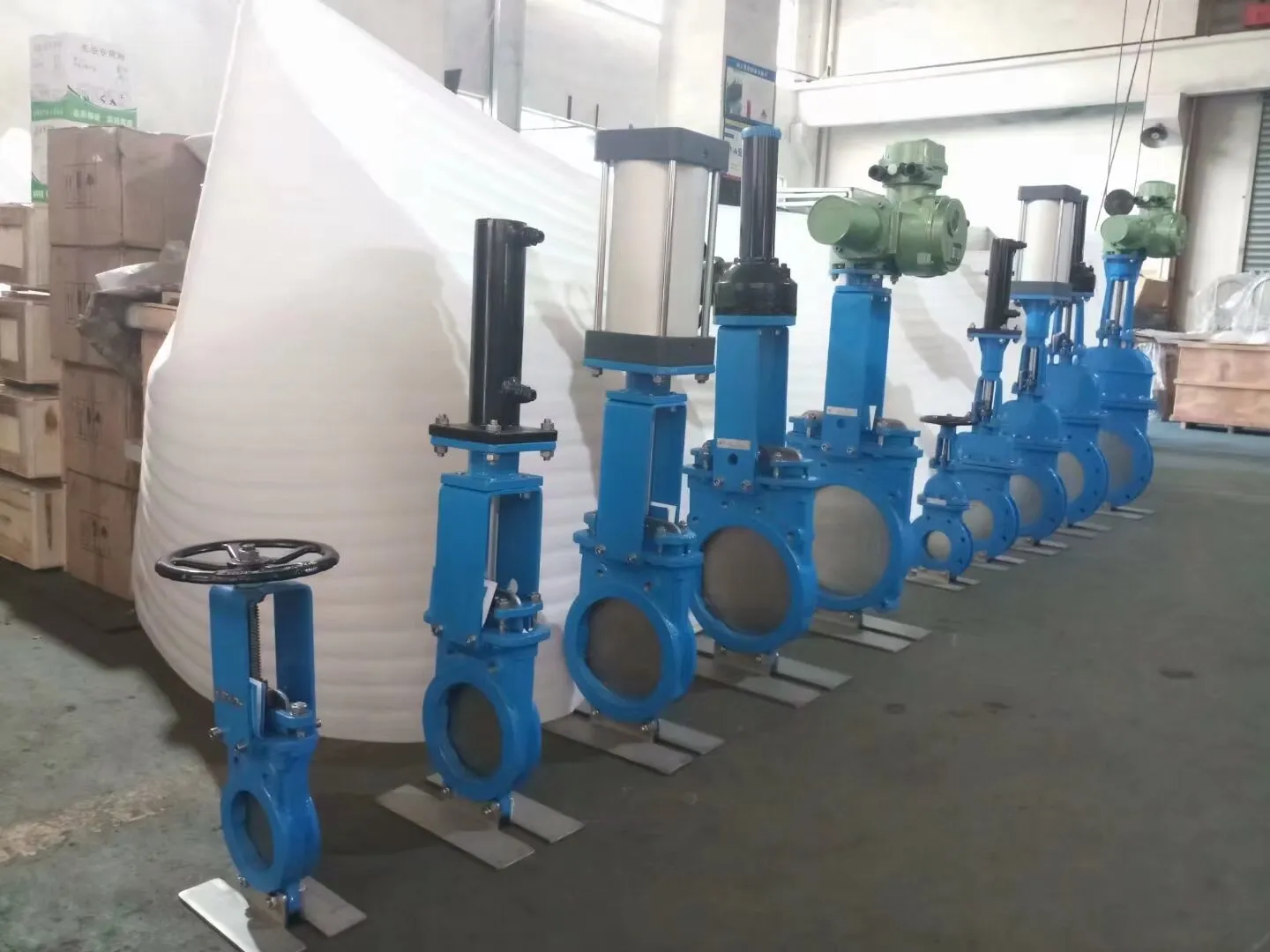
Introduction
High-pressure check valves are critical components in fluid handling systems designed to prevent backflow in pipelines conveying liquids, gases, or slurries under significant pressure differentials. Functionally, they operate passively, allowing flow in one direction while automatically closing to obstruct reverse flow. Their technical position within the industry chain is multifaceted; they are integral to process optimization, safety systems, and equipment protection across numerous sectors including oil and gas, chemical processing, power generation, and high-pressure hydraulic systems. Core performance characteristics are defined by cracking pressure (the minimum differential pressure required to open the valve), flow coefficient (Cv) indicating flow capacity, leakage rate (quantifying allowable backflow), and pressure rating (maximum allowable working pressure), all vital metrics influencing system efficiency and integrity. Addressing key industry pain points, these valves mitigate costly downtime by preventing process contamination, equipment damage from water hammer, and ensuring compliance with stringent safety regulations.
Material Science & Manufacturing
The construction of high-pressure check valves necessitates materials exhibiting exceptional strength, corrosion resistance, and fatigue endurance. Common materials include stainless steels (304, 316, Duplex), alloy steels (e.g., hardened alloys for high wear resistance), and specialized polymers (PTFE, PEEK) for seals and seats. Material selection is intrinsically linked to the fluid conveyed and operating temperature. Manufacturing processes vary based on valve size and design. Body construction frequently employs casting, forging, or machining from solid stock. Disc fabrication utilizes precision machining or powder metallurgy. Welding procedures, particularly for stainless steel components, must adhere to rigorous standards (e.g., ASME Section IX) to ensure weld integrity and prevent corrosion initiation. Key parameter control during manufacturing focuses on dimensional accuracy of the valve seat and disc, surface finish to minimize friction and leakage, and heat treatment processes to optimize material hardness and ductility. Non-destructive testing (NDT) – radiography, ultrasonic testing, and liquid penetrant inspection – is routinely employed to verify weld quality and detect internal flaws. Seal materials are critical, with elastomers requiring precise molding and curing to achieve specified hardness and compression set characteristics, and PTFE demanding careful machining to maintain dimensional stability.
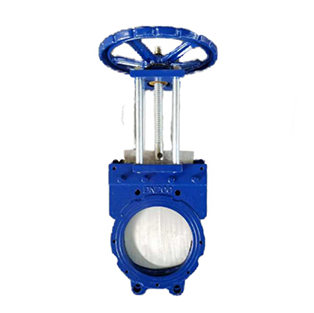
Performance & Engineering
The performance of high-pressure check valves is governed by complex hydrodynamic and structural engineering principles. Force analysis is crucial in determining disc lift and closing force, influenced by fluid velocity, pressure drop, and disc geometry. Cavitation, a significant concern in high-velocity flows, can induce erosion damage to the valve disc and seat. Proper valve design minimizes cavitation through optimized flow paths and the incorporation of energy dissipating features. Environmental resistance is paramount. External exposure necessitates corrosion-resistant coatings or materials (e.g., epoxy coatings, zinc galvanizing). Compliance requirements dictate adherence to specific standards such as API 598 (manufacturing and testing of valves), ASME B16.34 (valves for high-pressure and high-temperature service), and SIL (Safety Integrity Level) certification for safety-critical applications. Functional implementation demands consideration of flow characteristics – whether laminar or turbulent – and the potential for water hammer. Valve sizing must accurately account for anticipated flow rates and pressure drops to prevent premature failure or reduced efficiency. Spring-loaded check valves require careful spring selection to ensure rapid response time and reliable closure. Swing check valves rely on gravity and flow momentum, necessitating proper disc angle and weight distribution.
Technical Specifications
| Parameter | Unit | Typical Value (Steel) | Typical Value (Alloy Steel) |
|---|---|---|---|
| Maximum Working Pressure | PSI | 6000 | 10000 |
| Temperature Range | °F | -20 to 450 | -40 to 650 |
| Cracking Pressure | PSI | 5-10 | 10-15 |
| Flow Coefficient (Cv) | gal/min/PSI | 10-100 | 20-150 |
| Leakage Rate | mL/min | <0.1 | <0.05 |
| Connection Type | - | Flanged, Threaded, Welded | Flanged, Welded |
Failure Mode & Maintenance
High-pressure check valves are susceptible to several failure modes. Fatigue cracking can occur in the valve body or disc due to cyclic loading and pressure fluctuations. Erosion, particularly from abrasive slurries, degrades the disc and seat, leading to increased leakage. Corrosion, influenced by fluid composition and environmental exposure, weakens the valve materials. Delamination of coatings can expose underlying metal to corrosive attack. Seal degradation results in leakage and reduced valve effectiveness. Failure analysis commonly involves visual inspection, metallurgical examination, and non-destructive testing to identify root causes. Preventive maintenance is crucial. Regular inspection of the valve body, disc, and seat for signs of wear, corrosion, or damage is essential. Periodic testing of leakage rates verifies valve performance. Lubrication of moving parts reduces friction and prevents seizing. Replacement of seals and gaskets at recommended intervals maintains leak-tightness. Proper cleaning procedures remove debris and prevent blockage. For critical applications, implementing a condition monitoring program utilizing vibration analysis and thermal imaging can detect early signs of failure.
Industry FAQ
Q: What is the primary difference between a swing check valve and a lift check valve in a high-pressure application?
A: In high-pressure scenarios, lift check valves generally exhibit superior sealing capabilities and are less prone to water hammer compared to swing check valves. Swing check valves rely on gravity and flow momentum for closure, potentially allowing some backflow and creating a “slam” effect. Lift check valves, utilizing a spring-assisted or weighted disc, provide a more positive shut-off and dampened closure, crucial for systems experiencing rapid pressure transients.
Q: How does material selection impact the longevity of a check valve in a corrosive environment?
A: Material selection is paramount. For highly corrosive fluids, alloys like Super Duplex Stainless Steel, Hastelloy, or titanium are preferred over standard stainless steels. Polymer linings (PTFE, PFA) can provide an additional barrier against corrosion. The specific alloy choice depends on the type and concentration of corrosive agents present in the fluid. Regular material compatibility testing is crucial.
Q: What are the implications of exceeding the maximum working pressure rating of a check valve?
A: Exceeding the maximum working pressure rating can lead to catastrophic failure, including valve body rupture, disc fracture, or seal blowout. This can result in significant process downtime, equipment damage, and potential safety hazards. Pressure relief devices should always be implemented upstream of the valve to prevent overpressure conditions.
Q: What maintenance procedures are essential to prevent cavitation damage in a high-pressure check valve?
A: Regular inspection for signs of erosion on the disc and seat is crucial. Ensuring proper valve sizing to avoid excessive pressure drops is fundamental. Minimizing fluid velocity through the valve reduces the likelihood of cavitation. Implementing pulsation dampeners upstream of the valve can mitigate pressure fluctuations. Periodic cleaning to remove any debris that could contribute to cavitation nucleation is also recommended.
Q: What is the role of Non-Destructive Testing (NDT) in ensuring the quality of a high-pressure check valve?
A: NDT methods – radiography, ultrasonic testing, liquid penetrant inspection – are essential for detecting internal flaws (e.g., porosity, cracks) in welds and castings that are not visible to the naked eye. These techniques verify the structural integrity of the valve and ensure it can withstand the intended operating pressures and temperatures. NDT is a critical quality control step during manufacturing and repair.
Conclusion
High-pressure check valves represent a vital component in numerous industrial applications, functioning as a critical safeguard against backflow and ensuring system integrity. The selection, implementation, and maintenance of these valves demand a comprehensive understanding of material science, hydrodynamic principles, and relevant industry standards. Choosing the correct materials – stainless steels, alloy steels, or specialized polymers – tailored to the fluid conveyed and operating environment is paramount to longevity and reliability.
Furthermore, proactive preventative maintenance, including regular inspections, leakage testing, and timely component replacement, is essential to mitigate potential failure modes such as fatigue cracking, erosion, and corrosion. By adhering to best practices in design, manufacturing, and maintenance, operators can maximize the performance and lifespan of high-pressure check valves, minimizing downtime and ensuring safe, efficient operation of critical fluid handling systems.
-
Top Reasons to Choose a Stainless Steel Flange Check Valve for Industrial Applications
-
check valves high pressure Performance Analysis
-
check valves low pressure Performance Analysis
-
High Pressure Check Valves Performance Analysis
-
low pressure check valves Performance Analysis
-
6 check valve Performance Analysis
-
stainless steel check valves Performance Analysis
-
check valve 6 Performance Analysis
-
check valve stainless steel Performance Analysis
-
6 in check valve Performance Engineering
-
6 check valves Performance Analysis
-
12 inch check valve Performance Analysis
-
lift check valves Performance Engineering
-
check valve 12 inch Performance Analysis
-
stop check valve Performance Analysis
 Afrikaans
 Albanian
 Amharic
 Arabic
 Armenian
 Azerbaijani
 Basque
 Belarusian
 Bengali
 Bosnian
 Bulgarian
 Catalan
 Cebuano
 Corsican
 Croatian
 Czech
Czech
 Danish
 Dutch
Dutch
 Esperanto
 Estonian
 Finnish
 French
 Frisian
 Galician
 Georgian
 German
 Greek
Greek
 Gujarati
 Haitian Creole
 Hausa
Hawaiian
Hausa
Hawaiian
 Hebrew
 Hindi
Hindi
 Miao
Miao
 Hungarian
 Icelandic
 Igbo
Igbo
 Indonesian
 Irish
Irish
 Italian
 Japanese
 Javanese
Kannada
Javanese
Kannada
 Kazakh
 Khmer
Khmer
 Rwandese
 Korean
 Kurdish
 Kyrgyz
 Lao
Lao
 Latin
Latin
 Latvian
 Lithuanian
 Luxembourgish
 Macedonian
 Malgashi
 Malay
Malay
 Malayalam
 Maltese
 Maori
Maori
 Marathi
 Mongolian
 Myanmar
 Nepali
 Norwegian
 Norwegian
 Occitan
 Pashto
 Persian
 Polish
 Portuguese
Punjabi
Portuguese
Punjabi
 Romanian
 Russian
 Samoan
 Scottish Gaelic
 Serbian
 Sesotho
 Shona
Shona
 Sindhi
 Sinhala
 Slovak
 Slovenian
 Somali
 Spanish
 Sundanese
 Swahili
 Swedish
Tagalog
Swedish
Tagalog
 Tajik
Tajik
 Tamil
Tamil
 Tatar
Tatar
 Telugu
 Thai
Thai
 Turkish
 Turkmen
 Ukrainian
 Urdu
Urdu
 Uighur
 Uzbek
Uzbek
 Vietnamese
 Welsh
Welsh
 Bantu
Bantu
 Yiddish
 Yoruba
 Zulu
Zulu
 English