




check valve 12 inch Performance Analysis
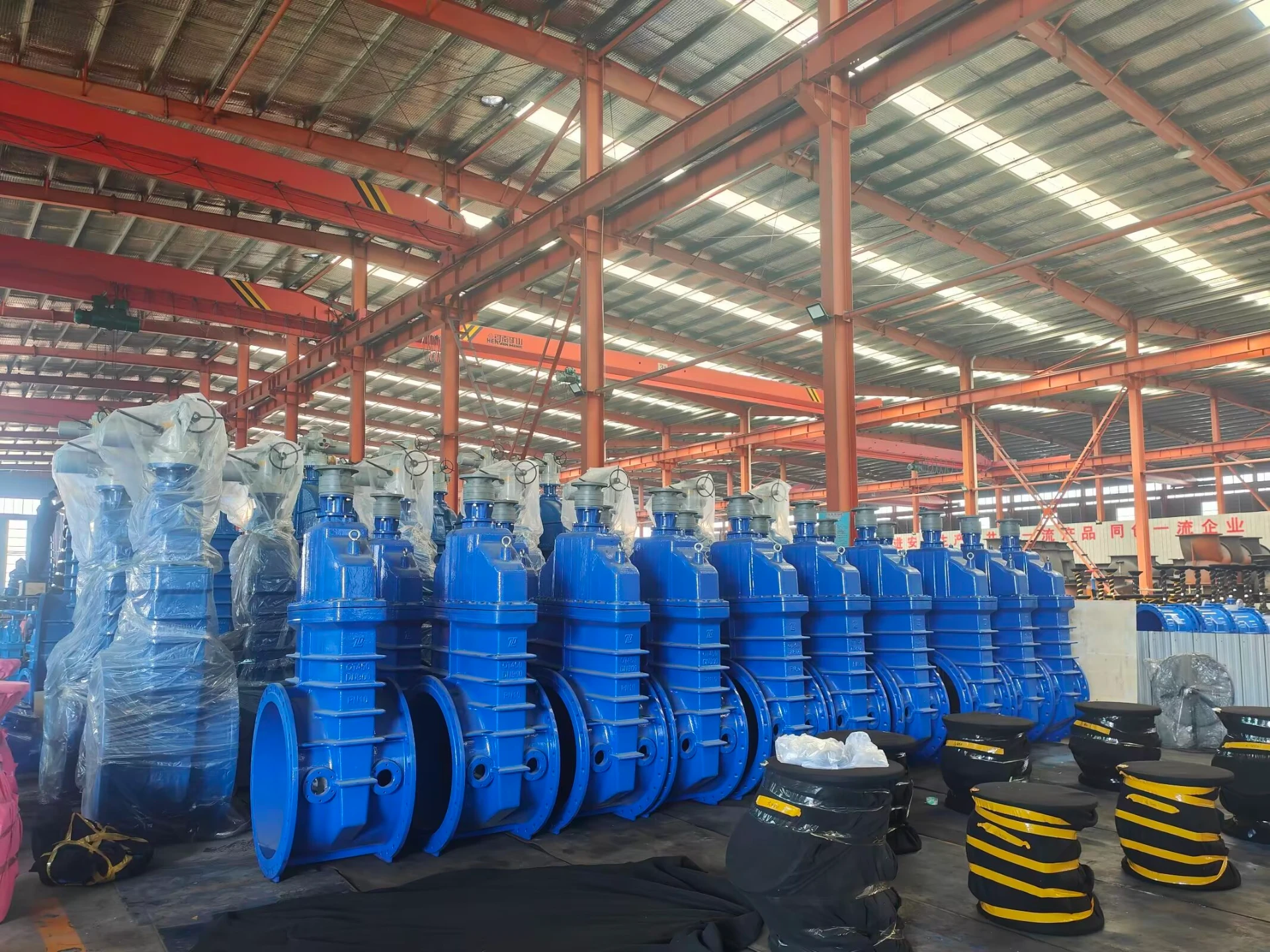
Introduction
The 12-inch check valve is a critical component in fluid handling systems, designed to prevent backflow and ensure unidirectional flow of liquids, gases, or slurries. Positioned within the broader industrial piping network, it functions as a passive safety device, protecting pumps, compressors, and other sensitive equipment from reverse rotation or damage due to pressure surges. Its large 12-inch nominal pipe size makes it particularly suited for high-volume applications in industries such as water treatment, wastewater management, power generation, and oil & gas. Core performance metrics include sealing efficiency (leakage rate), pressure drop, flow capacity (Cv), and material compatibility with the conveyed fluid. Addressing the core industry pain point of maintaining system integrity and preventing costly downtime due to backflow events, the 12-inch check valve demands robust design, reliable operation, and adherence to stringent industry standards.
Material Science & Manufacturing
The body of a 12-inch check valve is commonly manufactured from cast iron (ASTM A126 Class B), ductile iron (ASTM A536 65-45-12), or stainless steel (304/316 – ASTM A351). Cast iron provides cost-effectiveness and good wear resistance for less corrosive environments, while ductile iron offers enhanced strength and impact resistance. Stainless steel is selected for highly corrosive fluids or applications requiring superior hygiene, like in pharmaceutical processing. Internal components, specifically the disc (clapper) and seat, are frequently constructed from materials like PTFE, EPDM, Nitrile, or stainless steel, chosen for their chemical compatibility and sealing characteristics. The manufacturing process typically involves sand casting for the body, followed by machining to achieve precise dimensions and smooth sealing surfaces. For stainless steel valves, investment casting or centrifugal casting may be employed for higher accuracy and material density. Welding procedures (AWS D1.1) are critical for joined components, requiring qualified welders and non-destructive testing (NDT) like radiographic inspection to ensure structural integrity. Key parameter control involves maintaining tight tolerances on the disc-to-seat contact area, ensuring concentricity of the disc within the body, and achieving a surface finish (Ra) of less than 0.8 μm on sealing surfaces to minimize leakage. Heat treatment processes are implemented to relieve internal stresses and enhance material hardness.

Performance & Engineering
The performance of a 12-inch check valve is heavily influenced by hydraulic forces acting upon the disc. Force analysis must consider fluid velocity, pressure differentials, and the disc's geometry to prevent slam (rapid closure). Slam can lead to water hammer, which induces damaging pressure spikes throughout the piping system. Swing check valves mitigate slam through a pivoting disc design, while lift check valves utilize a spring-assisted mechanism or streamlined disc profile to promote smoother closure. Environmental resistance is a critical factor. External coatings (e.g., epoxy or fusion-bonded epoxy) are applied to carbon steel and ductile iron bodies to protect against corrosion in harsh environments (ISO 12944). For submerged applications, the valve’s buoyancy and hydrostatic pressure must be accounted for in the engineering design. Compliance requirements vary depending on the application. Potable water systems require valves certified to NSF/ANSI 61 for lead content and material safety. Oil & gas applications necessitate compliance with API 6D and API 598, mandating rigorous testing procedures including hydrostatic shell testing and seat leakage testing. Furthermore, the valve’s pressure-temperature rating (ANSI B16.34) must be matched to the process conditions to ensure safe and reliable operation.
Technical Specifications
| Parameter | Swing Check Valve | Lift Check Valve | Ball Check Valve |
|---|---|---|---|
| Nominal Pipe Size | 12 inches (300mm) | 12 inches (300mm) | 12 inches (300mm) |
| Pressure Rating (PSI) | Up to 250 | Up to 500 | Up to 1000 |
| Connection Type | Flanged (ANSI B16.5) | Flanged (ANSI B16.5) | Flanged (ANSI B16.5) |
| Material (Body) | Ductile Iron (65-45-12) | Stainless Steel (316) | Carbon Steel (A216 WCB) |
| Material (Disc/Clapper) | Bronze (B148) | Stainless Steel (316) | Stainless Steel (316) |
| Leakage Rate (Class VI) | 0.1 cc/min/inch of seat perimeter | 0.1 cc/min/inch of seat perimeter | Negligible |
Failure Mode & Maintenance
Common failure modes for 12-inch check valves include disc sticking (due to debris accumulation or corrosion), seat erosion (caused by abrasive particles in the fluid), and body cracking (resulting from excessive pressure or thermal stress). Fatigue cracking can occur in the disc or body under cyclical loading. Delamination of internal coatings (e.g., epoxy) can expose the underlying metal to corrosion. Oxidation and corrosion of stainless steel components can occur in environments containing chlorides or sulfides. Failure analysis should include visual inspection for cracks, erosion, and corrosion; non-destructive testing (NDT) such as liquid penetrant testing or ultrasonic testing to detect subsurface flaws; and metallurgical analysis to identify the root cause of failure. Preventive maintenance involves regular inspection of the valve’s internal components, cleaning to remove debris, lubrication of moving parts (where applicable), and periodic testing of the seat leakage. For valves operating in corrosive environments, consider implementing a corrosion monitoring program and replacing components proactively. Annual testing in accordance with API 598 is recommended to verify seat leakage and overall valve performance. Replacing seals and gaskets proactively during scheduled shutdowns can prevent unexpected failures.
Industry FAQ
Q: What is the primary difference between swing and lift check valves in a 12-inch application, and how does it affect pump performance?
A: Swing check valves utilize a disc that pivots on a hinge, offering minimal flow restriction when open. However, they are susceptible to water hammer if closure is rapid. Lift check valves, where the disc is raised vertically, generally provide quicker and more positive shut-off, reducing the risk of water hammer, but introduce a slightly higher pressure drop due to the disc’s travel path. The choice impacts pump performance; swing valves favor higher flow rates with lower head loss, while lift valves prioritize protection against water hammer and are preferred for pumps prone to backflow surges.
Q: How does the material selection of the valve body impact its lifespan in a wastewater treatment facility?
A: Wastewater typically contains abrasive solids and corrosive chemicals. Cast iron bodies, while economical, are vulnerable to corrosion and erosion. Ductile iron offers improved corrosion resistance and strength, but can still corrode over time. Stainless steel (316) is the preferred material for long-term durability in wastewater applications, as it exhibits superior resistance to corrosion and abrasion. Epoxy coatings can extend the life of ductile iron valves, but require periodic inspection and recoating.
Q: What are the critical testing procedures outlined in API 598 for a 12-inch check valve, and what do they verify?
A: API 598 outlines hydrostatic shell testing (to verify body integrity at a specified pressure), seat leakage testing (to measure leakage rate across the seat – Class VI is common), and visual inspection for defects. Shell testing confirms the valve can withstand the maximum allowable working pressure. Seat leakage testing ensures the valve effectively prevents backflow. These tests are crucial for verifying the valve’s functionality and safety.
Q: What considerations should be made when selecting a check valve for a slurry application containing abrasive particles?
A: Slurry applications necessitate a valve design that minimizes erosion. Hardened materials such as stainless steel with high chromium content, or specialized coatings (e.g., tungsten carbide) are essential. A larger flow area can reduce fluid velocity and subsequently erosion rates. Lift check valves, with their streamlined disc design, often perform better in slurry applications than swing check valves, as the disc is less exposed to direct impact from abrasive particles.
Q: What is the significance of the 'Cv' value for a 12-inch check valve, and how does it relate to system efficiency?
A: The 'Cv' (flow coefficient) value indicates the valve’s ability to pass fluid at a specific pressure drop. A higher Cv value signifies a lower pressure drop and therefore, a more efficient flow. Selecting a check valve with an appropriately sized Cv value minimizes energy losses in the system, reducing pump load and operating costs. Mismatched Cv values can lead to either excessive pressure drop (reducing flow) or increased turbulence (causing noise and vibration).
Conclusion
The 12-inch check valve, while seemingly simple in function, is a critical component requiring careful consideration of material science, manufacturing processes, and engineering principles. Selecting the correct valve type – swing, lift, or ball – depends heavily on the application, fluid characteristics, and operational requirements. Adhering to relevant industry standards such as API, ANSI, and ISO is paramount for ensuring safety, reliability, and longevity. Addressing potential failure modes through proactive maintenance and regular inspection is vital for minimizing downtime and protecting upstream equipment.
Future trends in 12-inch check valve technology include the development of smarter valves with integrated sensors for monitoring performance and predicting maintenance needs. Advanced materials, such as duplex stainless steels and ceramic coatings, will offer enhanced corrosion and erosion resistance in demanding applications. Optimized valve designs focusing on minimizing pressure drop and eliminating water hammer will contribute to improved system efficiency and reduced operating costs. Ultimately, a technically informed approach to check valve selection and maintenance remains the cornerstone of reliable fluid handling systems.
-
Top Reasons to Choose a Stainless Steel Flange Check Valve for Industrial Applications
-
12 inch check valve Performance Analysis
-
lift check valves Performance Engineering
-
check valve 12 inch Performance Analysis
-
stop check valve Performance Analysis
-
check stop valve Performance Analysis
-
stop check valves Performance Analysis
-
pilot operated check valve Performance Analysis
-
spring loaded check valve Material Science Manufacturing
-
pilot operated check valves Performance Analysis
-
check valve pilot operated Performance Analysis
-
1 4 in check valve Performance Engineering
-
check valve 3 4 Performance Analysis
-
11 2 check valve Performance Analysis
-
spring check valve Material Science Manufacturing
 Afrikaans
 Albanian
 Amharic
 Arabic
 Armenian
 Azerbaijani
 Basque
 Belarusian
 Bengali
 Bosnian
 Bulgarian
 Catalan
 Cebuano
 Corsican
 Croatian
 Czech
Czech
 Danish
 Dutch
Dutch
 Esperanto
 Estonian
 Finnish
 French
 Frisian
 Galician
 Georgian
 German
 Greek
Greek
 Gujarati
 Haitian Creole
 Hausa
Hawaiian
Hausa
Hawaiian
 Hebrew
 Hindi
Hindi
 Miao
Miao
 Hungarian
 Icelandic
 Igbo
Igbo
 Indonesian
 Irish
Irish
 Italian
 Japanese
 Javanese
Kannada
Javanese
Kannada
 Kazakh
 Khmer
Khmer
 Rwandese
 Korean
 Kurdish
 Kyrgyz
 Lao
Lao
 Latin
Latin
 Latvian
 Lithuanian
 Luxembourgish
 Macedonian
 Malgashi
 Malay
Malay
 Malayalam
 Maltese
 Maori
Maori
 Marathi
 Mongolian
 Myanmar
 Nepali
 Norwegian
 Norwegian
 Occitan
 Pashto
 Persian
 Polish
 Portuguese
Punjabi
Portuguese
Punjabi
 Romanian
 Russian
 Samoan
 Scottish Gaelic
 Serbian
 Sesotho
 Shona
Shona
 Sindhi
 Sinhala
 Slovak
 Slovenian
 Somali
 Spanish
 Sundanese
 Swahili
 Swedish
Tagalog
Swedish
Tagalog
 Tajik
Tajik
 Tamil
Tamil
 Tatar
Tatar
 Telugu
 Thai
Thai
 Turkish
 Turkmen
 Ukrainian
 Urdu
Urdu
 Uighur
 Uzbek
Uzbek
 Vietnamese
 Welsh
Welsh
 Bantu
Bantu
 Yiddish
 Yoruba
 Zulu
Zulu
 English