




check valve pilot operated Performance Analysis
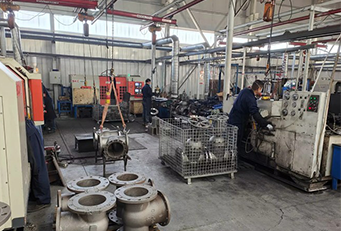
Introduction
Pilot-operated check valves are critical components in fluid handling systems, primarily designed to prevent backflow in pipelines while offering reduced pressure drop compared to conventional swing or lift check valves. They occupy a specific niche in the industrial chain, functioning downstream of pumps and compressors and upstream of sensitive equipment. These valves utilize a pilot mechanism to initiate opening and closing, improving responsiveness and efficiency, particularly in large-diameter pipeline applications and those handling viscous fluids. Their core performance characteristics revolve around minimizing pressure loss, ensuring reliable sealing to prevent reverse flow, and providing controlled operation under varying flow conditions. The primary industry pain point addressed by pilot-operated check valves is the inherent trade-off between preventing backflow and minimizing head loss, a critical factor affecting pump efficiency and overall system energy consumption. Traditional check valves often suffer from significant pressure drop, leading to increased operating costs and potential cavitation issues. Pilot-operated designs mitigate this by allowing forward flow with minimal restriction and only closing decisively upon detecting reverse flow.
Material Science & Manufacturing
The construction of pilot-operated check valves relies on a range of materials selected for their mechanical strength, corrosion resistance, and compatibility with the conveyed fluid. The valve body is commonly fabricated from carbon steel (ASTM A105, A216 WCB), stainless steel (304, 316 – ASTM A351), or ductile iron (ASTM A536). Material selection is dictated by the fluid’s chemical composition and operating temperature. Internally, the disc, often a stainless steel (316L) or alloy steel component, is crucial for sealing. The pilot system incorporates softer materials like NBR (Nitrile Butadiene Rubber), EPDM (Ethylene Propylene Diene Monomer), or PTFE (Polytetrafluoroethylene) for seals and diaphragms, chosen for their elastic properties and chemical inertness. Manufacturing involves several key processes. The valve body is typically cast or forged, followed by precision machining to achieve tight tolerances on critical dimensions. The disc is either forged and machined or utilizes powder metallurgy for complex geometries. The pilot system is assembled using injection molding for polymeric components and involves meticulous assembly of smaller components like springs, nozzles, and pistons. Parameter control during manufacturing is paramount; surface finish of the disc is critical for leak tightness (Ra < 0.8 µm), weld quality in steel bodies must adhere to ASME Section IX standards, and dimensional accuracy of the pilot components directly affects responsiveness. Heat treatment processes are applied to alloy steel components to enhance their hardness and wear resistance.

Performance & Engineering
The performance of a pilot-operated check valve is heavily influenced by hydraulic principles and material properties. Force analysis focuses on the pressure differential across the disc during forward and reverse flow conditions. Forward flow requires overcoming the spring force and a minimal pressure drop; reverse flow triggers the pilot mechanism, resulting in a significant force clamping the disc against the seat. Environmental resistance is a key consideration, particularly concerning temperature extremes and corrosive environments. Valve designs must accommodate thermal expansion and contraction of materials to prevent binding and maintain sealing integrity. Compliance requirements often dictate material certifications (e.g., NACE MR0175/ISO 15156 for sour gas applications) and pressure testing standards (API 598). The functional implementation of the pilot system is critical. A small orifice detects reverse flow, creating a pressure drop that actuates a piston, which, in turn, closes the main disc. The pilot’s responsiveness is governed by the orifice size, spring rate, and piston travel. Proper sizing of the pilot system is essential to prevent unwanted chatter or delayed closure. Furthermore, cavitation risk must be evaluated. Incorrect valve sizing or excessive pressure drop can create vapor bubbles that damage the disc and valve body. Fluid velocity profiles within the valve body are also analyzed using Computational Fluid Dynamics (CFD) to optimize flow patterns and minimize turbulence.
Technical Specifications
| Parameter | Unit | Typical Value | Tolerance |
|---|---|---|---|
| Maximum Operating Pressure | psi | 250 | ±10% |
| Maximum Operating Temperature | °F | 450 | ±15% |
| Valve Size (DN) | mm | 150 | ±3mm |
| Cv Value | (gal/min)/√psi | 500 | ±5% |
| Leakage Rate (Bubble Tight) | cc/min | < 5 | N/A |
| Pilot Fluid | - | Air/Nitrogen | N/A |
Failure Mode & Maintenance
Pilot-operated check valves are susceptible to several failure modes. Fatigue cracking of the disc or valve body can occur due to cyclic pressure loading and vibration. Delamination of coatings on the disc can compromise sealing performance. Degradation of the pilot system's elastomeric seals (NBR, EPDM) leads to loss of responsiveness and eventual leakage. Oxidation and corrosion, particularly in harsh environments, can damage valve components and cause seizing. A common failure is sticking of the pilot piston due to dirt or debris contamination. Failure analysis often reveals root causes stemming from improper fluid filtration, exceeding pressure/temperature limits, or inadequate material selection. Preventative maintenance is crucial. Regular inspection of the disc and seat for wear or damage is recommended. Periodic cleaning or replacement of the pilot system's filters prevents debris buildup. Lubrication of moving parts, such as the piston, extends operational life. Overhaul procedures include disassembling the valve, inspecting all components, replacing worn seals, and verifying proper operation of the pilot mechanism. Non-destructive testing (NDT) methods, such as liquid penetrant inspection or ultrasonic testing, can detect hidden cracks or flaws. Furthermore, implementing a scheduled preventative maintenance program aligned with manufacturer recommendations and operating conditions significantly reduces the risk of unexpected failures and extends valve service life.
Industry FAQ
Q: What are the primary advantages of a pilot-operated check valve over a swing check valve in a large diameter pipeline?
A: In large diameter pipelines, swing check valves experience significant pressure drop due to the large disc area and flow turbulence. Pilot-operated check valves, by utilizing a smaller pilot orifice and a responsive closing mechanism, minimize this pressure drop, leading to improved pump efficiency and reduced energy costs. They also handle viscous fluids more effectively.
Q: What fluid compatibility considerations are crucial when selecting materials for the valve body and seals?
A: The conveyed fluid’s chemical composition, temperature, and pressure dictate material selection. Corrosive fluids necessitate stainless steel (316L, Duplex) or alloy bodies. Elastomeric seals must be compatible with the fluid to prevent swelling, degradation, or cracking. For example, PTFE is often used with aggressive chemicals, while NBR is suitable for oil-based fluids.
Q: How does the pilot orifice size impact the valve's response time and susceptibility to clogging?
A: Smaller pilot orifices provide faster response times but are more prone to clogging. Larger orifices offer better resistance to clogging but may compromise responsiveness. Optimal orifice sizing depends on the fluid’s cleanliness and viscosity, and often requires a trade-off between these two factors.
Q: What is the impact of improper valve sizing on the performance and longevity of a pilot-operated check valve?
A: Incorrect valve sizing can lead to excessive pressure drop, cavitation, and accelerated wear of the disc and seat. Undersized valves restrict flow, while oversized valves may not close effectively, resulting in backflow. Proper sizing requires accurate flow rate calculations and consideration of fluid properties.
Q: What are the recommended maintenance procedures for the pilot system to ensure reliable operation?
A: Regular inspection of the pilot filters for debris is essential. Periodically clean or replace the filters as needed. Lubricate the pilot piston with a compatible lubricant. Inspect the seals for wear or damage and replace them proactively. Perform functional tests to verify the pilot system's responsiveness.
Conclusion
Pilot-operated check valves represent a sophisticated solution to the challenges of backflow prevention and pressure loss minimization in fluid handling systems. Their unique design, utilizing a pilot mechanism, provides superior performance in applications where conventional check valves fall short. Successful implementation demands meticulous material selection based on fluid compatibility and operating conditions, alongside precise manufacturing processes to ensure tight tolerances and reliable operation.
Looking forward, advancements in valve design will likely focus on integrating smart sensors for remote monitoring and predictive maintenance. The adoption of advanced materials, such as ceramic discs and corrosion-resistant alloys, will further enhance valve longevity and performance in demanding applications. Ultimately, pilot-operated check valves will continue to play a crucial role in optimizing fluid system efficiency and reliability across diverse industries.
-
Top Reasons to Choose a Stainless Steel Flange Check Valve for Industrial Applications
-
stop check valves Performance Analysis
-
pilot operated check valve Performance Analysis
-
spring loaded check valve Material Science Manufacturing
-
pilot operated check valves Performance Analysis
-
check valve pilot operated Performance Analysis
-
1 4 in check valve Performance Engineering
-
check valve 3 4 Performance Analysis
-
11 2 check valve Performance Analysis
-
spring check valve Material Science Manufacturing
-
DN100 Flange Performance Analysis
-
DN50 Flange Performance Analysis
-
double flanged butterfly valve Performance Analysis
-
forged flanges Performance Analysis
-
4 blind flange Performance Engineering
 Afrikaans
 Albanian
 Amharic
 Arabic
 Armenian
 Azerbaijani
 Basque
 Belarusian
 Bengali
 Bosnian
 Bulgarian
 Catalan
 Cebuano
 Corsican
 Croatian
 Czech
Czech
 Danish
 Dutch
Dutch
 Esperanto
 Estonian
 Finnish
 French
 Frisian
 Galician
 Georgian
 German
 Greek
Greek
 Gujarati
 Haitian Creole
 Hausa
Hawaiian
Hausa
Hawaiian
 Hebrew
 Hindi
Hindi
 Miao
Miao
 Hungarian
 Icelandic
 Igbo
Igbo
 Indonesian
 Irish
Irish
 Italian
 Japanese
 Javanese
Kannada
Javanese
Kannada
 Kazakh
 Khmer
Khmer
 Rwandese
 Korean
 Kurdish
 Kyrgyz
 Lao
Lao
 Latin
Latin
 Latvian
 Lithuanian
 Luxembourgish
 Macedonian
 Malgashi
 Malay
Malay
 Malayalam
 Maltese
 Maori
Maori
 Marathi
 Mongolian
 Myanmar
 Nepali
 Norwegian
 Norwegian
 Occitan
 Pashto
 Persian
 Polish
 Portuguese
Punjabi
Portuguese
Punjabi
 Romanian
 Russian
 Samoan
 Scottish Gaelic
 Serbian
 Sesotho
 Shona
Shona
 Sindhi
 Sinhala
 Slovak
 Slovenian
 Somali
 Spanish
 Sundanese
 Swahili
 Swedish
Tagalog
Swedish
Tagalog
 Tajik
Tajik
 Tamil
Tamil
 Tatar
Tatar
 Telugu
 Thai
Thai
 Turkish
 Turkmen
 Ukrainian
 Urdu
Urdu
 Uighur
 Uzbek
Uzbek
 Vietnamese
 Welsh
Welsh
 Bantu
Bantu
 Yiddish
 Yoruba
 Zulu
Zulu
 English