




stop check valves Performance Analysis
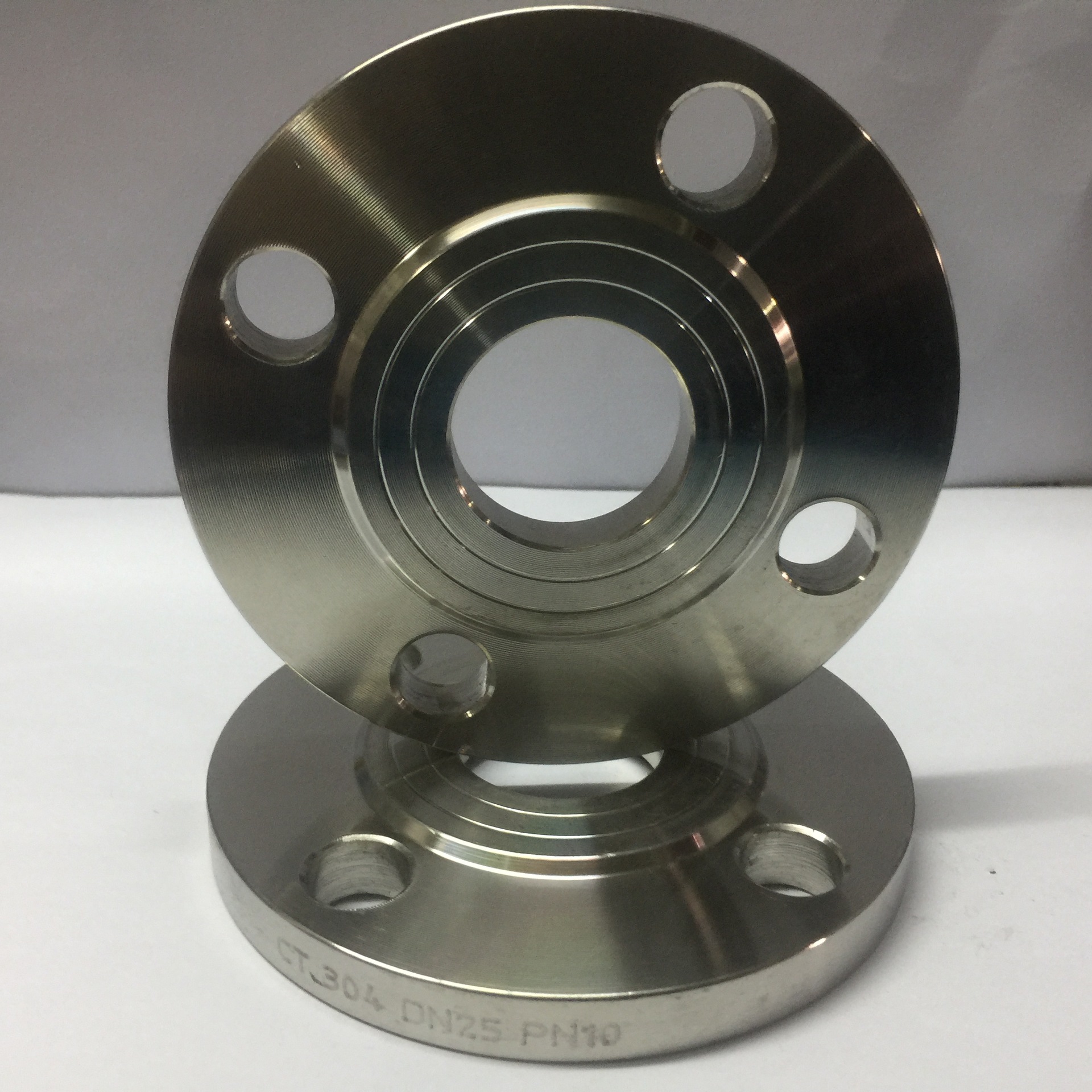
Introduction
Stop check valves are critical components in fluid handling systems, designed to allow unidirectional flow while preventing backflow. Positioned within the industrial chain as a final control element following pumps, compressors, or relying on gravity feed, their primary function is safeguarding equipment and maintaining process integrity. These valves operate passively, utilizing the pressure of the flowing medium to open and close the valve disc or poppet. Core performance characteristics center around leak tightness, pressure drop, flow capacity (Cv), and material compatibility with the conveyed fluid. Industries relying heavily on these valves include water treatment, oil and gas, chemical processing, power generation, and HVAC systems. A key pain point for operators is selecting the correct valve material and design to withstand the operating conditions (temperature, pressure, fluid corrosivity) and minimize maintenance interventions while adhering to stringent safety regulations.
Material Science & Manufacturing
Stop check valves are manufactured from a diverse range of materials, each offering specific advantages. Common body materials include cast iron (ASTM A126 Grade B), ductile iron (ASTM A536 65-45-12), stainless steel (304/316 – ASTM A351 Grade CF8/CF8M), and engineered plastics like PVC (ASTM D1785) and CPVC (ASTM D1784). The internal components, particularly the disc and seat, often utilize materials with superior wear resistance, such as ceramics (aluminum oxide, silicon carbide), PTFE (polytetrafluoroethylene – ASTM D3149), or hardened stainless steel. The manufacturing process varies depending on the material and valve size. Cast iron and ductile iron valves are typically produced via sand casting, followed by machining and surface treatment (e.g., epoxy coating for corrosion resistance). Stainless steel valves can be investment cast or forged, requiring extensive machining and polishing to achieve tight tolerances. Plastic valves are commonly produced through injection molding, allowing for complex geometries and cost-effective production. Key parameter control during manufacturing includes dimensional accuracy of the disc and seat to ensure leak-tight sealing, surface finish to minimize friction and flow restriction, and heat treatment to achieve desired material hardness and strength. Welding processes used in fabrication (e.g., for stainless steel valves) require strict adherence to standards like AWS D1.1 to prevent porosity and ensure structural integrity. Material traceability is also crucial for quality control and compliance.
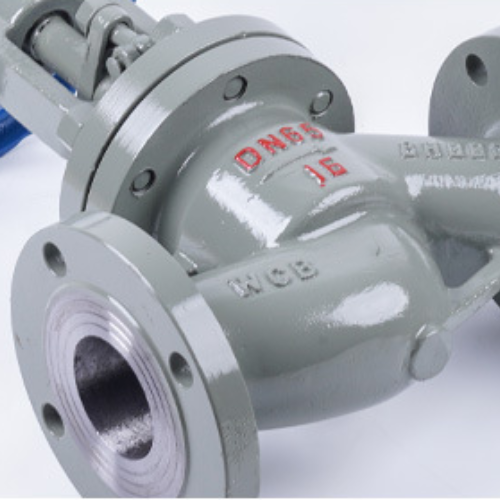
Performance & Engineering
The performance of a stop check valve is fundamentally governed by fluid dynamics and mechanical engineering principles. Force analysis involves assessing the forces acting on the disc due to fluid pressure, gravity, and flow velocity. The closing force must overcome the opposing forces to ensure positive shutoff. Environmental resistance is a critical consideration; valves operating in corrosive environments require materials with high chemical compatibility. Stainless steel alloys, particularly those with molybdenum content (e.g., 316), offer enhanced resistance to chloride-induced pitting corrosion. Temperature extremes can also affect valve performance; high temperatures can reduce material strength and lead to thermal expansion, while low temperatures can cause embrittlement. Compliance requirements vary by industry and region. For potable water applications, valves must meet NSF/ANSI 61 standards for lead content and material safety. Valves used in hazardous locations must comply with ATEX or IECEx standards for explosion protection. Functional implementation relies on understanding the valve's Cv (flow coefficient) and pressure-temperature ratings. Proper valve sizing is essential to minimize pressure drop and prevent cavitation, which can damage the valve internals. Furthermore, proper installation orientation (vertical or horizontal) is critical for optimal performance, particularly for swing check valves where gravity assists in closure.
Technical Specifications
| Parameter | Swing Check Valve (Carbon Steel) | Lift Check Valve (Stainless Steel 316) | Ball Check Valve (PVC) | Wafer Check Valve (Ductile Iron) |
|---|---|---|---|---|
| Maximum Pressure (PSI) | 200 | 300 | 150 | 250 |
| Temperature Range (°F) | -20 to 450 | -40 to 500 | 32 to 140 | -20 to 350 |
| Cv (Flow Coefficient) | 0.8 - 10 | 0.5 - 8 | 0.3 - 5 | 1.2 - 15 |
| Connection Type | Threaded, Flanged | Threaded, Flanged, Socket Weld | Socket Weld, Threaded | Flanged, Lugged |
| Leakage Rate (ASTM F371) | Class IV | Class V | Class VI | Class IV |
| Material – Body | Carbon Steel (A105) | Stainless Steel 316 (CF8M) | PVC (Type 1 Grade 1) | Ductile Iron (65-45-12) |
Failure Mode & Maintenance
Stop check valves are susceptible to several failure modes. Fatigue cracking can occur in the disc or body due to repeated stress cycles, particularly in systems with pressure pulsations. Erosion and corrosion can damage the disc and seat, leading to leakage. Foreign particle impingement can prevent proper closure. For swing check valves, slamming can occur if the backflow velocity is excessive, causing impact damage. Delamination of coatings (e.g., epoxy) can expose the underlying metal to corrosion. Oxidation, particularly in high-temperature applications, can weaken the valve materials. Preventive maintenance is crucial. Regular inspection should include visual checks for leaks, corrosion, and damage. Periodic testing of the valve's closing function is recommended. Lubrication of moving parts (where applicable) can reduce friction and wear. For valves operating in harsh environments, consider implementing a corrosion monitoring program. When replacing parts, ensure compatibility with the conveyed fluid and operating conditions. For severely corroded valves, complete replacement is often the most cost-effective solution. Proper cleaning prior to long-term storage is also recommended to prevent corrosion and ensure operational readiness.
Industry FAQ
Q: What is the impact of fluid viscosity on the performance of a swing check valve?
A: Higher fluid viscosity increases the damping force on the disc, slowing down its closing speed and potentially increasing the risk of water hammer. This can also reduce the valve's flow capacity and increase pressure drop.
Q: How do I select the appropriate material for a check valve used in a seawater application?
A: Seawater is highly corrosive due to its high chloride content. Stainless steel alloys with high molybdenum content (e.g., 316, duplex stainless steel) or specialized coatings like PTFE are recommended. Avoid carbon steel unless it is adequately protected with a corrosion-resistant coating.
Q: What are the advantages of a ball check valve over a swing check valve in a slurry service?
A: Ball check valves are generally more tolerant of solid particles in the fluid stream than swing check valves. The ball design minimizes the potential for clogging and wear, making them suitable for slurry applications.
Q: What is the significance of the leakage rate classification (ASTM F371)?
A: ASTM F371 defines leakage rate classifications based on the amount of leakage allowed per cycle. Lower class numbers (e.g., Class V, Class VI) indicate tighter sealing and minimal leakage.
Q: What are the considerations when installing a check valve in a vertical pipeline?
A: In vertical pipelines, the weight of the disc must be considered. For swing check valves, ensure the valve is installed with the disc oriented downwards to facilitate closure. For lift check valves, proper support and alignment are crucial to prevent binding.
Conclusion
Stop check valves represent a fundamental, yet often overlooked, element in fluid system design. Their selection and application require a thorough understanding of material science, fluid dynamics, and applicable industry standards. Prioritizing material compatibility, correct sizing, and regular maintenance are paramount to ensuring reliable performance and preventing costly failures. The increasing demand for efficiency and safety in industrial processes will continue to drive innovation in check valve technology, with a focus on improved sealing mechanisms, corrosion resistance, and reduced pressure drop.
Future developments will likely include the integration of smart sensors and predictive maintenance algorithms to monitor valve health and optimize maintenance schedules. The move towards more sustainable materials and manufacturing processes will also influence the design and production of stop check valves, aligning with global environmental concerns. A proactive approach to valve management, encompassing proper specification, installation, and maintenance, remains the cornerstone of long-term operational success.
-
Top Reasons to Choose a Stainless Steel Flange Check Valve for Industrial Applications
-
stop check valves Performance Analysis
-
pilot operated check valve Performance Analysis
-
spring loaded check valve Material Science Manufacturing
-
pilot operated check valves Performance Analysis
-
check valve pilot operated Performance Analysis
-
1 4 in check valve Performance Engineering
-
check valve 3 4 Performance Analysis
-
11 2 check valve Performance Analysis
-
spring check valve Material Science Manufacturing
-
DN100 Flange Performance Analysis
-
DN50 Flange Performance Analysis
-
double flanged butterfly valve Performance Analysis
-
forged flanges Performance Analysis
-
4 blind flange Performance Engineering
 Afrikaans
 Albanian
 Amharic
 Arabic
 Armenian
 Azerbaijani
 Basque
 Belarusian
 Bengali
 Bosnian
 Bulgarian
 Catalan
 Cebuano
 Corsican
 Croatian
 Czech
Czech
 Danish
 Dutch
Dutch
 Esperanto
 Estonian
 Finnish
 French
 Frisian
 Galician
 Georgian
 German
 Greek
Greek
 Gujarati
 Haitian Creole
 Hausa
Hawaiian
Hausa
Hawaiian
 Hebrew
 Hindi
Hindi
 Miao
Miao
 Hungarian
 Icelandic
 Igbo
Igbo
 Indonesian
 Irish
Irish
 Italian
 Japanese
 Javanese
Kannada
Javanese
Kannada
 Kazakh
 Khmer
Khmer
 Rwandese
 Korean
 Kurdish
 Kyrgyz
 Lao
Lao
 Latin
Latin
 Latvian
 Lithuanian
 Luxembourgish
 Macedonian
 Malgashi
 Malay
Malay
 Malayalam
 Maltese
 Maori
Maori
 Marathi
 Mongolian
 Myanmar
 Nepali
 Norwegian
 Norwegian
 Occitan
 Pashto
 Persian
 Polish
 Portuguese
Punjabi
Portuguese
Punjabi
 Romanian
 Russian
 Samoan
 Scottish Gaelic
 Serbian
 Sesotho
 Shona
Shona
 Sindhi
 Sinhala
 Slovak
 Slovenian
 Somali
 Spanish
 Sundanese
 Swahili
 Swedish
Tagalog
Swedish
Tagalog
 Tajik
Tajik
 Tamil
Tamil
 Tatar
Tatar
 Telugu
 Thai
Thai
 Turkish
 Turkmen
 Ukrainian
 Urdu
Urdu
 Uighur
 Uzbek
Uzbek
 Vietnamese
 Welsh
Welsh
 Bantu
Bantu
 Yiddish
 Yoruba
 Zulu
Zulu
 English