




pilot operated check valves Performance Analysis
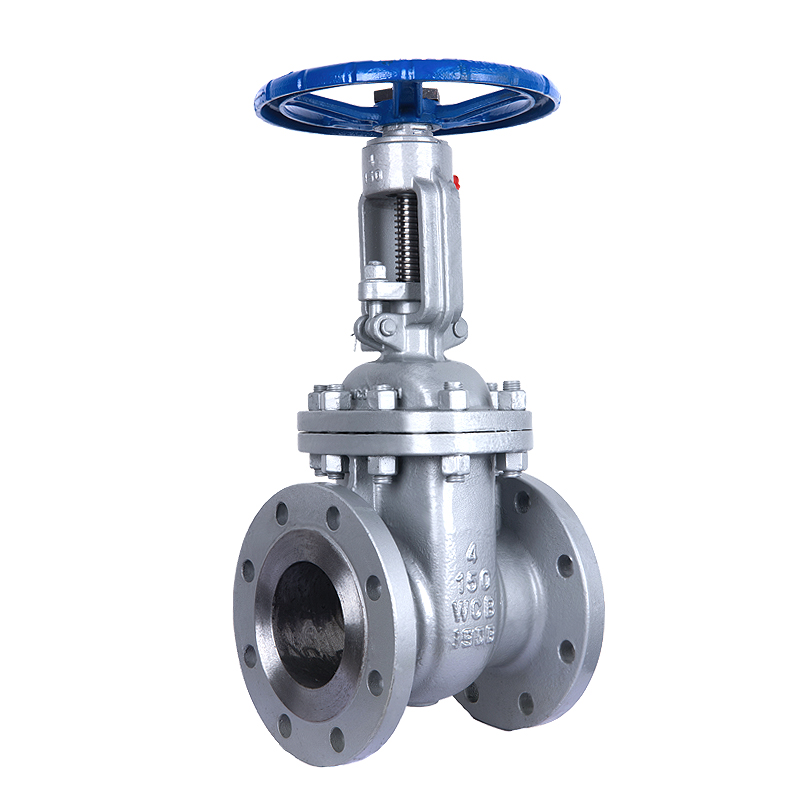
Introduction
Pilot Operated Check Valves (POCVs) are critical components in fluid control systems, particularly within industries demanding bi-directional flow prevention and reliable backflow protection. Unlike conventional check valves, POCVs utilize a pilot signal – typically system pressure – to actively control the valve’s opening and closing, offering significantly reduced cracking pressures and enhanced responsiveness. Their position within the industrial chain is primarily as a protective element downstream of pumps, compressors, and other critical equipment, safeguarding against reverse flow events that can cause damage or process disruption. Core performance characteristics include minimal pressure drop in the forward direction, tight shut-off to prevent backflow, and robust construction capable of withstanding harsh operating environments. A key pain point addressed by POCVs is the limitations of swing and lift check valves in low-flow or high-head applications where valve slam and water hammer can occur. POCVs mitigate these issues through controlled opening and closing, minimizing hydraulic transients and extending equipment lifespan.
Material Science & Manufacturing
The selection of materials for POCVs is dictated by the fluid being handled, the operating pressure, and the ambient temperature. Valve bodies are commonly constructed from carbon steel (ASTM A105, A350), stainless steel (304, 316, Duplex), or alloy steels (Hastelloy, Inconel) depending on corrosion resistance requirements. Seals are typically composed of Nitrile (NBR), Viton (FKM), Ethylene Propylene Diene Monomer (EPDM), or PTFE, chosen for their chemical compatibility and temperature resilience. The internal components – poppet, disc, and pilot valve – utilize hardened alloys for wear resistance. Manufacturing processes begin with precision casting or forging of the valve body, followed by meticulous machining to ensure dimensional accuracy and surface finish. Welding procedures (SMAW, GTAW, SAW) are employed for joining body components, adhering to stringent ASME Section IX standards. The pilot valve assembly requires high-precision micro-machining and assembly of small, intricate parts. Critical parameters controlled during manufacturing include surface roughness (Ra values), dimensional tolerances (ISO 2768-mK), and heat treatment processes to achieve optimal material hardness and ductility. Coating processes, such as epoxy or PTFE lining, are frequently applied to enhance corrosion protection and reduce friction. Non-destructive testing (NDT) methods, including radiography, ultrasonic testing, and liquid penetrant inspection, are implemented to verify the integrity of welds and castings.
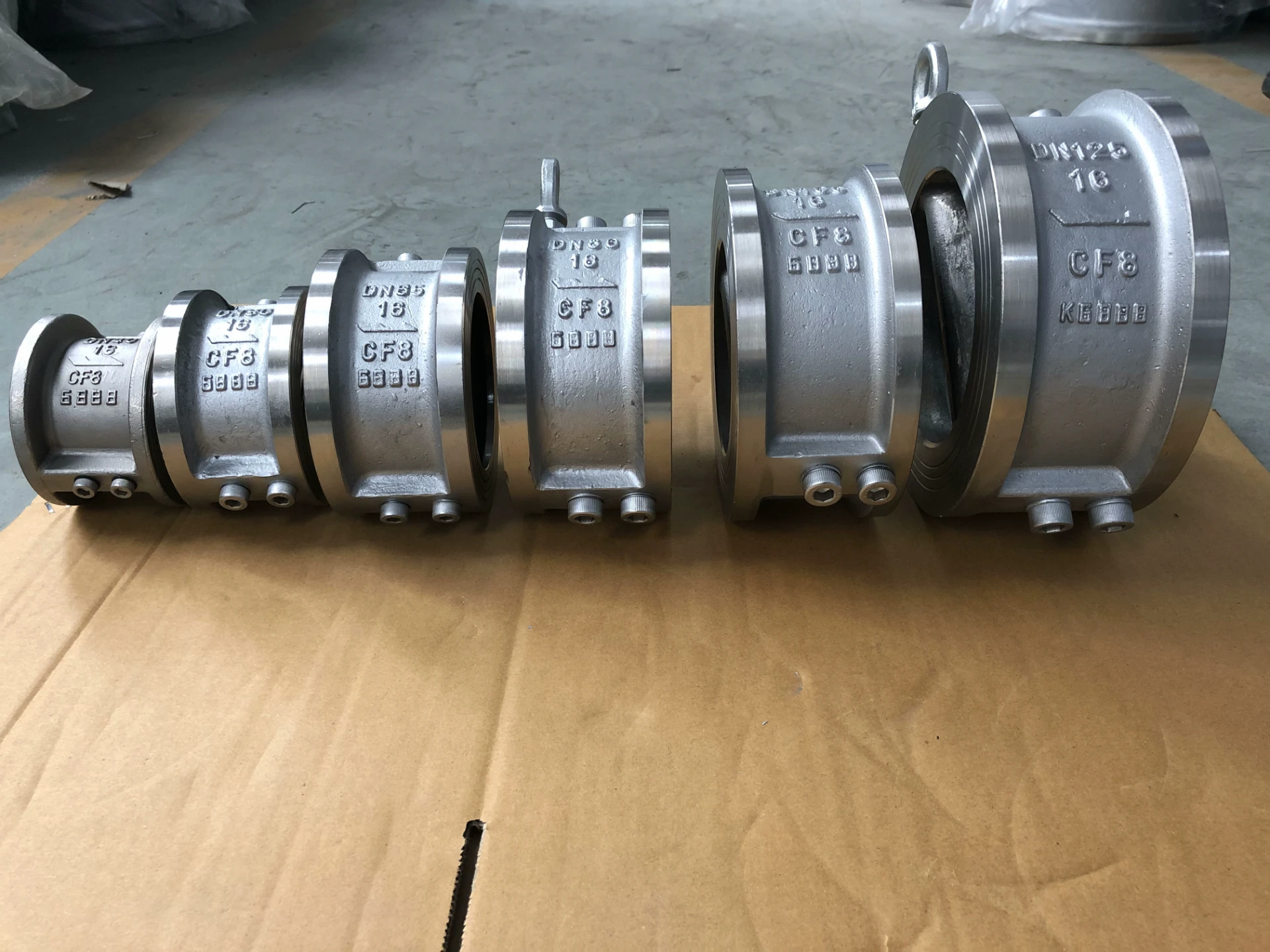
Performance & Engineering
The performance of a POCV is governed by several key engineering principles. Force analysis considers the opposing forces of fluid pressure acting on the poppet and the pilot pressure controlling its opening. The valve’s cracking pressure – the minimum upstream pressure required to initiate flow – is a critical design parameter. Environmental resistance is addressed through material selection and sealing designs to withstand temperature fluctuations, corrosive fluids, and external loads. POCVs must comply with API 598 (valve inspection and testing), ASME B16.34 (valve pressure testing), and potentially SIL (Safety Integrity Level) standards depending on the application. The functional implementation involves a pilot valve that senses downstream pressure. When downstream pressure is sufficiently high (typically 70-80% of upstream pressure), the pilot valve opens, allowing system pressure to act on the poppet, opening the main valve. Conversely, when downstream pressure drops, the pilot valve closes, relieving pressure from the poppet and allowing the spring and back pressure to seat the valve. Cavitation, a significant concern in high-flow applications, is mitigated through optimized valve geometry and flow paths. Fatigue analysis is performed to ensure the valve’s ability to withstand cyclical loading, considering factors like pressure pulsations and temperature variations. Furthermore, the responsiveness of the pilot valve is crucial for preventing water hammer and ensuring rapid shut-off in emergency situations.
Technical Specifications
| Parameter | Unit | Typical Value (Carbon Steel) | Typical Value (Stainless Steel 316) |
|---|---|---|---|
| Maximum Operating Pressure | psi | 2500 | 2000 |
| Cracking Pressure | psi | 10-30 | 10-30 |
| Temperature Range | °F | -20 to 450 | -20 to 650 |
| Valve Size (Port Diameter) | inches | 2-24 | 2-12 |
| Connection Type | - | Flanged (ANSI B16.5) | Flanged (ANSI B16.5) |
| Pilot Fluid | - | System Fluid | System Fluid |
Failure Mode & Maintenance
POCVs, despite their robust design, are susceptible to several failure modes. Fatigue cracking can occur in the valve body or spring due to cyclical pressure loading, particularly in applications with frequent operation. Delamination of the seat seal is a common failure, leading to leakage and loss of backflow prevention. Degradation of the pilot valve components, such as O-rings and spools, can impair its responsiveness, resulting in delayed closure or incomplete sealing. Oxidation and corrosion, especially in harsh environments, can compromise the integrity of the valve body and internal components. Abrasive wear from entrained solids in the fluid can damage the poppet and seat surfaces. Maintenance procedures include regular inspection of the valve body for cracks or corrosion, replacement of the seat seal at scheduled intervals, cleaning and lubrication of the pilot valve assembly, and calibration of the pilot pressure setting. Ultrasonic testing can detect internal cracks not visible during visual inspection. Preventive maintenance schedules should be established based on operating conditions and fluid characteristics. In cases of persistent leakage, the valve should be disassembled, inspected, and repaired or replaced. Proper storage and handling are also crucial to prevent damage during periods of inactivity.
Industry FAQ
Q: What are the primary advantages of a POCV over a traditional swing check valve in a high-head pumping application?
A: Traditional swing check valves in high-head applications are prone to water hammer and valve slam due to the sudden closure of the disc. POCVs offer controlled closure via the pilot valve, significantly reducing hydraulic transients and minimizing stress on the piping system and pump. This translates to increased system reliability and reduced maintenance costs.
Q: How does the material selection impact the long-term performance of a POCV handling corrosive fluids?
A: Selecting appropriate materials is paramount. Carbon steel is unsuitable for highly corrosive environments. Stainless steel (316, Duplex) provides superior corrosion resistance. For extremely aggressive fluids, alloy steels like Hastelloy or Inconel are necessary. The seal material must also be chemically compatible with the fluid to prevent degradation and leakage.
Q: What are the critical parameters to consider when specifying the pilot pressure setting for a POCV?
A: The pilot pressure setting should be carefully calibrated to ensure reliable operation. Typically, it's set at 70-80% of the upstream pressure. Setting it too low can cause premature opening, while setting it too high can hinder proper closure. Consideration must be given to system pressure fluctuations and fluid viscosity.
Q: What type of preventative maintenance is recommended for POCVs in critical process applications?
A: Preventative maintenance should include regular visual inspections for corrosion or damage, periodic testing of the pilot valve functionality, and replacement of the seat seal based on a predetermined schedule (e.g., annually). Ultrasonic testing can identify internal cracks. Maintaining detailed maintenance records is crucial.
Q: Can POCVs be used in applications with solids entrained in the fluid, and if so, what considerations are necessary?
A: POCVs can be used with fluids containing solids, but it requires careful consideration. Abrasive wear can be a concern. Using hardened materials for the poppet and seat, and implementing filtration upstream of the valve, can mitigate this risk. The valve's port size should also be appropriately sized to minimize the potential for clogging.
Conclusion
Pilot Operated Check Valves represent a significant advancement in backflow prevention technology, offering superior performance characteristics compared to traditional check valves, particularly in demanding applications. Their ability to mitigate water hammer, reduce pressure drop, and provide reliable shut-off makes them essential components in a wide range of industries. The selection of appropriate materials, meticulous manufacturing processes, and diligent maintenance practices are critical to ensuring long-term reliability and operational efficiency.
Looking forward, advancements in POCV technology will likely focus on the development of smart valves with integrated sensors for remote monitoring and predictive maintenance. These advancements will further enhance the reliability and efficiency of fluid control systems. A continued emphasis on material science and corrosion resistance will also be paramount, particularly in challenging operating environments. Ultimately, POCVs will continue to play a vital role in safeguarding critical infrastructure and optimizing industrial processes.
-
Top Reasons to Choose a Stainless Steel Flange Check Valve for Industrial Applications
-
stop check valves Performance Analysis
-
pilot operated check valve Performance Analysis
-
spring loaded check valve Material Science Manufacturing
-
pilot operated check valves Performance Analysis
-
check valve pilot operated Performance Analysis
-
1 4 in check valve Performance Engineering
-
check valve 3 4 Performance Analysis
-
11 2 check valve Performance Analysis
-
spring check valve Material Science Manufacturing
-
DN100 Flange Performance Analysis
-
DN50 Flange Performance Analysis
-
double flanged butterfly valve Performance Analysis
-
forged flanges Performance Analysis
-
4 blind flange Performance Engineering
 Afrikaans
 Albanian
 Amharic
 Arabic
 Armenian
 Azerbaijani
 Basque
 Belarusian
 Bengali
 Bosnian
 Bulgarian
 Catalan
 Cebuano
 Corsican
 Croatian
 Czech
Czech
 Danish
 Dutch
Dutch
 Esperanto
 Estonian
 Finnish
 French
 Frisian
 Galician
 Georgian
 German
 Greek
Greek
 Gujarati
 Haitian Creole
 Hausa
Hawaiian
Hausa
Hawaiian
 Hebrew
 Hindi
Hindi
 Miao
Miao
 Hungarian
 Icelandic
 Igbo
Igbo
 Indonesian
 Irish
Irish
 Italian
 Japanese
 Javanese
Kannada
Javanese
Kannada
 Kazakh
 Khmer
Khmer
 Rwandese
 Korean
 Kurdish
 Kyrgyz
 Lao
Lao
 Latin
Latin
 Latvian
 Lithuanian
 Luxembourgish
 Macedonian
 Malgashi
 Malay
Malay
 Malayalam
 Maltese
 Maori
Maori
 Marathi
 Mongolian
 Myanmar
 Nepali
 Norwegian
 Norwegian
 Occitan
 Pashto
 Persian
 Polish
 Portuguese
Punjabi
Portuguese
Punjabi
 Romanian
 Russian
 Samoan
 Scottish Gaelic
 Serbian
 Sesotho
 Shona
Shona
 Sindhi
 Sinhala
 Slovak
 Slovenian
 Somali
 Spanish
 Sundanese
 Swahili
 Swedish
Tagalog
Swedish
Tagalog
 Tajik
Tajik
 Tamil
Tamil
 Tatar
Tatar
 Telugu
 Thai
Thai
 Turkish
 Turkmen
 Ukrainian
 Urdu
Urdu
 Uighur
 Uzbek
Uzbek
 Vietnamese
 Welsh
Welsh
 Bantu
Bantu
 Yiddish
 Yoruba
 Zulu
Zulu
 English