




spring loaded check valve Material Science Manufacturing
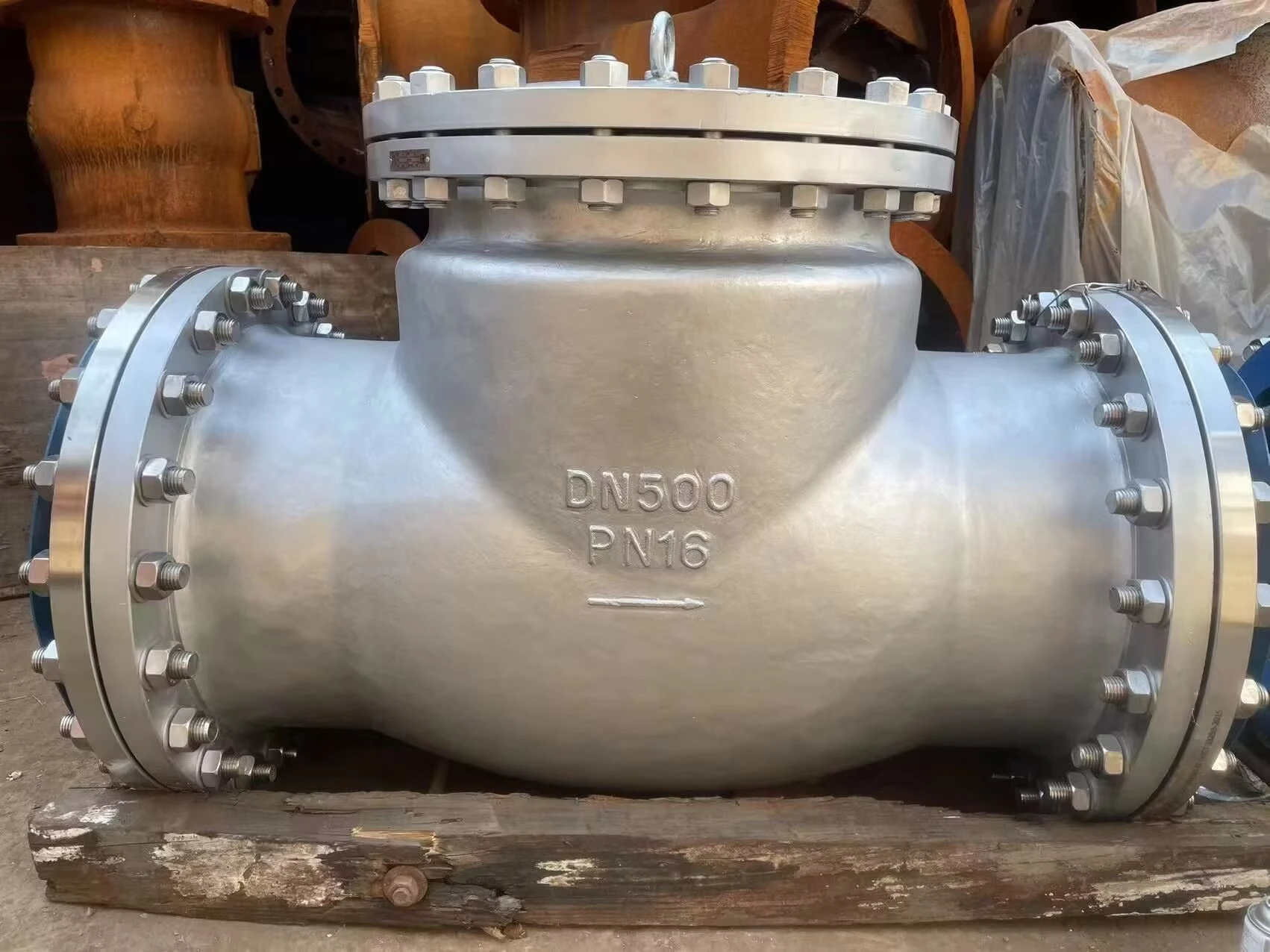
Introduction
Spring loaded check valves are critical components in fluid handling systems, designed to prevent backflow in pipelines. Positioned within the broader industrial valve landscape – encompassing ball, gate, globe, and butterfly valves – they offer a passive, mechanically actuated solution for unidirectional flow. Unlike swing or lift check valves which rely solely on flow pressure, the spring mechanism ensures positive sealing at zero or near-zero flow conditions. This makes them particularly vital in applications where consistent pressure isn’t guaranteed, such as metering pumps, chemical injection systems, and wastewater treatment facilities. Core performance characteristics include cracking pressure, flow capacity (Cv), leakage rate, and material compatibility, all impacting overall system efficiency and reliability. A key industry pain point revolves around selecting the correct spring force and materials to withstand the specific fluid characteristics – corrosivity, temperature, and particulate content – preventing premature failure and costly downtime.
Material Science & Manufacturing
The construction of a spring loaded check valve typically involves a body, disc, spring, and seat. Bodies are commonly manufactured from materials like 316 Stainless Steel (for corrosion resistance), Carbon Steel (with protective coatings for general applications), Brass (for low-pressure water systems), and Polypropylene/PVC (for chemical compatibility in corrosive environments). The disc, responsible for sealing, frequently utilizes materials like PTFE (Teflon) for its low friction and chemical inertness, or hardened stainless steel for high-temperature applications. The spring, crucial for positive seating, is almost universally manufactured from Stainless Steel – 304 or 316 grades – chosen for its corrosion resistance and fatigue strength. Seat materials mirror disc materials, prioritizing sealing performance and compatibility. Manufacturing processes vary based on body material. Stainless steel and carbon steel bodies are often produced via investment casting or forging followed by precision machining to ensure dimensional accuracy. Plastic bodies are typically injection molded. The spring is formed through a coil winding process, followed by heat treatment to achieve the desired spring rate. Critical parameters include spring rate (determining cracking pressure), surface finish of the sealing surfaces (Ra value impacting leakage), and material hardness (HRC rating for wear resistance). Failure to control these parameters results in premature wear, leakage, or complete valve failure.
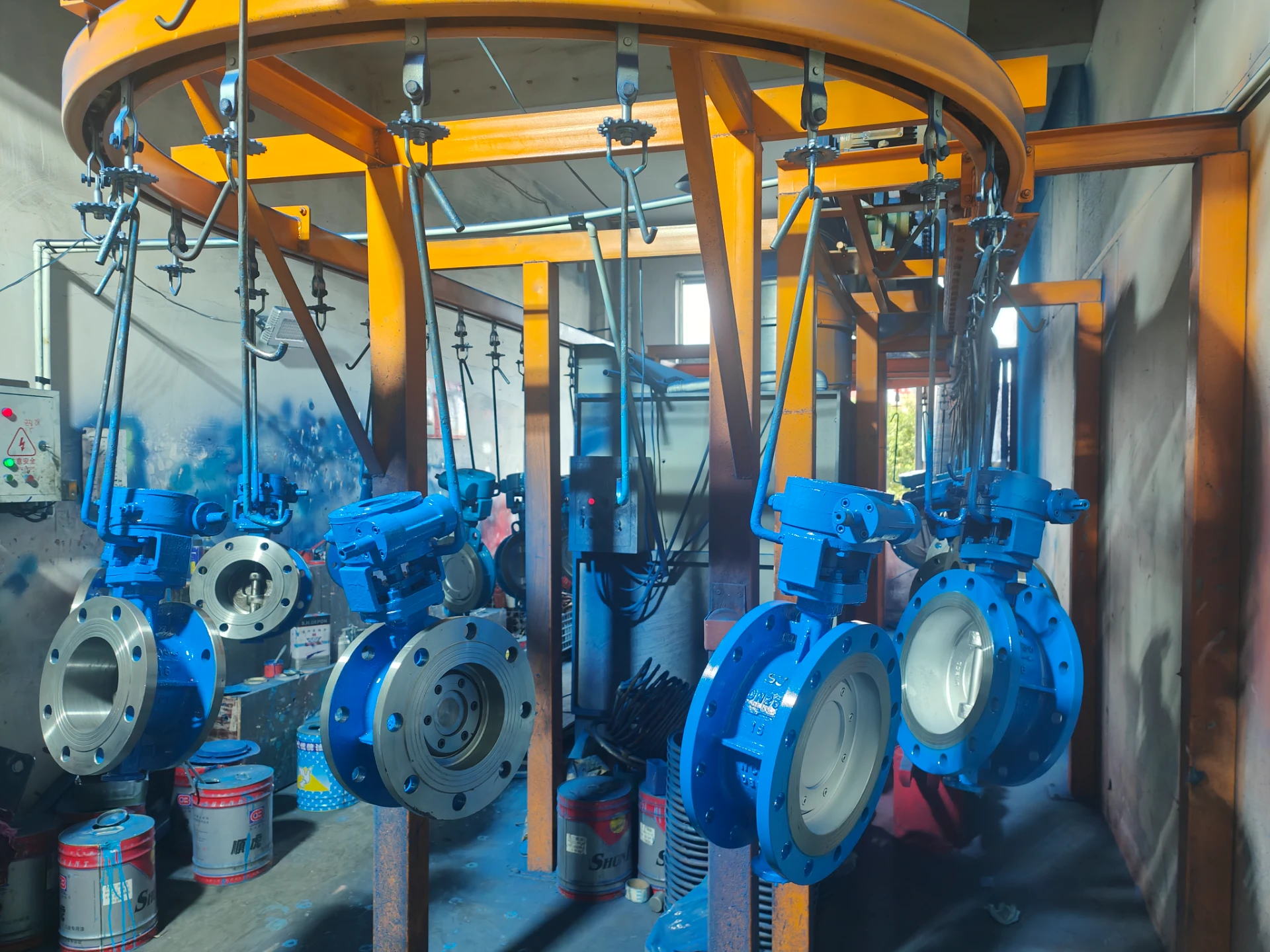
Performance & Engineering
Performance of a spring loaded check valve is dictated by several engineering principles. The cracking pressure – the minimum upstream pressure required to open the valve – is directly proportional to the spring force. Flow capacity (Cv) is determined by the valve's internal geometry and the pressure drop across it. Understanding the Bernoulli principle is essential here; as flow increases, the pressure drop also increases, affecting valve operation. Force analysis is critical in designing the spring mechanism to ensure it can overcome the hydrodynamic forces acting on the disc at maximum flow rate, preventing unwanted oscillation or chatter. Environmental resistance must also be considered. Exposure to extreme temperatures can affect spring temper and material properties. Corrosive fluids require careful material selection to prevent galvanic corrosion or chemical attack. Compliance requirements, such as those outlined by ASME Section VIII Division 1 for pressure vessel components (when the valve is integrated into a pressure system), and API 598 for valve inspection and testing, are paramount. Furthermore, the valve must meet specified leakage rates, often measured in cc/min, to ensure process integrity and prevent contamination. The choice of spring material must account for stress-corrosion cracking, especially in chloride-rich environments.
Technical Specifications
| Parameter | Units | Typical Value (316 SS, 1" Valve) | Testing Standard |
|---|---|---|---|
| Maximum Pressure | PSI | 1000 | ASME B16.34 |
| Temperature Range | °F | -20 to 350 | ASTM E203 |
| Cracking Pressure | PSI | 2-5 | API 598 |
| Flow Coefficient (Cv) | Gallons per Minute per PSI | 15-25 | ISO 7708 |
| Leakage Rate | cc/min | <0.1 | FCI 70-2 |
| Connection Type | - | NPT, Flanged | ANSI B1.20.1 |
Failure Mode & Maintenance
Several failure modes are common in spring loaded check valves. Fatigue cracking of the spring is a frequent issue, especially under high-cycle operation or exposure to corrosive environments. Disc erosion or wear can occur due to particulate matter in the fluid stream, leading to increased leakage. Corrosion, particularly pitting corrosion in stainless steel, can weaken the body and disc, ultimately leading to failure. Crevice corrosion can occur under the disc or around sealing surfaces. Delamination of the seat material, particularly PTFE, can result from thermal cycling or chemical attack. Oxidation of metal components at high temperatures reduces material strength. Maintenance typically involves periodic inspection of the spring for cracks or corrosion, cleaning of the valve body to remove debris, and replacement of worn or damaged seals. Preventative maintenance programs should include regular testing of leakage rates. For heavily soiled applications, consider implementing a flushing protocol before regular operation. In cases of severe corrosion, complete valve replacement is often the most cost-effective solution. Proper lubrication of moving parts (if applicable, depending on material compatibility) can also extend valve life.
Industry FAQ
Q: What is the impact of fluid viscosity on the cracking pressure of a spring loaded check valve?
A: Increased fluid viscosity directly increases the force required to initiate flow, thereby increasing the cracking pressure. The viscous drag opposes the spring force, requiring a higher upstream pressure to overcome it. This relationship is non-linear, and the impact is more pronounced with highly viscous fluids.
Q: How do I select the appropriate spring rate for a specific application?
A: Spring rate selection depends on the system pressure, fluid density, and desired cracking pressure. A lower spring rate results in a lower cracking pressure but may be susceptible to unwanted opening with minor pressure fluctuations. A higher spring rate provides more positive sealing but requires a higher upstream pressure to open. Calculations should consider the hydrostatic head and any potential pressure surges.
Q: What are the limitations of using spring loaded check valves with fluids containing solids?
A: Solids can become lodged under the disc, preventing complete closure and leading to leakage. Abrasive solids can cause erosion of the disc and seat, accelerating wear. For applications with significant solids content, consider a different check valve design, such as a ball check valve, or implement upstream filtration.
Q: Can a spring loaded check valve be used in a pulsating flow system?
A: While spring loaded check valves can handle pulsating flow, frequent opening and closing can lead to premature spring fatigue and disc wear. Consider a dampener or accumulator upstream of the valve to reduce pressure fluctuations. The valve’s spring material and design should be specifically suited for high-cycle applications.
Q: What is the best method for verifying the performance of a spring loaded check valve in the field?
A: Leakage testing is the primary method. This can be done by isolating the valve and applying a known pressure to one side, then measuring the flow rate through the valve. A flow meter or calibrated collection container can be used for accurate measurement. Visual inspection for corrosion or damage is also crucial.
Conclusion
Spring loaded check valves represent a robust and reliable solution for preventing backflow in a diverse range of industrial applications. Their positive sealing capability, facilitated by the spring mechanism, distinguishes them from simpler check valve designs. The selection of appropriate materials – dictated by fluid compatibility and environmental conditions – and meticulous attention to manufacturing parameters are critical for ensuring long-term performance and minimizing the risk of failure. Understanding the fundamental engineering principles governing valve operation, including fluid dynamics and force analysis, is paramount for effective system integration.
Ongoing maintenance, including regular inspection and leakage testing, is essential for preserving valve integrity and preventing costly downtime. As industries increasingly prioritize process efficiency and environmental compliance, the demand for high-performance, durable check valves will continue to grow. Future developments may focus on advanced materials, improved sealing technologies, and smart valve designs incorporating predictive maintenance capabilities.
-
Top Reasons to Choose a Stainless Steel Flange Check Valve for Industrial Applications
-
stop check valves Performance Analysis
-
pilot operated check valve Performance Analysis
-
spring loaded check valve Material Science Manufacturing
-
pilot operated check valves Performance Analysis
-
check valve pilot operated Performance Analysis
-
1 4 in check valve Performance Engineering
-
check valve 3 4 Performance Analysis
-
11 2 check valve Performance Analysis
-
spring check valve Material Science Manufacturing
-
DN100 Flange Performance Analysis
-
DN50 Flange Performance Analysis
-
double flanged butterfly valve Performance Analysis
-
forged flanges Performance Analysis
-
4 blind flange Performance Engineering
 Afrikaans
 Albanian
 Amharic
 Arabic
 Armenian
 Azerbaijani
 Basque
 Belarusian
 Bengali
 Bosnian
 Bulgarian
 Catalan
 Cebuano
 Corsican
 Croatian
 Czech
Czech
 Danish
 Dutch
Dutch
 Esperanto
 Estonian
 Finnish
 French
 Frisian
 Galician
 Georgian
 German
 Greek
Greek
 Gujarati
 Haitian Creole
 Hausa
Hawaiian
Hausa
Hawaiian
 Hebrew
 Hindi
Hindi
 Miao
Miao
 Hungarian
 Icelandic
 Igbo
Igbo
 Indonesian
 Irish
Irish
 Italian
 Japanese
 Javanese
Kannada
Javanese
Kannada
 Kazakh
 Khmer
Khmer
 Rwandese
 Korean
 Kurdish
 Kyrgyz
 Lao
Lao
 Latin
Latin
 Latvian
 Lithuanian
 Luxembourgish
 Macedonian
 Malgashi
 Malay
Malay
 Malayalam
 Maltese
 Maori
Maori
 Marathi
 Mongolian
 Myanmar
 Nepali
 Norwegian
 Norwegian
 Occitan
 Pashto
 Persian
 Polish
 Portuguese
Punjabi
Portuguese
Punjabi
 Romanian
 Russian
 Samoan
 Scottish Gaelic
 Serbian
 Sesotho
 Shona
Shona
 Sindhi
 Sinhala
 Slovak
 Slovenian
 Somali
 Spanish
 Sundanese
 Swahili
 Swedish
Tagalog
Swedish
Tagalog
 Tajik
Tajik
 Tamil
Tamil
 Tatar
Tatar
 Telugu
 Thai
Thai
 Turkish
 Turkmen
 Ukrainian
 Urdu
Urdu
 Uighur
 Uzbek
Uzbek
 Vietnamese
 Welsh
Welsh
 Bantu
Bantu
 Yiddish
 Yoruba
 Zulu
Zulu
 English