




pilot operated check valve Performance Analysis
Introduction
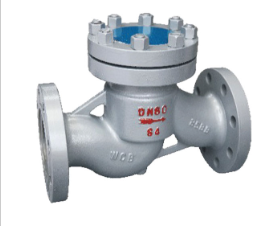
Pilot Operated Check Valves (POCVs) represent a critical component in fluid power systems, providing backflow prevention with distinct advantages over traditional check valves. Positioned within the hydraulic and pneumatic systems of industrial machinery, mobile equipment, and process control applications, POCVs function by utilizing system pressure to maintain valve closure. Unlike simple swing or ball check valves, POCVs offer low pressure drop in the forward direction and the ability to be remotely controlled or overridden, allowing for controlled reverse flow. The core performance characteristics – cracking pressure, flow capacity, leakage rate, and response time – dictate their suitability across diverse applications, ranging from preventing line rupture in heavy machinery to ensuring precise fluid metering in chemical processing. The industry consistently seeks POCVs with improved reliability, reduced weight, and enhanced responsiveness to meet the demands of increasingly complex systems.
Material Science & Manufacturing
POCVs are typically manufactured using a combination of high-strength materials to withstand the pressures and fluid media encountered in industrial applications. Valve bodies are commonly constructed from carbon steel (ASTM A105, A36), alloy steels (4140, 17-4 PH), or stainless steels (304, 316) depending on the fluid compatibility requirements and operating environment. Internal components, such as poppets, seats, and pilot plungers, frequently utilize hardened alloys, like tool steel (D2, M2), for wear resistance. Seals are critically important and are typically made from nitrile rubber (NBR), fluorocarbon elastomer (FKM/Viton), or polytetrafluoroethylene (PTFE) based on fluid type and temperature range. The manufacturing process generally involves precision machining of the valve body, followed by surface treatments like nitriding or hard chrome plating to enhance durability and corrosion resistance. Pilot valve components require particularly tight tolerances, achieved through processes like EDM (Electrical Discharge Machining) and honing. Assembly is a critical phase, demanding meticulous cleaning and torque control to ensure leak-free operation. Weld integrity, especially in carbon steel valve bodies, is paramount, requiring adherence to AWS D1.1 standards for welding procedures and qualification.
Performance & Engineering
The performance of a POCV is governed by complex hydraulic principles, primarily focusing on force balance and pressure differentials. The valve remains closed by spring force and the pressure in the downstream circuit. To open the valve, the upstream pressure must overcome the spring force plus the downstream pressure (the cracking pressure). The pilot valve controls the pressure applied to the underside of the poppet, enabling opening even against significant downstream pressure. Engineering considerations include pressure drop calculations using the Darcy-Weisbach equation, flow capacity analysis based on Cv (flow coefficient) values, and fatigue analysis to predict component life under cyclic loading. Environmental resistance is also crucial; materials must be selected to resist corrosion from the fluid media and external factors. POCVs must adhere to relevant industry standards, such as ISO 6434 for hydraulic check valves and ISO 4413 for hydraulic fluid power – general rules relating to systems. A key design challenge is minimizing leakage rate, especially under fluctuating pressures. Finite Element Analysis (FEA) is often used to optimize valve geometry and material distribution for maximum structural integrity and minimal deflection under pressure. Proper sizing and selection of the pilot valve are critical for stable and responsive operation.
Technical Specifications
| Parameter | Unit | Typical Value (Carbon Steel Model) | Typical Value (Stainless Steel Model) |
|---|---|---|---|
| Maximum Operating Pressure | Bar | 350 | 300 |
| Cracking Pressure | Bar | 5-10 | 5-10 |
| Flow Capacity (Cv) | m³/h @ ΔP = 1 Bar | 1.5 | 1.2 |
| Leakage Rate | cm³/min @ ΔP = 100 Bar | <0.1 | <0.05 |
| Operating Temperature Range | °C | -20 to +80 | -30 to +120 |
| Port Size | Inches | 1/2", 3/4", 1" | 1/2", 3/4", 1" |
Failure Mode & Maintenance
POCVs are subject to various failure modes, primarily stemming from wear, corrosion, and contamination. Common issues include poppet and seat damage due to abrasive particles in the fluid, leading to increased leakage. Spring fatigue can cause the valve to fail to close properly, resulting in reverse flow. Corrosion, particularly in carbon steel models exposed to corrosive fluids, can lead to valve body failure. Pilot valve malfunction, due to solenoid coil failure or internal contamination, is another frequent cause of operational issues. Failure analysis often reveals evidence of cavitation erosion on the poppet or seat if the valve is improperly sized or subjected to excessive pressure fluctuations. Preventative maintenance is crucial and includes regular fluid filtration to remove contaminants, periodic inspection of seals for wear and degradation, and lubrication of moving parts. Over-tightening of fasteners can lead to distortion of the valve body, causing leakage. Annual testing of the pilot valve solenoid coil and a comprehensive hydraulic system flush are recommended. Replacing worn seals and poppets proactively minimizes downtime and extends the service life of the valve. Complete valve replacement may be required in cases of severe corrosion or catastrophic component failure.
Industry FAQ
Q: What are the primary advantages of using a pilot operated check valve over a standard swing check valve in a high-pressure hydraulic system?
A: POCVs offer significantly lower pressure drop in the forward direction compared to swing check valves, particularly at higher flow rates. This translates to reduced energy consumption and improved system efficiency. Furthermore, the pilot operation allows for controlled reverse flow, which is impossible with a standard swing check valve. This is beneficial in applications requiring precise fluid control or where back pressure needs to be momentarily relieved.
Q: What fluid compatibility considerations are most important when selecting a POCV?
A: The fluid compatibility dictates the materials of construction for the valve body, seals, and internal components. Consider the fluid's chemical composition, temperature range, and potential for corrosion. For example, systems using phosphate ester fluids require Viton seals, while aggressive chemicals necessitate PTFE seals and stainless steel valve bodies. Always consult material compatibility charts and manufacturer specifications.
Q: How does the cracking pressure of a POCV affect system performance?
A: The cracking pressure determines the minimum upstream pressure required to open the valve. A lower cracking pressure allows the valve to open more easily, but it may also be more susceptible to unwanted opening due to pressure fluctuations. A higher cracking pressure provides greater stability but may require a higher pump output to initiate flow. Proper cracking pressure selection is crucial for optimal system performance.
Q: What are the typical maintenance procedures for a POCV with a solenoid pilot valve?
A: Regular maintenance includes checking the solenoid coil for proper operation, cleaning the pilot valve filter, and inspecting seals for wear. Periodically flushing the hydraulic system to remove contaminants is also essential. Disconnecting and testing the solenoid coil with a multimeter can identify potential electrical faults.
Q: How does the size of the pilot valve impact the overall responsiveness of the POCV?
A: A larger pilot valve generally provides faster response times, as it can vent pressure more quickly. However, a larger pilot valve may also be more susceptible to contamination. The optimal pilot valve size is a trade-off between responsiveness and sensitivity to contaminants and should be determined based on the specific application requirements.
Conclusion
Pilot Operated Check Valves are indispensable components in modern fluid power systems, offering a sophisticated solution to backflow prevention and precise fluid control. Their performance is intimately linked to material selection, meticulous manufacturing processes, and a deep understanding of hydraulic principles. The advantages they offer – low pressure drop, remote operation, and enhanced reliability – make them critical for a wide range of industrial applications.
Future trends in POCV technology focus on miniaturization, integrated sensors for real-time performance monitoring, and the development of self-cleaning designs to enhance durability and reduce maintenance requirements. Adhering to stringent quality control measures and industry standards remains paramount to ensuring the long-term reliability and safety of these vital components. Selecting the appropriate POCV based on detailed application analysis and a comprehensive understanding of its technical specifications is the cornerstone of successful system implementation.
-
Top Reasons to Choose a Stainless Steel Flange Check Valve for Industrial Applications
-
stop check valves Performance Analysis
-
pilot operated check valve Performance Analysis
-
spring loaded check valve Material Science Manufacturing
-
pilot operated check valves Performance Analysis
-
check valve pilot operated Performance Analysis
-
1 4 in check valve Performance Engineering
-
check valve 3 4 Performance Analysis
-
11 2 check valve Performance Analysis
-
spring check valve Material Science Manufacturing
-
DN100 Flange Performance Analysis
-
DN50 Flange Performance Analysis
-
double flanged butterfly valve Performance Analysis
-
forged flanges Performance Analysis
-
4 blind flange Performance Engineering
 Afrikaans
 Albanian
 Amharic
 Arabic
 Armenian
 Azerbaijani
 Basque
 Belarusian
 Bengali
 Bosnian
 Bulgarian
 Catalan
 Cebuano
 Corsican
 Croatian
 Czech
Czech
 Danish
 Dutch
Dutch
 Esperanto
 Estonian
 Finnish
 French
 Frisian
 Galician
 Georgian
 German
 Greek
Greek
 Gujarati
 Haitian Creole
 Hausa
Hawaiian
Hausa
Hawaiian
 Hebrew
 Hindi
Hindi
 Miao
Miao
 Hungarian
 Icelandic
 Igbo
Igbo
 Indonesian
 Irish
Irish
 Italian
 Japanese
 Javanese
Kannada
Javanese
Kannada
 Kazakh
 Khmer
Khmer
 Rwandese
 Korean
 Kurdish
 Kyrgyz
 Lao
Lao
 Latin
Latin
 Latvian
 Lithuanian
 Luxembourgish
 Macedonian
 Malgashi
 Malay
Malay
 Malayalam
 Maltese
 Maori
Maori
 Marathi
 Mongolian
 Myanmar
 Nepali
 Norwegian
 Norwegian
 Occitan
 Pashto
 Persian
 Polish
 Portuguese
Punjabi
Portuguese
Punjabi
 Romanian
 Russian
 Samoan
 Scottish Gaelic
 Serbian
 Sesotho
 Shona
Shona
 Sindhi
 Sinhala
 Slovak
 Slovenian
 Somali
 Spanish
 Sundanese
 Swahili
 Swedish
Tagalog
Swedish
Tagalog
 Tajik
Tajik
 Tamil
Tamil
 Tatar
Tatar
 Telugu
 Thai
Thai
 Turkish
 Turkmen
 Ukrainian
 Urdu
Urdu
 Uighur
 Uzbek
Uzbek
 Vietnamese
 Welsh
Welsh
 Bantu
Bantu
 Yiddish
 Yoruba
 Zulu
Zulu
 English