




lift check valves Performance Engineering
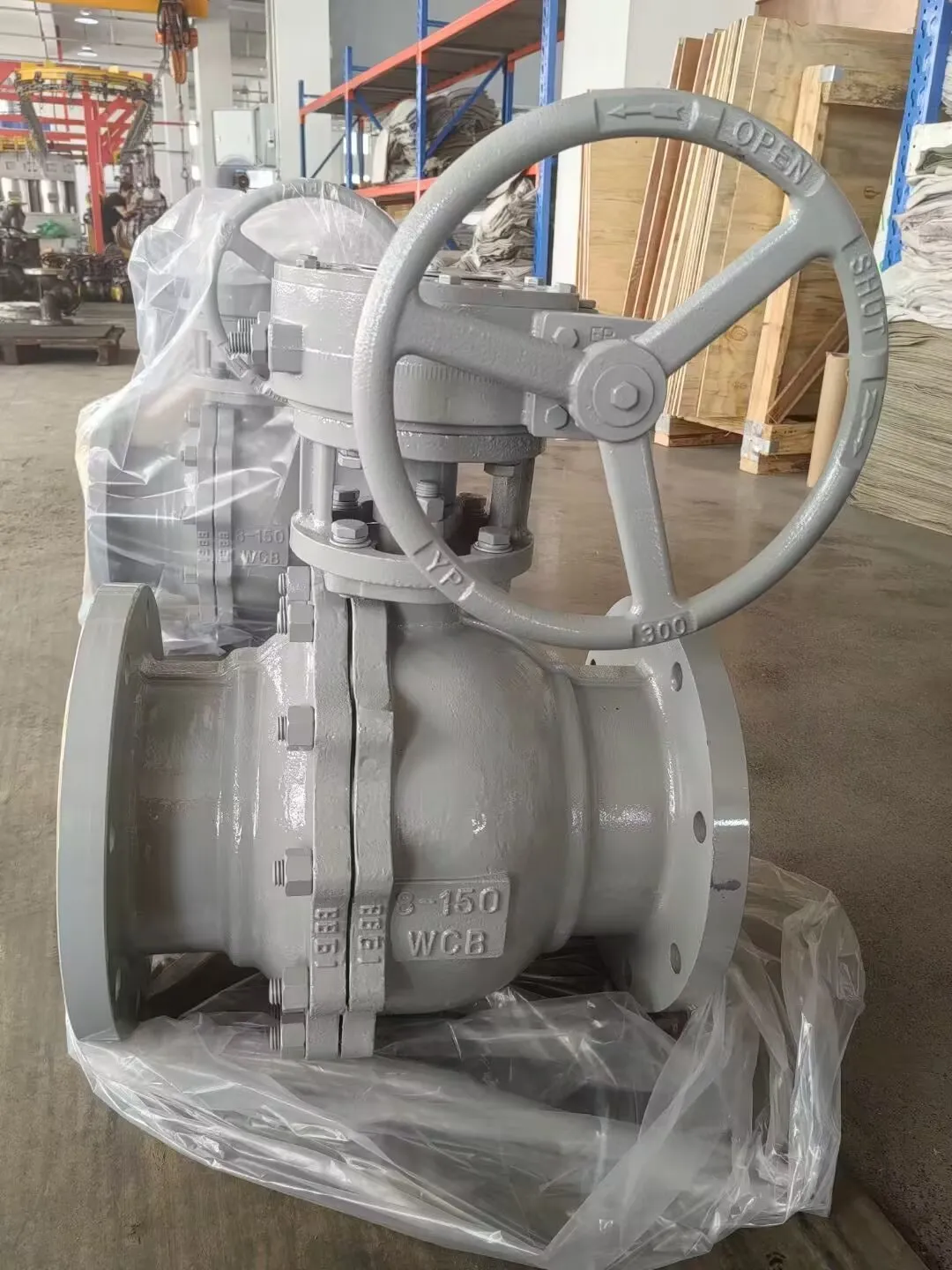
Introduction
Lift check valves are critical components in fluid systems, designed to prevent backflow and maintain unidirectional flow. Positioned within the industrial chain as downstream control devices, they are integral to process efficiency, safety, and equipment protection across numerous sectors including water treatment, oil & gas, power generation, and chemical processing. Their primary function relies on the differential pressure created by the flowing fluid, lifting a disc or poppet off its seat to allow forward flow, and utilizing gravity and/or spring force to reseat the disc, preventing reverse flow. Core performance characteristics include flow capacity (Cv), pressure drop, sealing efficiency (leakage rate), and material compatibility with the conveyed fluid. A significant pain point within the industry stems from premature failure due to corrosion, erosion, or fouling, leading to costly downtime and potential process disruptions. Selection necessitates careful consideration of fluid properties, operating pressure, temperature, and the potential for water hammer or surge pressures.
Material Science & Manufacturing
The body of lift check valves is commonly constructed from materials like ductile iron (ASTM A536), stainless steel (304/316 – ASTM A240), bronze (ASTM B584), and polymers such as PVC and CPVC (ASTM D1785). Ductile iron offers high tensile strength and good corrosion resistance when appropriately coated (epoxy, fusion-bonded epoxy). Stainless steel provides superior corrosion resistance, especially in aggressive chemical environments, but at a higher cost. Bronze is suitable for seawater applications due to its resistance to biofouling. The internal components – the disc and seat – frequently utilize materials like reinforced PTFE, EPDM, Nitrile, or Viton to ensure effective sealing. The material selection must consider chemical compatibility with the fluid being handled. Manufacturing processes vary based on material and valve size. Ductile iron bodies are typically produced via sand casting, demanding stringent control of melt composition, pouring temperature, and cooling rates to minimize porosity and ensure structural integrity. Stainless steel bodies are often forged or investment cast. Polymer bodies are manufactured using injection molding, where parameters like melt temperature, injection pressure, and mold temperature are critical to achieving dimensional accuracy and preventing warping. Welding processes, if employed (e.g., for larger valves or custom designs), require qualified welders and adherence to standards like ASME Section IX to ensure weld integrity and prevent failures related to stress corrosion cracking. Post-manufacturing, all valves undergo rigorous testing – hydrostatic pressure testing (API 598) and leak testing – to verify performance and compliance.
Performance & Engineering
Lift check valve performance is fundamentally governed by fluid dynamics and mechanical engineering principles. The lift characteristic – the relationship between disc lift and flow rate – directly impacts pressure drop and flow capacity. A steeper lift curve generally results in lower pressure drop for a given flow rate. Force analysis involves balancing the hydrodynamic forces acting on the disc (due to fluid velocity) against the gravitational force and any spring force present. Cavitation is a significant concern, particularly in high-velocity applications. It occurs when the fluid pressure drops below its vapor pressure, forming bubbles that collapse violently, causing erosion of the disc and seat. Proper valve sizing and inlet flow conditioning are crucial to mitigate cavitation. Environmental resistance is another key consideration. Valves exposed to outdoor conditions must withstand temperature fluctuations, UV radiation, and potentially corrosive atmospheres. In seismic zones, valves must be designed and anchored to withstand earthquake forces (API 610). Compliance requirements are extensive, depending on the application. For potable water systems, valves must meet NSF/ANSI 61 standards for lead content and material safety. Oil and gas applications necessitate compliance with API 6A and API 6D. Furthermore, pressure vessel directives (e.g., ASME Section VIII) may apply, especially for larger valve sizes.
Technical Specifications
| Parameter | Unit | Typical Range (Ductile Iron) | Typical Range (Stainless Steel 316) |
|---|---|---|---|
| Maximum Operating Pressure | psi | Up to 250 | Up to 600 |
| Temperature Range | °F | -20 to 300 | -328 to 650 |
| Cv (Flow Coefficient) | gpm | 0.5 – 50 | 0.5 – 100 |
| Leakage Rate | % of Full Scale | <0.1 | <0.05 |
| Connection Size | inch | 2” – 12” | 2” – 24” |
| Material (Body) | - | Ductile Iron (A536 65-45-12) | Stainless Steel (A240) |
Failure Mode & Maintenance
Lift check valves are susceptible to several failure modes. Fatigue cracking can occur in the disc or body due to cyclical loading and pressure fluctuations, particularly near stress concentrators (e.g., weld joints). Corrosion, both uniform and pitting, is a common issue, especially in aggressive fluid environments. Erosion can occur due to particulate matter in the fluid stream impacting the disc and seat, leading to wear and increased leakage. Fouling – the accumulation of deposits on the disc and seat – can prevent proper sealing. Delamination of coatings (e.g., epoxy linings) can expose the base metal to corrosive attack. Oxidation of stainless steel components, while generally slower, can reduce corrosion resistance over time. Regular maintenance is crucial to prevent these failures. This includes visual inspection for signs of corrosion, erosion, or damage. Periodic testing of leakage rate and actuation speed is recommended. Lubrication of moving parts (if applicable) should be performed according to manufacturer’s instructions. For valves in critical applications, preventive replacement based on a predetermined service life is advisable. When disassembling a valve for maintenance, careful attention should be paid to proper reassembly procedures to ensure correct seating and sealing. Root cause analysis should be performed on any failed components to identify the underlying cause and implement corrective actions.
Industry FAQ
Q: What are the key differences between swing check valves and lift check valves in terms of application suitability?
A: Swing check valves are generally preferred for low-velocity, non-pulsating flows as they offer minimal pressure drop. Lift check valves, conversely, are better suited for high-velocity flows and pulsating flows, providing a more positive shut-off and minimizing water hammer. The lift design handles backpressure better without the swing mechanism potentially being affected by flow reversal.
Q: How does the material selection impact the lifespan of a lift check valve in a seawater application?
A: In seawater applications, corrosion is a primary concern. Bronze (specifically alloys like UNS C96400) offers superior resistance to seawater corrosion and biofouling compared to ductile iron or carbon steel. Stainless steel (316) is also suitable but requires careful consideration of crevice corrosion potential. Protective coatings on ductile iron are often insufficient in long-term seawater exposure.
Q: What are the implications of exceeding the maximum operating pressure specified for a lift check valve?
A: Exceeding the maximum operating pressure can lead to catastrophic failure, including rupture of the valve body, damage to the disc and seat, and potential injury. It can also cause permanent deformation of valve components, rendering the valve unusable. Pressure relief devices should always be installed upstream of the valve to prevent overpressure situations.
Q: What maintenance procedures are recommended to prevent fouling in lift check valves handling viscous fluids?
A: For viscous fluids, regular inspection of the disc and seat for buildup is crucial. Periodic cleaning, using appropriate solvents compatible with the fluid and valve materials, is recommended. Consider using valves with a streamlined disc design to minimize areas where viscous fluids can accumulate. In severe cases, strainer installation upstream of the valve may be necessary to remove particulate matter.
Q: How do international standards like API 598 relate to the quality control of lift check valves?
A: API 598 specifies the required inspection and test procedures for valves, including hydrostatic pressure testing, seat leakage testing, and visual inspection. Compliance with API 598 ensures that the valve meets minimum performance and safety requirements. It’s a widely recognized standard used for quality assurance throughout the valve manufacturing and procurement process.
Conclusion
Lift check valves are indispensable components in maintaining fluid system integrity and operational efficiency. Their selection requires a comprehensive understanding of fluid properties, operating conditions, and applicable industry standards. Material selection plays a pivotal role in determining valve lifespan and resistance to corrosion, erosion, and fouling. Proper maintenance, including regular inspection and testing, is crucial for preventing premature failures and ensuring continued reliable performance.
Looking ahead, advancements in materials science – such as the development of new corrosion-resistant alloys and improved coating technologies – will further enhance the durability and performance of lift check valves. The increasing adoption of digital technologies, including sensor-based monitoring and predictive maintenance, will enable proactive identification of potential failures, minimizing downtime and optimizing maintenance schedules. Continuous adherence to evolving international standards and best practices will remain paramount in ensuring the safe and efficient operation of fluid systems.
-
Top Reasons to Choose a Stainless Steel Flange Check Valve for Industrial Applications
-
12 inch check valve Performance Analysis
-
lift check valves Performance Engineering
-
check valve 12 inch Performance Analysis
-
stop check valve Performance Analysis
-
check stop valve Performance Analysis
-
stop check valves Performance Analysis
-
pilot operated check valve Performance Analysis
-
spring loaded check valve Material Science Manufacturing
-
pilot operated check valves Performance Analysis
-
check valve pilot operated Performance Analysis
-
1 4 in check valve Performance Engineering
-
check valve 3 4 Performance Analysis
-
11 2 check valve Performance Analysis
-
spring check valve Material Science Manufacturing
 Afrikaans
 Albanian
 Amharic
 Arabic
 Armenian
 Azerbaijani
 Basque
 Belarusian
 Bengali
 Bosnian
 Bulgarian
 Catalan
 Cebuano
 Corsican
 Croatian
 Czech
Czech
 Danish
 Dutch
Dutch
 Esperanto
 Estonian
 Finnish
 French
 Frisian
 Galician
 Georgian
 German
 Greek
Greek
 Gujarati
 Haitian Creole
 Hausa
Hawaiian
Hausa
Hawaiian
 Hebrew
 Hindi
Hindi
 Miao
Miao
 Hungarian
 Icelandic
 Igbo
Igbo
 Indonesian
 Irish
Irish
 Italian
 Japanese
 Javanese
Kannada
Javanese
Kannada
 Kazakh
 Khmer
Khmer
 Rwandese
 Korean
 Kurdish
 Kyrgyz
 Lao
Lao
 Latin
Latin
 Latvian
 Lithuanian
 Luxembourgish
 Macedonian
 Malgashi
 Malay
Malay
 Malayalam
 Maltese
 Maori
Maori
 Marathi
 Mongolian
 Myanmar
 Nepali
 Norwegian
 Norwegian
 Occitan
 Pashto
 Persian
 Polish
 Portuguese
Punjabi
Portuguese
Punjabi
 Romanian
 Russian
 Samoan
 Scottish Gaelic
 Serbian
 Sesotho
 Shona
Shona
 Sindhi
 Sinhala
 Slovak
 Slovenian
 Somali
 Spanish
 Sundanese
 Swahili
 Swedish
Tagalog
Swedish
Tagalog
 Tajik
Tajik
 Tamil
Tamil
 Tatar
Tatar
 Telugu
 Thai
Thai
 Turkish
 Turkmen
 Ukrainian
 Urdu
Urdu
 Uighur
 Uzbek
Uzbek
 Vietnamese
 Welsh
Welsh
 Bantu
Bantu
 Yiddish
 Yoruba
 Zulu
Zulu
 English