




stop check valve Performance Analysis
Introduction
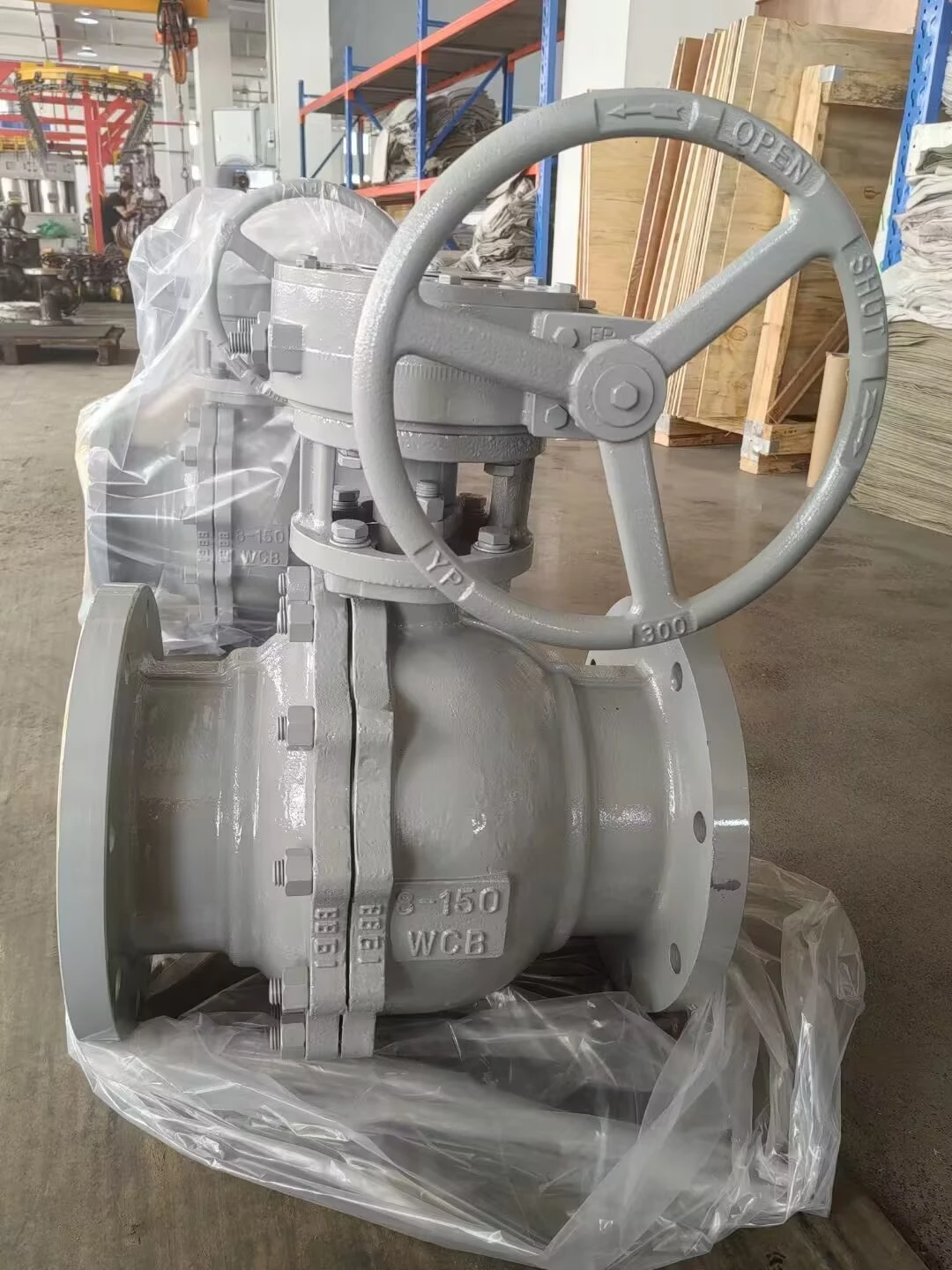
The stop check valve is a critical component in fluid handling systems across numerous industries, including oil and gas, chemical processing, power generation, and water treatment. Functionally, it combines the capabilities of a stop valve (allowing for flow regulation and complete shut-off) with those of a check valve (preventing backflow). This dual functionality streamlines system design and reduces component count. Its technical position within the industry chain places it downstream of valve body casting or forging, and actuator manufacturing, requiring tight integration of materials science, precision machining, and rigorous quality control. Core performance characteristics include reliable shut-off, minimal pressure drop in the forward direction, prevention of reverse flow, and longevity under demanding operational conditions. The valve's ability to maintain system integrity and prevent contamination or damage due to backflow is paramount, directly impacting process efficiency and safety. A key industry pain point is selecting the appropriate materials and construction to withstand corrosive fluids, high pressures, and extreme temperatures without failure.
Material Science & Manufacturing
Stop check valves are manufactured from a variety of materials, dictated by the fluid handled and the operational environment. Common body materials include carbon steel (ASTM A105, A350), stainless steel (304/304L, 316/316L – chosen for corrosion resistance), alloy steels (for high-temperature applications), and specialized polymers (for chemically aggressive fluids). Internal components, such as discs and seats, are frequently made from materials offering high wear resistance, such as hardened stainless steel, ceramics, or PTFE. The manufacturing process typically begins with forging or casting of the valve body. Forged bodies offer superior strength and are preferred for high-pressure applications. Cast bodies are more cost-effective for lower-pressure services. Following body creation, critical processes include precision machining of valve ports, seat faces, and disc sealing surfaces. Seat sealing is achieved through various methods, including soft seating (using elastomers like EPDM, Viton, or PTFE) and metal-to-metal seating (relying on precise machining and surface finish). Welding processes (SMAW, GTAW, FCAW) are used to join components, requiring qualified welders and adherence to ASME Section IX standards. Key parameter control during manufacturing includes dimensional accuracy (verified through coordinate measuring machines – CMM), surface roughness (Ra values critical for sealing), and heat treatment (to achieve desired material properties). The selection of gasket materials must consider chemical compatibility with the process fluid to prevent swelling, degradation, or leaching. Improper material selection or inadequate manufacturing control can lead to premature failure.
Performance & Engineering
The performance of a stop check valve is governed by principles of fluid dynamics and mechanical engineering. Force analysis involves assessing the forces exerted on the disc by the flowing fluid, particularly during opening and closing transitions. The hydrodynamic shape of the disc and the port geometry influence pressure drop and flow characteristics. Environmental resistance is a crucial consideration, particularly in outdoor or corrosive environments. Materials must be selected to withstand oxidation, erosion, and chemical attack. Compliance requirements vary by industry and region. For example, valves used in potable water systems must meet NSF/ANSI 61 standards. Those used in oil and gas applications must comply with API 6D and API 598. Functional implementation relies on the precise interaction between the disc, seat, and spring (if applicable). The spring force determines the cracking pressure – the minimum reverse pressure required to unseat the disc. Metal-to-metal seated valves require a higher closing force to ensure tight sealing. Furthermore, the actuator (handwheel, gear operator, or automated actuator) must provide sufficient torque to overcome fluid resistance and reliably operate the valve. Finite element analysis (FEA) is frequently employed to simulate stress distribution within the valve body and components, ensuring structural integrity under various loading conditions. Valve sizing is critical, calculated based on flow rate, fluid properties, and allowable pressure drop to ensure optimal performance and prevent cavitation or erosion.
Technical Specifications
| Parameter | Unit | Specification Range (Typical) | Test Standard |
|---|---|---|---|
| Maximum Operating Pressure | psi | Up to 10,000 | API 598 |
| Operating Temperature | °F | -20 to 650 | ASTM E203 |
| Valve Size (DN) | mm | 15 to 600 | ANSI B16.34 |
| Connection Type | - | Screwed (NPT, BSP), Flanged (ANSI, DIN) | ASME B16.5 |
| Leakage Rate (Seat Leakage) | cc/min | Bubble-Tight (typically <0.1) | FCI 70-2 |
| Materials (Body) | - | Carbon Steel, Stainless Steel 304/316, Alloy Steel | ASTM A105, A350, A479 |
Failure Mode & Maintenance
Common failure modes in stop check valves include fatigue cracking (particularly in the valve body due to cyclic pressure loading), disc erosion (caused by abrasive particles in the fluid stream), seat damage (leading to leakage), corrosion (affecting material integrity), and spring failure (reducing cracking pressure). Fatigue cracking initiates at stress concentrators, such as weld joints or corners. Erosion preferentially attacks the downstream side of the disc. Corrosion manifests as pitting, crevice corrosion, or general thinning of material. Failure analysis often involves visual inspection, non-destructive testing (NDT) methods like ultrasonic testing (UT) and radiographic testing (RT), and metallurgical examination. Preventive maintenance is crucial. Regular inspection should include checking for external corrosion, leakage around the stem or flanges, and smooth operation of the actuator. Periodic disassembly and inspection of internal components are recommended, with replacement of worn or damaged parts. Lubrication of moving parts (stem, hinges) is essential to reduce friction and prevent seizing. For valves in critical applications, a scheduled maintenance program incorporating predictive maintenance techniques (vibration analysis, thermography) can identify potential failures before they occur. Avoid over-tightening flange bolts to prevent distortion of the valve body. Proper storage conditions (dry, protected from the elements) are essential to prevent corrosion during periods of inactivity.
Industry FAQ
Q: What is the difference between a swing check valve and a lift check valve, and which is more suitable for a high-flow application?
A: Swing check valves use a disc that swings on a hinge, offering low pressure drop but potentially experiencing water hammer. Lift check valves use a disc that lifts perpendicular to the flow, providing more positive shut-off and mitigating water hammer, but generally have higher pressure drops. For high-flow applications, a swing check valve is typically preferred due to its lower resistance, assuming water hammer is adequately managed through system design or dampeners.
Q: How does the material selection impact the longevity of a stop check valve in a seawater environment?
A: Seawater is highly corrosive due to its chloride content. Carbon steel will rapidly corrode. Stainless steel (316/316L) offers significantly improved corrosion resistance but can still experience pitting corrosion. Duplex stainless steel, or specialized alloys like Alloy 20, provide superior resistance, but at a higher cost. Protective coatings (epoxy, polyurethane) can also be applied to enhance corrosion protection.
Q: What are the key considerations when specifying a stop check valve for a high-temperature, high-pressure steam system?
A: Material selection is paramount. Alloy steels specifically designed for high-temperature steam service are essential. The valve body must be able to withstand the pressure-temperature rating of the system. Gasket materials must maintain their sealing properties at elevated temperatures. Consider thermal expansion and contraction – the valve design should accommodate these effects to prevent stress on the components. Regular inspection for creep and stress relaxation is critical.
Q: What is the purpose of a spring in a spring-loaded check valve and how does its strength affect performance?
A: The spring in a spring-loaded check valve provides a force that keeps the disc seated against the seat, preventing backflow even at low reverse pressures. A stronger spring increases the cracking pressure (the reverse pressure required to open the valve), providing more positive shut-off but requiring a higher reverse pressure to unseat the disc. A weaker spring reduces the cracking pressure, allowing the valve to respond more quickly to reverse flow but potentially increasing the risk of leakage.
Q: How important is regular torque checking of flange bolts, and what are the potential consequences of under- or over-tightening?
A: Regular torque checking is critical. Under-tightening can lead to flange leaks and potential catastrophic failure. Over-tightening can distort the flange faces, damaging the gasket and potentially cracking the valve body. Follow the manufacturer's recommended torque specifications and use a calibrated torque wrench. Employ a torque pattern to ensure even distribution of clamping force.
Conclusion
The stop check valve, a deceptively simple yet crucial component, requires careful consideration of material science, manufacturing precision, and engineering principles to ensure reliable operation and longevity. Its dual functionality streamlines fluid handling systems, but demands a thorough understanding of its performance characteristics and potential failure modes. Correct material selection, adhering to stringent quality control measures during manufacturing, and implementing a robust preventive maintenance program are paramount to maximizing its operational lifespan and minimizing the risk of costly downtime.
Future developments in stop check valve technology will likely focus on advanced materials (such as ceramic composites and shape memory alloys) to enhance corrosion resistance and performance in extreme environments. Furthermore, integration of sensor technologies for real-time monitoring of valve condition and predictive maintenance capabilities will become increasingly prevalent, contributing to enhanced process safety and efficiency. The increasing demand for sustainable solutions will also drive the development of valves with reduced pressure drop and optimized energy efficiency.
-
Top Reasons to Choose a Stainless Steel Flange Check Valve for Industrial Applications
-
12 inch check valve Performance Analysis
-
lift check valves Performance Engineering
-
check valve 12 inch Performance Analysis
-
stop check valve Performance Analysis
-
check stop valve Performance Analysis
-
stop check valves Performance Analysis
-
pilot operated check valve Performance Analysis
-
spring loaded check valve Material Science Manufacturing
-
pilot operated check valves Performance Analysis
-
check valve pilot operated Performance Analysis
-
1 4 in check valve Performance Engineering
-
check valve 3 4 Performance Analysis
-
11 2 check valve Performance Analysis
-
spring check valve Material Science Manufacturing
 Afrikaans
 Albanian
 Amharic
 Arabic
 Armenian
 Azerbaijani
 Basque
 Belarusian
 Bengali
 Bosnian
 Bulgarian
 Catalan
 Cebuano
 Corsican
 Croatian
 Czech
Czech
 Danish
 Dutch
Dutch
 Esperanto
 Estonian
 Finnish
 French
 Frisian
 Galician
 Georgian
 German
 Greek
Greek
 Gujarati
 Haitian Creole
 Hausa
Hawaiian
Hausa
Hawaiian
 Hebrew
 Hindi
Hindi
 Miao
Miao
 Hungarian
 Icelandic
 Igbo
Igbo
 Indonesian
 Irish
Irish
 Italian
 Japanese
 Javanese
Kannada
Javanese
Kannada
 Kazakh
 Khmer
Khmer
 Rwandese
 Korean
 Kurdish
 Kyrgyz
 Lao
Lao
 Latin
Latin
 Latvian
 Lithuanian
 Luxembourgish
 Macedonian
 Malgashi
 Malay
Malay
 Malayalam
 Maltese
 Maori
Maori
 Marathi
 Mongolian
 Myanmar
 Nepali
 Norwegian
 Norwegian
 Occitan
 Pashto
 Persian
 Polish
 Portuguese
Punjabi
Portuguese
Punjabi
 Romanian
 Russian
 Samoan
 Scottish Gaelic
 Serbian
 Sesotho
 Shona
Shona
 Sindhi
 Sinhala
 Slovak
 Slovenian
 Somali
 Spanish
 Sundanese
 Swahili
 Swedish
Tagalog
Swedish
Tagalog
 Tajik
Tajik
 Tamil
Tamil
 Tatar
Tatar
 Telugu
 Thai
Thai
 Turkish
 Turkmen
 Ukrainian
 Urdu
Urdu
 Uighur
 Uzbek
Uzbek
 Vietnamese
 Welsh
Welsh
 Bantu
Bantu
 Yiddish
 Yoruba
 Zulu
Zulu
 English