




6 check valves Performance Analysis
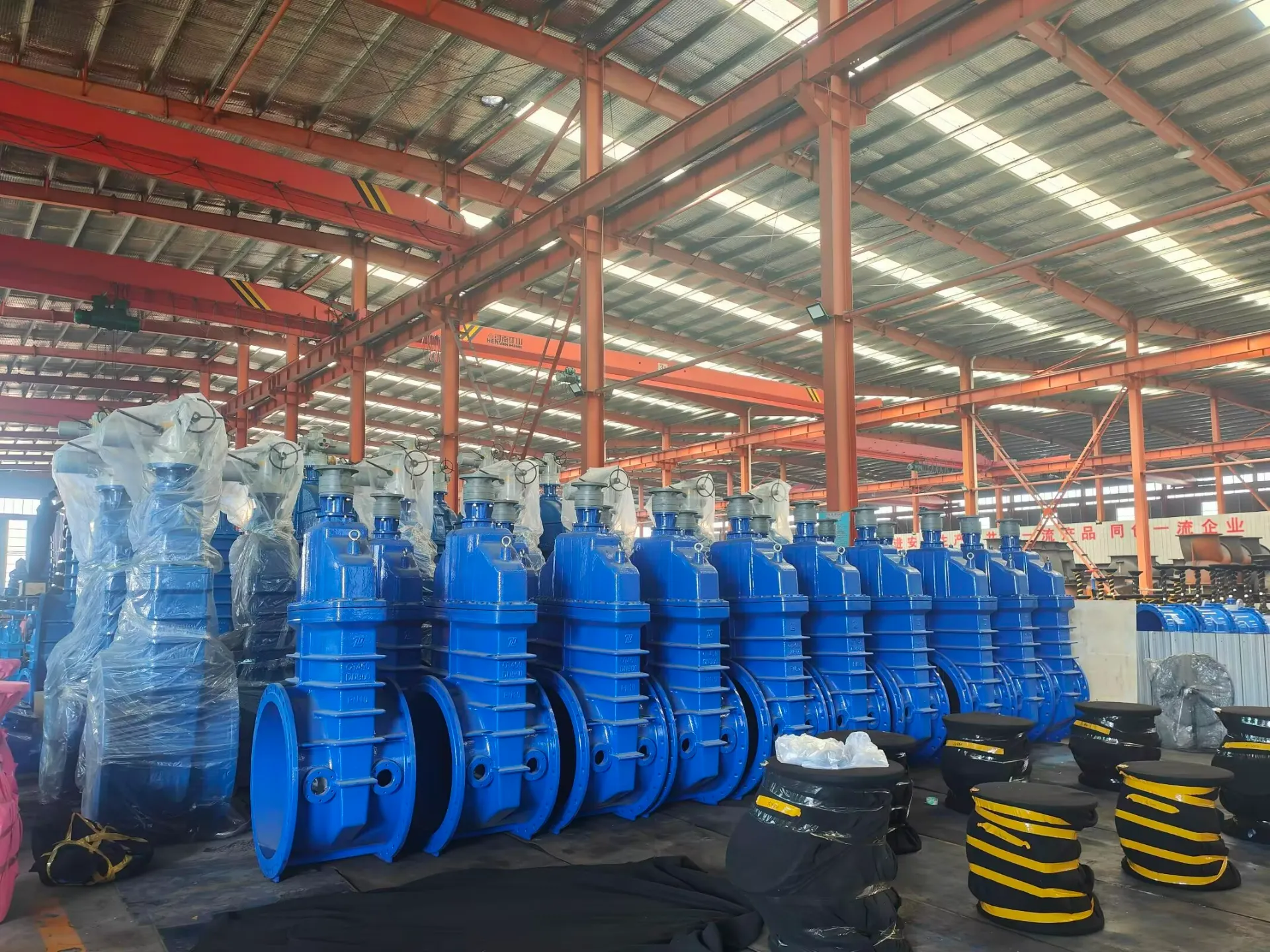
Introduction
Six check valves represent a common configuration utilized in fluid systems across diverse industrial applications, including water treatment, petrochemical processing, power generation, and HVAC. These valves are fundamentally unidirectional flow control devices, designed to prevent backflow, safeguarding pumps, compressors, and other critical equipment from damage and process upsets. This guide provides an in-depth technical analysis of six check valve systems, encompassing material science, manufacturing processes, performance characteristics, failure modes, and relevant industry standards. The selection and proper application of a six-check valve configuration are critical for maintaining system integrity, optimizing performance, and ensuring long-term reliability. Understanding the nuances of their operation and potential failure points is paramount for engineers, procurement managers, and maintenance personnel.
Material Science & Manufacturing
The construction of six check valve systems typically employs a variety of materials dictated by the fluid being handled, operating pressure, and temperature. Common body materials include carbon steel (ASTM A105, A536), stainless steel (304, 316, duplex stainless steels), and alloy steels (e.g., Hastelloy, Inconel) for highly corrosive environments. Disc materials mirror these selections, often employing resilient materials like elastomers (EPDM, PTFE, Viton) for low-pressure, leak-tight sealing, or metal discs (stainless steel, alloy steels) for high-temperature and high-pressure applications. Manufacturing processes vary depending on valve size and complexity. Smaller valves are commonly produced via investment casting or sand casting for the body, followed by machining to precise tolerances. Larger valves often utilize welding processes (SMAW, GTAW, SAW) to fabricate the body from forged steel components. Disc manufacturing employs forging, machining, and potentially heat treatment to achieve required hardness and dimensional accuracy. Critical parameters during manufacturing include weld quality (radiographic inspection, ultrasonic testing), surface finish (Ra values to minimize friction and promote sealing), and dimensional accuracy (verified through CMM inspection). The selection of gasket materials is also crucial, considering chemical compatibility with the fluid and temperature resistance. Failure to account for thermal expansion differences between materials can lead to stress cracking and leakage. Corrosion resistance is enhanced through passivation treatments for stainless steel components and the application of protective coatings (epoxy, PTFE) for carbon steel.

Performance & Engineering
The performance of a six-check valve system is assessed based on several key engineering parameters. Flow coefficient (Cv) determines the valve’s capacity to pass fluid at a given pressure drop. Pressure drop across the valve increases with flow rate, necessitating careful sizing to minimize energy losses. Backflow prevention is the primary function; the valve must close positively and rapidly to prevent reverse flow. Leakage rates are quantified in terms of allowable seepage (e.g., EN 12954 specifies leakage classes). The valve's response time – the time taken to close upon flow reversal – is critical in dynamic systems to prevent water hammer or process disturbances. Fatigue analysis is crucial, particularly in applications with frequent cycling. The valve disc and seating surfaces are subject to repeated stress, potentially leading to fatigue cracking. Finite Element Analysis (FEA) is used to model stress distributions and optimize component geometry. Environmental resistance considers the impact of temperature, pressure, and corrosive fluids. High temperatures can degrade elastomer seals, while corrosive fluids can cause pitting and erosion. Material selection and protective coatings are employed to mitigate these effects. Compliance requirements vary by industry and region. For potable water applications, NSF/ANSI 61 certification is essential to ensure materials do not leach harmful contaminants. For hazardous environments, ATEX or IECEx certification may be required for explosion protection. Force analysis considers the forces exerted by the fluid on the disc during opening and closing, ensuring the actuator (spring, weight, or hydraulic) can overcome these forces reliably.
Technical Specifications
| Valve Size (inches) | Maximum Operating Pressure (PSI) | Temperature Range (°F) | Connection Type |
|---|---|---|---|
| 2 | 200 | -20 to 250 | Threaded (NPT) |
| 4 | 145 | -20 to 350 | Flanged (ANSI B16.5) |
| 6 | 120 | -20 to 400 | Welded (Butt Weld) |
| 8 | 90 | -20 to 450 | Flanged (ANSI B16.5) |
| 10 | 75 | -20 to 500 | Welded (Butt Weld) |
| 12 | 60 | -20 to 550 | Flanged (ANSI B16.5) |
Failure Mode & Maintenance
Common failure modes in six check valve systems include disc sticking (due to debris buildup or corrosion), seat erosion (caused by particulate matter in the fluid), spring fatigue (leading to slow closure), and body leakage (resulting from corrosion or gasket failure). Fatigue cracking can occur in the disc or body due to cyclic loading, particularly in pulsating flow applications. Cavitation erosion can damage the disc and seat if the valve is subjected to excessive pressure drop and flow velocity. Electrochemical corrosion can occur in dissimilar metal combinations exposed to conductive fluids. Regular maintenance is crucial to prevent these failures. Recommended practices include visual inspection for external leakage and corrosion, periodic testing of valve operation (full stroke testing), cleaning of valve internals to remove debris, and lubrication of moving parts. Seat replacement may be necessary if erosion or damage is detected. Gasket replacement should be performed as part of routine preventative maintenance. Non-destructive testing (NDT) methods, such as ultrasonic testing or radiographic inspection, can be used to assess the integrity of the valve body and disc. Analyzing the fluid composition for abrasive particles is essential for selecting appropriate materials and implementing filtration systems. Proper installation, including correct orientation and support, is also critical to prevent stress and vibration-induced failures.
Industry FAQ
Q: What are the key considerations when selecting a check valve material for handling seawater?
A: Seawater is highly corrosive due to its chloride content. Stainless steel alloys, particularly duplex stainless steels (e.g., 2205, 2507) and high-nickel alloys (e.g., Alloy 20) are recommended. Coatings like epoxy or PTFE can provide additional protection. Avoid carbon steel unless a robust corrosion protection system is implemented.
Q: How does valve sizing impact system efficiency in a six-check valve configuration?
A: Undersized valves create excessive pressure drop, increasing energy consumption and potentially causing cavitation. Oversized valves can lead to slow closure and water hammer. Proper sizing, based on accurate flow rate calculations and fluid properties, is crucial for optimal system performance.
Q: What are the benefits of using a spring-loaded check valve versus a swing check valve?
A: Spring-loaded check valves offer faster response times and are less susceptible to water hammer. Swing check valves have lower pressure drop but may not close as quickly. The choice depends on the application's dynamic characteristics.
Q: What maintenance procedures should be followed for check valves installed in a high-temperature process?
A: High temperatures can degrade seals and gaskets. Regular inspection and replacement of these components are essential. Lubrication with high-temperature grease is also recommended. Consider using metal seals for prolonged reliability.
Q: How can I identify potential cavitation damage in a check valve?
A: Signs of cavitation include pitting and erosion on the disc and seat, a characteristic rattling noise, and reduced valve performance. Visual inspection and flow analysis can help diagnose cavitation.
Conclusion
The effective implementation of six check valve systems necessitates a thorough understanding of material science, manufacturing processes, and performance characteristics. Selecting appropriate materials based on fluid compatibility and operating conditions is paramount for long-term reliability. Careful valve sizing and proper installation are critical to minimize pressure drop, prevent water hammer, and ensure optimal system efficiency. Regular maintenance and proactive failure analysis are essential for identifying and addressing potential issues before they escalate into costly downtime.
Continued advancements in valve technology, such as the development of new materials and improved designs, promise to further enhance the performance and reliability of these critical components. Embracing predictive maintenance strategies, leveraging data analytics to monitor valve health, and implementing robust quality control procedures will be key to maximizing the lifespan and minimizing the total cost of ownership of six check valve systems in demanding industrial applications.
-
Top Reasons to Choose a Stainless Steel Flange Check Valve for Industrial Applications
-
stainless steel check valves Performance Analysis
-
check valve 6 Performance Analysis
-
check valve stainless steel Performance Analysis
-
6 in check valve Performance Engineering
-
6 check valves Performance Analysis
-
12 inch check valve Performance Analysis
-
lift check valves Performance Engineering
-
check valve 12 inch Performance Analysis
-
stop check valve Performance Analysis
-
check stop valve Performance Analysis
-
stop check valves Performance Analysis
-
pilot operated check valve Performance Analysis
-
spring loaded check valve Material Science Manufacturing
-
pilot operated check valves Performance Analysis
 Afrikaans
 Albanian
 Amharic
 Arabic
 Armenian
 Azerbaijani
 Basque
 Belarusian
 Bengali
 Bosnian
 Bulgarian
 Catalan
 Cebuano
 Corsican
 Croatian
 Czech
Czech
 Danish
 Dutch
Dutch
 Esperanto
 Estonian
 Finnish
 French
 Frisian
 Galician
 Georgian
 German
 Greek
Greek
 Gujarati
 Haitian Creole
 Hausa
Hawaiian
Hausa
Hawaiian
 Hebrew
 Hindi
Hindi
 Miao
Miao
 Hungarian
 Icelandic
 Igbo
Igbo
 Indonesian
 Irish
Irish
 Italian
 Japanese
 Javanese
Kannada
Javanese
Kannada
 Kazakh
 Khmer
Khmer
 Rwandese
 Korean
 Kurdish
 Kyrgyz
 Lao
Lao
 Latin
Latin
 Latvian
 Lithuanian
 Luxembourgish
 Macedonian
 Malgashi
 Malay
Malay
 Malayalam
 Maltese
 Maori
Maori
 Marathi
 Mongolian
 Myanmar
 Nepali
 Norwegian
 Norwegian
 Occitan
 Pashto
 Persian
 Polish
 Portuguese
Punjabi
Portuguese
Punjabi
 Romanian
 Russian
 Samoan
 Scottish Gaelic
 Serbian
 Sesotho
 Shona
Shona
 Sindhi
 Sinhala
 Slovak
 Slovenian
 Somali
 Spanish
 Sundanese
 Swahili
 Swedish
Tagalog
Swedish
Tagalog
 Tajik
Tajik
 Tamil
Tamil
 Tatar
Tatar
 Telugu
 Thai
Thai
 Turkish
 Turkmen
 Ukrainian
 Urdu
Urdu
 Uighur
 Uzbek
Uzbek
 Vietnamese
 Welsh
Welsh
 Bantu
Bantu
 Yiddish
 Yoruba
 Zulu
Zulu
 English