




check valve 6 Performance Analysis
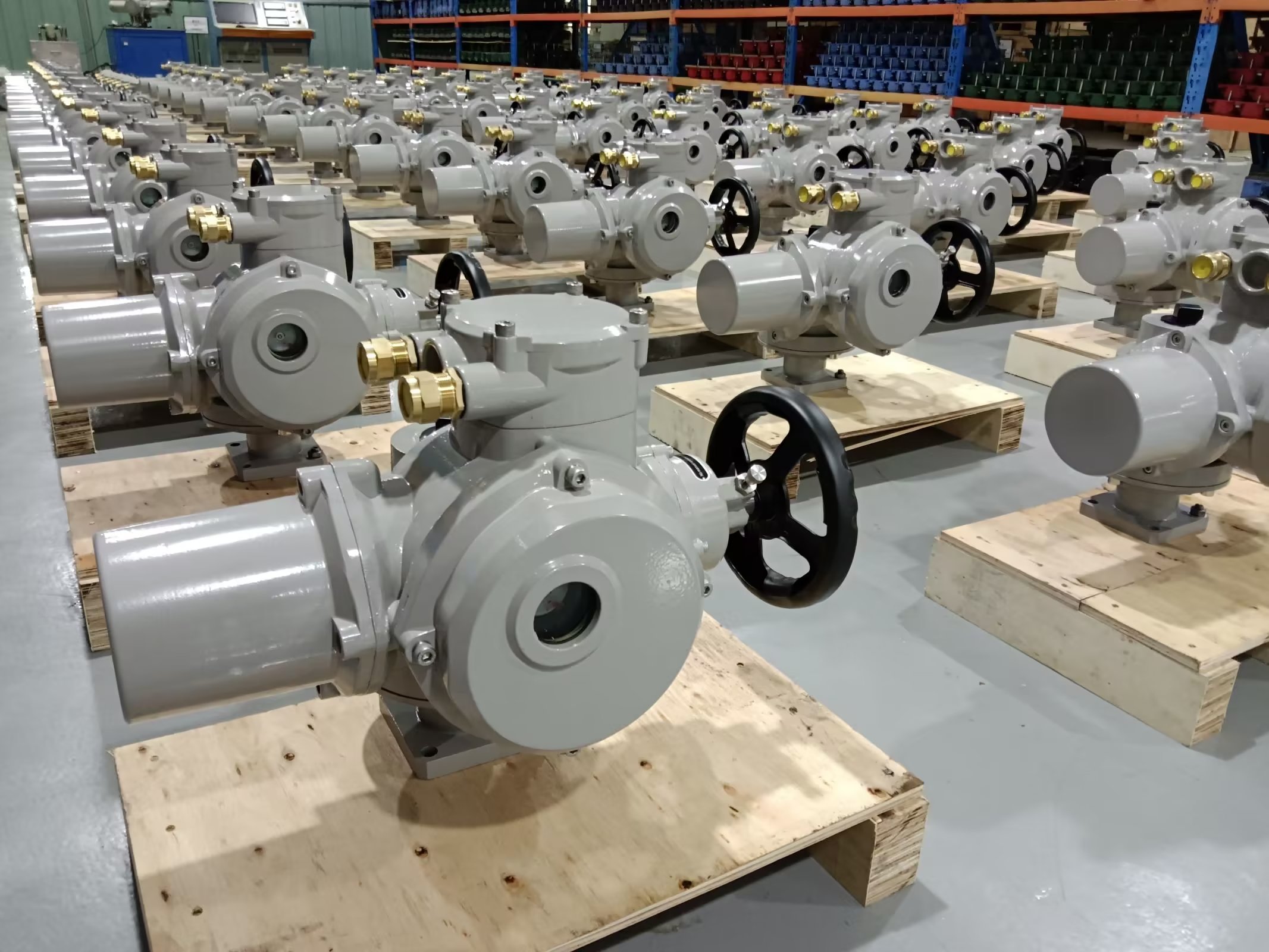
Introduction
Check Valve 6 represents a critical component in fluid handling systems, specifically designed to prevent backflow in pipelines. Positioned within the broader industrial ecosystem encompassing process engineering, chemical processing, water treatment, and oil & gas, its primary function is to ensure unidirectional flow of liquids or gases. The valve operates on the principle of pressure differential; when upstream pressure exceeds downstream pressure, the valve opens, allowing flow. Conversely, when pressures equalize or reverse, the valve closes, effectively isolating the upstream system. Core performance characteristics include minimal pressure drop in the forward direction, leak-tight shutoff, and resistance to the corrosive effects of the conveyed fluid. The increasing demand for process safety, efficiency, and environmental compliance drives the continuous refinement of check valve designs, focusing on material selection, sealing mechanisms, and flow optimization.
Material Science & Manufacturing
The construction of Check Valve 6 typically involves several key materials, each selected for specific properties. The valve body is commonly fabricated from ductile iron (ASTM A536 65-45-12), known for its tensile strength, ductility, and corrosion resistance, or from stainless steel grades such as 316 (ASTM A743 CF8M) for highly corrosive environments. The disc, the critical flow-control element, can be composed of ductile iron, stainless steel, or polymers like PTFE (Polytetrafluoroethylene) for applications requiring chemical inertness. Sealing materials commonly include EPDM (Ethylene Propylene Diene Monomer) rubber, Nitrile (NBR), or Viton (Fluorocarbon) depending on temperature and fluid compatibility requirements. Manufacturing processes vary based on valve size and complexity. Smaller valves are often produced via investment casting followed by precision machining of critical surfaces. Larger valves may employ sand casting. Disc attachment can be achieved through bolted connections, interference fits, or welding. Critical parameters during manufacturing include dimensional accuracy of the disc and seat, surface finish to minimize friction, and proper heat treatment of metallic components to achieve desired hardness and tensile strength. Non-destructive testing methods, such as liquid penetrant inspection and ultrasonic testing, are utilized to identify defects before valve assembly.
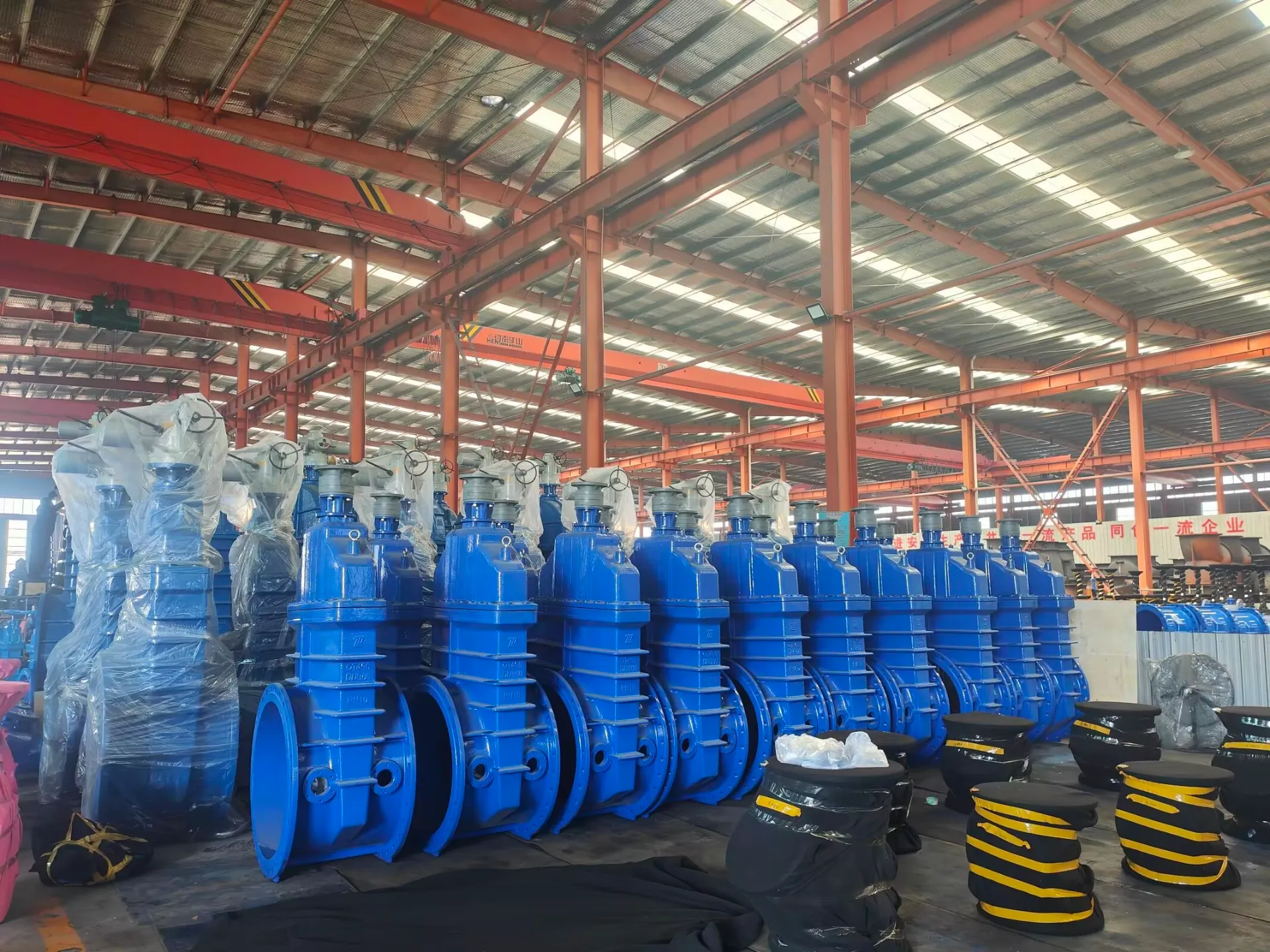
Performance & Engineering
The performance of Check Valve 6 is governed by several engineering principles. Force analysis during operation considers fluid dynamic forces acting on the disc, gravitational forces, and spring forces (if a spring-assisted design is employed). These forces dictate the valve’s response time and its ability to prevent water hammer – a significant concern in pipeline systems. Environmental resistance is paramount; valves must withstand temperature fluctuations, pressure surges, and potential exposure to UV radiation and corrosive agents. Compliance with industry standards, such as API 598 (Valve Inspection and Testing) and MSS SP-61 (Pressure Testing of Steel Valves), is essential. Engineering design focuses on minimizing pressure loss through the valve. This is achieved through streamlined flow paths and optimized disc geometry. Fatigue analysis is crucial, particularly for valves subjected to frequent cycling. Finite Element Analysis (FEA) is employed to predict stress concentrations and ensure structural integrity. The selection of appropriate sealing materials is critical to prevent leakage and maintain system efficiency. Flow coefficient (Cv) is a key performance metric, quantifying the valve’s capacity to pass fluid at a given pressure drop.
Technical Specifications
| Parameter | Unit | Specification Range | Material |
|---|---|---|---|
| Maximum Operating Pressure | psi | Up to 500 | Ductile Iron/Stainless Steel |
| Temperature Range | °F | -20 to 450 | EPDM, NBR, Viton |
| Valve Size (DN) | mm | 50 - 600 | Variable, based on size |
| Connection Type | - | Flanged, Threaded, Wafer | Valve Body Material |
| Leakage Rate | ml/min | ≤ 0.1 (Bubble Tight) | Seat Material |
| Cv (Flow Coefficient) | - | 0.5 – 200 | Dependent on Valve Size |
Failure Mode & Maintenance
Common failure modes for Check Valve 6 include disc erosion due to abrasive particles in the fluid, seat damage leading to leakage, spring fatigue in spring-loaded designs, and corrosion of metallic components. Fatigue cracking can occur in the valve body or disc under cyclic loading. Delamination of polymeric sealing materials can also lead to leakage. Oxidation of metal components can compromise structural integrity. Proper maintenance is crucial for extending valve life. Regular inspection should include visual checks for corrosion, erosion, and leakage. Periodic testing of the valve’s seating is recommended. Lubrication of moving parts (if applicable) is essential to reduce friction and wear. For valves operating in harsh environments, protective coatings may be applied to prevent corrosion. When replacing components, ensure compatibility with the conveyed fluid. Preventive maintenance programs, based on operating conditions and fluid characteristics, can significantly reduce the risk of unexpected failures. Detailed records of maintenance activities should be maintained for traceability and performance analysis. If hammering is observed, the system needs to be evaluated to address the root cause; check valve sizing is frequently a source of water hammer issues.
Industry FAQ
Q: What material selection considerations are most important for a check valve used in a seawater application?
A: For seawater applications, the primary concern is corrosion resistance. Stainless steel grades like 316 or duplex stainless steel (e.g., ASTM A928) are highly recommended. The sealing material must also be resistant to saltwater degradation; EPDM or Viton are common choices. Careful consideration should be given to galvanic corrosion potential when combining different metals in the system.
Q: How does the valve’s cracking pressure affect system performance?
A: Cracking pressure, the minimum pressure differential required to open the valve, directly impacts system startup and flow stability. A low cracking pressure ensures rapid response and minimal flow disruption. However, excessively low cracking pressure can lead to unwanted chattering. Proper valve sizing is critical for achieving optimal cracking pressure.
Q: What are the advantages and disadvantages of swing check valves versus lift check valves?
A: Swing check valves offer lower pressure drop due to their streamlined design but are more susceptible to water hammer. Lift check valves are more robust against water hammer but generally exhibit higher pressure drop. The choice depends on the specific application requirements.
Q: How can I determine the correct valve size for a given pipeline?
A: Valve sizing requires consideration of flow rate, fluid properties (density, viscosity), and allowable pressure drop. Flow coefficient (Cv) is a key parameter in the sizing calculation. Consult valve manufacturer’s sizing charts or use specialized software for accurate sizing.
Q: What are the key considerations when specifying a check valve for a slurry application?
A: Slurry applications require valves designed to withstand abrasive wear. Hardened materials, such as ceramic-lined valves or valves with replaceable wear sleeves, are often necessary. The valve design should minimize solids buildup and prevent clogging.
Conclusion
Check Valve 6 stands as a fundamental component for maintaining fluid system integrity and operational efficiency. Its performance hinges on meticulous material selection, precise manufacturing processes, and adherence to stringent industry standards. Understanding the potential failure modes and implementing proactive maintenance strategies are essential for maximizing valve lifespan and minimizing downtime.
Future advancements in check valve technology will likely focus on smart valve designs incorporating sensors and remote monitoring capabilities. These intelligent valves can provide real-time data on valve performance, predict potential failures, and optimize system operation. The increasing emphasis on sustainability will also drive the development of more energy-efficient and environmentally friendly valve designs.
-
Top Reasons to Choose a Stainless Steel Flange Check Valve for Industrial Applications
-
stainless steel check valves Performance Analysis
-
check valve 6 Performance Analysis
-
check valve stainless steel Performance Analysis
-
6 in check valve Performance Engineering
-
6 check valves Performance Analysis
-
12 inch check valve Performance Analysis
-
lift check valves Performance Engineering
-
check valve 12 inch Performance Analysis
-
stop check valve Performance Analysis
-
check stop valve Performance Analysis
-
stop check valves Performance Analysis
-
pilot operated check valve Performance Analysis
-
spring loaded check valve Material Science Manufacturing
-
pilot operated check valves Performance Analysis
 Afrikaans
 Albanian
 Amharic
 Arabic
 Armenian
 Azerbaijani
 Basque
 Belarusian
 Bengali
 Bosnian
 Bulgarian
 Catalan
 Cebuano
 Corsican
 Croatian
 Czech
Czech
 Danish
 Dutch
Dutch
 Esperanto
 Estonian
 Finnish
 French
 Frisian
 Galician
 Georgian
 German
 Greek
Greek
 Gujarati
 Haitian Creole
 Hausa
Hawaiian
Hausa
Hawaiian
 Hebrew
 Hindi
Hindi
 Miao
Miao
 Hungarian
 Icelandic
 Igbo
Igbo
 Indonesian
 Irish
Irish
 Italian
 Japanese
 Javanese
Kannada
Javanese
Kannada
 Kazakh
 Khmer
Khmer
 Rwandese
 Korean
 Kurdish
 Kyrgyz
 Lao
Lao
 Latin
Latin
 Latvian
 Lithuanian
 Luxembourgish
 Macedonian
 Malgashi
 Malay
Malay
 Malayalam
 Maltese
 Maori
Maori
 Marathi
 Mongolian
 Myanmar
 Nepali
 Norwegian
 Norwegian
 Occitan
 Pashto
 Persian
 Polish
 Portuguese
Punjabi
Portuguese
Punjabi
 Romanian
 Russian
 Samoan
 Scottish Gaelic
 Serbian
 Sesotho
 Shona
Shona
 Sindhi
 Sinhala
 Slovak
 Slovenian
 Somali
 Spanish
 Sundanese
 Swahili
 Swedish
Tagalog
Swedish
Tagalog
 Tajik
Tajik
 Tamil
Tamil
 Tatar
Tatar
 Telugu
 Thai
Thai
 Turkish
 Turkmen
 Ukrainian
 Urdu
Urdu
 Uighur
 Uzbek
Uzbek
 Vietnamese
 Welsh
Welsh
 Bantu
Bantu
 Yiddish
 Yoruba
 Zulu
Zulu
 English