




stainless steel check valves Performance Analysis

Introduction
Stainless steel check valves are critical components in fluid handling systems, designed to prevent backflow and maintain unidirectional flow. Positioned within industrial pipelines, they function as automatic pressure-operated devices, opening when upstream pressure exceeds downstream pressure and closing when the reverse occurs. These valves are integral to industries including chemical processing, oil and gas, water treatment, pharmaceuticals, and power generation. Their utility stems from their reliability, minimal maintenance requirements, and ability to protect pumps, compressors, and other sensitive equipment from damage caused by flow reversal. Stainless steel is the predominant material of construction due to its inherent corrosion resistance, mechanical strength, and compatibility with a wide range of fluids. The selection of a specific stainless steel grade (304, 316, Duplex, etc.) is dictated by the fluid’s chemical composition, operating temperature, and pressure conditions. This guide provides a comprehensive technical overview of stainless steel check valves, encompassing material science, manufacturing processes, performance characteristics, failure modes, and relevant industry standards.
Material Science & Manufacturing
The core material for stainless steel check valves is, unsurprisingly, stainless steel. The most common grades are 304/304L and 316/316L. 304/304L stainless steel is an austenitic stainless steel containing approximately 18% chromium and 8% nickel, offering excellent corrosion resistance in mild environments. The ‘L’ designation indicates low carbon content, minimizing carbide precipitation during welding and improving weldability. 316/316L, with the addition of molybdenum (2-3%), provides superior resistance to chloride corrosion, making it suitable for marine environments and chemical processing applications. Duplex stainless steels (e.g., 2205) combine austenitic and ferritic microstructures, offering higher strength and improved resistance to stress corrosion cracking. Beyond the base metal, valve components often utilize materials like PTFE (Teflon) for seals and seats, ensuring leak-tight closure. Manufacturing processes vary depending on the valve type (swing, lift, ball, etc.). Swing check valves, for example, typically involve casting or forging of the valve body followed by machining. The disc is then precision-machined and polished. Welding is a critical step, particularly for larger valves, requiring qualified welders and adherence to stringent welding procedures (e.g., ASME Section IX) to ensure structural integrity and corrosion resistance. Injection molding is used for producing polymeric components like seats and seals. Non-destructive testing (NDT), including radiographic inspection, liquid penetrant testing, and hydrostatic testing, is essential to verify weld quality and identify any defects. Surface finishing, such as polishing or passivation, enhances corrosion resistance and improves fluid flow characteristics.
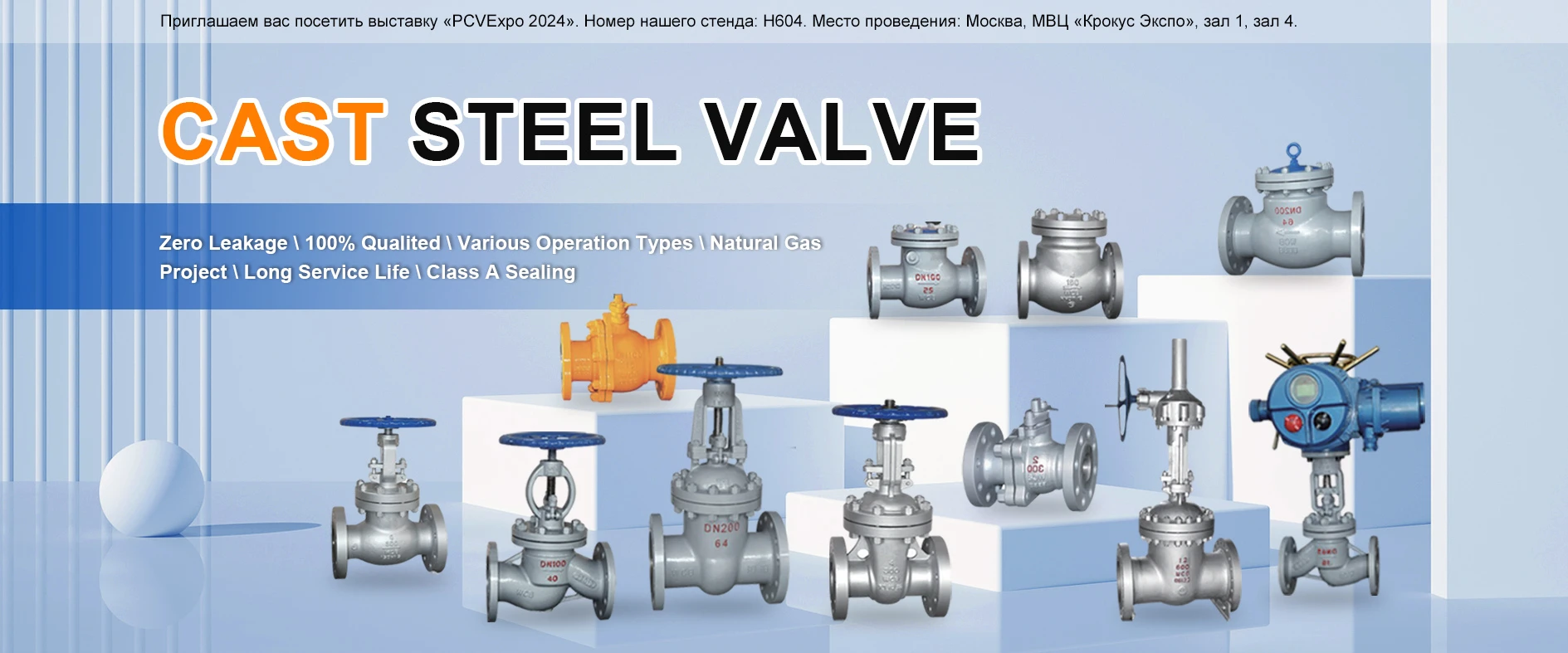
Performance & Engineering
The performance of a stainless steel check valve is primarily evaluated by its flow coefficient (Cv), pressure drop, leak rate, and ability to withstand operating conditions. Cv represents the valve’s capacity to pass fluid, directly impacting system efficiency. Pressure drop across the valve increases with flow rate and is influenced by the valve’s internal geometry. Leakage, measured in terms of seat leakage class (e.g., Class VI according to FCI 70-2), is a critical parameter, particularly in applications where even minimal backflow is unacceptable. Engineering considerations involve performing stress analysis to ensure the valve body can withstand the maximum allowable pressure. Finite element analysis (FEA) is commonly used to predict stress distribution and identify potential weak points. Fatigue analysis is also crucial, especially for valves subjected to cyclic loading. Environmental resistance is paramount; valves operating in corrosive environments must be constructed from appropriate stainless steel grades and potentially coated with protective layers. Compliance with industry standards, such as API 598 (Valve Inspection and Testing) and ASME B16.34 (Valve Pressure Testing), is mandatory. Furthermore, the valve’s design must consider fluid dynamics to minimize turbulence and erosion, extending its lifespan. The selection of a check valve also depends on the fluid's properties – viscosity, density, and the presence of solids significantly influence performance.
Technical Specifications
| Parameter | Swing Check Valve (304 SS) | Lift Check Valve (316 SS) | Ball Check Valve (Duplex SS) | Maximum Operating Pressure (PSI) |
|---|---|---|---|---|
| Valve Size (Inches) | 2-12 | 1/2-8 | 1/4-4 | Up to 1000 |
| Material of Construction | 304 Stainless Steel | 316 Stainless Steel | Duplex Stainless Steel | Varies based on pressure class |
| Seat Material | PTFE | PTFE/Reinforced PTFE | PCTFE | Temperature dependent |
| Connection Type | Flanged, Wafer, Socket Weld | Threaded, Flanged, Socket Weld | Flanged, Butt Weld | Dependent on application |
| Leakage Class (FCI 70-2) | Class VI | Class V | Class VI | Higher class = lower leakage |
| Temperature Range (°F) | -20 to 350 | -20 to 450 | -50 to 500 | Material dependent |
Failure Mode & Maintenance
Stainless steel check valves, while robust, are susceptible to several failure modes. Corrosion, particularly pitting and crevice corrosion, is a common issue, especially in chloride-rich environments. This can lead to valve body perforation and leakage. Erosion, caused by abrasive particles in the fluid stream, can damage the disc and seat, increasing leakage. Fatigue cracking can occur in the valve body or disc due to cyclic loading, especially at high pressures. Seizure of the moving parts (disc and seat) due to debris or corrosion products is another potential failure mode. Furthermore, improper installation or operation (e.g., water hammer) can cause significant damage. Regular maintenance is crucial to prevent these failures. This includes periodic inspection for corrosion, erosion, and wear. Lubrication of moving parts can prevent seizure. Hydrostatic testing should be performed periodically to verify the valve’s integrity. For valves operating in corrosive environments, consider using corrosion inhibitors or applying protective coatings. If leakage is detected, the seat should be inspected and replaced if necessary. Worn or damaged discs should also be replaced. Proper documentation of maintenance activities is essential for tracking valve performance and identifying potential issues before they lead to catastrophic failures. NDT methods can be employed to assess internal component degradation without disassembly.
Industry FAQ
Q: What is the primary difference between a swing check valve and a lift check valve in terms of application suitability?
A: Swing check valves are generally preferred for low-velocity applications and horizontal pipeline installations due to their lower pressure drop and self-closing action. However, they require sufficient upstream straight pipe to ensure proper flow. Lift check valves, conversely, are better suited for high-velocity applications and vertical pipeline installations, as they are less susceptible to water hammer and can handle higher flow rates. The lift design also minimizes the risk of debris becoming lodged under the disc.
Q: How does the molybdenum content in 316 stainless steel specifically contribute to improved corrosion resistance?
A: Molybdenum enhances the pitting resistance of stainless steel, particularly in chloride-containing environments. Chloride ions can initiate pitting corrosion by disrupting the passive chromium oxide layer. Molybdenum forms a more stable passive film, inhibiting the initiation and propagation of pits. This is crucial in marine applications, chemical processing, and environments exposed to saltwater spray.
Q: What is the significance of “Class VI” leakage according to FCI 70-2, and when would a lower leakage class be acceptable?
A: Class VI leakage, as defined by FCI 70-2, represents a bubble-tight shutoff – no visible bubbles are permitted at the seat during hydrostatic testing. This is critical in applications where any backflow is unacceptable, such as pharmaceutical processing or highly purified water systems. Lower leakage classes (e.g., Class V) may be acceptable in less critical applications where a small amount of backflow is tolerable, potentially offering cost savings.
Q: What is the role of non-destructive testing (NDT) in ensuring the quality of welded stainless steel check valves?
A: NDT methods, such as radiographic inspection (RT), liquid penetrant testing (PT), and ultrasonic testing (UT), are vital for detecting internal and surface defects in welds without causing damage. RT reveals internal porosity, inclusions, and cracks. PT identifies surface cracks and discontinuities. UT can detect both surface and subsurface flaws. These inspections ensure the weld meets specified quality standards and provides the required structural integrity and corrosion resistance.
Q: How does the selection of the seat material influence the check valve's performance and longevity?
A: The seat material must be compatible with the fluid being handled and provide a leak-tight seal. PTFE is a common choice due to its excellent chemical resistance and low friction coefficient. However, it may not be suitable for high-temperature applications or abrasive fluids. Reinforced PTFE offers improved mechanical strength and temperature resistance. PCTFE provides superior chemical resistance and is often used in highly corrosive environments. Material selection directly impacts the valve’s longevity and resistance to wear and degradation.
Conclusion
Stainless steel check valves are essential components in numerous industrial applications, providing reliable backflow prevention and safeguarding critical equipment. Their performance hinges on the careful selection of materials, precise manufacturing processes, and adherence to rigorous quality control standards. Understanding the material science of stainless steel, particularly the nuances of different grades like 304, 316, and duplex, is paramount for ensuring compatibility with the intended fluid and operating conditions. Regular maintenance, including inspection, testing, and component replacement, is vital for maximizing valve lifespan and preventing catastrophic failures.
The continuous development of advanced materials and manufacturing techniques promises further improvements in the performance and reliability of stainless steel check valves. Future innovations may focus on optimizing valve designs to minimize pressure drop, enhance corrosion resistance, and reduce maintenance requirements. Furthermore, the adoption of digital technologies, such as smart sensors and predictive maintenance algorithms, could enable proactive identification of potential failures and optimize valve performance throughout its service life. Proper consideration of these technical aspects ensures optimal fluid system operation and minimizes downtime.
-
Top Reasons to Choose a Stainless Steel Flange Check Valve for Industrial Applications
-
stainless steel check valves Performance Analysis
-
check valve 6 Performance Analysis
-
check valve stainless steel Performance Analysis
-
6 in check valve Performance Engineering
-
6 check valves Performance Analysis
-
12 inch check valve Performance Analysis
-
lift check valves Performance Engineering
-
check valve 12 inch Performance Analysis
-
stop check valve Performance Analysis
-
check stop valve Performance Analysis
-
stop check valves Performance Analysis
-
pilot operated check valve Performance Analysis
-
spring loaded check valve Material Science Manufacturing
-
pilot operated check valves Performance Analysis
 Afrikaans
 Albanian
 Amharic
 Arabic
 Armenian
 Azerbaijani
 Basque
 Belarusian
 Bengali
 Bosnian
 Bulgarian
 Catalan
 Cebuano
 Corsican
 Croatian
 Czech
Czech
 Danish
 Dutch
Dutch
 Esperanto
 Estonian
 Finnish
 French
 Frisian
 Galician
 Georgian
 German
 Greek
Greek
 Gujarati
 Haitian Creole
 Hausa
Hawaiian
Hausa
Hawaiian
 Hebrew
 Hindi
Hindi
 Miao
Miao
 Hungarian
 Icelandic
 Igbo
Igbo
 Indonesian
 Irish
Irish
 Italian
 Japanese
 Javanese
Kannada
Javanese
Kannada
 Kazakh
 Khmer
Khmer
 Rwandese
 Korean
 Kurdish
 Kyrgyz
 Lao
Lao
 Latin
Latin
 Latvian
 Lithuanian
 Luxembourgish
 Macedonian
 Malgashi
 Malay
Malay
 Malayalam
 Maltese
 Maori
Maori
 Marathi
 Mongolian
 Myanmar
 Nepali
 Norwegian
 Norwegian
 Occitan
 Pashto
 Persian
 Polish
 Portuguese
Punjabi
Portuguese
Punjabi
 Romanian
 Russian
 Samoan
 Scottish Gaelic
 Serbian
 Sesotho
 Shona
Shona
 Sindhi
 Sinhala
 Slovak
 Slovenian
 Somali
 Spanish
 Sundanese
 Swahili
 Swedish
Tagalog
Swedish
Tagalog
 Tajik
Tajik
 Tamil
Tamil
 Tatar
Tatar
 Telugu
 Thai
Thai
 Turkish
 Turkmen
 Ukrainian
 Urdu
Urdu
 Uighur
 Uzbek
Uzbek
 Vietnamese
 Welsh
Welsh
 Bantu
Bantu
 Yiddish
 Yoruba
 Zulu
Zulu
 English