




3 4 inch check valve Performance Analysis

Introduction
A 3/4 inch check valve is a mechanical device designed to allow fluid (liquid or gas) to flow in only one direction, preventing backflow in pipeline systems. Positioned within industrial fluid handling networks – encompassing chemical processing, wastewater treatment, power generation, and oil & gas – these valves are critical for protecting pumps, compressors, and other sensitive equipment from damage due to reverse flow conditions. Their functionality is predicated on pressure differentials; when upstream pressure exceeds downstream pressure, the valve opens, permitting flow. Conversely, a pressure reversal automatically initiates valve closure. This guide details the material science, manufacturing processes, performance characteristics, potential failure modes, and industry standards pertinent to 3/4 inch check valve operation and maintenance. Core industry pain points related to check valve selection revolve around material compatibility with aggressive fluids, achieving leak-tight shutoff under fluctuating pressure conditions, and ensuring long-term reliability minimizing unscheduled downtime and associated costs.
Material Science & Manufacturing
The body of a 3/4 inch check valve is commonly constructed from materials such as ductile iron (ASTM A536-83), carbon steel (ASTM A105), stainless steel (304/316 - ASTM A351), or engineered polymers like PVC (ASTM D1785) and CPVC (ASTM D1784). Material selection is dictated by the fluid being handled – corrosive fluids necessitate stainless steel or specialized polymers, while lower-cost applications may utilize ductile iron with protective coatings. The internal components, namely the disc (poppet) and seat, are frequently manufactured from materials offering superior wear resistance, such as reinforced PTFE (polytetrafluoroethylene), Buna-N rubber, EPDM (ethylene propylene diene monomer) rubber, or ceramic materials. Manufacturing processes vary by material. Ductile iron and carbon steel bodies are typically produced via sand casting, followed by machining to achieve precise dimensional tolerances and smooth sealing surfaces. Stainless steel valves often involve investment casting or forging for enhanced mechanical properties. Polymer bodies are manufactured using injection molding, carefully controlling melt temperature, injection pressure, and cooling rates to prevent warping or internal stresses. Critical parameter control during manufacturing includes dimensional accuracy of the sealing surfaces (achieving Ra values typically below 63 micro-inches), heat treatment for metallic components to optimize hardness and ductility, and ensuring proper bonding of polymeric seals to the valve body.
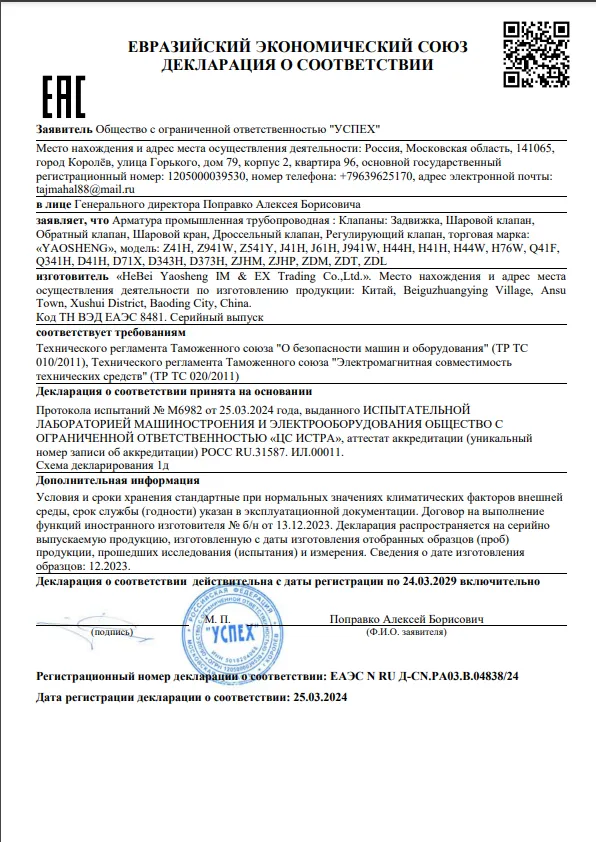
Performance & Engineering
The performance of a 3/4 inch check valve is governed by several engineering principles. Flow coefficient (Cv) is a crucial parameter quantifying the valve’s capacity to pass fluid with minimal pressure drop. This is determined through hydraulic testing, adhering to standards like ANSI/FCI 70-2. Pressure drop across the valve increases with flow rate, and valve design minimizes this loss. Crack pressure, the minimum upstream pressure required to fully open the valve, is a critical specification, particularly in low-flow applications. Seat leakage, expressed as a percentage of full flow rate, dictates the valve’s ability to prevent backflow. Industry benchmarks typically demand leakage rates below 0.1% of full flow. Force analysis is essential in ensuring disc stability and preventing seat damage. The hydrodynamic force exerted by the fluid stream on the disc must be countered by the spring force (in spring-loaded check valves) or the weight of the disc itself. Environmental resistance is paramount; valves exposed to harsh weather conditions require coatings (epoxy, polyurethane) or materials that withstand UV degradation, salt spray corrosion, and temperature extremes. Compliance requirements vary by industry. For potable water applications, valves must meet NSF/ANSI 61 standards for lead content and material safety. Oil & Gas applications require API 6A certification.
Technical Specifications
| Parameter | Unit | Specification (Typical) | Testing Standard |
|---|---|---|---|
| Nominal Pipe Size | inches | 3/4 | ANSI B1.20.1 |
| Maximum Operating Pressure | PSI | 200 | ANSI B16.34 |
| Temperature Range | °F | -20 to 250 | ASTM E29 |
| Connection Type | - | NPT, Socket Weld, Flanged | ASME B1.20.1 |
| Material (Body) | - | Ductile Iron, Stainless Steel 304/316 | ASTM A536-83, ASTM A351 |
| Material (Disc/Seat) | - | PTFE, Buna-N, EPDM | ASTM D797 |
Failure Mode & Maintenance
Common failure modes in 3/4 inch check valves include seat erosion due to particulate matter in the fluid stream, disc sticking or binding due to corrosion or debris accumulation, cracking of polymeric seals due to chemical incompatibility or thermal cycling, and fatigue failure of metallic components under cyclic pressure loads. Failure analysis often reveals that improper fluid filtration is a primary contributor to seat erosion and disc sticking. Corrosion can be accelerated by galvanic corrosion if dissimilar metals are used in the valve construction without proper isolation. Preventative maintenance is crucial. Regular inspection of the valve body, disc, and seat for signs of wear, corrosion, or damage is recommended. Periodic cleaning to remove accumulated debris is essential. Lubrication of moving parts (particularly in swing check valves) with compatible lubricants can prevent sticking. For valves operating in critical applications, scheduled replacement of seals and discs based on manufacturer’s recommendations or operational history is prudent. In cases of severe corrosion or fatigue cracking, complete valve replacement is necessary. Non-destructive testing methods, such as liquid penetrant inspection or ultrasonic testing, can detect internal flaws before catastrophic failure occurs.
Industry FAQ
Q: What is the impact of fluid velocity on check valve performance and longevity?
A: High fluid velocity can significantly accelerate erosion of the valve seat and disc, leading to premature failure. It also increases the hydrodynamic force on the disc, potentially causing damage or preventing proper seating. Selecting a check valve with an appropriate flow coefficient (Cv) for the application’s flow rate is crucial to maintain velocity within acceptable limits. Furthermore, installing a strainer upstream of the valve to remove abrasive particles can mitigate erosion.
Q: How do I determine the appropriate check valve material for a specific corrosive fluid?
A: Selecting the correct material requires a thorough understanding of the fluid’s chemical composition, concentration, temperature, and pressure. Consulting material compatibility charts and seeking guidance from valve manufacturers is essential. For highly corrosive fluids, stainless steel alloys (316, Hastelloy) or specialized polymers (PFA, PVDF) are typically recommended. Avoid using materials that are susceptible to pitting or stress corrosion cracking in the given environment.
Q: What are the differences between swing check valves and lift check valves, and which is best suited for a particular application?
A: Swing check valves utilize a hinged disc that swings open with flow and closes against a seat due to gravity and backflow. They offer low pressure drop but are susceptible to water hammer. Lift check valves employ a disc that lifts vertically off the seat with flow. They are better suited for applications where water hammer is a concern, but generally exhibit higher pressure drop. The best choice depends on the specific application's flow characteristics and pressure requirements.
Q: How important is regular maintenance for preventing check valve failures?
A: Regular maintenance is critically important. Ignoring maintenance can lead to significant downtime and costly repairs. Inspection, cleaning, lubrication, and seal/disc replacement, performed according to manufacturer’s recommendations, significantly extend valve life and ensure reliable operation. A proactive maintenance program is far more cost-effective than reactive repairs.
Q: What are the implications of choosing a check valve with an insufficient flow coefficient (Cv)?
A: An undersized check valve (low Cv) will result in excessive pressure drop, reducing system efficiency and potentially causing cavitation. This can damage the valve and downstream equipment. It will also restrict flow, potentially limiting the overall capacity of the system. Accurate flow rate calculations and careful Cv selection are essential during valve specification.
Conclusion
The 3/4 inch check valve serves as a foundational element in fluid handling systems, providing essential backflow prevention and protecting critical equipment. Proper material selection, informed by fluid compatibility and operating conditions, is paramount. Manufacturing quality, encompassing dimensional accuracy and surface finish, directly impacts valve performance and longevity. Understanding potential failure modes – erosion, corrosion, seal degradation – and implementing a proactive maintenance strategy are crucial for maximizing valve lifespan and minimizing unscheduled downtime.
Ongoing advancements in check valve technology focus on optimizing flow characteristics, enhancing sealing performance, and developing materials with improved corrosion resistance. Future trends likely include the integration of smart sensors for remote monitoring of valve status and predictive maintenance capabilities. Careful consideration of all these technical factors ensures the selection and operation of a 3/4 inch check valve that reliably meets the demands of the intended application.
-
Top Reasons to Choose a Stainless Steel Flange Check Valve for Industrial Applications
-
check valve 3 4 inch Performance Analysis
-
3 4 inch check valve Performance Analysis
-
piloted check valve Performance Analysis
-
pilot check valves Performance Analysis
-
low pressure check valve Performance Analysis
-
check valves high pressure Performance Analysis
-
check valves low pressure Performance Analysis
-
High Pressure Check Valves Performance Analysis
-
low pressure check valves Performance Analysis
-
6 check valve Performance Analysis
-
stainless steel check valves Performance Analysis
-
check valve 6 Performance Analysis
-
check valve stainless steel Performance Analysis
-
6 in check valve Performance Engineering
 Afrikaans
 Albanian
 Amharic
 Arabic
 Armenian
 Azerbaijani
 Basque
 Belarusian
 Bengali
 Bosnian
 Bulgarian
 Catalan
 Cebuano
 Corsican
 Croatian
 Czech
Czech
 Danish
 Dutch
Dutch
 Esperanto
 Estonian
 Finnish
 French
 Frisian
 Galician
 Georgian
 German
 Greek
Greek
 Gujarati
 Haitian Creole
 Hausa
Hawaiian
Hausa
Hawaiian
 Hebrew
 Hindi
Hindi
 Miao
Miao
 Hungarian
 Icelandic
 Igbo
Igbo
 Indonesian
 Irish
Irish
 Italian
 Japanese
 Javanese
Kannada
Javanese
Kannada
 Kazakh
 Khmer
Khmer
 Rwandese
 Korean
 Kurdish
 Kyrgyz
 Lao
Lao
 Latin
Latin
 Latvian
 Lithuanian
 Luxembourgish
 Macedonian
 Malgashi
 Malay
Malay
 Malayalam
 Maltese
 Maori
Maori
 Marathi
 Mongolian
 Myanmar
 Nepali
 Norwegian
 Norwegian
 Occitan
 Pashto
 Persian
 Polish
 Portuguese
Punjabi
Portuguese
Punjabi
 Romanian
 Russian
 Samoan
 Scottish Gaelic
 Serbian
 Sesotho
 Shona
Shona
 Sindhi
 Sinhala
 Slovak
 Slovenian
 Somali
 Spanish
 Sundanese
 Swahili
 Swedish
Tagalog
Swedish
Tagalog
 Tajik
Tajik
 Tamil
Tamil
 Tatar
Tatar
 Telugu
 Thai
Thai
 Turkish
 Turkmen
 Ukrainian
 Urdu
Urdu
 Uighur
 Uzbek
Uzbek
 Vietnamese
 Welsh
Welsh
 Bantu
Bantu
 Yiddish
 Yoruba
 Zulu
Zulu
 English