




china circle seal check valves Performance Analysis
Introduction
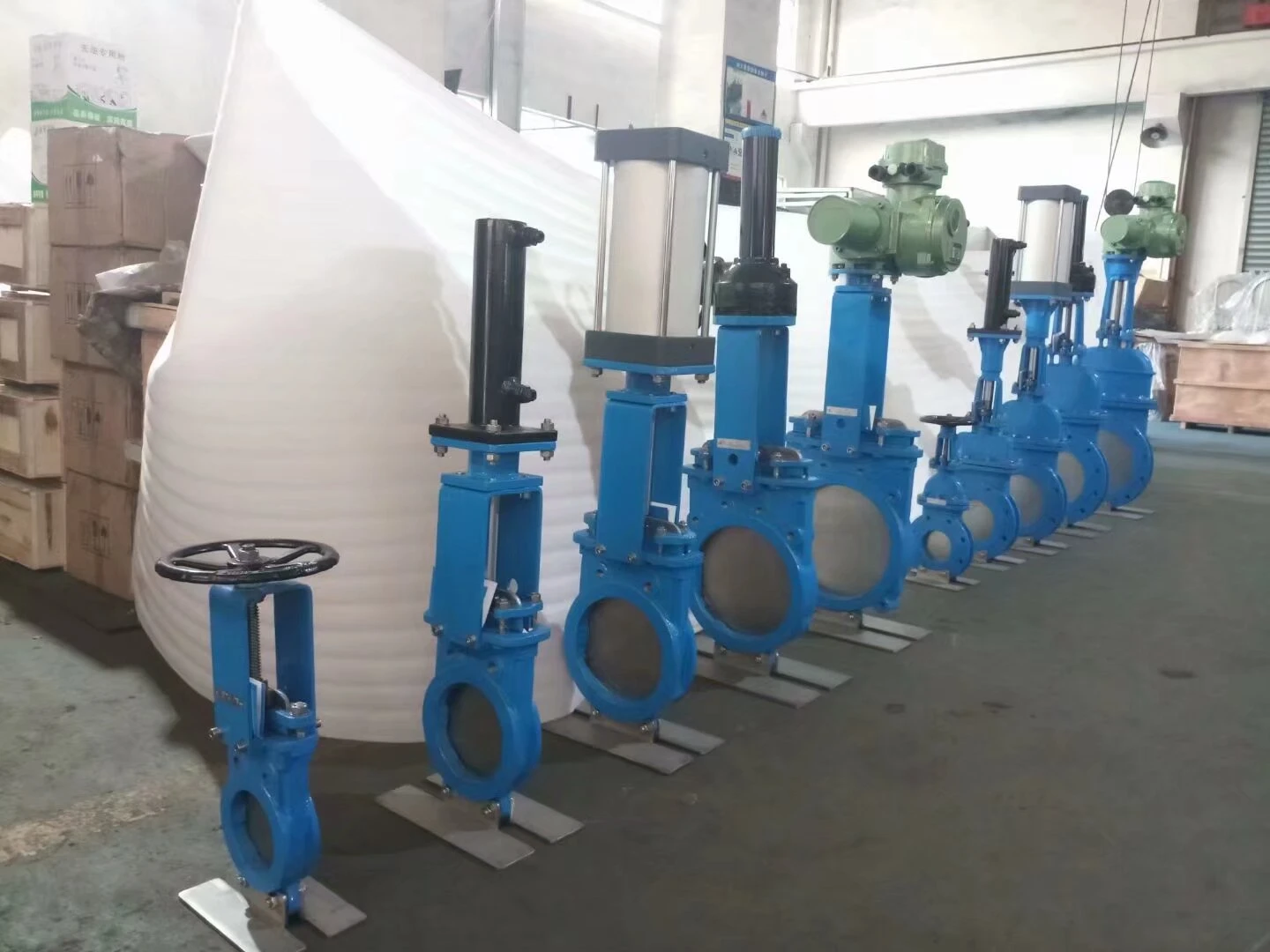
China circle seal check valves represent a critical component within fluid handling systems, categorized as unidirectional flow control devices. Their primary function is to prevent backflow in pipelines, safeguarding pumps, compressors, and other downstream equipment from damage and ensuring operational efficiency. Unlike swing or lift check valves, circle seal designs utilize a disc that seals against a circular elastomer, offering tighter shut-off and reduced water hammer. These valves are extensively deployed across diverse industries including water treatment, petrochemical processing, power generation, and HVAC systems. Core performance characteristics include sealing efficiency, pressure drop, flow capacity (Cv), and resistance to the conveyed fluid. Understanding the nuances of materials selection, manufacturing tolerances, and operational parameters is crucial for optimal performance and longevity in demanding applications. The increasing emphasis on fluid system reliability and environmental regulations drives demand for high-performance check valves, positioning China-manufactured circle seal valves as a competitive solution in the global market.
Material Science & Manufacturing
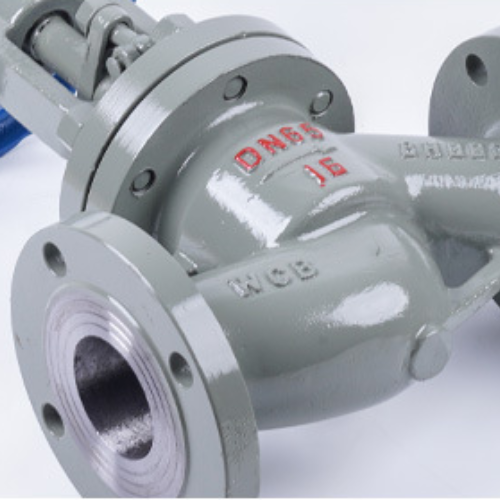
The construction of china circle seal check valves relies on a combination of metallic and polymeric materials, each selected for specific performance requirements. Valve bodies are commonly manufactured from cast iron (ASTM A126 Class B), ductile iron (ASTM A536 65-45-12), or stainless steel (304, 316 – ASTM A351 Grade CF8/CF8M), depending on the fluid's corrosivity and pressure/temperature conditions. Cast iron provides cost-effectiveness and good machinability, but is susceptible to corrosion in aggressive environments. Ductile iron offers enhanced tensile strength and ductility compared to cast iron, improving resistance to fracture. Stainless steel provides superior corrosion resistance, essential for handling highly corrosive fluids. The disc is typically made from stainless steel (304, 316) or bronze, selected for durability and sealing compatibility. The critical sealing element – the elastomer – is commonly EPDM (ethylene propylene diene monomer) for water and general-purpose applications, Viton (fluoroelastomer) for compatibility with oils and solvents, or PTFE (polytetrafluoroethylene) for high-temperature and chemically resistant applications. Manufacturing processes involve investment casting or sand casting for body creation, followed by machining to precise dimensions. Disc manufacturing employs stamping or forging, with subsequent grinding and polishing to achieve a smooth sealing surface. The elastomer is often injection molded and bonded to a reinforcing ring for structural integrity. Critical parameter control includes maintaining dimensional accuracy of the sealing surfaces (typically within +/- 0.025mm), ensuring proper elastomer hardness (Durometer measurement), and verifying surface finish (Ra value) to minimize friction and maximize sealing performance. Welding procedures (for stainless steel valves) must adhere to AWS D1.1 standards to ensure structural integrity and prevent corrosion.
Performance & Engineering
The performance of china circle seal check valves is heavily influenced by hydrodynamic forces, fluid viscosity, and pressure differentials. Force analysis centers on the pressure exerted by the fluid on the disc, balanced against the spring force (if present) and the elastomer's resilience. Improper sizing or high flow velocities can lead to cavitation, impacting the disc and accelerating wear. Environmental resistance is paramount, particularly regarding corrosion and temperature extremes. Valves operating in seawater or chemically aggressive environments require materials specifically selected for compatibility, and coatings may be applied for additional protection. Compliance requirements vary depending on the application. Potable water systems necessitate valves compliant with NSF/ANSI 61 standards, ensuring the absence of harmful leachates. Valves used in pressure vessels must meet ASME Section VIII Division 1 requirements. Functional implementation considerations include flow capacity (Cv) calculation based on valve size and pressure drop, ensuring adequate flow rates without excessive head loss. The design must minimize turbulence and promote laminar flow to reduce erosion and noise. Valve actuation speed is also critical – rapid closure is essential to prevent water hammer, while excessively fast closure can induce stress on the valve components. Fatigue analysis, based on anticipated cyclic loading, is crucial to predict valve lifespan and prevent catastrophic failure. Proper installation, including adequate upstream and downstream piping length, is essential for optimal performance and to prevent flow disturbances.
Technical Specifications
| Parameter | Unit | ASTM A126 Class B Iron Valve | ASTM A536 65-45-12 Ductile Iron Valve |
|---|---|---|---|
| Maximum Working Pressure | PSI | 200 | 300 |
| Temperature Range | °F | -20 to 250 | -20 to 350 |
| Connection Type | - | Flanged, Threaded, Socket Weld | Flanged, Threaded, Socket Weld |
| Disc Material | - | Bronze | Stainless Steel 304 |
| Elastomer | - | EPDM | Viton |
| Cv (Flow Coefficient) – 2” Valve | GPM | 50 | 65 |
Failure Mode & Maintenance
China circle seal check valves are susceptible to several failure modes. Fatigue cracking can occur in the valve body due to cyclic pressure fluctuations, particularly at stress concentration points. Corrosion, especially in untreated cast iron valves, leads to material degradation and eventual leakage. Elastomer degradation (swelling, hardening, cracking) is common due to exposure to incompatible fluids, UV radiation, or extreme temperatures. Disc erosion can result from abrasive particles in the fluid stream, damaging the sealing surface. A common failure is elastomer delamination – the separation of the elastomer from the reinforcing ring, leading to complete loss of seal. Water hammer, caused by rapid valve closure, can induce excessive stress on the disc and body, leading to fracture. Maintenance procedures should include regular visual inspection for corrosion, leaks, and elastomer condition. Periodic testing of the valve’s seat leakage using appropriate testing equipment (e.g., bubble test) is critical. Lubrication of moving parts (where applicable) reduces friction and wear. Elastomer replacement is essential when signs of degradation are observed. If corrosion is present, surface preparation and application of a protective coating (epoxy, polyurethane) can extend valve lifespan. Preventative maintenance programs, based on operational data and recommended service intervals, are crucial for maximizing reliability and minimizing downtime. Proper storage of spare parts, protecting them from environmental factors, is also essential.
Industry FAQ
Q: What is the primary advantage of a circle seal check valve compared to a swing check valve in low-flow applications?
A: Circle seal check valves offer a tighter shut-off in low-flow conditions compared to swing check valves. Swing check valves rely on gravity to seat the disc, which can be ineffective at very low velocities, leading to backflow. The spring-loaded or elastomer-sealed design of a circle seal valve ensures positive closure even with minimal flow, preventing reverse flow and maintaining system integrity.
Q: How does the material selection impact the longevity of the valve when handling seawater?
A: Seawater is highly corrosive due to its chloride content. Using cast iron or carbon steel will lead to rapid corrosion and valve failure. Valves handling seawater must be constructed from corrosion-resistant alloys such as stainless steel 316, duplex stainless steel, or bronze. The elastomer must also be seawater-resistant, such as EPDM. Protective coatings, like epoxy, can further enhance corrosion resistance.
Q: What are the key considerations when selecting an elastomer for a check valve used with hydraulic oil?
A: Hydraulic oil compatibility is critical. EPDM is generally unsuitable due to swelling and degradation. Nitrile (Buna-N) offers good oil resistance but has limited temperature range. Viton (fluoroelastomer) provides excellent resistance to a wide range of hydraulic oils and temperatures, making it the preferred choice, although it is more expensive. Proper testing with the specific hydraulic fluid is always recommended.
Q: How can I mitigate the risk of water hammer associated with rapid valve closure?
A: Water hammer can be mitigated by selecting valves with dampened closure mechanisms, such as incorporating a spring-loaded disc or utilizing a slow-closing design. Proper piping design, including adequate upstream and downstream straight pipe lengths, can also reduce turbulence and minimize shock waves. Installing an accumulator or surge suppressor in the piping system provides additional protection.
Q: What is the significance of the ‘Cv’ value when specifying a check valve?
A: The Cv (flow coefficient) value indicates the valve’s capacity to pass fluid at a given pressure drop. Selecting a valve with an appropriate Cv value ensures sufficient flow rate for the application without causing excessive pressure loss. An undersized valve will restrict flow, while an oversized valve may not provide adequate backflow prevention.
Conclusion
China circle seal check valves represent a robust and cost-effective solution for unidirectional flow control across a broad spectrum of industrial applications. Their efficacy hinges on meticulous material selection, precise manufacturing processes, and adherence to relevant industry standards. Understanding the potential failure modes—ranging from corrosion and elastomer degradation to fatigue cracking—is paramount for implementing effective preventative maintenance strategies and maximizing operational lifespan.
Continued advancements in elastomer technology, coupled with improved valve designs focused on minimizing pressure drop and reducing water hammer, will further enhance the performance and reliability of these critical components. As fluid handling systems become increasingly complex and stringent environmental regulations are enforced, the demand for high-quality, dependable circle seal check valves will only continue to grow, solidifying their position as a cornerstone of industrial infrastructure.
-
Top Reasons to Choose a Stainless Steel Flange Check Valve for Industrial Applications
-
check valve 3 4 inch Performance Analysis
-
3 4 inch check valve Performance Analysis
-
piloted check valve Performance Analysis
-
pilot check valves Performance Analysis
-
low pressure check valve Performance Analysis
-
check valves high pressure Performance Analysis
-
check valves low pressure Performance Analysis
-
High Pressure Check Valves Performance Analysis
-
low pressure check valves Performance Analysis
-
6 check valve Performance Analysis
-
stainless steel check valves Performance Analysis
-
check valve 6 Performance Analysis
-
check valve stainless steel Performance Analysis
-
6 in check valve Performance Engineering
 Afrikaans
 Albanian
 Amharic
 Arabic
 Armenian
 Azerbaijani
 Basque
 Belarusian
 Bengali
 Bosnian
 Bulgarian
 Catalan
 Cebuano
 Corsican
 Croatian
 Czech
Czech
 Danish
 Dutch
Dutch
 Esperanto
 Estonian
 Finnish
 French
 Frisian
 Galician
 Georgian
 German
 Greek
Greek
 Gujarati
 Haitian Creole
 Hausa
Hawaiian
Hausa
Hawaiian
 Hebrew
 Hindi
Hindi
 Miao
Miao
 Hungarian
 Icelandic
 Igbo
Igbo
 Indonesian
 Irish
Irish
 Italian
 Japanese
 Javanese
Kannada
Javanese
Kannada
 Kazakh
 Khmer
Khmer
 Rwandese
 Korean
 Kurdish
 Kyrgyz
 Lao
Lao
 Latin
Latin
 Latvian
 Lithuanian
 Luxembourgish
 Macedonian
 Malgashi
 Malay
Malay
 Malayalam
 Maltese
 Maori
Maori
 Marathi
 Mongolian
 Myanmar
 Nepali
 Norwegian
 Norwegian
 Occitan
 Pashto
 Persian
 Polish
 Portuguese
Punjabi
Portuguese
Punjabi
 Romanian
 Russian
 Samoan
 Scottish Gaelic
 Serbian
 Sesotho
 Shona
Shona
 Sindhi
 Sinhala
 Slovak
 Slovenian
 Somali
 Spanish
 Sundanese
 Swahili
 Swedish
Tagalog
Swedish
Tagalog
 Tajik
Tajik
 Tamil
Tamil
 Tatar
Tatar
 Telugu
 Thai
Thai
 Turkish
 Turkmen
 Ukrainian
 Urdu
Urdu
 Uighur
 Uzbek
Uzbek
 Vietnamese
 Welsh
Welsh
 Bantu
Bantu
 Yiddish
 Yoruba
 Zulu
Zulu
 English