




china cryogenic check valves Performance Analysis
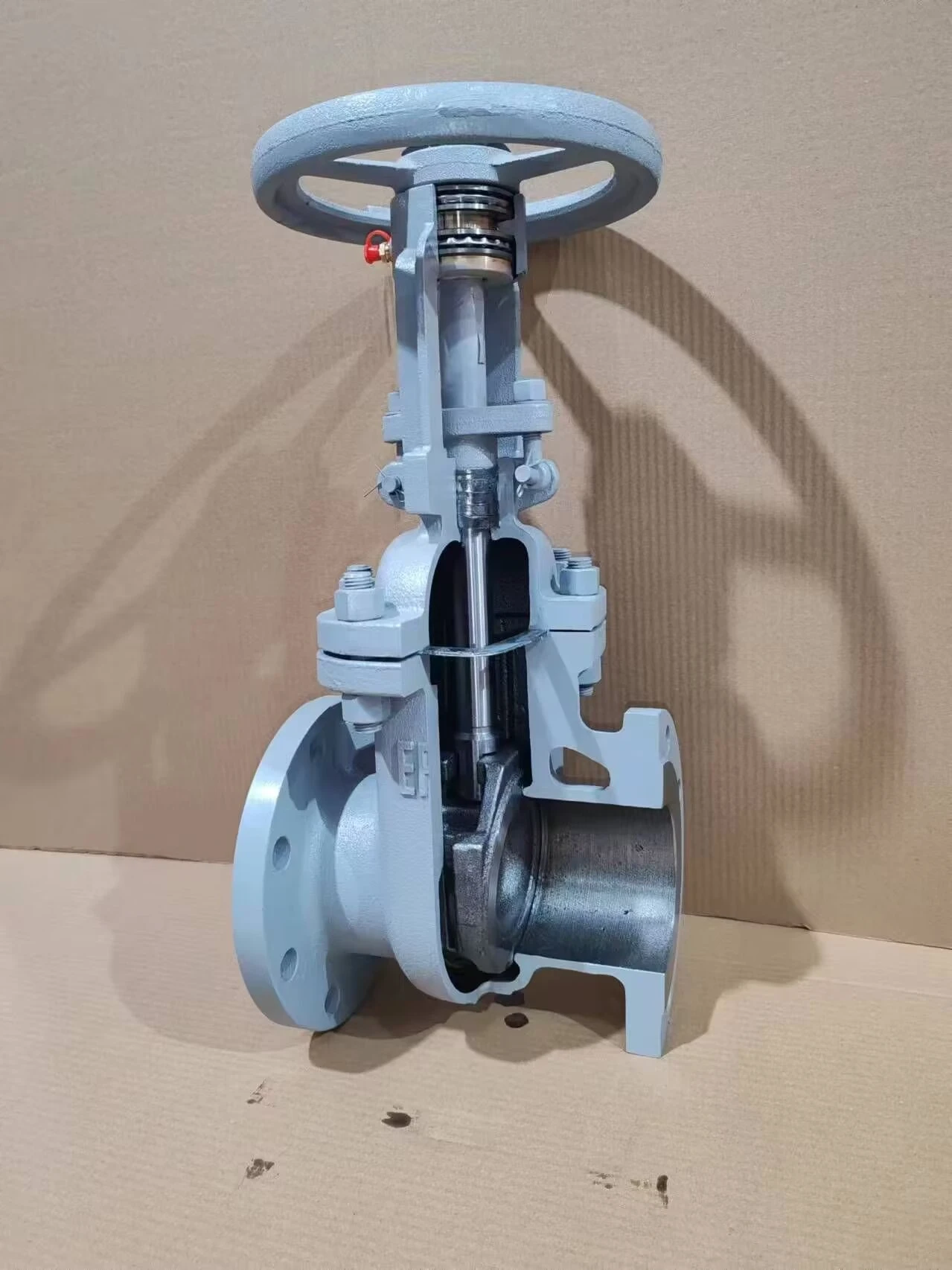
Introduction
Cryogenic check valves are specialized valves designed to prevent backflow in piping systems handling cryogenic fluids – liquids with temperatures below -150°C (-238°F). China cryogenic check valves, increasingly prominent in the global industrial gas and LNG markets, play a critical role in ensuring safe and efficient transfer of these fluids. Their technical position within the cryogenic supply chain is paramount, acting as critical safety devices protecting compressors, pumps, and downstream processing equipment from damage caused by reverse flow. Core performance characteristics include minimal leakage, low pressure drop, reliable sealing at extremely low temperatures, and resistance to thermal shock. A key industry pain point is maintaining valve integrity over extended service life in the face of repeated thermal cycling and potential embrittlement of valve materials. Furthermore, ensuring full traceability of materials and adherence to stringent international standards is a constant concern for procurement managers.
Material Science & Manufacturing
The manufacturing of china cryogenic check valves necessitates the use of materials capable of withstanding extreme temperatures and maintaining ductility. Common body and bonnet materials include stainless steels (304, 316, 316L), and duplex stainless steels. The selection hinges on the specific cryogenic fluid being handled (liquid nitrogen, liquid oxygen, LNG), as certain materials exhibit incompatibility. Valve internals, particularly the disc and seat, are frequently constructed from PTFE (polytetrafluoroethylene) due to its excellent cryogenic temperature resistance and low coefficient of friction. However, PTFE exhibits creep at elevated temperatures and pressures, requiring careful design considerations. Manufacturing processes typically involve precision casting, forging, and machining. Welding, a critical step, requires highly skilled technicians and adherence to procedures like ASME Section IX to ensure weld integrity and prevent defects such as porosity and cracking. Post-weld heat treatment (PWHT) is often employed to relieve residual stresses. Quality control is paramount, with extensive non-destructive testing (NDT) including radiographic testing (RT), liquid penetrant testing (PT), and ultrasonic testing (UT) performed to detect flaws. Parameter control during manufacturing focuses on maintaining tight tolerances on critical dimensions, ensuring surface finish quality to minimize friction, and achieving consistent material properties through heat treatment cycles. Chemical composition verification is performed via methods like Optical Emission Spectrometry (OES).

Performance & Engineering
The performance of cryogenic check valves is heavily influenced by fluid dynamics and thermal stress. Force analysis involves calculating the disc closing force required to overcome fluid momentum and pressure differentials. This calculation considers fluid density, velocity, valve size, and pressure drop. Environmental resistance is a key concern, particularly resistance to thermal shock – the rapid temperature change that can induce cracking and material failure. Valve design incorporates features to mitigate thermal shock, such as gradual transitions in wall thickness and optimized flow paths. Compliance requirements are extensive, including adherence to pressure equipment directives (PED), ATEX regulations for potentially explosive atmospheres, and fire-safe standards (API 6FA). Functional implementation relies on a spring-loaded disc design, where a spring force provides the closing force. The spring material must maintain its elasticity at cryogenic temperatures. Valve actuation time is also a critical parameter, influencing system response. Furthermore, the valve's seat leakage rate must meet stringent industry standards to prevent fluid loss and maintain system efficiency. Finite Element Analysis (FEA) is commonly employed to simulate stress distributions under various operating conditions, optimizing valve design for maximum reliability.
Technical Specifications
| Parameter | Unit | Typical Value (304SS, 2” Valve) | Remarks |
|---|---|---|---|
| Maximum Working Pressure | MPa | 25 | Varies with material and size |
| Temperature Range | °C | -196 to +85 | Dependent on seal material |
| Connection Type | - | Welded, Screwed, Flanged | Selection based on application |
| Leakage Rate | ml/min | ≤ 0.1 | Bubble tight shut-off |
| Material (Body) | - | 304/316 Stainless Steel | Other alloys available |
| Material (Seat/Disc) | - | PTFE, PEEK | Selection based on fluid compatibility |
Failure Mode & Maintenance
Common failure modes in china cryogenic check valves include disc sticking due to ice formation or debris accumulation, seat degradation leading to leakage, spring fatigue resulting in slow closure, and body cracking due to thermal cycling. Fatigue cracking, particularly around welds, is a significant concern. Delamination of PTFE seats can occur due to prolonged exposure to cryogenic temperatures and chemical attack. Oxidation of stainless steel components can also occur, especially in the presence of oxygen-rich environments. Regular maintenance is crucial to prevent these failures. This includes visual inspection for external damage, functional testing to verify valve operation, and periodic replacement of seals and springs. Non-destructive testing (NDT) can be used to detect cracks and other defects. For valves that have been exposed to corrosive fluids, a thorough cleaning and inspection are recommended. Preventive maintenance schedules should be established based on operating conditions and valve usage. Proper storage of spare parts is also essential to minimize downtime. Furthermore, proper lubrication of moving parts with cryogenic-compatible lubricants is vital.
Industry FAQ
Q: What is the impact of material selection on the longevity of a cryogenic check valve operating with liquid nitrogen?
A: Liquid nitrogen's extremely low temperature (-196°C) necessitates materials with exceptional ductility to prevent brittle fracture. Austenitic stainless steels (304, 316) are commonly used, but careful consideration must be given to the alloy's nickel content, as this impacts low-temperature toughness. Lower nickel content alloys may exhibit a ductile-to-brittle transition temperature too high for reliable operation. Additionally, seal materials like PTFE must be qualified for cryogenic service to prevent degradation and maintain sealing performance.
Q: How does thermal cycling affect the performance of a welded cryogenic check valve?
A: Repeated thermal cycling induces thermal stress in the valve body, particularly around weldments. This can lead to fatigue cracking and eventual failure. Proper weld procedures, including preheating, post-weld heat treatment (PWHT), and meticulous inspection using non-destructive testing methods (RT, UT), are crucial to mitigate these risks. Valve design should also incorporate features to minimize stress concentrations.
Q: What are the key considerations when selecting a check valve for LNG service, considering potential hydrate formation?
A: Hydrate formation, where water condenses and forms ice-like crystals, is a significant concern in LNG applications. Valve internals must be designed to minimize areas where water can accumulate. Materials must be compatible with the LNG and any potential hydrate inhibitors used. Regular inspection and purging of the valve are essential to prevent hydrate buildup.
Q: What level of testing is typically required to ensure the leak tightness of a cryogenic check valve?
A: Leak tightness is typically verified using helium leak testing. Valves are subjected to a helium atmosphere at a specified pressure, and a helium detector is used to measure the leakage rate. Industry standards (e.g., MSS SP-61) define acceptable leakage rates based on valve size and application. Bubble testing with a cryogenic fluid is also sometimes performed as a visual verification.
Q: Can you discuss the importance of traceability in the manufacturing of cryogenic check valves used in safety-critical applications?
A: Full material traceability is paramount for safety-critical cryogenic applications. This involves maintaining detailed records of the material's origin, chemical composition, heat treatment history, and manufacturing process. This documentation is essential for verifying compliance with industry standards and investigating any potential failures. A robust Quality Management System (QMS) is required to ensure traceability throughout the entire supply chain.
Conclusion
China cryogenic check valves are critical components in the handling of ultra-cold fluids, demanding meticulous material selection, precise manufacturing, and stringent quality control. The performance of these valves is fundamentally governed by their ability to withstand extreme temperatures, maintain leak-tight sealing, and resist the detrimental effects of thermal cycling and material embrittlement. Understanding the intricate interplay between material science, engineering principles, and international standards is essential for ensuring reliable and safe operation.
Looking ahead, advancements in valve design, such as the incorporation of advanced sealing materials and optimized flow paths, will further enhance the performance and reliability of cryogenic check valves. Continued research into material compatibility and failure analysis will be crucial for addressing the challenges posed by increasingly demanding applications in the LNG and industrial gas industries. Furthermore, the adoption of digital technologies, such as predictive maintenance algorithms based on sensor data, will enable proactive maintenance strategies, minimizing downtime and maximizing valve lifespan.
-
Top Reasons to Choose a Stainless Steel Flange Check Valve for Industrial Applications
-
Direct Acting Solenoid Valves Performance Analysis
-
solenoid valve direct acting Performance Analysis
-
solenoid valve miniature Performance Analysis
-
cryogenic solenoid valves Material Science Manufacturing
-
solenoid valve cryogenic Performance Analysis
-
24vdc solenoid valve Performance Analysis
-
24vdc solenoid valves Performance Analysis
-
solenoid valves 24vdc Performance Analysis
-
solenoid valve 24 vdc Performance Analysis
-
24v dc solenoid valve Performance Analysis
-
circle seal check valve Performance Engineering
-
circle seal check valves Performance Analysis
-
cryogenic check valve Performance Analysis
-
3 swing check valve Performance Analysis
 Afrikaans
 Albanian
 Amharic
 Arabic
 Armenian
 Azerbaijani
 Basque
 Belarusian
 Bengali
 Bosnian
 Bulgarian
 Catalan
 Cebuano
 Corsican
 Croatian
 Czech
Czech
 Danish
 Dutch
Dutch
 Esperanto
 Estonian
 Finnish
 French
 Frisian
 Galician
 Georgian
 German
 Greek
Greek
 Gujarati
 Haitian Creole
 Hausa
Hawaiian
Hausa
Hawaiian
 Hebrew
 Hindi
Hindi
 Miao
Miao
 Hungarian
 Icelandic
 Igbo
Igbo
 Indonesian
 Irish
Irish
 Italian
 Japanese
 Javanese
Kannada
Javanese
Kannada
 Kazakh
 Khmer
Khmer
 Rwandese
 Korean
 Kurdish
 Kyrgyz
 Lao
Lao
 Latin
Latin
 Latvian
 Lithuanian
 Luxembourgish
 Macedonian
 Malgashi
 Malay
Malay
 Malayalam
 Maltese
 Maori
Maori
 Marathi
 Mongolian
 Myanmar
 Nepali
 Norwegian
 Norwegian
 Occitan
 Pashto
 Persian
 Polish
 Portuguese
Punjabi
Portuguese
Punjabi
 Romanian
 Russian
 Samoan
 Scottish Gaelic
 Serbian
 Sesotho
 Shona
Shona
 Sindhi
 Sinhala
 Slovak
 Slovenian
 Somali
 Spanish
 Sundanese
 Swahili
 Swedish
Tagalog
Swedish
Tagalog
 Tajik
Tajik
 Tamil
Tamil
 Tatar
Tatar
 Telugu
 Thai
Thai
 Turkish
 Turkmen
 Ukrainian
 Urdu
Urdu
 Uighur
 Uzbek
Uzbek
 Vietnamese
 Welsh
Welsh
 Bantu
Bantu
 Yiddish
 Yoruba
 Zulu
Zulu
 English