




cryogenic check valve Performance Analysis
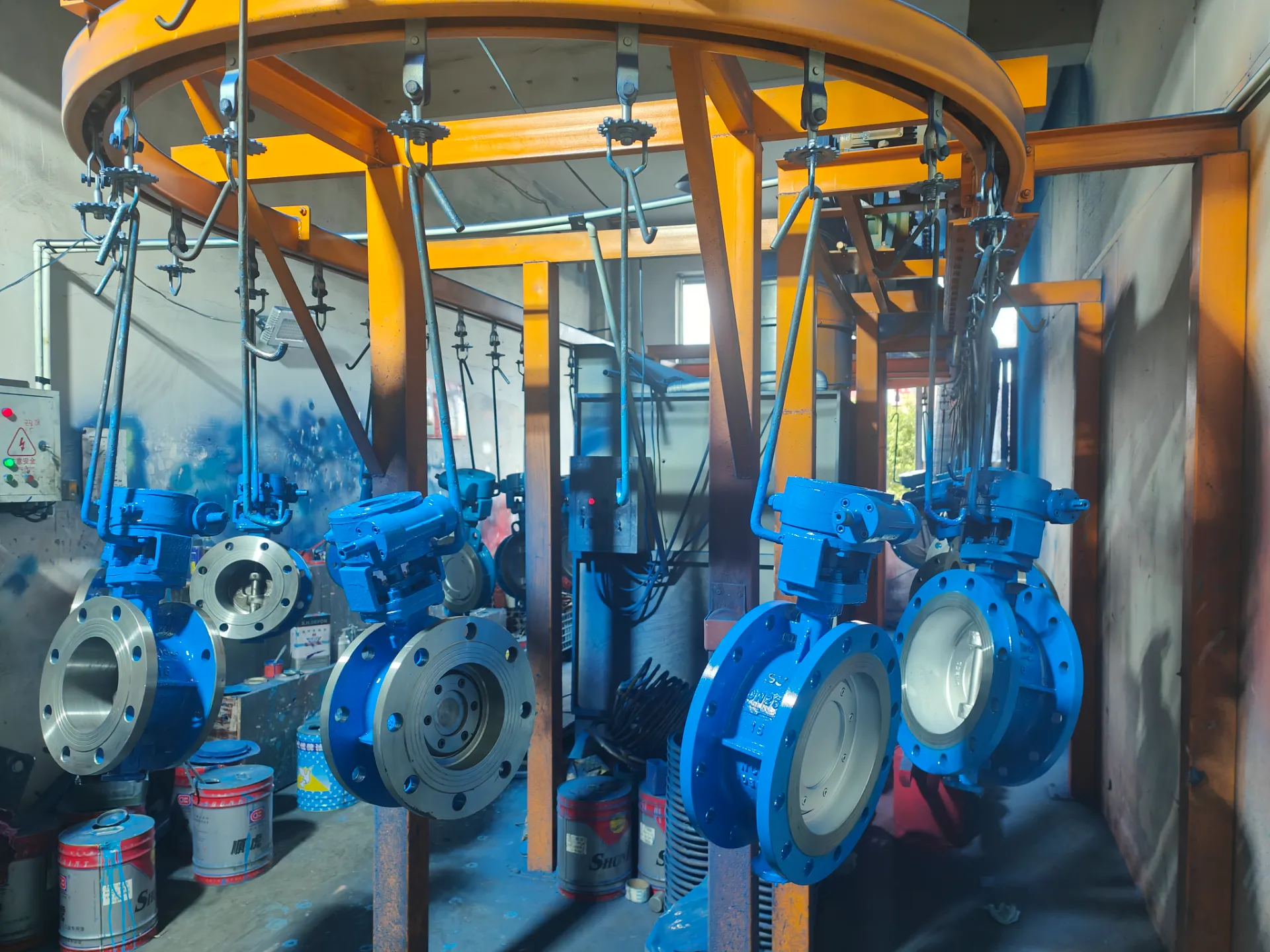
Introduction
Cryogenic check valves are critical components in fluid handling systems designed for extremely low-temperature applications, typically involving liquefied gases such as liquid nitrogen, liquid oxygen, liquid argon, and liquefied natural gas (LNG). These valves, unlike standard check valves, must maintain leak-tight integrity and operational reliability under conditions that induce significant thermal contraction and material stress. Their function is to prevent backflow in pipelines where cryogenic fluids are transported, ensuring unidirectional flow and protecting upstream equipment from damage due to reverse flow or contamination. Within the industry chain, they represent a specialized segment of industrial valve technology, demanding materials and designs capable of withstanding the extreme physical and chemical challenges posed by cryogenic service. Core performance characteristics are defined by leak rate (typically expressed in ppm of the specific gas), pressure drop, and cycle life at cryogenic temperatures. The increasing demand for LNG and industrial gases drives the need for highly reliable cryogenic check valves, representing a substantial market within the broader valve industry.
Material Science & Manufacturing
The selection of materials for cryogenic check valves is paramount, dictated by the need to maintain ductility and fracture toughness at extremely low temperatures. Common materials include 304L and 316L stainless steel, chosen for their austenitic structure which resists embrittlement. Nickel alloys, such as Monel 400 and Inconel 625, are employed in more demanding applications requiring enhanced corrosion resistance and strength. Polytetrafluoroethylene (PTFE) is frequently used for seals and seats due to its low coefficient of friction and resilience at cryogenic temperatures, although specialized low-temperature elastomers may be necessary for improved sealing performance. Manufacturing processes are highly controlled to minimize residual stresses and ensure weld integrity. Welding is typically performed using techniques like Gas Tungsten Arc Welding (GTAW) with stringent pre- and post-weld heat treatment to prevent cracking. Body fabrication often involves precision machining and dimensional control to maintain tight tolerances. Disk manufacturing relies on forging and subsequent machining to achieve the desired geometry and surface finish. Valve assembly requires careful attention to detail to prevent galling or seizing of moving parts during operation. Parameters such as weld penetration depth, heat input during welding, and surface roughness are critical control points to guarantee material integrity and prevent premature failure.

Performance & Engineering
Cryogenic check valve performance is heavily influenced by thermal contraction, which creates substantial stresses within the valve body and components. Force analysis must account for differential thermal expansion between materials with differing coefficients of expansion. Spring-loaded check valves, a common design, require careful spring selection to maintain sufficient closing force at cryogenic temperatures, where spring materials exhibit changes in elasticity. Environmental resistance is critical; exposure to cryogenic fluids can induce embrittlement or corrosion if materials are not properly selected. Compliance requirements are stringent, particularly regarding leak tightness and pressure relief mechanisms. Valves must conform to standards like MSS SP-134 (Valves for Low-Temperature Service) and PED (Pressure Equipment Directive) depending on the region of application. Functional implementation involves several design considerations. The disk’s geometry (e.g., poppet, swing, or lift type) dictates the flow characteristics and pressure drop. The seat material and design influence leak tightness. The valve’s orientation (horizontal or vertical) affects the flow dynamics and the effectiveness of the check mechanism. Furthermore, the valve’s pressure and temperature ratings must be accurately determined and validated through rigorous testing to ensure safe and reliable operation under expected service conditions. Fatigue analysis is also crucial due to cyclic thermal stresses.
Technical Specifications
| Parameter | Unit | Typical Value (304L SS) | Typical Value (Monel 400) |
|---|---|---|---|
| Maximum Operating Pressure | Bar | 250 | 400 |
| Temperature Range | °C | -196 to +85 | -196 to +200 |
| Leak Rate (Bubble Tight) | ppm (vol/vol) | <5 | <1 |
| Connection Type | - | Welded, Threaded, Flanged | Welded, Flanged |
| Body Material | - | 304L Stainless Steel | Monel 400 |
| Seat Material | - | PTFE | Reinforced PTFE |
Failure Mode & Maintenance
Common failure modes in cryogenic check valves include seat erosion due to particulate matter in the fluid stream, cracking of valve body or components due to thermal fatigue or stress corrosion cracking, and leakage past the seat due to wear or damage. Fatigue cracking often initiates at weld points subjected to cyclic thermal stresses. Embrittlement of materials at cryogenic temperatures can also lead to brittle fracture. Delamination of PTFE seats can occur due to thermal cycling and exposure to specific cryogenic fluids. Oxidation of metal components can occur if the valve is not properly purged or if contaminants are present. Preventative maintenance is critical. Regular inspection for leaks, corrosion, and wear is essential. Periodic testing of valve operation, including cycle testing and leak testing, should be performed. Lubrication of moving parts (if applicable) can reduce friction and wear. Replacement of worn or damaged components, such as seats and springs, is necessary to maintain valve integrity. A detailed failure analysis should be conducted on any valve that experiences premature failure to identify the root cause and implement corrective actions. Proper storage and handling procedures are also vital to prevent damage during transportation and installation.
Industry FAQ
Q: What is the primary difference between a standard check valve and a cryogenic check valve?
A: The primary difference lies in the materials and design considerations. Standard check valves are typically designed for ambient temperature applications and may not withstand the extreme thermal stresses and embrittlement potential associated with cryogenic fluids. Cryogenic check valves utilize specialized materials like 304L/316L stainless steel and Monel, and incorporate designs to accommodate thermal contraction and maintain leak tightness at low temperatures.
Q: How does thermal contraction affect the performance of a cryogenic check valve?
A: Thermal contraction induces significant stresses within the valve body and components as the material cools. These stresses can affect the sealing performance of the valve, potentially leading to leakage. Valve designs must account for differential thermal expansion between materials and incorporate features to mitigate these stresses, such as flexible seals and optimized spring designs.
Q: What are the acceptable leak rates for cryogenic check valves?
A: Acceptable leak rates are typically very low, often specified in parts per million (ppm) of the specific gas being handled. Bubble-tight shutoff (less than 5 ppm) is commonly required, and in some critical applications, leak rates may need to be even lower (less than 1 ppm).
Q: What materials are best suited for the valve seat in a cryogenic check valve?
A: PTFE is a common choice for cryogenic valve seats due to its low coefficient of friction and resilience at low temperatures. However, reinforced PTFE or specialized low-temperature elastomers may be preferred for applications requiring improved sealing performance or resistance to specific cryogenic fluids. The material must maintain flexibility and conformability at cryogenic temperatures.
Q: What maintenance procedures are critical for cryogenic check valves?
A: Critical maintenance procedures include regular inspection for leaks and corrosion, periodic testing of valve operation (cycle testing and leak testing), and replacement of worn or damaged components such as seats and springs. Proper purging procedures are also essential to prevent contamination and ensure optimal performance. Detailed records of inspections and maintenance activities should be maintained.
Conclusion
Cryogenic check valves represent a specialized and critical component within cryogenic fluid handling systems. Their performance relies heavily on careful material selection, precise manufacturing processes, and a comprehensive understanding of the physical and chemical challenges presented by extremely low-temperature applications. The demands for leak-tightness, durability, and reliability in these valves necessitate adherence to stringent industry standards and best practices.
Looking ahead, advancements in materials science and valve design will likely focus on developing even more robust and reliable cryogenic check valves capable of handling increasingly demanding applications. Areas of focus may include the development of new alloys with enhanced cryogenic properties, improved sealing technologies, and the integration of predictive maintenance systems. Continuous improvement in these areas will be essential to meet the evolving needs of the LNG and industrial gas industries.
-
Top Reasons to Choose a Stainless Steel Flange Check Valve for Industrial Applications
-
circle seal check valve Performance Engineering
-
circle seal check valves Performance Analysis
-
cryogenic check valve Performance Analysis
-
3 swing check valve Performance Analysis
-
4 wafer check valve Performance Analysis
-
6 wafer check valve Performance Analysis
-
cryogenic check valves Performance Analysis
-
soft seated check valve Performance Analysis
-
3/4 check valve Performance Analysis
-
wafer style check valve Performance Analysis
-
check valve with orifice Performance Analysis
-
check valve 8 inch Performance Analysis
-
1 1 2 inch check valve Performance Analysis
-
cast iron check valves Performance Analysis
 Afrikaans
 Albanian
 Amharic
 Arabic
 Armenian
 Azerbaijani
 Basque
 Belarusian
 Bengali
 Bosnian
 Bulgarian
 Catalan
 Cebuano
 Corsican
 Croatian
 Czech
Czech
 Danish
 Dutch
Dutch
 Esperanto
 Estonian
 Finnish
 French
 Frisian
 Galician
 Georgian
 German
 Greek
Greek
 Gujarati
 Haitian Creole
 Hausa
Hawaiian
Hausa
Hawaiian
 Hebrew
 Hindi
Hindi
 Miao
Miao
 Hungarian
 Icelandic
 Igbo
Igbo
 Indonesian
 Irish
Irish
 Italian
 Japanese
 Javanese
Kannada
Javanese
Kannada
 Kazakh
 Khmer
Khmer
 Rwandese
 Korean
 Kurdish
 Kyrgyz
 Lao
Lao
 Latin
Latin
 Latvian
 Lithuanian
 Luxembourgish
 Macedonian
 Malgashi
 Malay
Malay
 Malayalam
 Maltese
 Maori
Maori
 Marathi
 Mongolian
 Myanmar
 Nepali
 Norwegian
 Norwegian
 Occitan
 Pashto
 Persian
 Polish
 Portuguese
Punjabi
Portuguese
Punjabi
 Romanian
 Russian
 Samoan
 Scottish Gaelic
 Serbian
 Sesotho
 Shona
Shona
 Sindhi
 Sinhala
 Slovak
 Slovenian
 Somali
 Spanish
 Sundanese
 Swahili
 Swedish
Tagalog
Swedish
Tagalog
 Tajik
Tajik
 Tamil
Tamil
 Tatar
Tatar
 Telugu
 Thai
Thai
 Turkish
 Turkmen
 Ukrainian
 Urdu
Urdu
 Uighur
 Uzbek
Uzbek
 Vietnamese
 Welsh
Welsh
 Bantu
Bantu
 Yiddish
 Yoruba
 Zulu
Zulu
 English