




check valve 8 inch Performance Analysis
Introduction
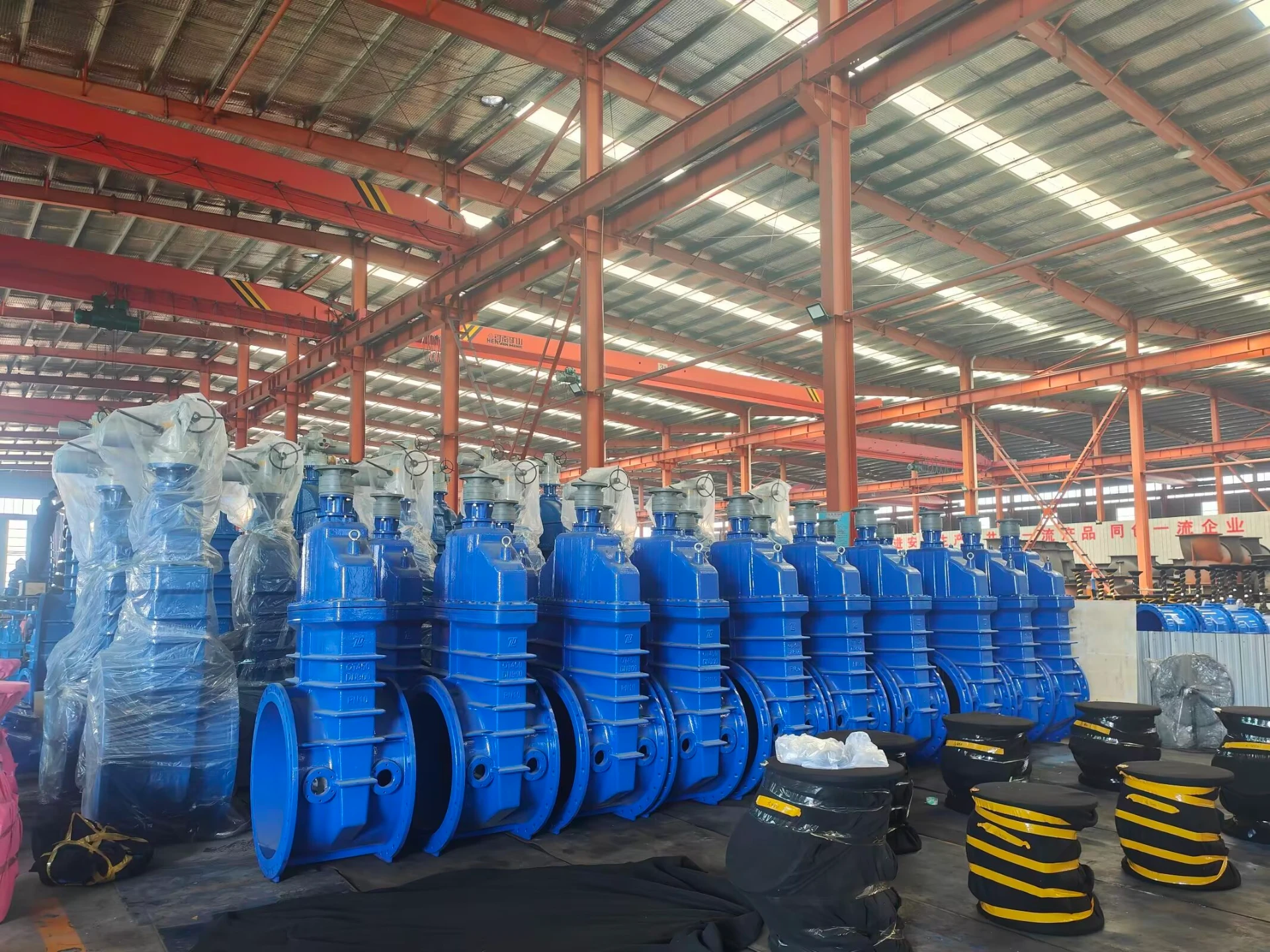
An 8-inch check valve is a critical component in piping systems designed to prevent backflow of fluids – liquids or gases – ensuring unidirectional flow. Positioned within the industry chain as a terminal control device, it safeguards pumps, compressors, and other downstream equipment from reverse pressure surges, contamination, and potential damage. These valves operate automatically, driven solely by the pressure differential of the flowing medium. Their robustness and reliability are paramount in applications ranging from water and wastewater treatment to oil and gas pipelines, chemical processing, and power generation. Core performance characteristics include flow capacity (Cv), pressure drop, leak tightness, and resistance to the corrosive properties of the transported media. The selection of the appropriate check valve material and design is dictated by the service conditions, encompassing fluid type, temperature, pressure, and potential for water hammer. Improper selection or maintenance can lead to system inefficiencies, component failure, and costly downtime.
Material Science & Manufacturing
The body of an 8-inch check valve is commonly constructed from cast iron (ASTM A126 Class B), ductile iron (ASTM A536 65-45-12), carbon steel (ASTM A105), or stainless steel (304/316 – ASTM A351). Material selection is driven by fluid compatibility; for instance, corrosive fluids necessitate stainless steel or specialized alloys like Hastelloy. The internal components – disc, seat, and spring (in some designs) – are equally crucial. Discs can be made from materials identical to the body or from more specialized polymers (PTFE, EPDM) for improved sealing and resistance to abrasion. Seats often utilize elastomers like nitrile rubber (NBR), ethylene propylene diene monomer (EPDM), or fluorocarbon elastomers (Viton) to achieve leak-tight closure. Spring materials are typically high-strength stainless steel (301/304).
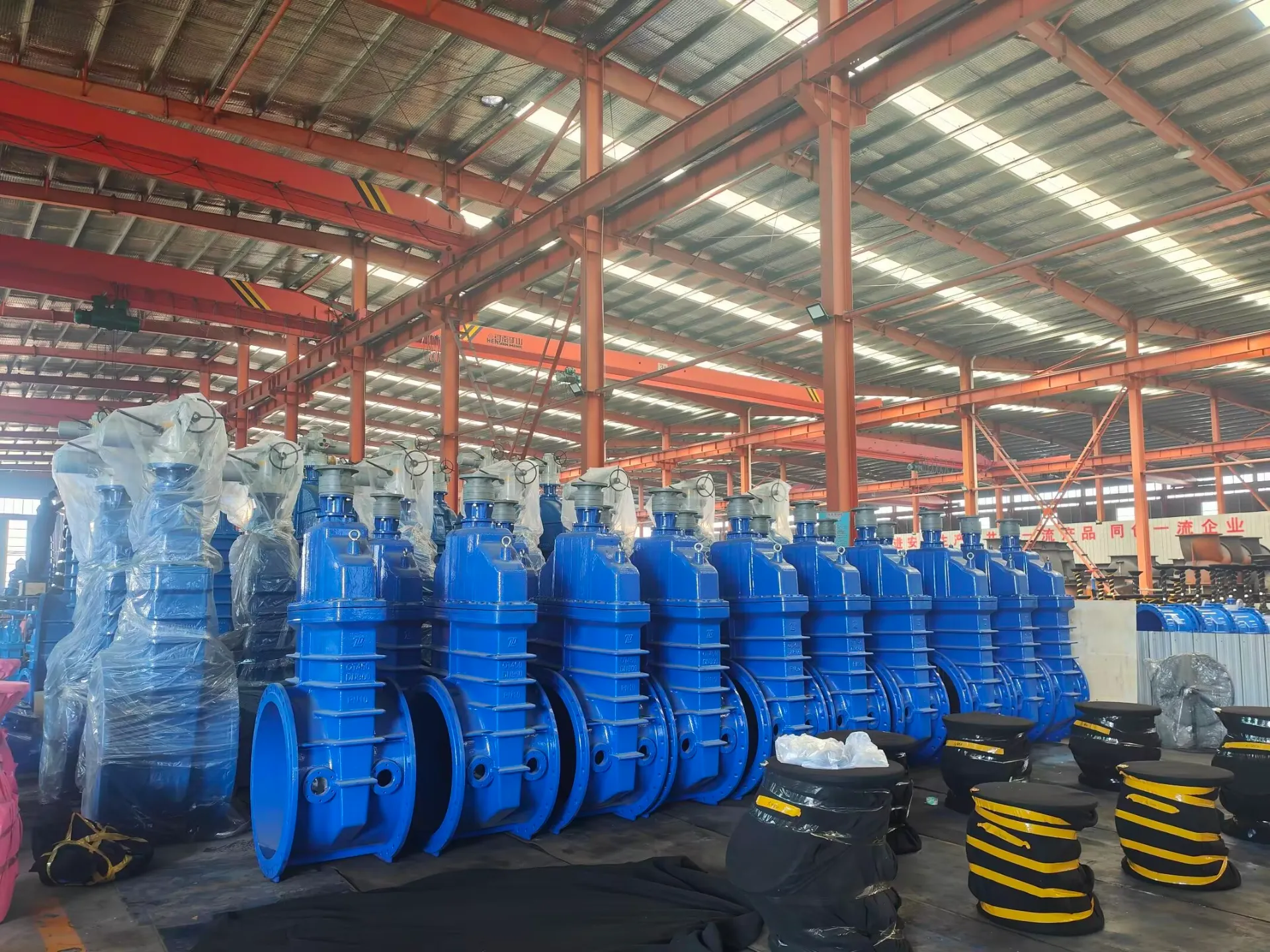
Manufacturing processes vary based on body material. Cast iron and ductile iron bodies are produced via sand casting, requiring precise mold creation and controlled cooling rates to minimize porosity and ensure dimensional accuracy. Carbon and stainless steel bodies are frequently forged or cast, followed by machining to achieve tight tolerances. Valve seat machining is a critical step, demanding high precision to ensure proper sealing. Disc fabrication involves machining or molding, depending on the material. Assembly involves rigorous quality control, including hydrostatic testing to verify leak tightness and functional operation. Welding processes used, if any (e.g., for some stainless steel constructions), must conform to standards like ASME Section IX. Post-manufacturing processes include surface coating (epoxy, fusion-bonded epoxy) for enhanced corrosion resistance.
Performance & Engineering
The performance of an 8-inch check valve is largely governed by fluid dynamics and mechanical stress analysis. Flow coefficient (Cv) dictates the valve’s capacity to handle a given flow rate at a specific pressure drop. Pressure drop across the valve is a critical parameter, impacting pump head requirements and overall system efficiency. Engineering considerations include the valve’s ability to withstand maximum allowable pressure (MAP) and temperature, as defined by ASME B16.34. Force analysis is essential to assess the impact of fluid velocity and pressure on the disc and seat, preventing premature wear or failure. Water hammer, a phenomenon caused by rapid changes in flow velocity, imposes significant stress on the valve. Valve designs, such as spring-loaded or tilting disc check valves, are optimized to mitigate water hammer effects. Compliance with industry standards such as API 598 (Valve Inspection and Testing) ensures consistent performance and reliability. The material’s yield strength and tensile strength are paramount for ensuring structural integrity under operating conditions. Finite element analysis (FEA) is often employed to model stress distributions and optimize valve design for specific applications.
Technical Specifications
| Parameter | Unit | Swing Check Valve (Typical) | Lift Check Valve (Typical) |
|---|---|---|---|
| Nominal Pipe Size | inches | 8 | 8 |
| Maximum Allowable Pressure (MAP) | psi | 200 | 250 |
| Temperature Range | °F | -20 to 350 | -20 to 400 |
| Cv (Flow Coefficient) | gallons per minute | 800 | 650 |
| Leakage Rate (Seat Leakage) | mL/min | 0.1 | 0.05 |
| Body Material | - | Ductile Iron (ASTM A536 65-45-12) | Carbon Steel (ASTM A105) |
Failure Mode & Maintenance
Common failure modes in 8-inch check valves include seat erosion due to particulate matter in the fluid stream, disc fatigue cracking caused by repeated opening and closing cycles, and corrosion of the valve body and internal components. Cavitation, the formation and collapse of vapor bubbles, can also cause significant damage to the disc and seat, particularly in liquid applications. Failure analysis often reveals that improper material selection, exceeding pressure or temperature limits, or inadequate maintenance contribute to these issues. Delamination of coatings, such as epoxy, can lead to accelerated corrosion. Oxidation of metallic components is another potential degradation pathway.
Preventative maintenance is crucial for extending valve lifespan. Regular inspection should include visual examination for signs of corrosion, erosion, or leakage. Periodic testing of seat leakage is recommended. Lubrication of moving parts (where applicable) reduces friction and wear. Backflushing the valve can remove accumulated debris. Replacement of worn seats and discs is a common repair procedure. If corrosion is evident, the valve body may require recoating or replacement. Non-destructive testing methods, such as ultrasonic thickness testing, can assess the extent of corrosion without dismantling the valve. Adherence to manufacturer’s recommended maintenance schedules is essential.
Industry FAQ
Q: What is the primary difference between a swing check valve and a lift check valve in an 8-inch application?
A: Swing check valves utilize a disc that swings freely on a hinge, offering lower pressure drop but potentially higher water hammer risk. Lift check valves employ a disc that lifts vertically, providing quicker closure and better water hammer mitigation, but typically exhibiting a slightly higher pressure drop due to the disc’s travel path.
Q: How does the material of construction affect the valve’s suitability for handling aggressive chemicals?
A: The material must be chemically compatible with the fluid. Carbon steel is susceptible to corrosion from many acids and bases. Stainless steel (316) offers superior resistance to a wider range of chemicals, while specialized alloys like Hastelloy are required for highly corrosive environments. Elastomer selection (NBR, EPDM, Viton) is also critical.
Q: What are the implications of exceeding the maximum allowable pressure (MAP) of the check valve?
A: Exceeding the MAP can lead to catastrophic failure, including body rupture, seat distortion, and disc fracture. This poses a significant safety hazard and can result in system downtime and costly repairs. Proper pressure relief devices should be installed upstream of the valve.
Q: How does water hammer impact check valve performance and longevity?
A: Water hammer creates pressure surges that can fatigue valve components, particularly the disc and seat. Frequent or severe water hammer can accelerate wear and lead to premature failure. Using lift check valves, implementing slow-closing valves upstream, and installing surge suppression devices can mitigate water hammer effects.
Q: What inspection procedures are recommended for ensuring leak-tightness of an 8-inch check valve during routine maintenance?
A: Visual inspection for external leaks is the first step. A hydrostatic test, involving pressurizing the valve with water and observing for leakage, is a more rigorous method. Seat leakage testing, using a calibrated gauge to measure the amount of fluid passing through the closed valve, provides a quantitative assessment of sealing performance.
Conclusion
The 8-inch check valve represents a fundamental component in maintaining fluid system integrity and efficiency. Its selection necessitates a comprehensive understanding of the application’s operating conditions, fluid properties, and relevant industry standards. Proper material selection, coupled with adherence to rigorous manufacturing and quality control processes, is critical for ensuring long-term reliability and minimizing the risk of failure.
Ongoing preventative maintenance, including regular inspection, testing, and timely component replacement, is paramount for maximizing valve lifespan and preventing costly downtime. Advances in valve design and materials continue to enhance performance, offering improved resistance to corrosion, erosion, and water hammer. A holistic approach, encompassing careful valve selection, installation, and maintenance, is essential for achieving optimal system performance and operational safety.
-
Top Reasons to Choose a Stainless Steel Flange Check Valve for Industrial Applications
-
check valve with orifice Performance Analysis
-
check valve 8 inch Performance Analysis
-
1 1 2 inch check valve Performance Analysis
-
cast iron check valves Performance Analysis
-
teejet check valves Performance Analysis
-
teejet check valve Performance Analysis
-
8 inch check valve Performance Analysis
-
wafer style check valves Performance Analysis
-
3 4 spring check valve Performance Analysis
-
butterfly check valves Performance Analysis
-
electric check valve Performance Engineering
-
electric check valves Performance Analysis
-
Threaded Check Valves Performance Analysis
-
6 inch check valve Performance Analysis
 Afrikaans
 Albanian
 Amharic
 Arabic
 Armenian
 Azerbaijani
 Basque
 Belarusian
 Bengali
 Bosnian
 Bulgarian
 Catalan
 Cebuano
 Corsican
 Croatian
 Czech
Czech
 Danish
 Dutch
Dutch
 Esperanto
 Estonian
 Finnish
 French
 Frisian
 Galician
 Georgian
 German
 Greek
Greek
 Gujarati
 Haitian Creole
 Hausa
Hawaiian
Hausa
Hawaiian
 Hebrew
 Hindi
Hindi
 Miao
Miao
 Hungarian
 Icelandic
 Igbo
Igbo
 Indonesian
 Irish
Irish
 Italian
 Japanese
 Javanese
Kannada
Javanese
Kannada
 Kazakh
 Khmer
Khmer
 Rwandese
 Korean
 Kurdish
 Kyrgyz
 Lao
Lao
 Latin
Latin
 Latvian
 Lithuanian
 Luxembourgish
 Macedonian
 Malgashi
 Malay
Malay
 Malayalam
 Maltese
 Maori
Maori
 Marathi
 Mongolian
 Myanmar
 Nepali
 Norwegian
 Norwegian
 Occitan
 Pashto
 Persian
 Polish
 Portuguese
Punjabi
Portuguese
Punjabi
 Romanian
 Russian
 Samoan
 Scottish Gaelic
 Serbian
 Sesotho
 Shona
Shona
 Sindhi
 Sinhala
 Slovak
 Slovenian
 Somali
 Spanish
 Sundanese
 Swahili
 Swedish
Tagalog
Swedish
Tagalog
 Tajik
Tajik
 Tamil
Tamil
 Tatar
Tatar
 Telugu
 Thai
Thai
 Turkish
 Turkmen
 Ukrainian
 Urdu
Urdu
 Uighur
 Uzbek
Uzbek
 Vietnamese
 Welsh
Welsh
 Bantu
Bantu
 Yiddish
 Yoruba
 Zulu
Zulu
 English