




teejet check valve Performance Analysis
Introduction
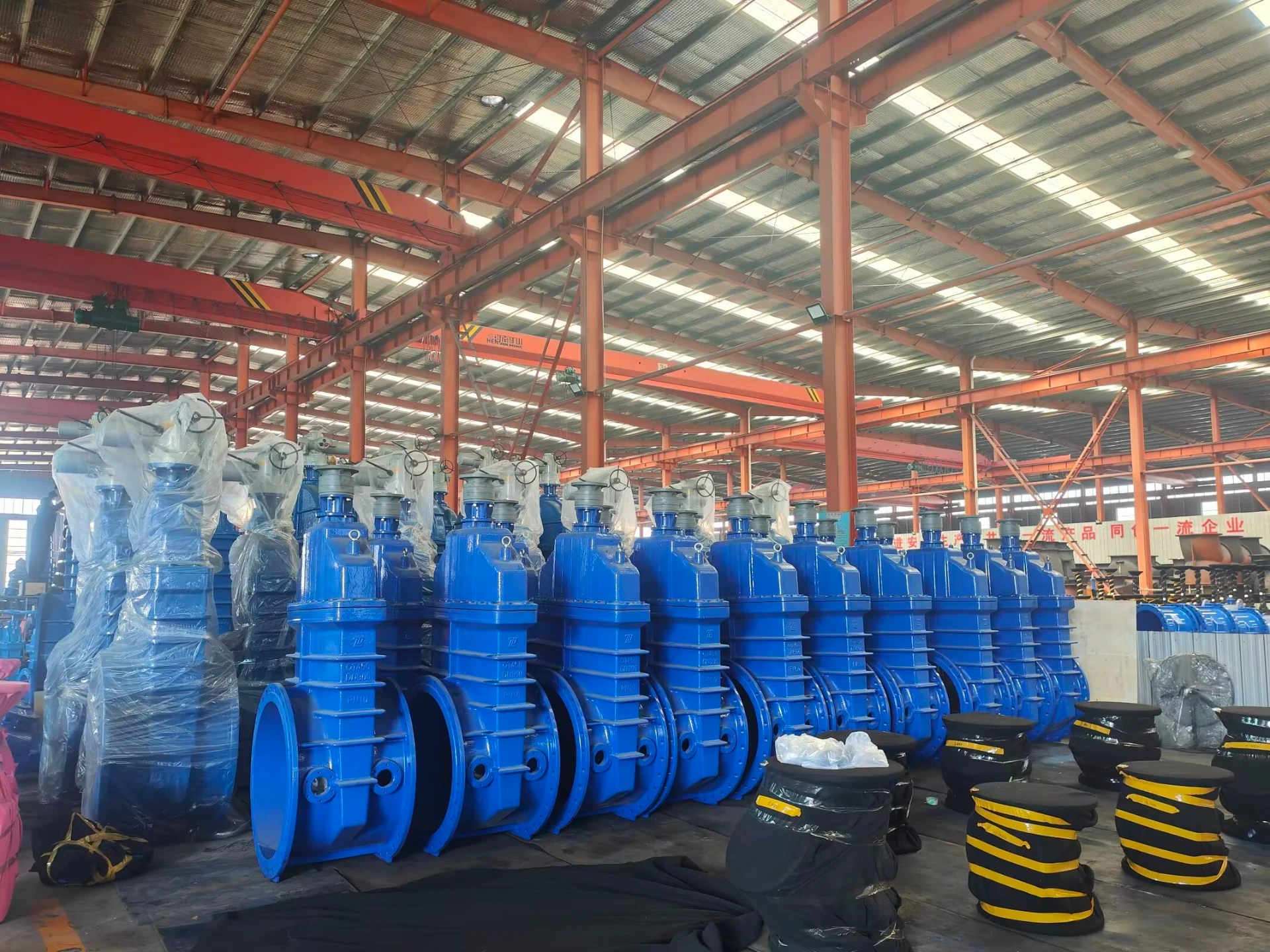
TeeJet check valves are critical components in fluid handling systems, primarily utilized within agricultural spraying, irrigation, and industrial applications. Their function is to ensure unidirectional flow of liquids, preventing backflow and maintaining system pressure. Positioned within the broader industry chain of fluid control devices, TeeJet check valves are integral to the efficient and accurate delivery of fluids, impacting the performance of nozzles, pumps, and entire application systems. Core performance characteristics include minimal pressure drop, consistent sealing, chemical compatibility with various agricultural and industrial fluids, and durability under cyclic operation. The inherent reliability of these valves directly affects application accuracy, minimizing drift and maximizing product efficacy. Proper selection considers fluid viscosity, operating pressure, and chemical composition to ensure longevity and system integrity.
Material Science & Manufacturing
TeeJet check valves commonly employ polymeric materials, specifically polypropylene (PP) and acrylonitrile butadiene styrene (ABS), due to their cost-effectiveness, chemical resistance, and ease of molding. Polypropylene offers good resistance to a broad range of agricultural chemicals, while ABS provides increased impact strength. Valve seats often utilize elastomers such as Viton (fluoroelastomer) or EPDM (ethylene propylene diene monomer) to ensure a positive seal under varying pressures and fluid temperatures. The choice of elastomer is dictated by the specific chemical compatibility requirements of the application. Manufacturing predominantly relies on injection molding. This process involves melting the chosen polymer and injecting it under high pressure into a mold cavity shaped like the check valve body. Critical parameters during injection molding include melt temperature, mold temperature, injection pressure, and cooling time. Consistent control of these parameters is crucial to minimize warping, shrinkage, and flash, ensuring dimensional accuracy and preventing leakage. Post-molding, valves undergo trimming to remove excess material and may receive surface treatments to enhance chemical resistance or reduce friction. Valve seat installation typically involves ultrasonic welding or a press-fit mechanism, requiring precise alignment and controlled force to ensure a leak-proof connection. Material certifications, such as RoHS and REACH compliance, are increasingly important to meet environmental regulations.
Performance & Engineering
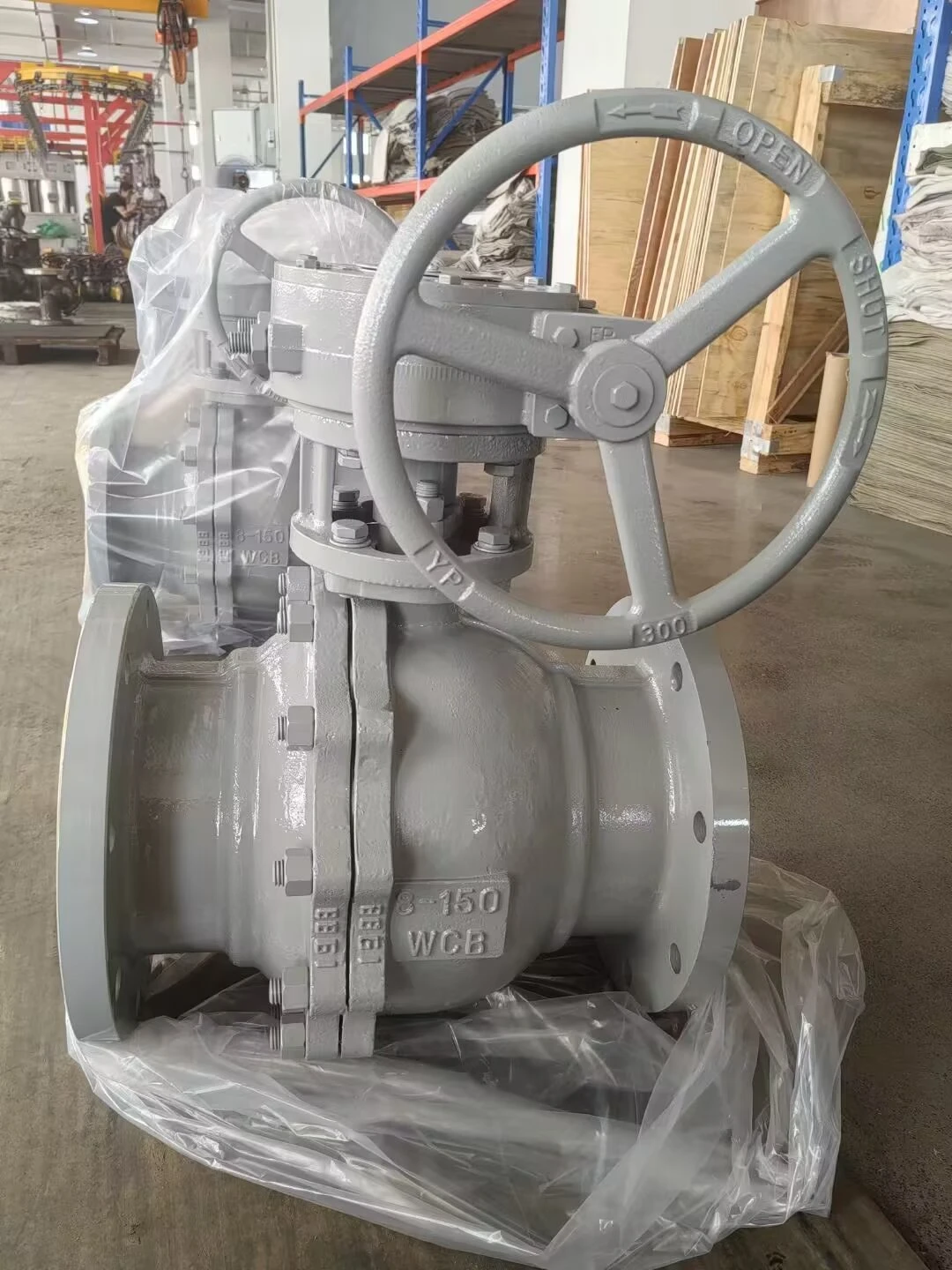
The performance of a TeeJet check valve is fundamentally governed by pressure differential and flow rate. Engineering analysis centers around minimizing pressure drop while maintaining a reliable seal. Flow analysis, often utilizing computational fluid dynamics (CFD), is employed to optimize valve geometry and minimize turbulence. The crack pressure – the pressure at which the valve begins to open – is a critical parameter; it must be low enough to allow flow initiation at the desired operating pressure, but high enough to prevent unintentional opening due to pressure fluctuations. Valve closure speed is also important; rapid closure minimizes water hammer and prevents backflow. Fatigue analysis is crucial, particularly in pulsating flow applications, to ensure the valve body and internal components withstand repeated stress cycles without failure. Material selection and wall thickness are key factors in fatigue resistance. Environmental resistance is another significant consideration. Prolonged exposure to UV radiation, temperature extremes, and aggressive chemicals can degrade polymeric materials, leading to cracking, swelling, or loss of elasticity. Compliance requirements vary by region and application. Agricultural applications often adhere to standards set by regulatory bodies regarding permissible chemical leaching and environmental impact. In industrial settings, valves may need to comply with ASME or other relevant standards depending on the process fluid and operating conditions. Proper installation, including correct orientation and adequate support, is essential for optimal performance and longevity.
Technical Specifications
| Parameter | Unit | Typical Value (Polypropylene) | Typical Value (ABS) |
|---|---|---|---|
| Maximum Operating Pressure | PSI | 60 | 40 |
| Maximum Operating Temperature | °C | 60 | 80 |
| Crack Pressure | PSI | 2-5 | 3-6 |
| Flow Coefficient (Cv) | GPM | 1.5 | 1.2 |
| Chemical Resistance | Rating (1-5, 5=Excellent) | 4 | 3 |
| Weight | grams | 15 | 20 |
Failure Mode & Maintenance
Common failure modes in TeeJet check valves include cracking due to thermal stress or impact, deformation of the valve seat leading to leakage, and degradation of the elastomer seal caused by chemical attack or UV exposure. Fatigue cracking can occur in applications with pulsating flow, particularly at stress concentration points. Another potential failure mode is blockage due to particulate matter in the fluid. Delamination of the polymeric material is less common but can occur due to improper molding or exposure to incompatible chemicals. Failure analysis often involves visual inspection for cracks, swelling, or discoloration; leak testing to assess seal integrity; and material analysis to identify degradation or contamination. Maintenance primarily focuses on preventative measures. Regular inspection for signs of wear or damage is crucial. Cleaning the valve to remove debris can prevent blockage. Replacing the valve seat or the entire valve periodically, based on operating conditions and fluid type, can prevent catastrophic failure. Storage conditions are also important; valves should be stored in a cool, dry place away from direct sunlight and incompatible chemicals. When replacing valves, it’s essential to verify chemical compatibility of the new valve materials with the intended fluid. Proper disposal of failed valves is also important, following local environmental regulations.
Industry FAQ
Q: What is the impact of fluid viscosity on the performance of a TeeJet check valve?
A: Higher fluid viscosity increases pressure drop across the valve, potentially reducing flow rate. This also affects the crack pressure, requiring a greater pressure differential to initiate flow. Selection should consider the viscosity range of the fluid, and valves with larger flow passages may be necessary for highly viscous liquids.
Q: How does temperature affect the chemical resistance of the valve materials?
A: Elevated temperatures generally accelerate chemical degradation. The rate of chemical attack increases with temperature, potentially reducing the lifespan of the valve. It's crucial to select materials specifically rated for the operating temperature and chemical composition.
Q: What are the benefits of using a check valve over a simple strainer in preventing backflow?
A: While strainers remove particulate matter, they do not actively prevent backflow. A check valve provides a positive seal, ensuring unidirectional flow even under varying pressure conditions. This is critical for maintaining system accuracy and preventing contamination.
Q: Can TeeJet check valves be used with abrasive fluids?
A: While polymeric valves offer some resistance to abrasion, prolonged exposure to abrasive fluids can cause wear and erosion of the valve seat and body, leading to leakage and failure. For abrasive applications, valves with hardened components or alternative materials may be required.
Q: What are the key considerations when selecting a check valve for a pulsating flow system?
A: Pulsating flow induces cyclic stress on the valve components, increasing the risk of fatigue cracking. Valves designed for pulsating flow typically have reinforced bodies and robust valve seats. The frequency and amplitude of the pulsations should be considered when selecting a valve.
Conclusion
TeeJet check valves represent a vital component in fluid handling systems, offering a cost-effective and reliable solution for preventing backflow and maintaining system pressure. Their performance is intricately linked to material science, manufacturing precision, and accurate engineering analysis. Understanding the interplay between fluid properties, operating conditions, and valve specifications is paramount for ensuring optimal performance and longevity.
Looking forward, continued advancements in polymeric materials and manufacturing techniques will likely lead to even more durable, chemically resistant, and high-performance check valves. Integrating smart sensors and predictive maintenance capabilities could further enhance their reliability and reduce downtime, optimizing fluid handling systems across various industries. Careful consideration of all technical aspects remains crucial for successful implementation and sustained operational efficiency.
-
Top Reasons to Choose a Stainless Steel Flange Check Valve for Industrial Applications
-
teejet check valve Performance Analysis
-
8 inch check valve Performance Analysis
-
wafer style check valves Performance Analysis
-
3 4 spring check valve Performance Analysis
-
butterfly check valves Performance Analysis
-
electric check valve Performance Engineering
-
electric check valves Performance Analysis
-
Threaded Check Valves Performance Analysis
-
6 inch check valve Performance Analysis
-
8 check valve Performance Analysis
-
diaphragm check valve Material Science Manufacturing
-
dual plate check valve Performance Analysis
-
check valve 6 inch Material Science
-
diaphragm check valves Performance Analysis
 Afrikaans
 Albanian
 Amharic
 Arabic
 Armenian
 Azerbaijani
 Basque
 Belarusian
 Bengali
 Bosnian
 Bulgarian
 Catalan
 Cebuano
 Corsican
 Croatian
 Czech
Czech
 Danish
 Dutch
Dutch
 Esperanto
 Estonian
 Finnish
 French
 Frisian
 Galician
 Georgian
 German
 Greek
Greek
 Gujarati
 Haitian Creole
 Hausa
Hawaiian
Hausa
Hawaiian
 Hebrew
 Hindi
Hindi
 Miao
Miao
 Hungarian
 Icelandic
 Igbo
Igbo
 Indonesian
 Irish
Irish
 Italian
 Japanese
 Javanese
Kannada
Javanese
Kannada
 Kazakh
 Khmer
Khmer
 Rwandese
 Korean
 Kurdish
 Kyrgyz
 Lao
Lao
 Latin
Latin
 Latvian
 Lithuanian
 Luxembourgish
 Macedonian
 Malgashi
 Malay
Malay
 Malayalam
 Maltese
 Maori
Maori
 Marathi
 Mongolian
 Myanmar
 Nepali
 Norwegian
 Norwegian
 Occitan
 Pashto
 Persian
 Polish
 Portuguese
Punjabi
Portuguese
Punjabi
 Romanian
 Russian
 Samoan
 Scottish Gaelic
 Serbian
 Sesotho
 Shona
Shona
 Sindhi
 Sinhala
 Slovak
 Slovenian
 Somali
 Spanish
 Sundanese
 Swahili
 Swedish
Tagalog
Swedish
Tagalog
 Tajik
Tajik
 Tamil
Tamil
 Tatar
Tatar
 Telugu
 Thai
Thai
 Turkish
 Turkmen
 Ukrainian
 Urdu
Urdu
 Uighur
 Uzbek
Uzbek
 Vietnamese
 Welsh
Welsh
 Bantu
Bantu
 Yiddish
 Yoruba
 Zulu
Zulu
 English