




8 inch check valve Performance Analysis
Introduction
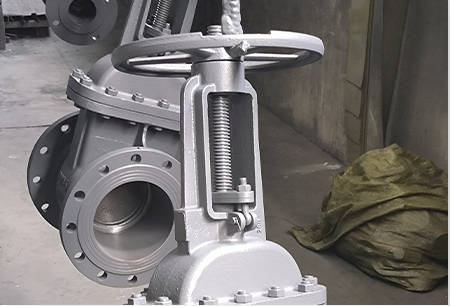
An 8-inch check valve is a mechanical device integral to fluid handling systems, designed to prevent backflow in pipelines. Positioned within the industry chain as a critical component downstream of pumps, compressors, or in gravity-fed lines, its primary function is unidirectional fluid passage. These valves are extensively utilized across diverse sectors including water treatment, wastewater management, oil & gas, chemical processing, and power generation. Core performance characteristics are defined by pressure drop, flow coefficient (Cv), sealing efficiency (leakage rate), and compatibility with the conveyed fluid. Failure to maintain proper check valve operation can lead to system inefficiencies, contamination, water hammer, and potentially catastrophic equipment damage. The increasing demand for efficient and reliable fluid control continues to drive innovation in check valve design and materials.
Material Science & Manufacturing
8-inch check valves are manufactured from a range of materials determined by the fluid handled and the operational environment. Common body materials include cast iron (ASTM A126 Grade B), ductile iron (ASTM A536 65-45-12), stainless steel (304/316 - ASTM A351), and alloys like Monel or Hastelloy for highly corrosive applications. Disc materials frequently mirror body material selection, with options including reinforced PTFE, EPDM, or other elastomers for lower-pressure, less demanding fluids. Manufacturing processes vary based on valve type and material. Cast iron and ductile iron valves utilize sand casting, followed by machining for dimensional accuracy and surface finish. Stainless steel valves are often investment cast or forged. Welding procedures (SMAW, GTAW, FCAW - AWS D1.1) are critical for joining valve components, requiring stringent quality control to ensure weld integrity and prevent corrosion initiation. Elastomeric seals are typically injection molded (ASTM D1786) ensuring consistent dimensions and material properties. Parameter control during manufacturing, particularly heat treatment for metals, is crucial to achieve desired mechanical properties like tensile strength, yield strength, and hardness, directly impacting valve performance and longevity.
Performance & Engineering
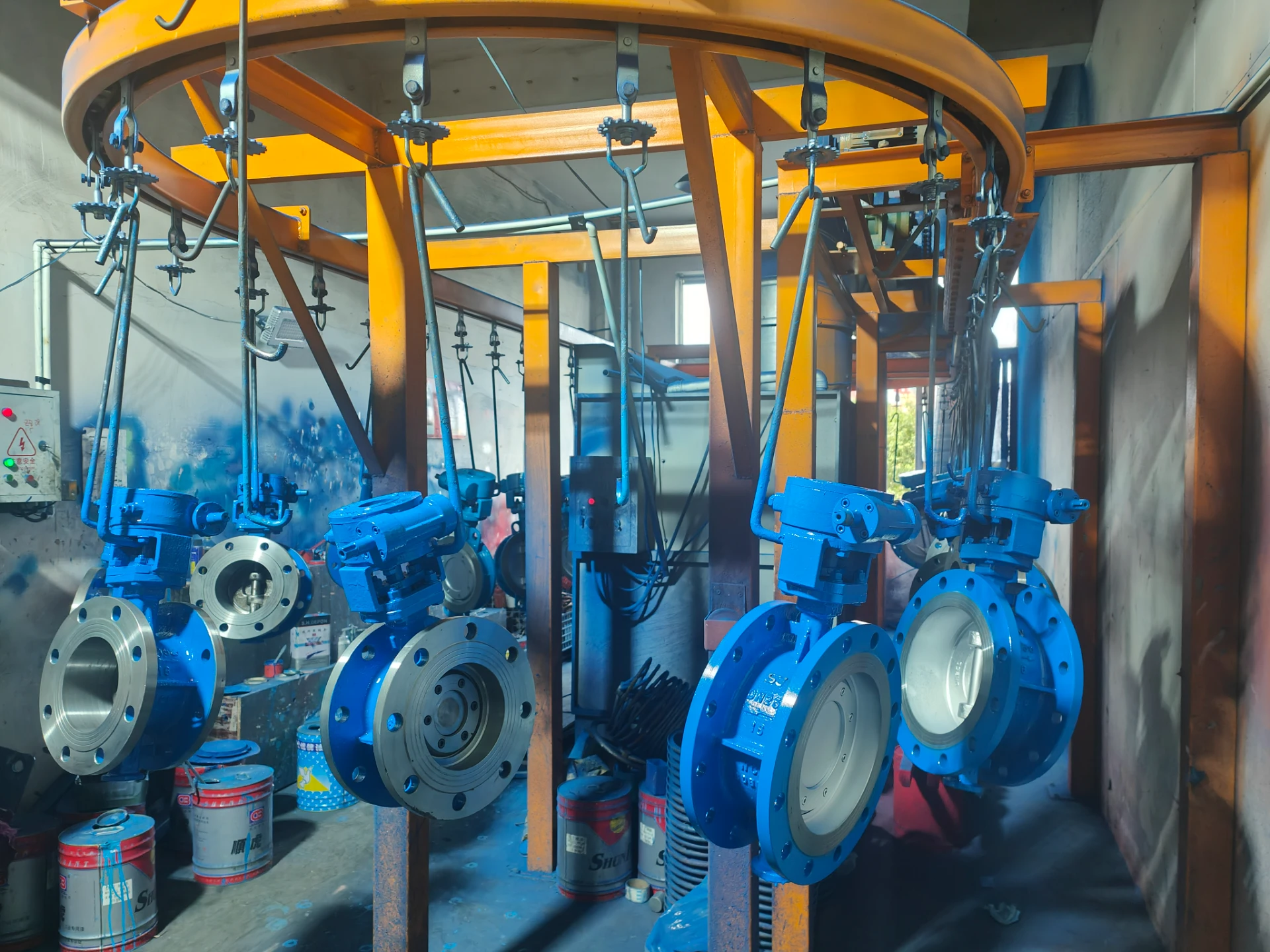
The performance of an 8-inch check valve is governed by several engineering principles. Force analysis considers the hydrostatic force exerted by the fluid, the dynamic force during flow, and the spring force (in spring-loaded check valves). These forces must be balanced to ensure positive sealing without excessive wear. Environmental resistance is a key factor; external coatings (epoxy, polyurethane – SSPC SP10) protect against corrosion, while material selection dictates resistance to chemical attack. Compliance requirements are extensive, varying by application. For potable water, NSF/ANSI 61 certification is mandatory. Oil & gas applications necessitate API 6D and API 598 compliance, covering design, manufacturing, and testing. Functional implementation differs based on valve type – swing check valves utilize gravity and flow momentum for closure, while lift check valves rely on a spring-assisted mechanism. Hydraulic calculations are essential to determine appropriate valve sizing, considering flow rate, fluid density, and pressure drop to prevent cavitation and erosion. Finite Element Analysis (FEA) is routinely employed to validate structural integrity under various loading conditions and optimize valve design.
Technical Specifications
| Parameter | Swing Check Valve (Cast Iron) | Lift Check Valve (Stainless Steel 316) | Dual Plate Check Valve (Ductile Iron) | Wafer Check Valve (PP) |
|---|---|---|---|---|
| Nominal Pipe Size (inches) | 8 | 8 | 8 | 8 |
| Maximum Operating Pressure (PSI) | 200 | 300 | 250 | 150 |
| Temperature Range (°F) | -20 to 250 | -328 to 500 | -20 to 300 | 32 to 176 |
| Connection Type | Flanged (ANSI B16.5) | Flanged (ANSI B16.5) | Flanged (ANSI B16.5) | Wafer (ANSI B16.1) |
| Cv (Flow Coefficient) | 650 | 700 | 800 | 500 |
| Seat Leakage (Class VI) | 0.1 ml/min/inch | 0.01 ml/min/inch | 0.05 ml/min/inch | 0.5 ml/min/inch |
Failure Mode & Maintenance
Common failure modes in 8-inch check valves include disc erosion due to particulate matter in the fluid stream, seat leakage resulting from wear or damage, and fatigue cracking in the valve body or disc, particularly under cyclical loading. Corrosion, both localized pitting and general corrosion, is a significant concern in aggressive environments. Elastomeric seals can degrade over time due to chemical attack or temperature extremes, leading to leakage. Failure analysis often reveals root causes stemming from improper installation (misalignment, excessive strain), inadequate filtration, or exceeding pressure/temperature ratings. Preventative maintenance is crucial. Regular inspection (visual checks for corrosion, leaks, and damage) is essential. Periodic testing (hydrostatic testing – API 598) verifies valve integrity. Lubrication of moving parts (where applicable) reduces friction and wear. Replacement of worn seals and discs is a common maintenance task. For valves in critical applications, non-destructive testing (NDT) methods like ultrasonic testing (UT) or radiography (RT) can detect hidden flaws. Proper storage conditions (dry, protected from temperature fluctuations) are also vital to prevent premature failure.
Industry FAQ
Q: What is the impact of fluid velocity on check valve selection and performance?
A: Higher fluid velocities can lead to increased erosion of valve components, particularly the disc and seat. Selecting a valve rated for the anticipated velocity is critical. Excessive velocity can also cause water hammer and increased pressure drop. For high-velocity applications, dual plate or tilting disc check valves are often preferred due to their streamlined design and lower pressure loss.
Q: How does material selection mitigate corrosion in seawater applications?
A: Seawater is a highly corrosive environment. For seawater applications, materials like stainless steel 316, duplex stainless steel, or specialized alloys like Hastelloy C-276 are recommended. Coatings (epoxy, ceramic) can provide an additional layer of protection. Galvanic corrosion must also be considered when using dissimilar metals; proper insulation is necessary.
Q: What are the key differences between swing check valves and lift check valves?
A: Swing check valves are simpler in design and generally less expensive, but offer higher pressure drop. They are suitable for low to moderate velocity applications. Lift check valves have lower pressure drop and are better suited for high-velocity flows and applications requiring frequent opening and closing. However, they are typically more expensive and require more maintenance.
Q: How important is valve actuation in specific applications?
A: While standard check valves are passive, some applications benefit from actuated check valves. These allow for remote control of valve opening and closing, providing enhanced operational flexibility and safety features. This is often found in wastewater treatment or applications needing controlled backflow prevention.
Q: What testing standards are essential to verify a check valve’s performance?
A: Key testing standards include hydrostatic testing (API 598) to verify shell integrity, seat leakage testing (API 598, Class VI) to measure leakage rates, and flow coefficient (Cv) testing to determine valve capacity. For specialized applications, tests like bubble testing may be required to ensure zero leakage.
Conclusion
The 8-inch check valve, while seemingly a simple component, is a critical element in maintaining the integrity and efficiency of fluid handling systems. Proper material selection, adherence to manufacturing standards, and diligent maintenance are paramount to ensuring reliable operation and preventing costly failures. The choice of valve type – swing, lift, dual plate, or wafer – must be carefully considered based on application-specific requirements, including fluid properties, flow velocity, pressure, and temperature.
Future advancements in check valve technology are focused on enhancing sealing efficiency, reducing pressure drop, and developing smart valve solutions with integrated sensors for real-time monitoring and predictive maintenance. Continued adherence to evolving industry standards and a proactive approach to failure analysis will be essential to maximizing the lifespan and performance of these vital components.
-
Top Reasons to Choose a Stainless Steel Flange Check Valve for Industrial Applications
-
teejet check valve Performance Analysis
-
8 inch check valve Performance Analysis
-
wafer style check valves Performance Analysis
-
3 4 spring check valve Performance Analysis
-
butterfly check valves Performance Analysis
-
electric check valve Performance Engineering
-
electric check valves Performance Analysis
-
Threaded Check Valves Performance Analysis
-
6 inch check valve Performance Analysis
-
8 check valve Performance Analysis
-
diaphragm check valve Material Science Manufacturing
-
dual plate check valve Performance Analysis
-
check valve 6 inch Material Science
-
diaphragm check valves Performance Analysis
 Afrikaans
 Albanian
 Amharic
 Arabic
 Armenian
 Azerbaijani
 Basque
 Belarusian
 Bengali
 Bosnian
 Bulgarian
 Catalan
 Cebuano
 Corsican
 Croatian
 Czech
Czech
 Danish
 Dutch
Dutch
 Esperanto
 Estonian
 Finnish
 French
 Frisian
 Galician
 Georgian
 German
 Greek
Greek
 Gujarati
 Haitian Creole
 Hausa
Hawaiian
Hausa
Hawaiian
 Hebrew
 Hindi
Hindi
 Miao
Miao
 Hungarian
 Icelandic
 Igbo
Igbo
 Indonesian
 Irish
Irish
 Italian
 Japanese
 Javanese
Kannada
Javanese
Kannada
 Kazakh
 Khmer
Khmer
 Rwandese
 Korean
 Kurdish
 Kyrgyz
 Lao
Lao
 Latin
Latin
 Latvian
 Lithuanian
 Luxembourgish
 Macedonian
 Malgashi
 Malay
Malay
 Malayalam
 Maltese
 Maori
Maori
 Marathi
 Mongolian
 Myanmar
 Nepali
 Norwegian
 Norwegian
 Occitan
 Pashto
 Persian
 Polish
 Portuguese
Punjabi
Portuguese
Punjabi
 Romanian
 Russian
 Samoan
 Scottish Gaelic
 Serbian
 Sesotho
 Shona
Shona
 Sindhi
 Sinhala
 Slovak
 Slovenian
 Somali
 Spanish
 Sundanese
 Swahili
 Swedish
Tagalog
Swedish
Tagalog
 Tajik
Tajik
 Tamil
Tamil
 Tatar
Tatar
 Telugu
 Thai
Thai
 Turkish
 Turkmen
 Ukrainian
 Urdu
Urdu
 Uighur
 Uzbek
Uzbek
 Vietnamese
 Welsh
Welsh
 Bantu
Bantu
 Yiddish
 Yoruba
 Zulu
Zulu
 English