




6 inch check valve Performance Analysis
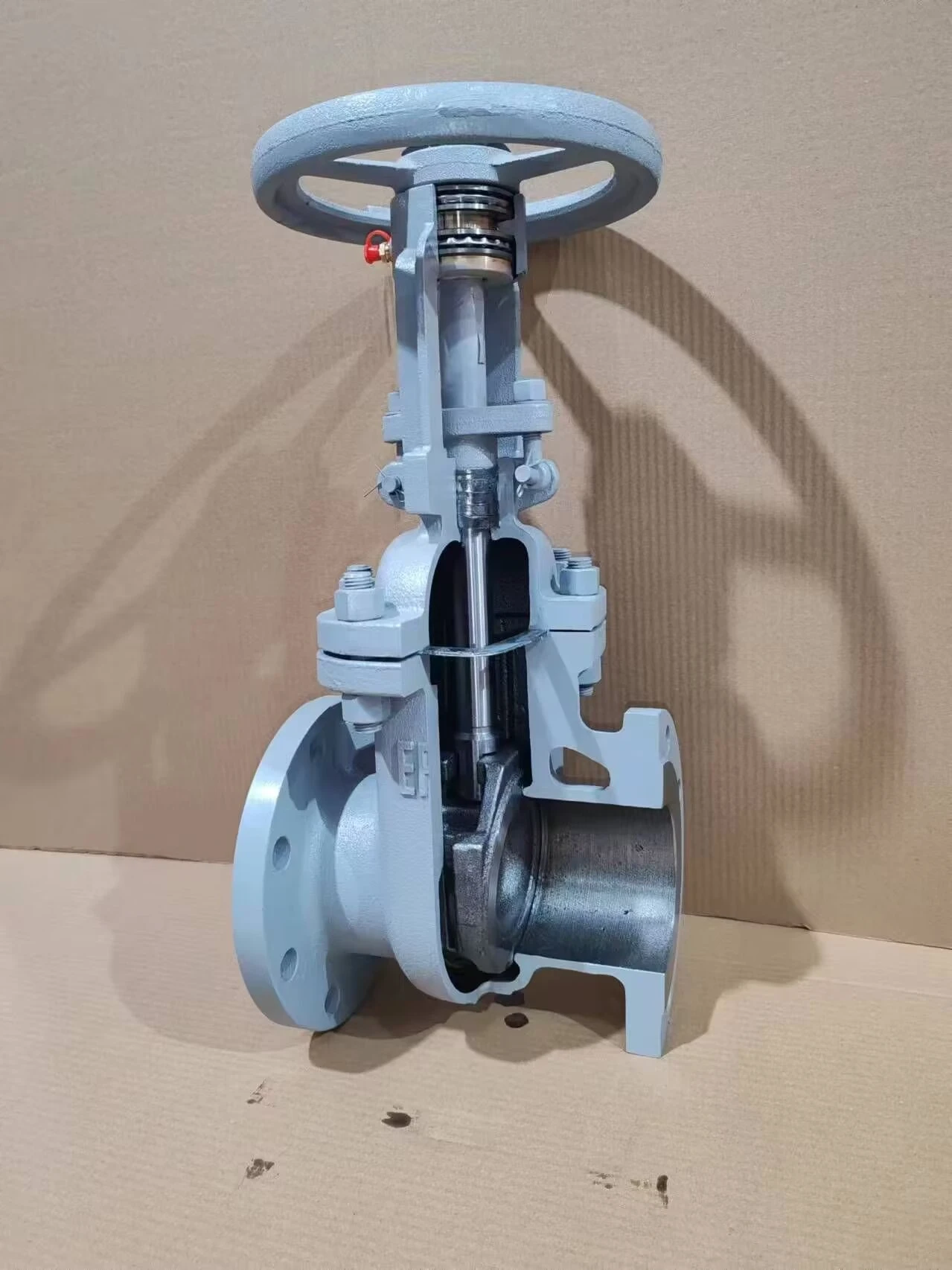
Introduction
A 6-inch check valve is a critical component in fluid handling systems, primarily designed to prevent backflow in pipelines. Positioned within the broader industrial chain as a flow control device, it sits downstream of pumps and other pressure-generating equipment. These valves are prevalent in water treatment, wastewater management, oil and gas, chemical processing, and power generation industries. Their core performance characteristics revolve around ensuring unidirectional flow, minimizing pressure drop, and maintaining leak-tight sealing. The selection of a 6-inch check valve necessitates careful consideration of the fluid medium, operating temperature, pressure rating, and applicable industry standards. The inherent simplicity of the check valve – operating automatically based on pressure differentials – makes it a reliable and often maintenance-minimal solution, crucial for process integrity and safety. A key industry pain point revolves around selecting valve materials compatible with corrosive fluids, and ensuring minimal head loss to optimize pump efficiency. Furthermore, frequent maintenance, caused by the buildup of solids or premature failure of sealing components, is a significant operational cost.
Material Science & Manufacturing
The body of a 6-inch check valve is commonly fabricated from materials such as cast iron (ASTM A126 Grade B), ductile iron (ASTM A536 65-45-12), carbon steel (ASTM A105), or stainless steel (304/316 – ASTM A351). Material selection is dictated by fluid compatibility and pressure requirements. Cast iron offers cost-effectiveness for non-corrosive applications, while ductile iron provides enhanced tensile strength and impact resistance. Carbon steel is suited for high-pressure, high-temperature services, but requires corrosion protection. Stainless steel provides excellent corrosion resistance across a wide range of fluids. The internal components, particularly the disc and seat, are frequently constructed from bronze (B148 C95500), stainless steel, or reinforced polymers (PTFE, EPDM). Manufacturing processes vary depending on the material and valve type. Cast iron and ductile iron bodies are created through sand casting, followed by machining to achieve precise dimensions and smooth sealing surfaces. Steel valves often undergo forging, then machining. Disc manufacturing involves investment casting, stamping, or machining. Seat materials are typically molded or machined. Critical parameters during manufacturing include dimensional accuracy (achieved via CNC machining), surface finish (Ra values for sealing surfaces), and weld quality (for fabricated components), all subject to non-destructive testing (NDT) like radiography or ultrasonic testing to ensure structural integrity. The manufacturing process must account for thermal expansion and contraction during cooling to prevent distortion and ensure proper valve function.
Performance & Engineering
The performance of a 6-inch check valve is evaluated based on several key engineering principles. Firstly, the flow coefficient (Cv) determines the valve’s capacity to pass fluid with minimal pressure drop. This is directly linked to the disc’s geometry and bore size. Force analysis is crucial, calculating the forces exerted on the disc by fluid flow, ensuring the spring mechanism (in swing-check valves) or disc weight (in lift-check valves) can overcome these forces for prompt closure. Environmental resistance, especially corrosion and erosion, is paramount. The valve’s material must withstand the chemical attack of the fluid, and the internal geometry should minimize turbulence to reduce erosion. Compliance requirements dictate adherence to specific standards such as API 598 (valve inspection and testing), MSS SP-61 (pressure test requirements), and ASME Section VIII Div. 1 (pressure vessel code, relevant for valve body design). Functional implementation relies on the valve’s ability to open fully with minimal pressure differential and to close quickly and completely to prevent backflow. Backflow prevention is vital in maintaining system integrity, preventing contamination, and ensuring process safety. Finite Element Analysis (FEA) is routinely employed during the design phase to optimize the valve body’s structural integrity under various pressure and temperature conditions, predicting stress concentrations and ensuring adequate safety factors.
Technical Specifications
| Parameter | Specification (Typical) | Units | Testing Standard |
|---|---|---|---|
| Nominal Pipe Size | 6 | inches | ANSI/ASME B36.10M |
| Pressure Rating | 125 / 150 / 300 | psi | ANSI/ASME B16.34 |
| Body Material | Ductile Iron / Carbon Steel / Stainless Steel 316 | - | ASTM A536 / ASTM A105 / ASTM A351 |
| Disc Material | Bronze / Stainless Steel 316 / PTFE Coated | - | ASTM B148 / ASTM A351 / ASTM D1710 |
| Seat Material | EPDM / PTFE / Nitrile | - | ASTM D1418 / ASTM D1710 / ASTM D2000 |
| Connection Type | Flanged (ANSI B16.5) / Wafer | - | ANSI B16.5 |
Failure Mode & Maintenance
Common failure modes in 6-inch check valves include disc sticking (due to corrosion, sediment buildup, or improper lubrication), seat erosion (caused by abrasive particles in the fluid stream), spring fatigue (in swing-check valves, leading to slow closure), and body cracking (due to excessive pressure or material defects). Fatigue cracking can originate at weld points or areas of high stress concentration. Delamination of seat materials, particularly polymers, can occur due to prolonged exposure to high temperatures or aggressive chemicals. Degradation of elastomer seals (EPDM, Nitrile) leads to leakage. Oxidation of metal components can cause corrosion and weakening of structural integrity. Maintenance typically involves regular inspection for signs of wear or corrosion, cleaning to remove sediment buildup, lubrication of moving parts (where applicable), and replacement of worn seals or discs. Preventive maintenance schedules should be established based on operating conditions and fluid characteristics. For severe failures like body cracking, complete valve replacement is often necessary. Non-destructive testing (NDT) techniques like visual inspection, liquid penetrant testing (LPT), and ultrasonic testing (UT) can be employed to detect hidden cracks or flaws. A key preventative measure is the installation of strainers upstream of the valve to remove particulate matter and reduce erosion.
Industry FAQ
Q: What are the key differences between swing-check and lift-check valves in a 6-inch application?
A: Swing-check valves utilize a disc hinged at the top, swinging open with flow and closing due to gravity and reverse flow. They offer lower pressure drop but can be susceptible to water hammer. Lift-check valves employ a disc that lifts vertically off the seat, requiring higher flow velocity to open. They are less prone to water hammer but generally have a higher pressure drop. The choice depends on the fluid velocity, pressure fluctuations, and the need to minimize noise and vibration.
Q: How does the material of construction impact the valve's suitability for corrosive fluids?
A: Corrosive fluids demand materials with high chemical resistance. Stainless steel (316) and specialized alloys like Hastelloy are commonly used. Polymer linings (PTFE, PFA) can provide a barrier against corrosion. The fluid's pH, temperature, and concentration influence the rate of corrosion, requiring careful material selection based on corrosion rate data and compatibility charts.
Q: What is the significance of the pressure rating on a 6-inch check valve?
A: The pressure rating indicates the maximum pressure the valve can safely withstand. Exceeding the rating can lead to catastrophic failure. It’s crucial to select a valve with a pressure rating that exceeds the maximum operating pressure of the system, incorporating a safety factor. The pressure rating is determined by the valve body's design and material strength, and is verified through hydrostatic testing.
Q: What maintenance is required for a 6-inch check valve in a wastewater treatment plant?
A: Wastewater applications often involve abrasive solids. Regular inspection for disc sticking and seat erosion is crucial. Cleaning to remove debris is essential. Periodic replacement of seals (EPDM, Nitrile) is necessary due to degradation. Monitoring for leakage and prompt repair are vital. Strainer installation upstream significantly reduces maintenance frequency.
Q: How do you verify that a 6-inch check valve meets API 598 standards?
A: Verification involves reviewing the manufacturer's test reports, which should demonstrate compliance with API 598 requirements for hydrostatic testing, seat leakage testing, and visual inspection. Independent third-party inspection and certification can provide further assurance of compliance. Traceability of materials and manufacturing processes is also important.
Conclusion
The 6-inch check valve serves as a fundamental component in diverse industrial applications, its primary function being the prevention of backflow. Successful implementation demands a nuanced understanding of material science, manufacturing processes, and performance characteristics. Careful consideration of fluid compatibility, pressure rating, and industry standards – such as those outlined by API, ASME, and ANSI – is paramount for ensuring long-term reliability and operational safety.
Future advancements in check valve technology will likely focus on reducing pressure drop through optimized disc designs and incorporating smart valve features for remote monitoring and predictive maintenance. The integration of advanced materials with enhanced corrosion resistance will further expand the application range of these valves in challenging environments. Ultimately, a holistic approach to valve selection and maintenance, grounded in sound engineering principles, remains the cornerstone of efficient and dependable fluid handling systems.
-
Top Reasons to Choose a Stainless Steel Flange Check Valve for Industrial Applications
-
electric check valve Performance Engineering
-
electric check valves Performance Analysis
-
Threaded Check Valves Performance Analysis
-
6 inch check valve Performance Analysis
-
8 check valve Performance Analysis
-
diaphragm check valve Material Science Manufacturing
-
dual plate check valve Performance Analysis
-
check valve 6 inch Material Science
-
diaphragm check valves Performance Analysis
-
dual plate check valves Performance Analysis
-
vertical check valves Material Science Manufacturing
-
8 check valves Performance Analysis
-
refrigeration check valves Performance Analysis
-
pilot check valve Performance Analysis
 Afrikaans
 Albanian
 Amharic
 Arabic
 Armenian
 Azerbaijani
 Basque
 Belarusian
 Bengali
 Bosnian
 Bulgarian
 Catalan
 Cebuano
 Corsican
 Croatian
 Czech
Czech
 Danish
 Dutch
Dutch
 Esperanto
 Estonian
 Finnish
 French
 Frisian
 Galician
 Georgian
 German
 Greek
Greek
 Gujarati
 Haitian Creole
 Hausa
Hawaiian
Hausa
Hawaiian
 Hebrew
 Hindi
Hindi
 Miao
Miao
 Hungarian
 Icelandic
 Igbo
Igbo
 Indonesian
 Irish
Irish
 Italian
 Japanese
 Javanese
Kannada
Javanese
Kannada
 Kazakh
 Khmer
Khmer
 Rwandese
 Korean
 Kurdish
 Kyrgyz
 Lao
Lao
 Latin
Latin
 Latvian
 Lithuanian
 Luxembourgish
 Macedonian
 Malgashi
 Malay
Malay
 Malayalam
 Maltese
 Maori
Maori
 Marathi
 Mongolian
 Myanmar
 Nepali
 Norwegian
 Norwegian
 Occitan
 Pashto
 Persian
 Polish
 Portuguese
Punjabi
Portuguese
Punjabi
 Romanian
 Russian
 Samoan
 Scottish Gaelic
 Serbian
 Sesotho
 Shona
Shona
 Sindhi
 Sinhala
 Slovak
 Slovenian
 Somali
 Spanish
 Sundanese
 Swahili
 Swedish
Tagalog
Swedish
Tagalog
 Tajik
Tajik
 Tamil
Tamil
 Tatar
Tatar
 Telugu
 Thai
Thai
 Turkish
 Turkmen
 Ukrainian
 Urdu
Urdu
 Uighur
 Uzbek
Uzbek
 Vietnamese
 Welsh
Welsh
 Bantu
Bantu
 Yiddish
 Yoruba
 Zulu
Zulu
 English