




refrigeration check valves Performance Analysis
Introduction
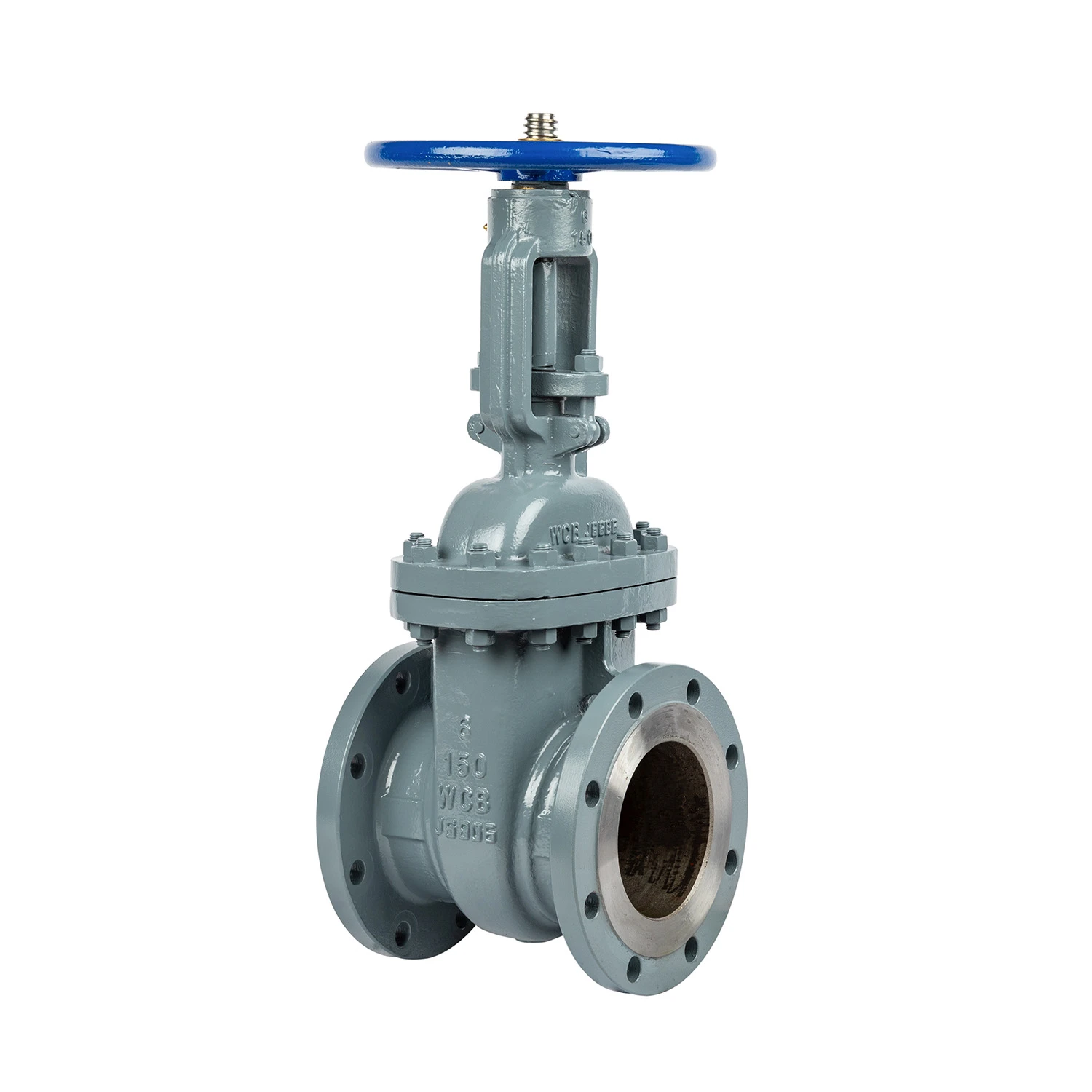
Refrigeration check valves are critical components within refrigeration and air conditioning systems, serving as unidirectional flow control devices. Their primary function is to prevent backflow of refrigerant, ensuring efficient and stable system operation. Positioned within the refrigerant circuit, typically at the discharge of compressors and suction lines, they protect sensitive equipment from reverse rotation, liquid slugging, and pressure imbalances. Unlike standard check valves, those employed in refrigeration systems must withstand extreme temperature variations, compatibility with diverse refrigerants, and high-pressure differentials. The selection and performance of refrigeration check valves directly impact system reliability, energy efficiency, and overall lifespan. This guide provides a comprehensive technical overview, encompassing material science, manufacturing processes, performance characteristics, failure modes, and relevant industry standards.
Material Science & Manufacturing
The materials employed in refrigeration check valve construction are dictated by refrigerant compatibility, operating temperatures, and pressure requirements. Body materials commonly include forged carbon steel (ASTM A105), stainless steel (304, 316 for corrosive environments), and brass alloys (for lower-pressure applications). Internal components, specifically the disc and seat, frequently utilize PTFE (Polytetrafluoroethylene) or other fluoropolymers due to their excellent chemical resistance to a wide range of refrigerants (R-134a, R-410A, R-32, CO2, ammonia). Spring materials are typically high-tensile stainless steel (301, 304) to maintain elasticity over extended temperature cycles. Manufacturing processes vary based on valve size and complexity. Small valves often utilize precision investment casting for the body, followed by machining of critical surfaces. Larger valves are often forged and then precisely machined. The disc is generally manufactured using injection molding for PTFE or CNC machining for metal discs. Critical parameters during manufacturing include surface finish (Ra < 0.8µm for sealing surfaces), dimensional tolerances (±0.025mm), and heat treatment (for steel components to achieve desired hardness). Welding processes (TIG, laser welding) are used for joining components, requiring strict adherence to ASME Section IX standards to ensure weld integrity and prevent refrigerant leaks. Post-weld heat treatment is often performed to relieve stress and enhance corrosion resistance. Quality control involves non-destructive testing (NDT) such as dye penetrant inspection, radiographic testing, and hydrostatic pressure testing to verify component integrity.
Performance & Engineering
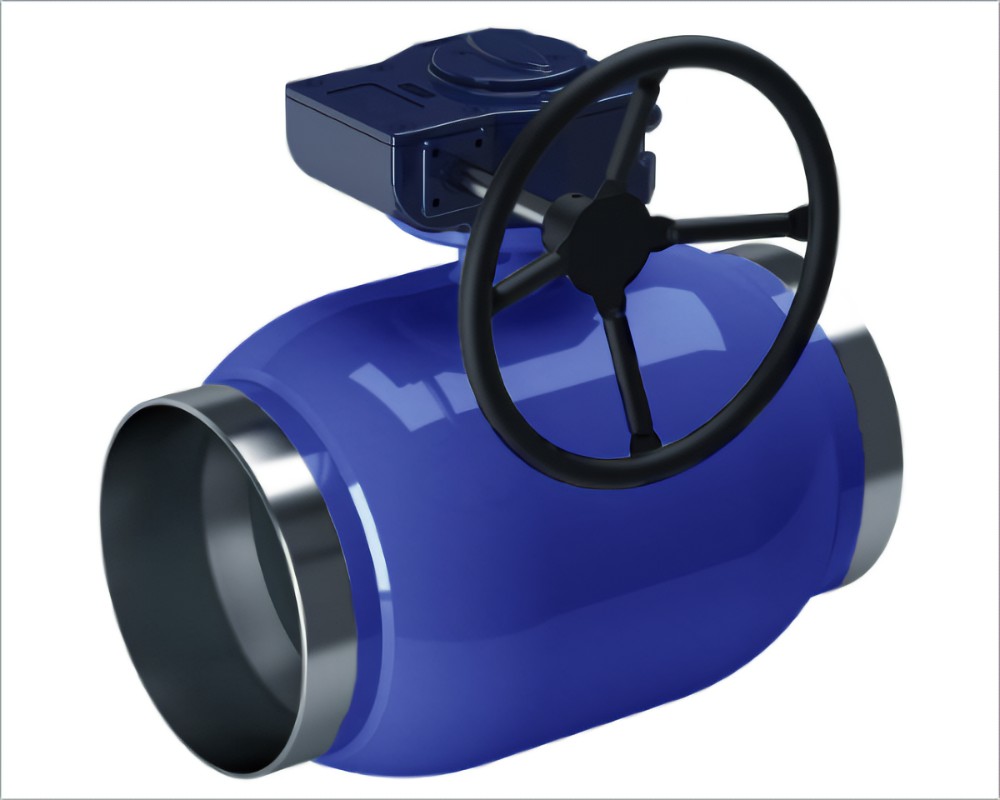
The performance of a refrigeration check valve is primarily characterized by its cracking pressure, flow coefficient (Cv), leakage rate, and response time. Cracking pressure, the minimum pressure differential required to open the valve, is a critical parameter determined by spring force and disc geometry. Lower cracking pressures minimize pressure drop and improve system efficiency. Flow coefficient (Cv) quantifies the valve's capacity to handle refrigerant flow; higher Cv values are necessary for larger systems. Leakage rate, measured in standard cubic feet per minute (SCFM) of refrigerant, must be minimized to prevent system charge loss and maintain optimal performance. Response time, the speed at which the valve opens and closes, is crucial for preventing backflow during compressor cycling. Engineering considerations include fluid dynamics analysis (CFD) to optimize disc design and minimize pressure drop, finite element analysis (FEA) to assess structural integrity under pressure and temperature extremes, and fatigue analysis to predict valve lifespan. Compliance requirements, such as AHRI 790 (Performance Rating of Refrigerant Valves) and UL 429 (Electrically Operated Valves for Refrigeration Service), mandate specific performance criteria and safety standards. The valve body’s pressure rating must meet or exceed the maximum operating pressure of the refrigeration system, adhering to ASME B16.34 standards for pressure-containing parts. Proper valve sizing is paramount; undersized valves cause excessive pressure drop and compressor strain, while oversized valves can lead to chattering and premature wear.
Technical Specifications
| Parameter | Unit | Typical Value (R-410A System) | Tolerance |
|---|---|---|---|
| Maximum Operating Pressure | PSIG | 500 | ±10% |
| Cracking Pressure | PSIG | 5-15 | ±0.5 PSIG |
| Flow Coefficient (Cv) - 1/2" Valve | GPM | 2.5 | ±0.2 |
| Leakage Rate (Air) | SCFM | <0.01 | N/A (Must be ≤ 0.01) |
| Operating Temperature Range | °F | -40 to 250 | ±5°F |
| Body Material | - | Forged Carbon Steel (A105) | Per ASTM A105 |
Failure Mode & Maintenance
Common failure modes in refrigeration check valves include seat erosion, disc deformation, spring fatigue, and refrigerant-induced corrosion. Seat erosion, often caused by particulate matter in the refrigerant stream, leads to increased leakage. Disc deformation, typically resulting from excessive temperature cycling or overpressure events, prevents proper sealing. Spring fatigue, due to repeated stress, can alter the cracking pressure. Corrosion, particularly in systems utilizing refrigerants with high moisture content, can degrade valve components. Failure analysis typically involves visual inspection, dimensional measurements, and material analysis (e.g., microscopy, chemical composition analysis). Preventative maintenance includes regular inspection for leaks, cleaning of valve components to remove debris, and periodic testing of cracking pressure. Lubrication, using compatible refrigeration oils, can reduce friction and extend valve life. If corrosion is present, the valve should be replaced with a material more resistant to the specific refrigerant and operating conditions. When replacing a valve, it is crucial to ensure the new valve is compatible with the refrigerant type and system pressure. Proper installation, including correct orientation and torqueing of connections, is essential to prevent leaks and ensure reliable operation. Avoid using excessive force during tightening, as this can damage the valve body or seat. Regular filter-drier maintenance upstream of the check valve is critical to minimize particulate contamination and prolong valve life.
Industry FAQ
Q: What is the impact of refrigerant type on check valve material selection?
A: Different refrigerants have varying chemical properties and compatibility with materials. For example, ammonia requires materials with excellent corrosion resistance (e.g., stainless steel), while CO2 demands components capable of withstanding high pressures. Selecting incompatible materials can lead to rapid degradation and valve failure. Always consult refrigerant compatibility charts and manufacturer's specifications.
Q: How does valve size affect system efficiency?
A: An undersized valve creates a significant pressure drop, increasing compressor work and reducing system capacity. An oversized valve can cause fluttering and premature wear. Proper valve sizing, based on refrigerant flow rate and system capacity, is crucial for optimal efficiency. Use valve sizing calculators and consult with valve manufacturers for accurate recommendations.
Q: What are the key indicators of a failing check valve?
A: Common indicators include reduced cooling capacity, erratic compressor behavior, refrigerant leaks around the valve body, and unusual noises (e.g., chattering). Regularly monitoring system performance and conducting leak checks can help identify failing valves early on.
Q: What maintenance procedures are recommended for check valves?
A: Recommended maintenance includes periodic visual inspections for leaks, cleaning of valve components, testing of cracking pressure, and ensuring proper filter-drier operation upstream. Regular lubrication with compatible refrigeration oil can also extend valve life.
Q: What is the significance of AHRI 790 certification?
A: AHRI 790 certification ensures that the check valve meets specific performance standards for refrigerant valves, verified through independent laboratory testing. It provides assurance of quality, reliability, and adherence to industry best practices.
Conclusion
Refrigeration check valves are indispensable components for maintaining the integrity and efficiency of refrigeration systems. Their selection requires careful consideration of material compatibility, performance characteristics, and compliance with relevant industry standards. Understanding the potential failure modes and implementing preventative maintenance procedures are critical for maximizing valve lifespan and minimizing system downtime.
Continued advancements in valve design, such as the development of more durable materials and improved sealing technologies, are driving further enhancements in refrigeration system performance. Future trends may include the integration of smart valve technologies with remote monitoring capabilities, enabling proactive maintenance and predictive failure analysis. Investing in high-quality check valves and adhering to best practices in installation and maintenance remains paramount for ensuring long-term reliability and energy efficiency.
-
Top Reasons to Choose a Stainless Steel Flange Check Valve for Industrial Applications
-
electric check valve Performance Engineering
-
electric check valves Performance Analysis
-
Threaded Check Valves Performance Analysis
-
6 inch check valve Performance Analysis
-
8 check valve Performance Analysis
-
diaphragm check valve Material Science Manufacturing
-
dual plate check valve Performance Analysis
-
check valve 6 inch Material Science
-
diaphragm check valves Performance Analysis
-
dual plate check valves Performance Analysis
-
vertical check valves Material Science Manufacturing
-
8 check valves Performance Analysis
-
refrigeration check valves Performance Analysis
-
pilot check valve Performance Analysis
 Afrikaans
 Albanian
 Amharic
 Arabic
 Armenian
 Azerbaijani
 Basque
 Belarusian
 Bengali
 Bosnian
 Bulgarian
 Catalan
 Cebuano
 Corsican
 Croatian
 Czech
Czech
 Danish
 Dutch
Dutch
 Esperanto
 Estonian
 Finnish
 French
 Frisian
 Galician
 Georgian
 German
 Greek
Greek
 Gujarati
 Haitian Creole
 Hausa
Hawaiian
Hausa
Hawaiian
 Hebrew
 Hindi
Hindi
 Miao
Miao
 Hungarian
 Icelandic
 Igbo
Igbo
 Indonesian
 Irish
Irish
 Italian
 Japanese
 Javanese
Kannada
Javanese
Kannada
 Kazakh
 Khmer
Khmer
 Rwandese
 Korean
 Kurdish
 Kyrgyz
 Lao
Lao
 Latin
Latin
 Latvian
 Lithuanian
 Luxembourgish
 Macedonian
 Malgashi
 Malay
Malay
 Malayalam
 Maltese
 Maori
Maori
 Marathi
 Mongolian
 Myanmar
 Nepali
 Norwegian
 Norwegian
 Occitan
 Pashto
 Persian
 Polish
 Portuguese
Punjabi
Portuguese
Punjabi
 Romanian
 Russian
 Samoan
 Scottish Gaelic
 Serbian
 Sesotho
 Shona
Shona
 Sindhi
 Sinhala
 Slovak
 Slovenian
 Somali
 Spanish
 Sundanese
 Swahili
 Swedish
Tagalog
Swedish
Tagalog
 Tajik
Tajik
 Tamil
Tamil
 Tatar
Tatar
 Telugu
 Thai
Thai
 Turkish
 Turkmen
 Ukrainian
 Urdu
Urdu
 Uighur
 Uzbek
Uzbek
 Vietnamese
 Welsh
Welsh
 Bantu
Bantu
 Yiddish
 Yoruba
 Zulu
Zulu
 English