




8 check valves Performance Analysis
Introduction
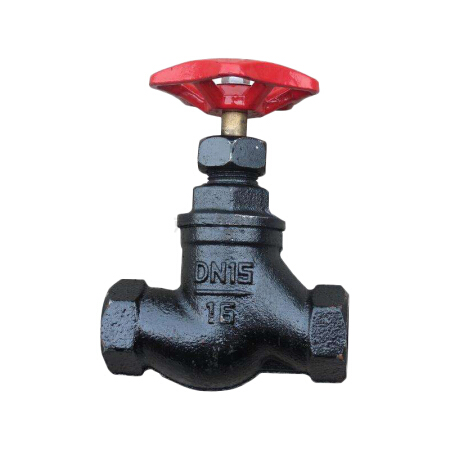
Eight check valves represent a critical component within fluid handling systems across a diverse range of industrial applications. Primarily functioning as unidirectional flow control devices, these valves prevent backflow, safeguarding pumps, compressors, and other sensitive equipment from damage and ensuring process integrity. This technical guide provides an in-depth analysis of eight check valves, encompassing material science, manufacturing processes, performance characteristics, failure modes, and relevant industry standards. The increasing demand for efficient and reliable fluid control, driven by sectors like chemical processing, water treatment, power generation, and oil & gas, necessitates a comprehensive understanding of these valves and their optimal application. The configuration of eight check valves in manifold assemblies allows for redundancy and increased flow capacity, making them valuable in high-demand systems. Critical performance characteristics include flow coefficient (Cv), pressure drop, leakage rate, and material compatibility with the conveyed fluid. Their robust design, coupled with advancements in sealing technology, ensures long-term operational reliability, even in harsh industrial environments.
Material Science & Manufacturing
The construction of eight check valves typically involves a combination of metallic and polymeric materials, selected based on fluid compatibility, operating pressure, and temperature requirements. Common body materials include ductile iron (ASTM A536-83), stainless steel (304, 316 – ASTM A240), carbon steel (ASTM A105), and brass (ASTM B16). These materials exhibit varying degrees of corrosion resistance and mechanical strength. The valve disc, crucial for sealing, can be made from elastomers like nitrile (NBR), ethylene propylene diene monomer (EPDM), fluorocarbon (FKM/Viton), or reinforced polymers like PTFE. Manufacturing processes vary depending on valve size and complexity. Smaller valves are often cast or forged, followed by precision machining to achieve tight tolerances. Larger valves may utilize welded fabrication. Disc manufacturing involves injection molding for elastomers and machining from raw material blocks for metallic discs. Critical parameter control during manufacturing includes ensuring surface finish for minimizing friction and maximizing sealing performance. Welding processes, when employed, must adhere to standards like AWS D1.1 (Structural Welding Code – Steel). Heat treatment processes are frequently employed for metallic components to enhance hardness and tensile strength. Quality control relies heavily on non-destructive testing methods, such as radiographic inspection and liquid penetrant testing, to detect defects in welds and castings. Corrosion protection is achieved through coatings like epoxy or galvanization, particularly for valves operating in corrosive environments.

Performance & Engineering
The performance of eight check valves is fundamentally governed by fluid dynamics principles. Bernoulli's equation dictates the relationship between fluid velocity, pressure, and elevation, which impacts valve performance under varying flow conditions. Force analysis focuses on the hydrodynamic forces exerted on the disc, influencing the required closing spring force to prevent leakage. Environmental resistance is crucial; valves must withstand temperature fluctuations, pressure surges, and exposure to corrosive fluids. Compliance with standards like API 598 (Valve Inspection and Testing) ensures consistent performance and safety. Functional implementation relies on the valve’s ability to open and close rapidly and reliably with minimal pressure drop. The cracking pressure – the differential pressure required to open the valve – is a key performance parameter. Furthermore, the flow coefficient (Cv) dictates the valve's capacity to handle specific flow rates at a given pressure drop. Fatigue analysis is critical, particularly for valves subjected to cyclic pressure fluctuations, to prevent premature failure. Finite Element Analysis (FEA) is frequently employed to optimize valve design and predict stress concentrations. Consideration must be given to water hammer effects, especially in long pipeline systems, and appropriate surge protection measures may be required. The arrangement of eight check valves can be optimized to reduce pressure losses and improve overall system efficiency.
Technical Specifications
| Parameter | Unit | Specification (Typical) | Test Standard |
|---|---|---|---|
| Maximum Operating Pressure | PSI | Up to 1000 | API 598 |
| Temperature Range | °F | -20 to 450 | ASTM E83 |
| Flow Coefficient (Cv) per Valve | Gallons per Minute (GPM) @ 1 PSI Drop | 5 - 50 (varies with size) | ISO 7708 |
| Leakage Rate | cc/min | ≤ 0.1 | FCI 70-2 |
| Body Material | - | Ductile Iron, Stainless Steel 316 | ASTM A536-83, ASTM A240 |
| Disc Material | - | NBR, EPDM, FKM | ASTM D2000 |
Failure Mode & Maintenance
Common failure modes in eight check valves include seat erosion, disc distortion, spring fatigue, and corrosion-induced degradation. Seat erosion is often caused by abrasive particles in the fluid stream, leading to increased leakage. Disc distortion can occur due to excessive pressure or temperature, affecting sealing performance. Spring fatigue arises from repeated cyclic loading, resulting in reduced closing force. Corrosion, particularly in aggressive chemical environments, weakens the valve body and internal components. Failure analysis should include visual inspection for cracks and corrosion, pressure testing to assess leakage, and material analysis to identify the root cause of failure. Maintenance procedures include regular inspection of valve seats and discs for wear, lubrication of moving parts, and replacement of damaged components. Periodic testing of the valve's closing speed and leakage rate is also recommended. For valves operating in critical applications, a preventative maintenance schedule should be implemented. Proper storage conditions are crucial; valves should be protected from moisture and extreme temperatures. Backflushing the valve periodically can remove debris and prevent clogging. Consideration should be given to implementing a condition monitoring program utilizing vibration analysis or ultrasonic testing to detect early signs of degradation.
Industry FAQ
Q: What are the key differences between swing check valves and lift check valves in an eight-valve manifold system?
A: Swing check valves utilize a hinged disc that swings open with flow and closes against a seat using gravity and flow reversal. They offer low pressure drop but are susceptible to water hammer. Lift check valves employ a disc that lifts off the seat with flow. They are better suited for high-velocity applications and reduce water hammer, but typically have a higher pressure drop than swing check valves. Choosing between the two depends on the specific flow conditions and system requirements.
Q: How does material selection impact the longevity of these valves in a corrosive chemical processing environment?
A: Material selection is paramount. Stainless steel (316) offers superior corrosion resistance compared to carbon steel but can still be affected by certain chemicals. More exotic alloys like Hastelloy or Titanium may be necessary for highly corrosive fluids. Elastomer selection for the disc is also critical; FKM/Viton generally provides better chemical resistance than NBR or EPDM. Proper coating application (e.g., epoxy) can further enhance corrosion protection.
Q: What are the implications of exceeding the maximum operating pressure specified for these valves?
A: Exceeding the maximum operating pressure can lead to catastrophic failure, including body rupture, disc damage, and seat deformation. This can result in significant downtime, safety hazards, and environmental damage. Pressure relief valves should be installed upstream of the check valve manifold to prevent over-pressurization.
Q: What are the recommended maintenance intervals for eight check valves in a typical water treatment application?
A: Recommended maintenance intervals vary based on water quality and operating conditions. A general guideline is to inspect and lubricate valves every 6-12 months. The disc and seat should be inspected for wear and replaced as needed. Leakage testing should be performed annually. A more frequent inspection schedule may be required for systems with high sediment content.
Q: How does the Cv value influence the overall system performance of an eight-valve assembly?
A: The Cv value directly impacts the flow rate capacity of each valve. Ensuring appropriate Cv values for each valve in the assembly is crucial for minimizing pressure drop and maintaining desired flow rates throughout the system. Undersized valves can create bottlenecks, while oversized valves may not modulate effectively. Careful sizing calculations are essential during system design.
Conclusion
Eight check valves are fundamental components for ensuring unidirectional flow and protecting critical equipment in a wide array of industrial applications. Understanding their material science, manufacturing processes, performance characteristics, and potential failure modes is essential for optimal system design and maintenance. The selection of appropriate materials, adherence to relevant industry standards (API, ASTM, ISO), and implementation of preventative maintenance programs are crucial for maximizing valve longevity and minimizing downtime.
Future advancements in check valve technology are focused on developing self-actuating valves, utilizing smart materials and sensors for condition monitoring, and implementing advanced sealing technologies to reduce leakage and improve efficiency. These innovations will further enhance the reliability and performance of eight check valve systems, addressing the evolving needs of demanding industrial environments.
-
Top Reasons to Choose a Stainless Steel Flange Check Valve for Industrial Applications
-
electric check valve Performance Engineering
-
electric check valves Performance Analysis
-
Threaded Check Valves Performance Analysis
-
6 inch check valve Performance Analysis
-
8 check valve Performance Analysis
-
diaphragm check valve Material Science Manufacturing
-
dual plate check valve Performance Analysis
-
check valve 6 inch Material Science
-
diaphragm check valves Performance Analysis
-
dual plate check valves Performance Analysis
-
vertical check valves Material Science Manufacturing
-
8 check valves Performance Analysis
-
refrigeration check valves Performance Analysis
-
pilot check valve Performance Analysis
 Afrikaans
 Albanian
 Amharic
 Arabic
 Armenian
 Azerbaijani
 Basque
 Belarusian
 Bengali
 Bosnian
 Bulgarian
 Catalan
 Cebuano
 Corsican
 Croatian
 Czech
Czech
 Danish
 Dutch
Dutch
 Esperanto
 Estonian
 Finnish
 French
 Frisian
 Galician
 Georgian
 German
 Greek
Greek
 Gujarati
 Haitian Creole
 Hausa
Hawaiian
Hausa
Hawaiian
 Hebrew
 Hindi
Hindi
 Miao
Miao
 Hungarian
 Icelandic
 Igbo
Igbo
 Indonesian
 Irish
Irish
 Italian
 Japanese
 Javanese
Kannada
Javanese
Kannada
 Kazakh
 Khmer
Khmer
 Rwandese
 Korean
 Kurdish
 Kyrgyz
 Lao
Lao
 Latin
Latin
 Latvian
 Lithuanian
 Luxembourgish
 Macedonian
 Malgashi
 Malay
Malay
 Malayalam
 Maltese
 Maori
Maori
 Marathi
 Mongolian
 Myanmar
 Nepali
 Norwegian
 Norwegian
 Occitan
 Pashto
 Persian
 Polish
 Portuguese
Punjabi
Portuguese
Punjabi
 Romanian
 Russian
 Samoan
 Scottish Gaelic
 Serbian
 Sesotho
 Shona
Shona
 Sindhi
 Sinhala
 Slovak
 Slovenian
 Somali
 Spanish
 Sundanese
 Swahili
 Swedish
Tagalog
Swedish
Tagalog
 Tajik
Tajik
 Tamil
Tamil
 Tatar
Tatar
 Telugu
 Thai
Thai
 Turkish
 Turkmen
 Ukrainian
 Urdu
Urdu
 Uighur
 Uzbek
Uzbek
 Vietnamese
 Welsh
Welsh
 Bantu
Bantu
 Yiddish
 Yoruba
 Zulu
Zulu
 English