




diaphragm check valve Material Science Manufacturing
Introduction
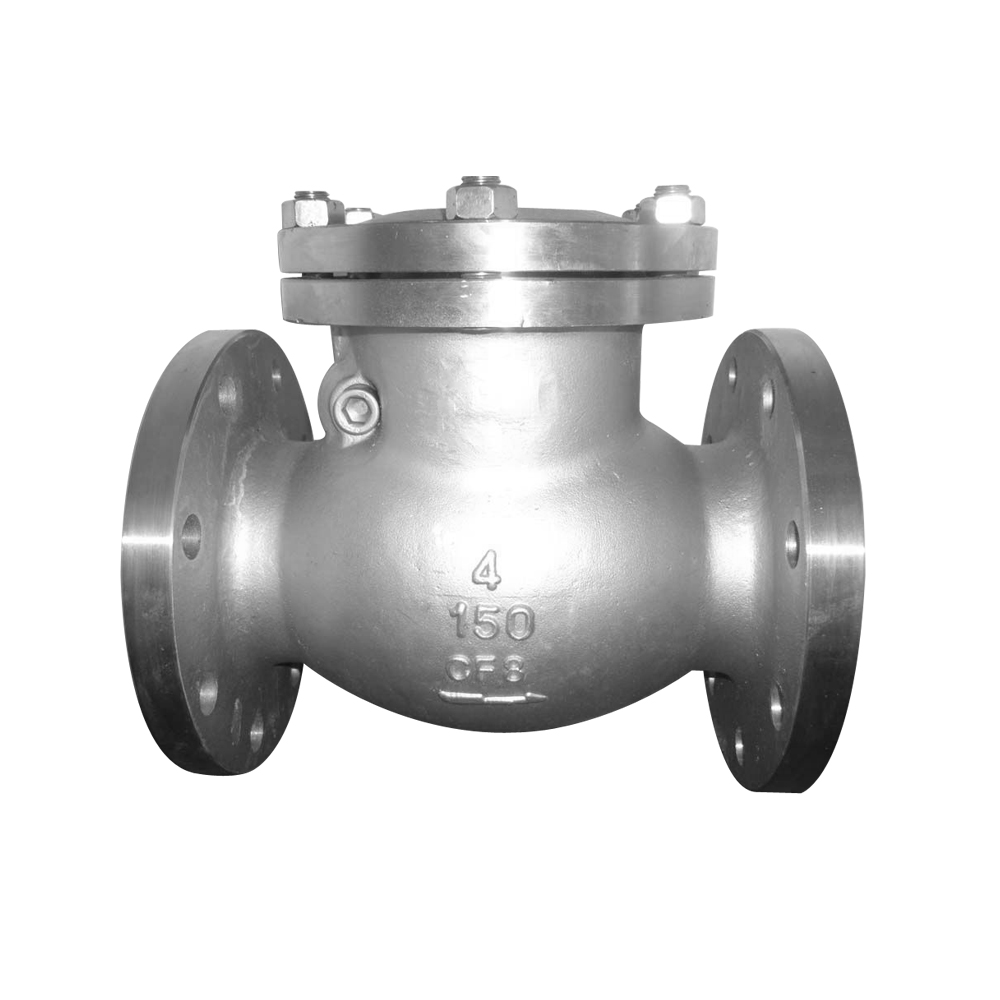
Diaphragm check valves are integral components in numerous industrial fluid handling systems, serving as unidirectional flow control devices. Positioned within the broader valve technology landscape, they occupy a niche demanding high purity, corrosion resistance, and minimal pressure drop. Unlike traditional swing or ball check valves, diaphragm check valves utilize a flexible diaphragm to seal against a valve seat, ensuring positive shutoff and preventing backflow. Their primary function is to protect sensitive equipment such as pumps, meters, and process instrumentation from damage due to reverse flow conditions. This makes them critical in applications across pharmaceutical, chemical processing, water treatment, and food & beverage industries. Core performance characteristics revolve around crack pressure (the reverse pressure required to open the valve), flow coefficient (Cv), and leak rate, all dictated by diaphragm material, design geometry, and manufacturing precision. A key industry pain point is ensuring diaphragm material compatibility with aggressive media, and mitigating diaphragm fatigue failure over extended operational cycles.
Material Science & Manufacturing
The performance and longevity of a diaphragm check valve are fundamentally linked to the material science of its components. Valve bodies are commonly constructed from polymers like Polypropylene (PP), Polyvinylidene Fluoride (PVDF), Chlorinated Polyvinyl Chloride (CPVC), or metallic materials such as Stainless Steel (316L being prevalent for corrosive environments). The diaphragm itself is the most critical material choice. Common diaphragm elastomers include Ethylene Propylene Diene Monomer (EPDM) for general-purpose applications, Fluoroelastomers (FKM/Viton) for high-temperature and chemically aggressive environments, and Polytetrafluoroethylene (PTFE) for exceptional chemical inertness. Diaphragm material selection necessitates careful consideration of chemical compatibility charts, ensuring resistance to swelling, degradation, and leaching from the process fluid. Manufacturing processes vary depending on the chosen materials. Polymer valve bodies are often produced via injection molding, requiring precise temperature and pressure control to minimize residual stress and ensure dimensional accuracy. Metallic bodies typically undergo casting or forging followed by machining. Diaphragm manufacturing involves techniques like compression molding, blow molding, or die-cutting. A critical parameter during diaphragm fabrication is maintaining consistent thickness and uniformity, as variations directly impact sealing performance and fatigue life. Post-manufacturing, stringent quality control checks, including hydrostatic testing and visual inspection, are essential to identify defects such as pinholes, tears, or improper seating. Surface finish of mating surfaces (diaphragm and seat) is also paramount, with smoother finishes promoting better sealing and reduced friction.
Performance & Engineering
The performance of a diaphragm check valve is governed by several engineering principles. Force analysis is crucial, particularly in determining the required diaphragm stiffness to withstand both forward flow pressure and reverse pressure attempting to open the valve. This involves calculations considering diaphragm area, pressure differential, and material Young's modulus. Environmental resistance is another key consideration. Temperature fluctuations can affect diaphragm elasticity and sealing ability. UV exposure can degrade certain polymer materials. Mechanical vibrations, common in many industrial settings, can lead to diaphragm fatigue. Compliance requirements often dictate specific material certifications (e.g., FDA compliance for food and beverage applications, USP Class VI for pharmaceutical applications) and pressure ratings. Functional implementation often requires careful system integration. Proper valve sizing is critical to avoid excessive pressure drop and ensure adequate flow capacity. Installation orientation also matters; some diaphragm check valve designs are sensitive to gravitational effects. Furthermore, the valve's response time – the speed at which it opens and closes – can be important in certain applications, especially those involving pulsating flows. Finite Element Analysis (FEA) is frequently employed during the design phase to simulate stress distributions within the diaphragm and optimize its geometry for maximum performance and durability. Understanding fluid dynamics principles is essential to minimize turbulence and cavitation, which can accelerate diaphragm wear.
Technical Specifications
| Parameter | Unit | Material Grade 1 (PP/EPDM) | Material Grade 2 (PVDF/FKM) |
|---|---|---|---|
| Maximum Operating Pressure | PSI | 150 | 220 |
| Operating Temperature Range | °F | 32 – 212 | -20 – 250 |
| Crack Pressure (Typical) | PSI | 2-5 | 3-7 |
| Flow Coefficient (Cv) - 1" Valve | Gallons per minute | 3.5 | 4.2 |
| Leak Rate (Bubble Tight) | SCCM | <1 | <0.5 |
| Connection Type | - | Socket Weld, NPT | Socket Weld, NPT, Flange |
Failure Mode & Maintenance
Diaphragm check valve failure can manifest in several ways. A common failure mode is diaphragm fatigue cracking, stemming from repeated flexing under pressure and temperature cycles. This is exacerbated by improper material selection or excessive stress concentrations. Another failure mode is diaphragm swelling or degradation due to chemical incompatibility with the process fluid, leading to leaks or complete valve failure. Delamination of the diaphragm from its bonding surface can occur due to poor adhesive properties or insufficient surface preparation. Seat erosion, particularly in valves handling abrasive slurries, can compromise sealing performance. Furthermore, foreign particle entrapment between the diaphragm and seat can prevent proper closure. Maintenance strategies center around preventative measures. Regular inspection of the diaphragm for signs of wear, cracking, or swelling is crucial. Periodic cleaning to remove accumulated debris is also recommended. For valves exposed to harsh chemicals, periodic diaphragm replacement is advisable based on a pre-determined schedule or observed performance degradation. When replacing the diaphragm, ensure proper seating and tightening of fasteners to the manufacturer’s specifications. Proper lubrication of moving parts can reduce friction and extend valve life. Leak testing after maintenance is essential to verify proper sealing performance. Failure analysis of failed diaphragms can provide valuable insights into root causes and inform material selection for future applications.
Industry FAQ
Q: What is the primary difference between a diaphragm check valve and a ball check valve in terms of hygiene suitability?
A: Diaphragm check valves generally offer superior hygiene suitability due to their smoother internal surfaces and lack of crevices where bacteria can accumulate. Ball check valves, with their ball and seat design, often have more complex geometries that can harbor microorganisms, making them less ideal for sanitary applications like food and beverage processing or pharmaceuticals.
Q: How does the choice of diaphragm material impact the valve's resistance to chemical attack?
A: The diaphragm material is paramount in determining chemical resistance. EPDM provides good general resistance, but FKM (Viton) is required for stronger acids, bases, and solvents. PTFE offers the broadest chemical compatibility but can be more expensive and less flexible. Always consult a chemical compatibility chart before selecting a diaphragm material.
Q: What are the key considerations when sizing a diaphragm check valve for a specific application?
A: Key considerations include flow rate, pressure drop, fluid viscosity, and the presence of solids. Undersizing leads to excessive pressure drop and reduced flow. Oversizing can cause premature diaphragm wear due to increased turbulence. Proper sizing calculations, considering the valve’s Cv value, are essential.
Q: What preventative maintenance procedures are recommended for extending the lifespan of a diaphragm check valve?
A: Regular visual inspections for cracks, swelling, or leaks, periodic cleaning to remove debris, and scheduled diaphragm replacement based on operating conditions and fluid compatibility are crucial. Maintaining proper lubrication of any moving parts also extends lifespan.
Q: How does temperature affect the performance and longevity of a diaphragm check valve?
A: Temperature fluctuations can alter diaphragm elasticity, affecting sealing performance. High temperatures can accelerate diaphragm degradation and reduce its lifespan. Selecting a diaphragm material with a suitable temperature range is critical. Extreme temperature swings can also induce stress on valve components, leading to premature failure.
Conclusion
Diaphragm check valves represent a critical advancement in unidirectional flow control, particularly in industries prioritizing high purity, corrosion resistance, and minimal pressure drop. Their performance is inextricably linked to meticulous material selection, precise manufacturing processes, and a thorough understanding of fluid dynamics and mechanical engineering principles. Addressing the common failure modes – diaphragm fatigue, chemical degradation, and seat erosion – through preventative maintenance and rigorous quality control ensures long-term reliability and operational efficiency.
Looking forward, innovations in diaphragm materials, such as advanced polymers and composite structures, promise enhanced chemical resistance, extended operational lifespans, and improved performance in demanding applications. Furthermore, advancements in valve design, including optimized diaphragm geometries and integrated sensing capabilities, will enable real-time monitoring of valve performance and predictive maintenance strategies, ultimately reducing downtime and enhancing process reliability.
-
Top Reasons to Choose a Stainless Steel Flange Check Valve for Industrial Applications
-
electric check valve Performance Engineering
-
electric check valves Performance Analysis
-
Threaded Check Valves Performance Analysis
-
6 inch check valve Performance Analysis
-
8 check valve Performance Analysis
-
diaphragm check valve Material Science Manufacturing
-
dual plate check valve Performance Analysis
-
check valve 6 inch Material Science
-
diaphragm check valves Performance Analysis
-
dual plate check valves Performance Analysis
-
vertical check valves Material Science Manufacturing
-
8 check valves Performance Analysis
-
refrigeration check valves Performance Analysis
-
pilot check valve Performance Analysis
 Afrikaans
 Albanian
 Amharic
 Arabic
 Armenian
 Azerbaijani
 Basque
 Belarusian
 Bengali
 Bosnian
 Bulgarian
 Catalan
 Cebuano
 Corsican
 Croatian
 Czech
Czech
 Danish
 Dutch
Dutch
 Esperanto
 Estonian
 Finnish
 French
 Frisian
 Galician
 Georgian
 German
 Greek
Greek
 Gujarati
 Haitian Creole
 Hausa
Hawaiian
Hausa
Hawaiian
 Hebrew
 Hindi
Hindi
 Miao
Miao
 Hungarian
 Icelandic
 Igbo
Igbo
 Indonesian
 Irish
Irish
 Italian
 Japanese
 Javanese
Kannada
Javanese
Kannada
 Kazakh
 Khmer
Khmer
 Rwandese
 Korean
 Kurdish
 Kyrgyz
 Lao
Lao
 Latin
Latin
 Latvian
 Lithuanian
 Luxembourgish
 Macedonian
 Malgashi
 Malay
Malay
 Malayalam
 Maltese
 Maori
Maori
 Marathi
 Mongolian
 Myanmar
 Nepali
 Norwegian
 Norwegian
 Occitan
 Pashto
 Persian
 Polish
 Portuguese
Punjabi
Portuguese
Punjabi
 Romanian
 Russian
 Samoan
 Scottish Gaelic
 Serbian
 Sesotho
 Shona
Shona
 Sindhi
 Sinhala
 Slovak
 Slovenian
 Somali
 Spanish
 Sundanese
 Swahili
 Swedish
Tagalog
Swedish
Tagalog
 Tajik
Tajik
 Tamil
Tamil
 Tatar
Tatar
 Telugu
 Thai
Thai
 Turkish
 Turkmen
 Ukrainian
 Urdu
Urdu
 Uighur
 Uzbek
Uzbek
 Vietnamese
 Welsh
Welsh
 Bantu
Bantu
 Yiddish
 Yoruba
 Zulu
Zulu
 English