




dual plate check valves Performance Analysis
Introduction
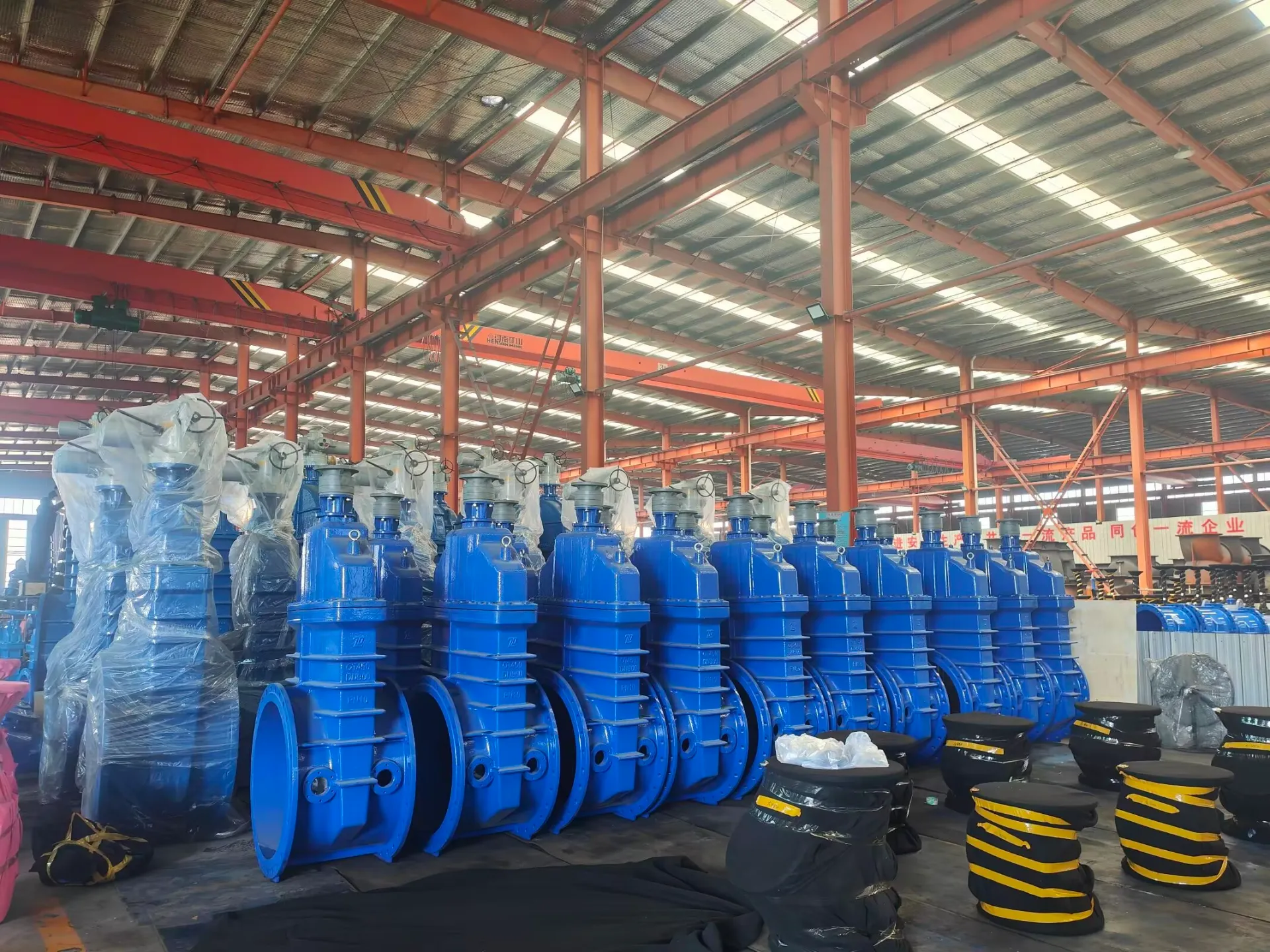
Dual plate check valves are critical components in fluid handling systems, designed to prevent backflow in pipelines. Positioned within the broader network of pipeline components – pumps, filters, and control valves – they ensure unidirectional flow, safeguarding equipment and processes. Unlike swing or lift check valves, the dual plate design utilizes two inclined discs that lift and separate simultaneously, offering reduced water hammer, lower pressure drop, and faster response times. These features are particularly advantageous in applications demanding high efficiency and minimal system disturbance, such as water treatment, power generation, and oil & gas processing. Core performance characteristics include sealing efficiency, flow capacity (Cv), pressure drop, and durability under cyclic operation. The industry currently faces challenges related to erosion due to particulate matter in fluids, especially in wastewater applications, and maintaining consistent sealing performance over extended service life, driving advancements in material selection and valve design.
Material Science & Manufacturing
The performance of dual plate check valves is inherently tied to the material selection and manufacturing processes employed. Disc materials commonly include stainless steels (304, 316, Duplex), alloy 20, and specialized polymers like PTFE or PEEK for seating surfaces. Stainless steel offers corrosion resistance, while alloy 20 provides enhanced resistance in highly corrosive environments. The body is typically constructed from ductile iron (ASTM A536-83) or carbon steel (ASTM A53 Grade A), chosen for their mechanical strength and castability. The manufacturing process begins with precision casting of the valve body, followed by machining to achieve tight tolerances on the disc seating surfaces and alignment bores. Disc manufacture involves blanking, forging, and subsequent heat treatment to optimize hardness and toughness. The critical step is lapping the disc faces to achieve a mirror finish and ensure complete sealing contact. Welding procedures (SMAW, GTAW) used to attach flanges and other components must adhere to ASME Section IX standards to maintain structural integrity. Parameter control during heat treatment – temperature, soak time, and cooling rate – is paramount, directly influencing the microstructure and mechanical properties of the valve components. Furthermore, surface treatments like passivation for stainless steel are critical to enhance corrosion resistance.

Performance & Engineering
The engineering performance of dual plate check valves is governed by fluid dynamics and stress analysis. Force analysis considers fluid forces acting on the discs during opening and closing, as well as inertial forces resulting from flow acceleration. Finite Element Analysis (FEA) is routinely employed to model stress distributions within the valve body and discs under various operating conditions, ensuring structural integrity and preventing fatigue failure. Environmental resistance is a critical factor; valves operating in harsh climates must withstand temperature extremes, humidity, and potential exposure to corrosive substances. Compliance requirements vary by industry and location. For potable water applications, valves must conform to NSF/ANSI 61 standards for lead content and biocompatibility. Oil & gas applications demand compliance with API 6D, specifying performance, testing, and documentation requirements. The valve’s Kv (flow coefficient) and Cv (flow capacity) are engineered to minimize pressure loss across the valve while maintaining efficient flow. Furthermore, the damping characteristics of the dual disc design, which minimizes water hammer, are deliberately engineered through optimized disc angles and mass distribution. The selection of elastomer seals (e.g., EPDM, Viton) must consider fluid compatibility, temperature range, and required service life. Proper valve sizing, based on flow rate and pressure drop calculations, is crucial for optimal performance and longevity.
Technical Specifications
| Parameter | Metric/Imperial Units | Typical Value | Tolerance |
|---|---|---|---|
| Maximum Operating Pressure | psi/bar | 250/17.2 | ±10% |
| Maximum Operating Temperature | °F/°C | 250/121 | ±5°C |
| Cv (Flow Coefficient) | gpm/m³/h | 50/113 | ±5% |
| Leakage Rate (Class VI) | ml/min/seat | 0.1 | Max. |
| Body Material | - | Ductile Iron (ASTM A536-83) | Per ASTM Standard |
| Disc Material | - | Stainless Steel 316 | Per ASTM Standard |
Failure Mode & Maintenance
Dual plate check valves are susceptible to several failure modes. Fatigue cracking of the discs can occur due to cyclic loading and stress concentration, particularly at the hinge points. Erosion caused by abrasive particles in the fluid can wear away the disc seating surfaces, leading to leakage. Corrosion, especially in chloride-rich environments, can compromise the integrity of the valve body and discs. Delamination of polymeric coatings on the discs can also contribute to leakage. Oxidation at high temperatures can affect the mechanical properties of the materials. Regular inspection is crucial, focusing on disc seating surfaces for wear or damage, and checking for signs of corrosion. Preventative maintenance includes periodic cleaning to remove debris, lubrication of hinge points, and replacement of seals. A comprehensive failure analysis, including metallurgical examination and non-destructive testing (NDT) methods like liquid penetrant testing (LPT) or ultrasonic testing (UT), is essential to identify the root cause of failure. Proper valve selection based on fluid properties and operating conditions, coupled with a robust maintenance schedule, can significantly extend the service life of the valve. For severe erosion issues, consider using hardened disc materials or applying wear-resistant coatings.
Industry FAQ
Q: What are the primary advantages of a dual plate check valve over a swing check valve in a high-flow application?
A: In high-flow applications, dual plate check valves exhibit lower pressure drop and reduced water hammer compared to swing check valves. Swing check valves can cause significant turbulence and momentum changes when closing, leading to water hammer. The dual plate design’s smoother flow path and faster response time mitigate these effects, enhancing system efficiency and protecting downstream equipment.
Q: What material selection considerations are critical for a dual plate check valve used in seawater desalination?
A: Seawater desalination demands highly corrosion-resistant materials. Super duplex stainless steel (UNS S32750) is often preferred for the valve body and discs due to its exceptional resistance to pitting and crevice corrosion in chloride-rich environments. Seals should be made of materials like Viton or EPDM, compatible with seawater and any associated cleaning chemicals.
Q: How does the disc angle affect the performance of a dual plate check valve?
A: The disc angle directly influences the valve’s opening and closing characteristics, flow capacity, and water hammer mitigation. A steeper angle generally results in faster response times and reduced water hammer, but may also increase pressure drop. Optimization of the disc angle is crucial to balance these competing factors based on the specific application requirements.
Q: What are the key inspection points during routine maintenance of a dual plate check valve?
A: Key inspection points include visual examination of the disc seating surfaces for wear, erosion, or corrosion; checking the integrity of the seals; verifying the smooth operation of the discs; and inspecting the valve body for cracks or leaks. Non-destructive testing methods (LPT, UT) can be used for a more thorough assessment of potential defects.
Q: What is the significance of API 6D certification for dual plate check valves?
A: API 6D certification demonstrates that the valve has been manufactured and tested to meet stringent industry standards for performance, reliability, and safety. It provides assurance to end-users that the valve is fit for purpose and will perform as expected under specified operating conditions. It covers design, materials, manufacturing, inspection, and testing requirements.
Conclusion
Dual plate check valves represent a sophisticated solution for preventing backflow in critical fluid handling systems. Their unique design provides advantages over traditional check valve types, including reduced water hammer, lower pressure drop, and faster response times. Achieving optimal performance and longevity requires careful consideration of material selection, manufacturing processes, and proper maintenance practices. Understanding the potential failure modes and implementing proactive inspection schedules is paramount to minimizing downtime and ensuring reliable operation.
Future advancements in dual plate check valve technology will likely focus on the development of more wear-resistant materials, improved sealing mechanisms, and integrated monitoring systems for predictive maintenance. Furthermore, optimizing valve designs for specific applications through computational fluid dynamics (CFD) modeling and FEA will continue to enhance efficiency and performance. The industry trend towards digitalization and remote monitoring will also drive the integration of smart sensors and data analytics into these valves.
-
Top Reasons to Choose a Stainless Steel Flange Check Valve for Industrial Applications
-
diaphragm check valve Material Science Manufacturing
-
dual plate check valve Performance Analysis
-
check valve 6 inch Material Science
-
diaphragm check valves Performance Analysis
-
dual plate check valves Performance Analysis
-
vertical check valves Material Science Manufacturing
-
8 check valves Performance Analysis
-
refrigeration check valves Performance Analysis
-
pilot check valve Performance Analysis
-
pressure check valve Performance Analysis
-
check valve 3 4 inch Performance Analysis
-
3 4 inch check valve Performance Analysis
-
piloted check valve Performance Analysis
-
pilot check valves Performance Analysis
 Afrikaans
 Albanian
 Amharic
 Arabic
 Armenian
 Azerbaijani
 Basque
 Belarusian
 Bengali
 Bosnian
 Bulgarian
 Catalan
 Cebuano
 Corsican
 Croatian
 Czech
Czech
 Danish
 Dutch
Dutch
 Esperanto
 Estonian
 Finnish
 French
 Frisian
 Galician
 Georgian
 German
 Greek
Greek
 Gujarati
 Haitian Creole
 Hausa
Hawaiian
Hausa
Hawaiian
 Hebrew
 Hindi
Hindi
 Miao
Miao
 Hungarian
 Icelandic
 Igbo
Igbo
 Indonesian
 Irish
Irish
 Italian
 Japanese
 Javanese
Kannada
Javanese
Kannada
 Kazakh
 Khmer
Khmer
 Rwandese
 Korean
 Kurdish
 Kyrgyz
 Lao
Lao
 Latin
Latin
 Latvian
 Lithuanian
 Luxembourgish
 Macedonian
 Malgashi
 Malay
Malay
 Malayalam
 Maltese
 Maori
Maori
 Marathi
 Mongolian
 Myanmar
 Nepali
 Norwegian
 Norwegian
 Occitan
 Pashto
 Persian
 Polish
 Portuguese
Punjabi
Portuguese
Punjabi
 Romanian
 Russian
 Samoan
 Scottish Gaelic
 Serbian
 Sesotho
 Shona
Shona
 Sindhi
 Sinhala
 Slovak
 Slovenian
 Somali
 Spanish
 Sundanese
 Swahili
 Swedish
Tagalog
Swedish
Tagalog
 Tajik
Tajik
 Tamil
Tamil
 Tatar
Tatar
 Telugu
 Thai
Thai
 Turkish
 Turkmen
 Ukrainian
 Urdu
Urdu
 Uighur
 Uzbek
Uzbek
 Vietnamese
 Welsh
Welsh
 Bantu
Bantu
 Yiddish
 Yoruba
 Zulu
Zulu
 English