




pressure check valve Performance Analysis
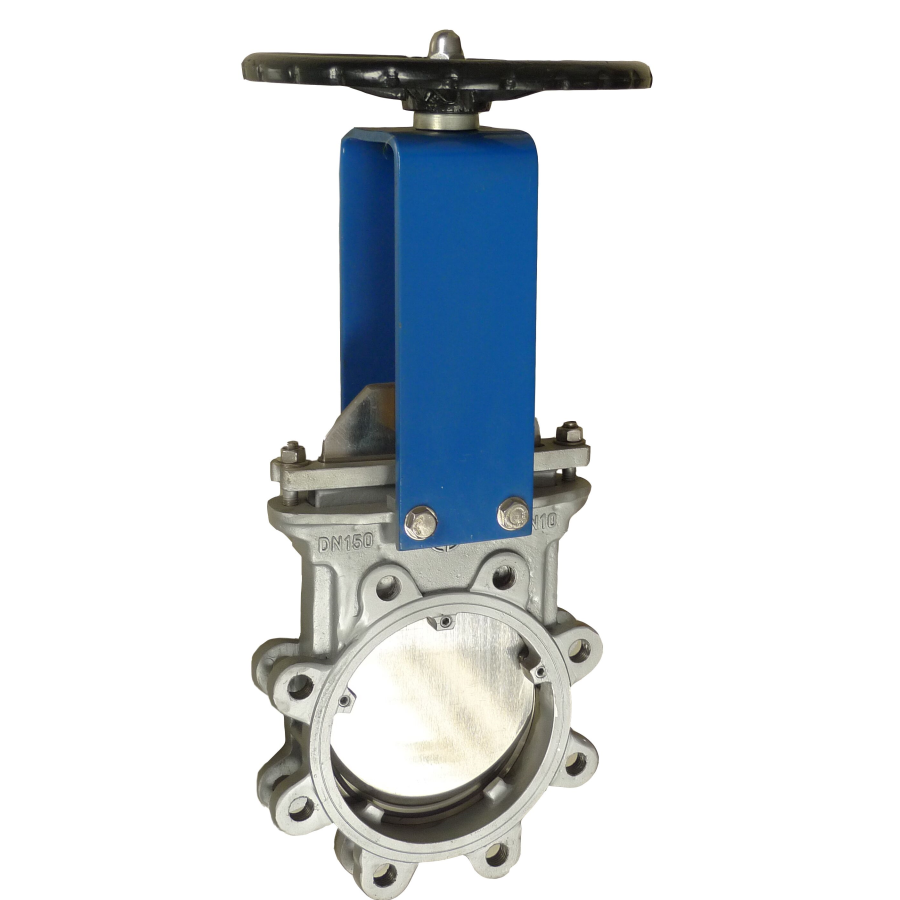
Introduction
Pressure check valves are critical components in fluid power systems, designed to allow fluid flow in only one direction while preventing backflow. Positioned within the industrial chain as a vital safeguarding mechanism, they are integral to the functionality of hydraulic and pneumatic circuits across diverse sectors including manufacturing, automotive, aerospace, and oil & gas. Core performance metrics center around cracking pressure, flow capacity (Cv), leakage rate, and material compatibility with the working fluid. These valves mitigate potential damage to equipment, maintain system pressure integrity, and ensure operational safety. Their selection and implementation directly impact system efficiency, reliability, and longevity. Understanding the intricacies of their design, materials, and operational parameters is paramount for engineers and procurement specialists alike.
Material Science & Manufacturing
The body of a pressure check valve is commonly constructed from materials like carbon steel (ASTM A105), stainless steel (304, 316 – offering enhanced corrosion resistance), brass (for lower pressure applications), and engineered polymers such as PTFE or PEEK for sealing elements and certain valve body components. Carbon steel offers high strength and cost-effectiveness but requires protective coatings to prevent corrosion. Stainless steel provides superior corrosion resistance, essential in aggressive fluid environments. The poppet and seat, critical for sealing, frequently utilize hardened steel alloys, often incorporating surface treatments like nitriding or chrome plating to enhance wear resistance and surface finish.
Manufacturing processes vary based on material and valve size. Smaller valves are often produced via investment casting or machining from bar stock. Larger valves typically employ sand casting followed by extensive machining operations. The critical manufacturing parameter is dimensional accuracy, particularly for the poppet and seat interface. Maintaining tight tolerances (<0.001 inch) is essential for minimizing leakage. Welding processes, when employed, must adhere to standards like AWS D1.1 for structural welding. Heat treatment processes are used to optimize material hardness and ductility. Surface finishing, including polishing and lapping, is vital for achieving a smooth sealing surface and reducing friction. Non-destructive testing (NDT) methods, such as liquid penetrant inspection and ultrasonic testing, are employed to ensure weld integrity and detect internal flaws.
Performance & Engineering
Performance of a pressure check valve is fundamentally governed by principles of fluid dynamics and stress analysis. The cracking pressure – the minimum upstream pressure required to open the valve – is determined by the spring force acting on the poppet and the effective area of the poppet. Flow capacity (Cv) dictates the volume of fluid that can pass through the valve at a given pressure drop. Engineers perform computational fluid dynamics (CFD) simulations to optimize valve geometry and minimize pressure loss.
Environmental resistance is a key engineering consideration. Exposure to extreme temperatures, corrosive fluids, and high-pressure cycles can lead to material degradation and valve failure. Material selection must account for the specific operating environment. Finite Element Analysis (FEA) is utilized to assess stress concentrations within the valve body and poppet under various loading conditions, ensuring structural integrity. Compliance requirements, such as those mandated by ASME Section VIII Division 1 for pressure vessel components, dictate design and manufacturing practices. The valve's response time (the time taken to open and close) is also a critical parameter, especially in dynamic systems where rapid pressure regulation is required. Leakage rate, often specified in units of cubic centimeters per minute, must meet stringent industry standards to maintain system efficiency and prevent contamination.
Technical Specifications
| Parameter | Unit | Typical Value (Carbon Steel) | Typical Value (Stainless Steel 316) |
|---|---|---|---|
| Maximum Pressure | PSI | 5000 | 5000 |
| Cracking Pressure | PSI | 50-500 (adjustable) | 50-500 (adjustable) |
| Flow Coefficient (Cv) | Gallons per minute at 1 PSI pressure drop | 1.5 - 10 | 1.5 - 10 |
| Leakage Rate | cc/min | < 0.1 | < 0.05 |
| Operating Temperature Range | °F | -20 to 200 | -328 to 650 |
| Port Size | Inches (NPT) | 1/4", 1/2", 3/4", 1" | 1/4", 1/2", 3/4", 1" |
Failure Mode & Maintenance
Common failure modes in pressure check valves include fatigue cracking, particularly in the spring and poppet, caused by repeated cyclic loading. Corrosion, especially in carbon steel valves exposed to aggressive fluids, can lead to pitting and eventual valve failure. Erosion, caused by abrasive particles in the fluid stream, can damage the sealing surfaces, resulting in increased leakage. Another prevalent failure is seat damage due to foreign particles lodging between the poppet and seat, preventing a tight seal. Cavitation, the formation and collapse of vapor bubbles, can also erode valve components.
Preventative maintenance is crucial for extending valve lifespan. Regular inspection for external corrosion, leaks, and visible damage is recommended. Periodic cleaning to remove debris and contaminants from the fluid stream is essential. Lubrication of moving parts (if applicable) can reduce friction and wear. Scheduled replacement of seals and springs based on operating hours or fluid compatibility is vital. In cases of significant leakage or erratic operation, complete valve disassembly and inspection are necessary. When replacing components, ensure compatibility with the original material specifications. Proper storage, protecting valves from moisture and contaminants, is also important when they are not in service.
Industry FAQ
Q: What is the impact of fluid viscosity on the cracking pressure of a check valve?
A: Higher fluid viscosity generally increases the cracking pressure. The increased resistance to flow requires a greater pressure differential to overcome the internal friction and initiate valve opening. Valve selection should consider the viscosity range of the working fluid to ensure proper operation.
Q: How do I determine the appropriate valve material for a system handling hydrochloric acid?
A: Hydrochloric acid is highly corrosive. Stainless steel (specifically, alloys containing molybdenum like 316) or engineered polymers like PTFE are typically required. Carbon steel is unsuitable due to rapid corrosion. Thorough material compatibility testing is crucial.
Q: What is the significance of the 'seat leakage' specification, and how is it measured?
A: Seat leakage quantifies the amount of fluid that bypasses the closed valve. It's crucial for maintaining system pressure and preventing contamination. It’s usually measured in cubic centimeters per minute (cc/min) or milliliters per minute (mL/min) at a specified pressure differential.
Q: Can a pressure check valve be installed in any orientation?
A: While many check valves are designed for universal mounting, some designs are orientation-sensitive. Vertical installation can be problematic for spring-loaded poppet valves if debris accumulates on the seat, hindering proper sealing. Refer to the manufacturer's specifications.
Q: What are the considerations for selecting a check valve in a pulsating flow application?
A: Pulsating flow can cause rapid opening and closing cycles, accelerating wear and fatigue. Select a valve with a robust design, hardened poppet and seat, and potentially a shock absorber to dampen the impact of repeated cycles. Consider valve response time to match the pulsation frequency.
Conclusion
Pressure check valves are fundamental control elements in fluid power systems, and their reliable operation is inextricably linked to careful material selection, precise manufacturing, and a thorough understanding of fluid dynamics. Proper specification, taking into account operating conditions like pressure, temperature, fluid compatibility, and flow rate, is paramount to preventing premature failure and ensuring long-term system performance. Addressing potential failure modes through regular inspection and preventative maintenance further extends valve lifespan and maximizes system uptime.
Looking forward, advancements in valve design will likely focus on minimizing pressure drop, improving sealing efficiency, and incorporating smart features like remote monitoring and diagnostics. The development of new materials with enhanced corrosion resistance and wear characteristics will also play a crucial role in extending valve life in increasingly demanding applications. Ultimately, a comprehensive approach to pressure check valve selection and maintenance is essential for optimizing the performance and reliability of fluid power systems across diverse industries.
-
Top Reasons to Choose a Stainless Steel Flange Check Valve for Industrial Applications
-
electric check valve Performance Engineering
-
electric check valves Performance Analysis
-
Threaded Check Valves Performance Analysis
-
6 inch check valve Performance Analysis
-
8 check valve Performance Analysis
-
diaphragm check valve Material Science Manufacturing
-
dual plate check valve Performance Analysis
-
check valve 6 inch Material Science
-
diaphragm check valves Performance Analysis
-
dual plate check valves Performance Analysis
-
vertical check valves Material Science Manufacturing
-
8 check valves Performance Analysis
-
refrigeration check valves Performance Analysis
-
pilot check valve Performance Analysis
 Afrikaans
 Albanian
 Amharic
 Arabic
 Armenian
 Azerbaijani
 Basque
 Belarusian
 Bengali
 Bosnian
 Bulgarian
 Catalan
 Cebuano
 Corsican
 Croatian
 Czech
Czech
 Danish
 Dutch
Dutch
 Esperanto
 Estonian
 Finnish
 French
 Frisian
 Galician
 Georgian
 German
 Greek
Greek
 Gujarati
 Haitian Creole
 Hausa
Hawaiian
Hausa
Hawaiian
 Hebrew
 Hindi
Hindi
 Miao
Miao
 Hungarian
 Icelandic
 Igbo
Igbo
 Indonesian
 Irish
Irish
 Italian
 Japanese
 Javanese
Kannada
Javanese
Kannada
 Kazakh
 Khmer
Khmer
 Rwandese
 Korean
 Kurdish
 Kyrgyz
 Lao
Lao
 Latin
Latin
 Latvian
 Lithuanian
 Luxembourgish
 Macedonian
 Malgashi
 Malay
Malay
 Malayalam
 Maltese
 Maori
Maori
 Marathi
 Mongolian
 Myanmar
 Nepali
 Norwegian
 Norwegian
 Occitan
 Pashto
 Persian
 Polish
 Portuguese
Punjabi
Portuguese
Punjabi
 Romanian
 Russian
 Samoan
 Scottish Gaelic
 Serbian
 Sesotho
 Shona
Shona
 Sindhi
 Sinhala
 Slovak
 Slovenian
 Somali
 Spanish
 Sundanese
 Swahili
 Swedish
Tagalog
Swedish
Tagalog
 Tajik
Tajik
 Tamil
Tamil
 Tatar
Tatar
 Telugu
 Thai
Thai
 Turkish
 Turkmen
 Ukrainian
 Urdu
Urdu
 Uighur
 Uzbek
Uzbek
 Vietnamese
 Welsh
Welsh
 Bantu
Bantu
 Yiddish
 Yoruba
 Zulu
Zulu
 English