




vertical check valves Material Science Manufacturing
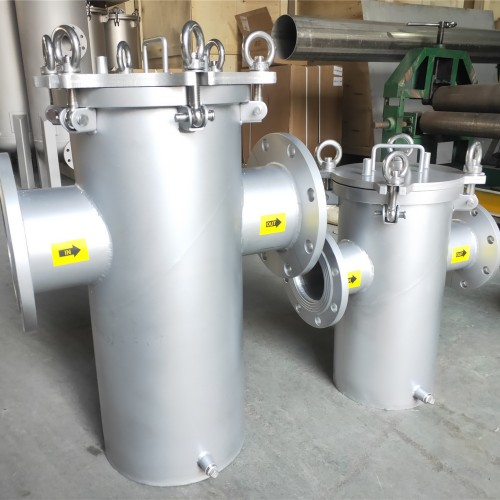
Introduction
Vertical check valves are critical components in fluid handling systems, designed to prevent backflow in pipelines. Unlike swing or lift check valves, vertical check valves utilize a poppet or disc that moves perpendicularly to the flow direction, making them particularly suitable for vertical pipeline installations. Their primary function is to ensure unidirectional flow, protecting pumps, compressors, and other sensitive equipment from reverse rotation or damage. They are commonly found in water treatment facilities, chemical processing plants, power generation, and various industrial applications. Performance is dictated by flow coefficient (Cv), pressure drop, sealing capability, and the ability to handle specific fluid characteristics (viscosity, temperature, presence of solids). A core industry pain point revolves around selecting the correct material compatibility to mitigate corrosion and erosion, especially in aggressive fluid environments. Ensuring minimal head loss and reliable sealing under fluctuating pressure conditions also presents ongoing engineering challenges.
Material Science & Manufacturing
The body of a vertical check valve is frequently constructed from materials like ductile iron (ASTM A536-83), stainless steel (304/316 – ASTM A276), or engineered polymers like PVC or CPVC (ASTM D1785). Ductile iron provides robust mechanical strength and corrosion resistance, particularly when coated with epoxy or fusion-bonded epoxy (FBE). Stainless steel is favored for highly corrosive environments and sanitary applications. The poppet/disc is commonly made from stainless steel, brass (ASTM B16), or ceramic materials, depending on the fluid handled and the required wear resistance. Manufacturing processes begin with casting or forging the body. Precision machining is then employed to create the valve seat, ensuring a tight seal. The poppet is typically produced through investment casting or machining and undergoes rigorous dimensional checks. Assembly involves careful alignment and testing of the spring mechanism, which controls the poppet's closing force. Key parameter control focuses on surface finish of the seating surfaces (Ra < 0.8µm is typical), concentricity of the poppet to the body bore, and spring rate calibration. Failure to maintain these parameters can lead to leakage or premature failure. Welding, when employed for joining components, must adhere to standards like AWS D1.1 to ensure structural integrity and prevent weld defects (porosity, cracking).
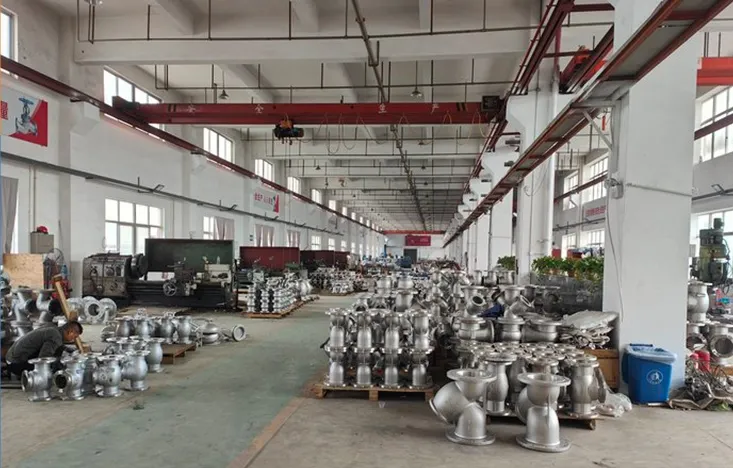
Performance & Engineering
The performance of a vertical check valve is fundamentally governed by fluid dynamics and mechanical stress analysis. Force analysis considers the pressure differential across the valve, the area of the poppet, and the spring force, determining the cracking pressure (the pressure at which the valve opens) and the closing pressure. Environmental resistance is critical; valves operating in extreme temperatures require materials with appropriate thermal expansion coefficients to prevent distortion and leakage. Compliance requirements are extensive, varying by industry and region. For potable water applications, NSF/ANSI 61 certification is mandatory, ensuring the valve doesn’t leach harmful contaminants. API 598 (Valve Inspection and Testing) dictates hydrostatic testing requirements to verify body integrity and seat tightness. Functional implementation necessitates careful consideration of flow rate, pressure drop, and fluid compatibility. Head loss calculations, based on Bernoulli's principle and the valve's flow coefficient, are essential for system design. Cavitation, a potential issue with high-velocity flows, must be avoided by selecting valves with appropriate port geometry and operating within specified flow limits. Fatigue analysis is crucial for valves subjected to cyclical pressure fluctuations, requiring consideration of material fatigue strength and stress concentration factors.
Technical Specifications
| Parameter | Unit | Material (Typical) | Performance Range (Typical) |
|---|---|---|---|
| Maximum Operating Pressure | psi | Ductile Iron/SS316 | Up to 250 psi |
| Temperature Range | °F | Various (based on seal material) | -20°F to 200°F |
| Valve Size | inches | Various | 0.5" to 12" |
| Flow Coefficient (Cv) | gal/min/psi | Various (based on design) | 2 to 500 |
| Leakage Rate | % of set point | PTFE/EPDM | <0.1% |
| Connection Type | - | Various | Flanged, Threaded, Socket Weld |
Failure Mode & Maintenance
Common failure modes in vertical check valves include seat erosion due to abrasive particles in the fluid, fatigue cracking of the spring or poppet under cyclical loading, and corrosion leading to body or component degradation. Failure analysis often reveals that improper material selection for the fluid environment is a primary cause of corrosion. Another frequent issue is the accumulation of debris under the poppet, preventing complete closure and causing leakage. Delamination of epoxy coatings on ductile iron bodies can also accelerate corrosion. Maintenance typically involves periodic inspection of the seat for wear and damage, replacement of the spring if it loses its tension, and cleaning to remove any accumulated debris. Preventative maintenance schedules should be established based on the severity of the operating environment and the fluid characteristics. For valves operating in corrosive environments, regular application of protective coatings and cathodic protection may be necessary. Lubrication of the valve stem (if applicable) is also recommended. When replacing components, it’s crucial to use OEM-approved parts to ensure compatibility and maintain the valve's performance characteristics. Proper torqueing of bolted connections is also essential to prevent leakage.
Industry FAQ
Q: What is the primary difference between a vertical check valve and a swing check valve in terms of pressure drop?
A: Vertical check valves generally exhibit a lower pressure drop compared to swing check valves, particularly at lower flow rates. This is due to the more direct flow path and the perpendicular motion of the poppet. Swing check valves, with their hinged disc, create more turbulence and flow restriction.
Q: How do I select the appropriate material for a vertical check valve used in a seawater application?
A: For seawater applications, materials like Super Duplex Stainless Steel (ASTM A933) or Alloy 20 are highly recommended due to their exceptional resistance to chloride-induced pitting and crevice corrosion. Alternatively, nickel-aluminum bronze (ASTM B148) offers excellent corrosion resistance but may be more costly.
Q: What is the significance of the spring rate in a vertical check valve?
A: The spring rate determines the cracking pressure and the speed at which the valve opens and closes. A higher spring rate results in a higher cracking pressure and faster closing speed, while a lower spring rate provides a lower cracking pressure and slower closing speed. Proper spring rate selection is crucial for optimizing valve performance and preventing water hammer.
Q: Can a vertical check valve be installed horizontally? What are the potential consequences?
A: While some vertical check valves can be installed horizontally, it is generally not recommended. Horizontal installation can lead to premature wear of the seating surfaces and reduced sealing efficiency. The poppet may not seat properly due to gravity, resulting in leakage. Always consult the manufacturer's specifications.
Q: What are the typical testing procedures performed on vertical check valves before shipment?
A: Typical testing procedures include hydrostatic shell testing (API 598) to verify body integrity, seat leakage testing (API 598) to ensure tight shutoff, and visual inspection for defects. Some manufacturers also perform flow capacity testing to verify the valve's Cv value and performance curve.
Conclusion
Vertical check valves represent a vital component in maintaining the integrity and efficiency of fluid handling systems. Their selection and implementation demand a thorough understanding of material science, fluid dynamics, and relevant industry standards. Addressing the core challenges of corrosion prevention, minimizing pressure drop, and ensuring reliable sealing are paramount to long-term performance and operational safety.
Future developments in vertical check valve technology will likely focus on advanced materials with enhanced corrosion resistance, optimized flow path designs to further reduce pressure loss, and the integration of smart sensors for real-time monitoring and predictive maintenance. These advancements will contribute to improved system reliability, reduced operating costs, and enhanced overall performance.
-
Top Reasons to Choose a Stainless Steel Flange Check Valve for Industrial Applications
-
electric check valve Performance Engineering
-
electric check valves Performance Analysis
-
Threaded Check Valves Performance Analysis
-
6 inch check valve Performance Analysis
-
8 check valve Performance Analysis
-
diaphragm check valve Material Science Manufacturing
-
dual plate check valve Performance Analysis
-
check valve 6 inch Material Science
-
diaphragm check valves Performance Analysis
-
dual plate check valves Performance Analysis
-
vertical check valves Material Science Manufacturing
-
8 check valves Performance Analysis
-
refrigeration check valves Performance Analysis
-
pilot check valve Performance Analysis
 Afrikaans
 Albanian
 Amharic
 Arabic
 Armenian
 Azerbaijani
 Basque
 Belarusian
 Bengali
 Bosnian
 Bulgarian
 Catalan
 Cebuano
 Corsican
 Croatian
 Czech
Czech
 Danish
 Dutch
Dutch
 Esperanto
 Estonian
 Finnish
 French
 Frisian
 Galician
 Georgian
 German
 Greek
Greek
 Gujarati
 Haitian Creole
 Hausa
Hawaiian
Hausa
Hawaiian
 Hebrew
 Hindi
Hindi
 Miao
Miao
 Hungarian
 Icelandic
 Igbo
Igbo
 Indonesian
 Irish
Irish
 Italian
 Japanese
 Javanese
Kannada
Javanese
Kannada
 Kazakh
 Khmer
Khmer
 Rwandese
 Korean
 Kurdish
 Kyrgyz
 Lao
Lao
 Latin
Latin
 Latvian
 Lithuanian
 Luxembourgish
 Macedonian
 Malgashi
 Malay
Malay
 Malayalam
 Maltese
 Maori
Maori
 Marathi
 Mongolian
 Myanmar
 Nepali
 Norwegian
 Norwegian
 Occitan
 Pashto
 Persian
 Polish
 Portuguese
Punjabi
Portuguese
Punjabi
 Romanian
 Russian
 Samoan
 Scottish Gaelic
 Serbian
 Sesotho
 Shona
Shona
 Sindhi
 Sinhala
 Slovak
 Slovenian
 Somali
 Spanish
 Sundanese
 Swahili
 Swedish
Tagalog
Swedish
Tagalog
 Tajik
Tajik
 Tamil
Tamil
 Tatar
Tatar
 Telugu
 Thai
Thai
 Turkish
 Turkmen
 Ukrainian
 Urdu
Urdu
 Uighur
 Uzbek
Uzbek
 Vietnamese
 Welsh
Welsh
 Bantu
Bantu
 Yiddish
 Yoruba
 Zulu
Zulu
 English