




wafer style check valves Performance Analysis
Introduction
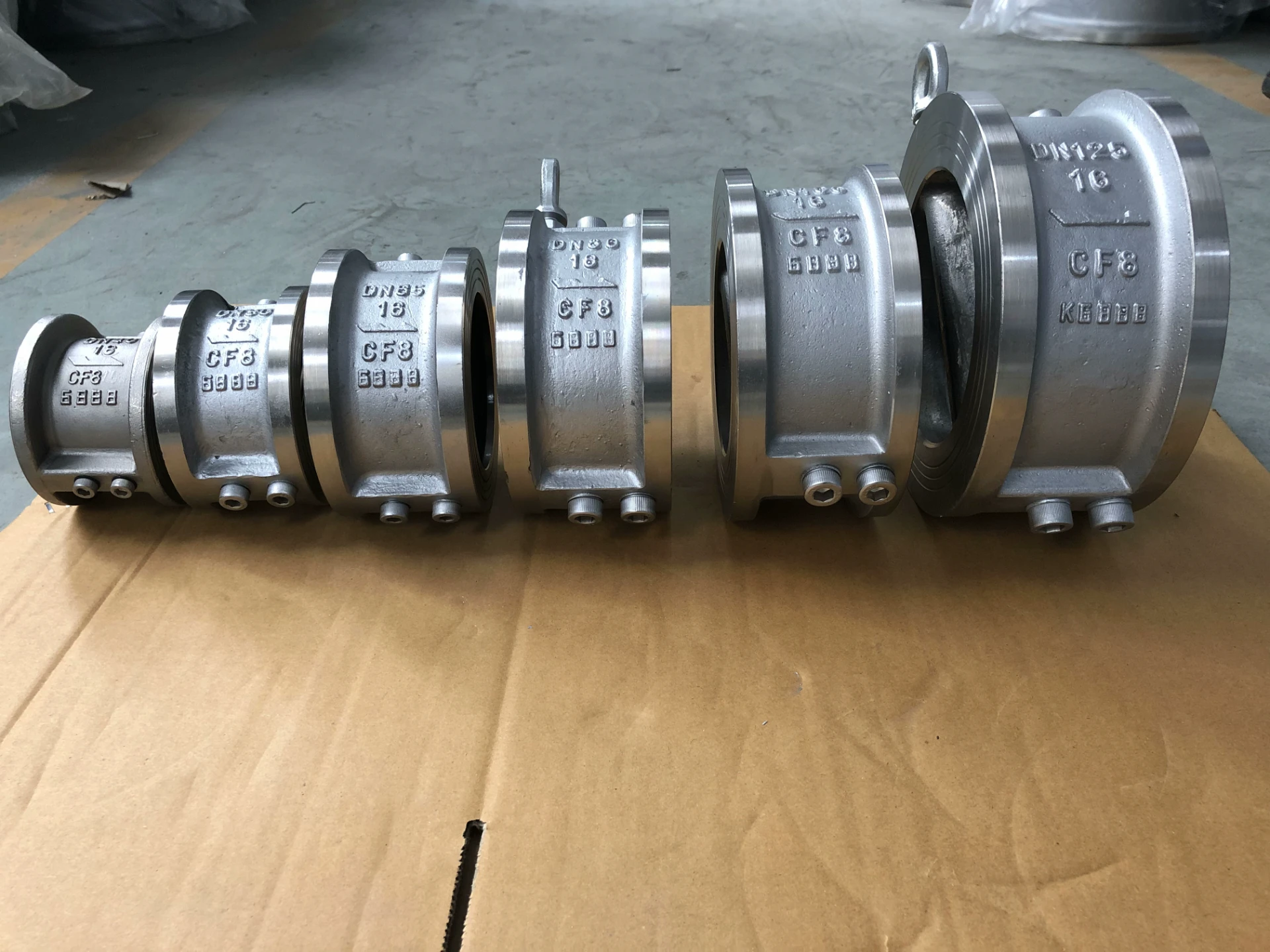
Wafer style check valves are integral components in pipeline systems, designed to prevent backflow of fluid media. Positioned within the industry chain between pump discharge and process equipment, or between sections of a complex piping network, they ensure unidirectional flow. Unlike swing or lift check valves, wafer style valves are characterized by their compact design, requiring minimal space and utilizing the pipeline’s existing bolt holes for installation. This valve type is primarily employed in applications demanding low pressure drop, rapid response times, and consistent flow control across a range of fluid types, including water, oil, gas, and corrosive chemicals. Core performance attributes include sealing efficiency, crack resistance under pressure, and resistance to fluid hammer effects. The selection of a suitable wafer check valve necessitates consideration of the fluid's characteristics, operating pressure, temperature, and the pipeline's material composition to prevent premature failure or system inefficiencies. A key industry pain point is maintaining consistent sealing performance over extended operational periods, particularly in harsh environments or with abrasive fluids. Selection criteria also revolve around minimizing head loss to maintain energy efficiency.
Material Science & Manufacturing
Wafer check valves are constructed from a variety of materials dictated by the service fluid and operating conditions. Common body materials include Ductile Iron (ASTM A536 65-45-12), Stainless Steel (304, 316, and Duplex grades conforming to ASTM A240), and engineered plastics like Polypropylene (PP) and Polyvinylidene Fluoride (PVDF). Disc materials frequently mirror body construction, although elastomer coatings (EPDM, Viton, PTFE) are commonly applied to enhance sealing capabilities and chemical compatibility. The manufacturing process begins with raw material sourcing and verification. Ductile iron undergoes a sand-casting process, followed by heat treatment to achieve desired mechanical properties. Stainless steel components are typically produced via investment casting or forging. Disc fabrication utilizes precision machining techniques to ensure tight tolerances and smooth surface finishes. Critical manufacturing parameters include casting temperature control (for ductile iron), annealing temperature (for stainless steel), and surface roughness (Ra values typically less than 0.8 μm for sealing surfaces). Elastomer bonding to the disc employs vulcanization processes, meticulously controlling temperature and pressure to ensure a durable, leak-proof seal. Wafer-style valve bodies often involve CNC machining for accurate bolt hole patterns and flange face preparation, ensuring proper alignment within the pipeline. Quality control is paramount, utilizing non-destructive testing methods like liquid penetrant inspection (LPI) and radiographic testing (RT) to identify defects and ensure structural integrity. The selection of gasket materials (typically EPDM, Viton, or PTFE) is based on chemical resistance charts and temperature limitations.
Performance & Engineering
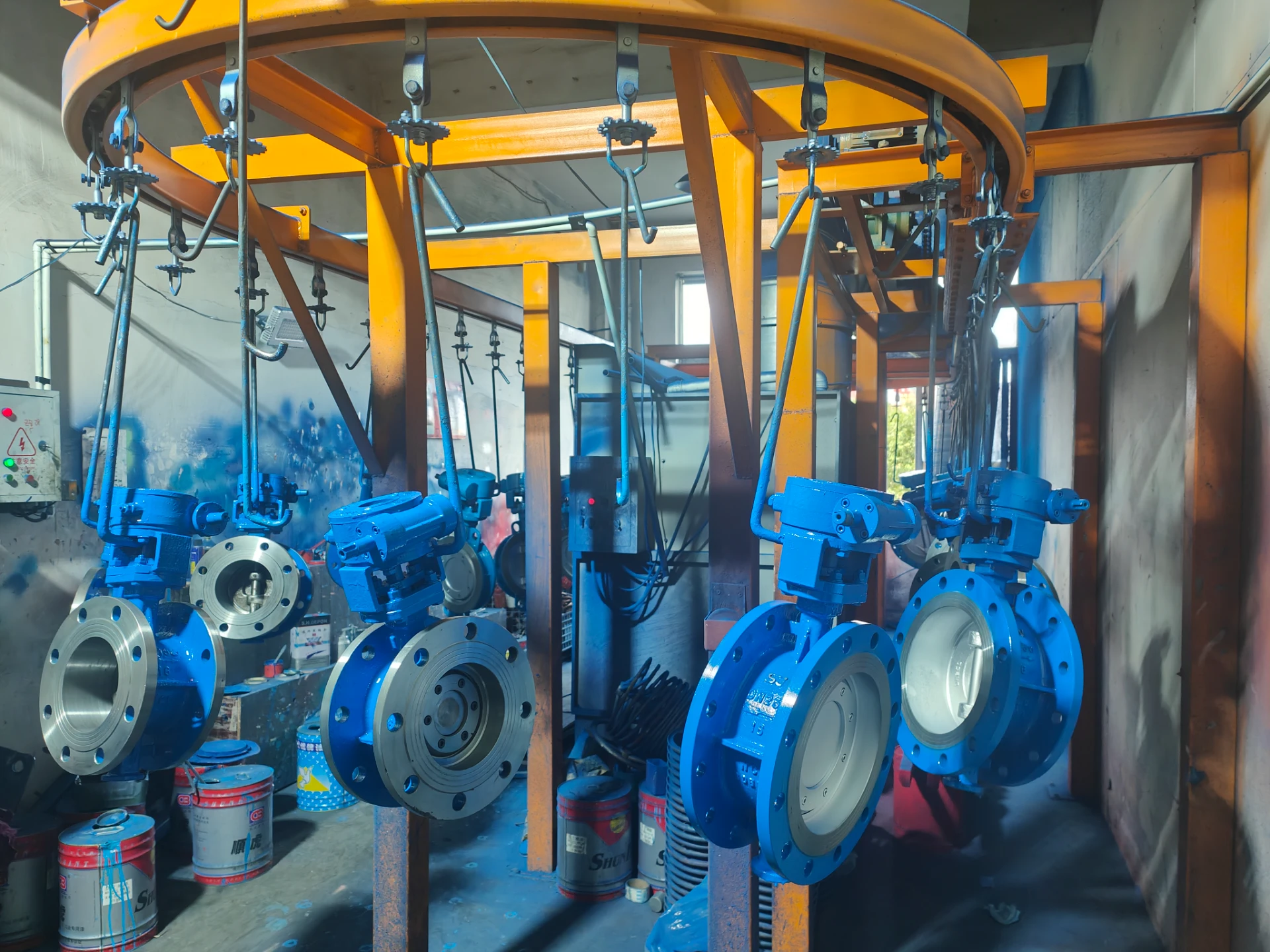
The performance of a wafer check valve is governed by several engineering principles. Force analysis centers on pressure differentials across the disc, resulting in a closing force proportional to the upstream pressure and the disc area. This force must overcome the spring force (in spring-loaded designs) and any frictional resistance to ensure positive shut-off. Environmental resistance is a critical factor, particularly concerning corrosion. Stainless steel alloys provide superior resistance to corrosion in aggressive environments, while elastomer selection must align with the chemical compatibility of the fluid. Finite Element Analysis (FEA) is employed to optimize disc geometry and body thickness, minimizing stress concentrations and preventing fatigue failure under cyclic loading. Compliance requirements vary by region and application. For potable water systems, valves must comply with NSF/ANSI 61 standards to ensure they do not leach harmful contaminants. Oil and gas applications necessitate compliance with API 6D and API 598 standards regarding performance testing and leak tightness. Functional implementation relies on precise disc-to-seat contact. Disc designs vary – flat, tapered, or angled – each impacting flow characteristics and sealing performance. Spring-loaded designs offer faster response times and improved low-flow performance but may exhibit increased wear. Head loss calculations are crucial for system efficiency; minimizing flow restrictions translates to reduced energy consumption. Understanding fluid dynamics, specifically the coefficient of discharge (Cd), is essential for accurate pressure drop predictions. Cavitation, a potential issue with high-velocity fluids, can erode valve components; proper sizing and flow control mitigate this risk.
Technical Specifications
| Parameter | Units | Specification Range | Typical Application |
|---|---|---|---|
| Maximum Operating Pressure | PSI | Up to 250 | Water distribution, Industrial processes |
| Operating Temperature | °F | -20 to 200 | General purpose applications |
| Valve Size | Inches | 2 to 48 | Pipeline diameters |
| Connection Type | - | Wafer (ANSI/ASME B16.5) | Standard pipeline connections |
| Material (Body) | - | Ductile Iron, Stainless Steel 304/316 | Fluid compatibility & Corrosion Resistance |
| Material (Disc/Seat) | - | Stainless Steel, EPDM, Viton, PTFE | Sealing & Chemical Compatibility |
Failure Mode & Maintenance
Wafer check valves are susceptible to several failure modes. Fatigue cracking, particularly in ductile iron bodies, can occur under cyclic loading due to stress concentrations around bolt holes. Delamination of elastomer coatings from the disc is common, stemming from inadequate bonding or exposure to incompatible chemicals. Corrosion, especially in stainless steel components lacking proper passivation, leads to pitting and eventual perforation. Erosion, caused by abrasive particles in the fluid stream, degrades sealing surfaces and reduces valve lifespan. Oxidation of metallic components, especially at elevated temperatures, weakens material strength and promotes corrosion. A key failure point is seat damage from solid particle impingement. Maintenance protocols involve regular visual inspections for signs of corrosion, cracking, or coating degradation. Periodic testing of leak tightness is crucial, utilizing pressure testing procedures aligned with API 598. Preventative maintenance includes lubricating disc hinges (in designs with hinges) and replacing elastomer seals at recommended intervals (typically annually or based on operating hours). For valves exhibiting leakage, the seat should be inspected for damage and either resurfaced or replaced. If fatigue cracking is detected, the valve must be removed from service and replaced. Proper storage conditions are essential; valves should be stored in a dry, protected environment to prevent corrosion. Regularly verifying bolt torque ensures consistent sealing pressure and prevents flange leaks.
Industry FAQ
Q: What is the primary difference between a wafer check valve and a swing check valve in terms of head loss?
A: Wafer check valves generally exhibit lower head loss compared to swing check valves. Swing check valves have a more significant obstruction to flow due to the swing arm and disc geometry, resulting in greater energy dissipation. Wafer check valves, with their streamlined disc design, minimize flow disruption and reduce pressure drop, enhancing overall system efficiency.
Q: How does the choice of elastomer affect the valve's compatibility with different fluids?
A: Elastomer selection is critical for fluid compatibility. EPDM offers excellent resistance to water, steam, and many chemicals, but limited oil resistance. Viton provides superior resistance to oils, fuels, and high temperatures. PTFE is universally chemically resistant but may exhibit lower resilience and sealing force. Careful consideration of the fluid's composition, temperature, and pressure is essential to avoid elastomer swelling, degradation, or failure.
Q: What are the implications of using a wafer check valve in a pulsating flow application?
A: Pulsating flow can induce fatigue in wafer check valve components, particularly the disc and body. The repeated opening and closing cycles subject the valve to cyclic stress. Mitigation strategies include selecting a valve with a robust disc design, utilizing a spring-assisted closure mechanism for faster response, and employing a pulsation dampener upstream of the valve to reduce flow fluctuations.
Q: Can wafer check valves be installed horizontally or vertically, and does orientation affect performance?
A: Wafer check valves can generally be installed in either horizontal or vertical orientations. However, vertical installation with flow upwards is preferred to minimize the accumulation of solids beneath the disc, which can impede closure. Horizontal installation requires ensuring sufficient clearance beneath the valve for maintenance and inspection. Orientation does not significantly affect performance when properly installed.
Q: What are the typical failure modes associated with the bolt holes in a wafer-style valve?
A: Common failure modes associated with the bolt holes include bolt hole elongation, stripping of threads, and cracking of the valve body around the bolt holes. These failures are often caused by improper torqueing during installation, excessive vibration, or corrosion. Regular inspection of bolt tightness and the use of appropriate gasket materials are crucial for preventing these failures.
Conclusion
Wafer style check valves represent a vital element in fluid handling systems, offering a compact, efficient solution for preventing backflow. Their performance hinges on meticulous material selection, precise manufacturing processes, and adherence to stringent industry standards. Understanding the inherent failure modes and implementing proactive maintenance strategies are crucial for maximizing valve lifespan and ensuring operational reliability. The ongoing trend towards lighter, more durable materials and advanced sealing technologies promises further improvements in wafer check valve performance and sustainability.
Selecting the appropriate wafer check valve necessitates a holistic assessment of the application’s specific requirements, including fluid characteristics, operating conditions, and regulatory compliance. Future innovations will likely focus on incorporating smart sensors for real-time performance monitoring and predictive maintenance capabilities, optimizing valve operation and minimizing downtime. The integration of digital twin technology will facilitate virtual testing and optimization of valve designs, accelerating product development and enhancing system performance.
-
Top Reasons to Choose a Stainless Steel Flange Check Valve for Industrial Applications
-
teejet check valve Performance Analysis
-
8 inch check valve Performance Analysis
-
wafer style check valves Performance Analysis
-
3 4 spring check valve Performance Analysis
-
butterfly check valves Performance Analysis
-
electric check valve Performance Engineering
-
electric check valves Performance Analysis
-
Threaded Check Valves Performance Analysis
-
6 inch check valve Performance Analysis
-
8 check valve Performance Analysis
-
diaphragm check valve Material Science Manufacturing
-
dual plate check valve Performance Analysis
-
check valve 6 inch Material Science
-
diaphragm check valves Performance Analysis
 Afrikaans
 Albanian
 Amharic
 Arabic
 Armenian
 Azerbaijani
 Basque
 Belarusian
 Bengali
 Bosnian
 Bulgarian
 Catalan
 Cebuano
 Corsican
 Croatian
 Czech
Czech
 Danish
 Dutch
Dutch
 Esperanto
 Estonian
 Finnish
 French
 Frisian
 Galician
 Georgian
 German
 Greek
Greek
 Gujarati
 Haitian Creole
 Hausa
Hawaiian
Hausa
Hawaiian
 Hebrew
 Hindi
Hindi
 Miao
Miao
 Hungarian
 Icelandic
 Igbo
Igbo
 Indonesian
 Irish
Irish
 Italian
 Japanese
 Javanese
Kannada
Javanese
Kannada
 Kazakh
 Khmer
Khmer
 Rwandese
 Korean
 Kurdish
 Kyrgyz
 Lao
Lao
 Latin
Latin
 Latvian
 Lithuanian
 Luxembourgish
 Macedonian
 Malgashi
 Malay
Malay
 Malayalam
 Maltese
 Maori
Maori
 Marathi
 Mongolian
 Myanmar
 Nepali
 Norwegian
 Norwegian
 Occitan
 Pashto
 Persian
 Polish
 Portuguese
Punjabi
Portuguese
Punjabi
 Romanian
 Russian
 Samoan
 Scottish Gaelic
 Serbian
 Sesotho
 Shona
Shona
 Sindhi
 Sinhala
 Slovak
 Slovenian
 Somali
 Spanish
 Sundanese
 Swahili
 Swedish
Tagalog
Swedish
Tagalog
 Tajik
Tajik
 Tamil
Tamil
 Tatar
Tatar
 Telugu
 Thai
Thai
 Turkish
 Turkmen
 Ukrainian
 Urdu
Urdu
 Uighur
 Uzbek
Uzbek
 Vietnamese
 Welsh
Welsh
 Bantu
Bantu
 Yiddish
 Yoruba
 Zulu
Zulu
 English