




butterfly check valves Performance Analysis
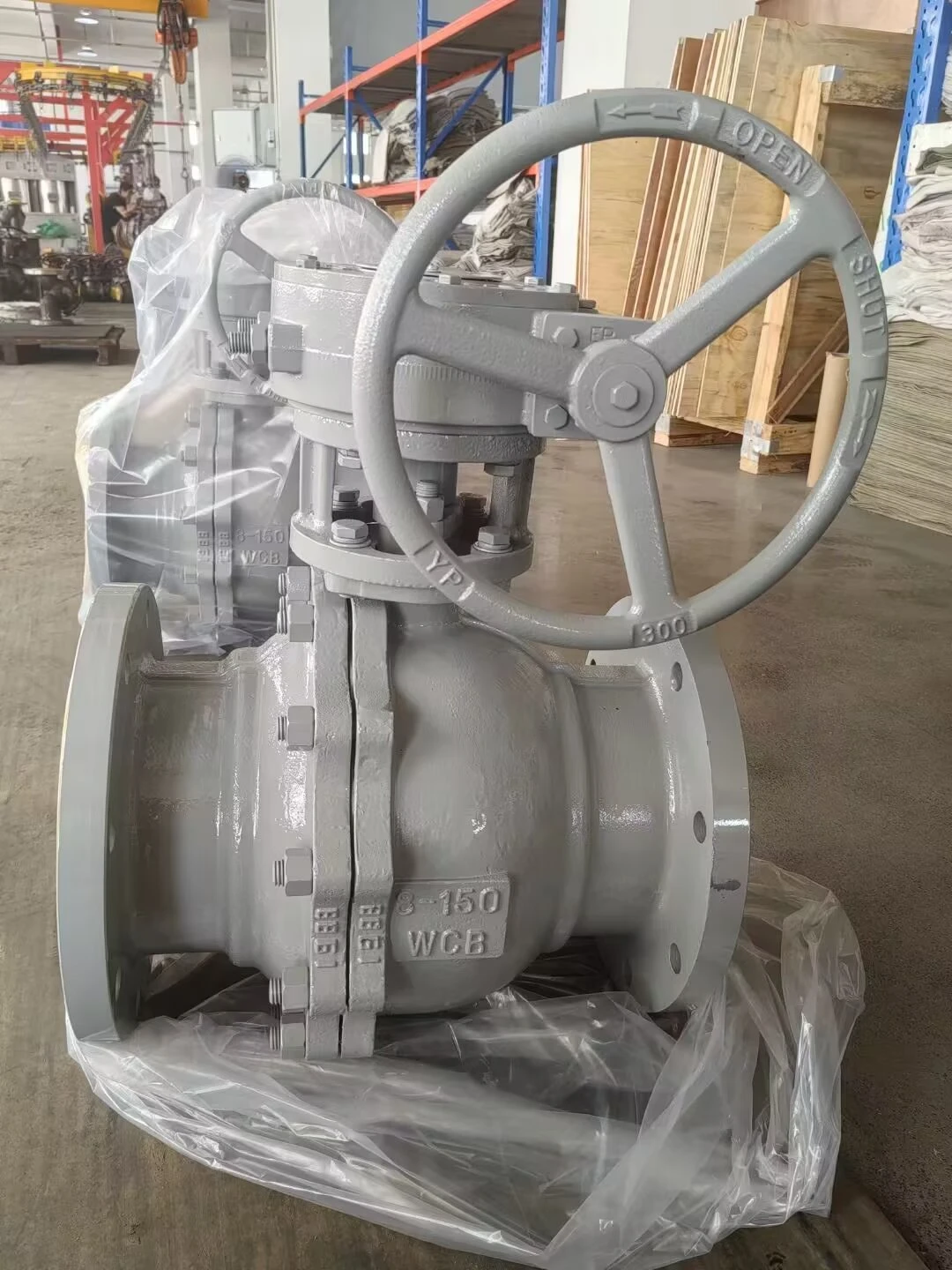
Introduction
Butterfly check valves are unidirectional flow control devices utilized extensively across numerous industries including water treatment, chemical processing, power generation, and oil & gas. They function by permitting fluid flow in a single direction while automatically preventing backflow. Positioned within pipeline systems, these valves are crucial for protecting pumps, compressors, and other sensitive equipment from reverse flow conditions, ensuring operational integrity and safety. Unlike other check valve types (swing, lift), butterfly check valves utilize a disc hinged within the valve body. The disc is opened by the forward flow and automatically closes when the flow stops or reverses. Key performance characteristics include low pressure drop, compact design, and relatively lightweight construction. A significant industry pain point is material selection for corrosive environments, directly impacting valve lifespan and maintenance costs. Furthermore, achieving tight sealing at varying pressures and temperatures presents a continuous engineering challenge.
Material Science & Manufacturing
The valve body is commonly manufactured from ductile iron (ASTM A536 65-45-12), stainless steel (304/316 – ASTM A240), or engineered polymers like PVC or CPVC. Ductile iron provides a cost-effective solution for many applications but requires internal coatings (epoxy, fusion-bonded epoxy) to resist corrosion. Stainless steel offers superior corrosion resistance, especially 316, which contains molybdenum. The disc material often mirrors the body material, though specialized alloys like Hastelloy may be used for highly corrosive fluids. Manufacturing processes begin with casting or forging for metal bodies. Critical parameters during casting include mold temperature, cooling rate, and alloy composition to ensure proper microstructure and minimize defects like porosity. The disc is typically manufactured via investment casting or machining from bar stock. Seating materials commonly include EPDM, PTFE, or Viton, selected based on fluid compatibility and temperature requirements. Precise machining of the disc and seat is paramount to achieving a leak-tight seal. Welding (for steel valves) is performed according to ASME Section IX standards, with careful control of heat input and shielding gas to prevent distortion and maintain material properties. Polymer valves are typically manufactured via injection molding, requiring precise mold design and temperature control to ensure dimensional accuracy and material homogeneity. Quality control involves hydrostatic testing, visual inspection, and non-destructive testing (NDT) such as dye penetrant inspection for detecting surface cracks.
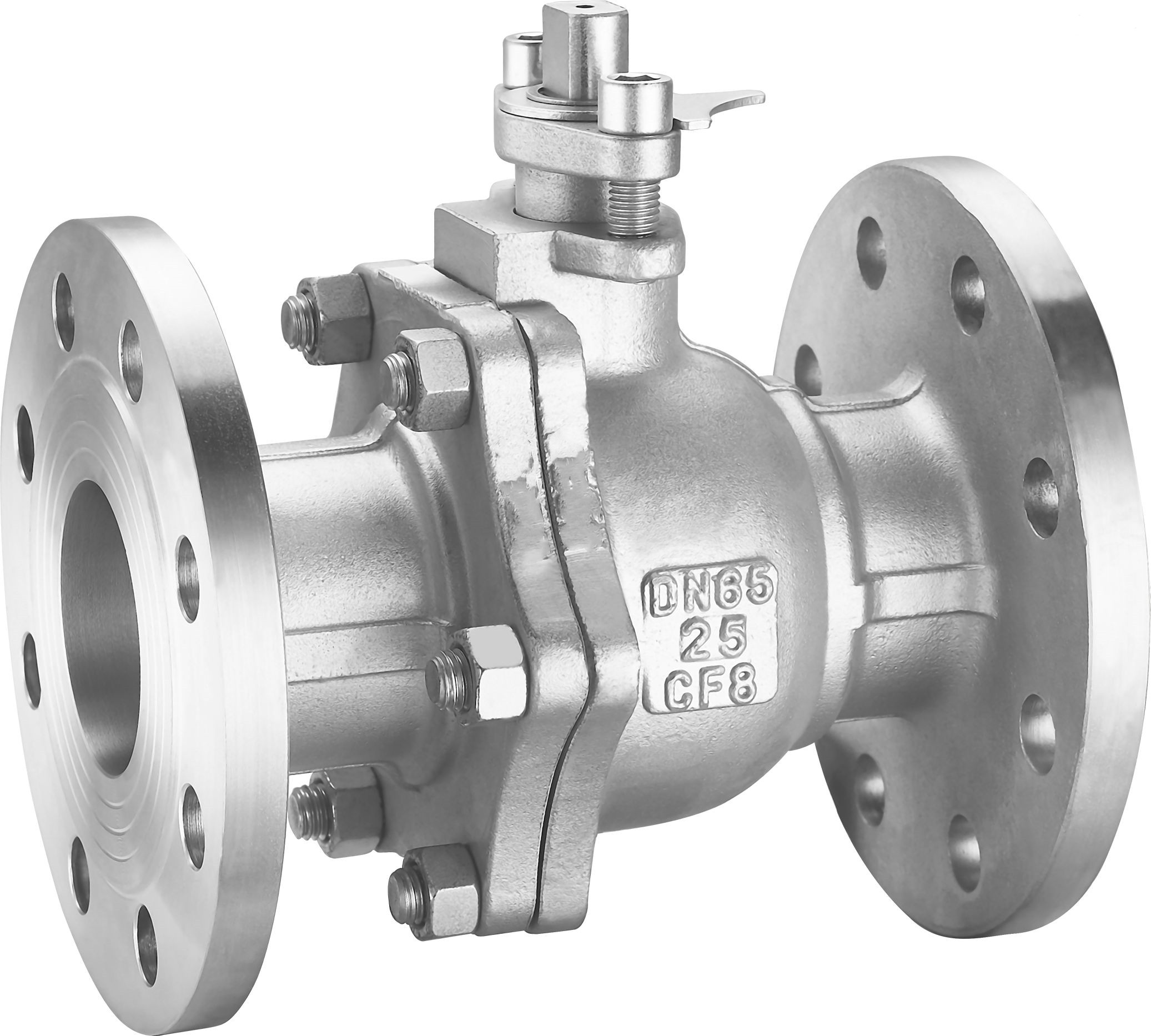
Performance & Engineering
Performance is dictated by flow coefficient (Cv), pressure drop, and sealing characteristics. The flow coefficient quantifies the valve's capacity to pass fluid at a given pressure drop. Pressure drop is minimized by the streamlined disc design, but increases with flow rate. Engineering analysis focuses on stress analysis of the disc under maximum differential pressure. Finite Element Analysis (FEA) is employed to optimize disc thickness and hinge design, preventing fatigue failure. Environmental resistance is a key consideration. Valves operating in outdoor environments must withstand UV exposure, temperature fluctuations, and potential for icing. Material selection plays a vital role; for example, EPDM seals can degrade with prolonged UV exposure, necessitating the use of Viton or specialized UV-resistant polymers. Compliance requirements vary by industry. Potable water applications demand compliance with NSF/ANSI 61 standards, ensuring that materials do not leach harmful contaminants into the water supply. Oil & gas applications require adherence to API 6D standards, encompassing design, manufacturing, and testing protocols. Furthermore, fluid velocity must be carefully controlled to prevent erosion of the disc and seat, particularly when handling abrasive slurries. Cavitation, caused by rapid pressure drop, is another concern that can lead to premature valve failure; proper valve sizing and flow control are crucial to mitigate this risk.
Technical Specifications
| Parameter | Unit | Ductile Iron w/ EPDM | 316 Stainless Steel w/ Viton |
|---|---|---|---|
| Maximum Pressure | PSI | 250 | 500 |
| Temperature Range | °F | -20 to 250 | -20 to 400 |
| Connection Type | - | Flanged, Wafer | Flanged, Wafer, Threaded |
| Size Range | Inches | 2 - 24 | 2 - 48 |
| Flow Coefficient (Cv) @ 1 PSI | Gallons per Minute | 50 - 500 (Varies by size) | 75 - 750 (Varies by size) |
| Leakage Rate (Seat Class V) | mL/min/inch of seat diameter | <0.1 | <0.1 |
Failure Mode & Maintenance
Common failure modes include seat erosion due to particulate matter in the fluid, disc corrosion (particularly in aggressive chemical environments), hinge fatigue leading to disc detachment, and seal degradation resulting in leakage. Fatigue cracking is initiated by cyclical stress on the disc, exacerbated by high flow rates and pressure fluctuations. Delamination of internal coatings in ductile iron valves exposes the iron to corrosion. Degradation of elastomeric seals (EPDM, Viton) occurs due to chemical attack, temperature extremes, and UV exposure. Oxidation of stainless steel can occur in environments with limited oxygen availability. Regular maintenance includes visual inspection for corrosion, leaks, and mechanical damage. Periodic testing of the seal is recommended using a pressure test. Lubrication of the hinge mechanism (if applicable) can prevent seizing. For valves operating in critical applications, a preventative maintenance schedule should be implemented, including scheduled disassembly and inspection of internal components. If seat erosion is detected, replacement of the disc and seat is necessary. Corrosion can be mitigated by applying protective coatings or upgrading to more corrosion-resistant materials. In cases of hinge fatigue, the entire valve should be replaced. Proper storage of spare parts is essential to minimize downtime.
Industry FAQ
Q: What is the impact of fluid velocity on butterfly check valve lifespan?
A: Excessive fluid velocity significantly reduces lifespan. High velocity increases the risk of erosion on the disc and seat, especially when handling abrasive fluids. Cavitation can also occur, causing pitting and damage to the valve internals. Proper valve sizing and flow control are critical to maintaining optimal fluid velocity and preventing premature failure.
Q: How do I select the appropriate seal material for a specific chemical application?
A: Seal material selection requires careful consideration of chemical compatibility. Consult a chemical resistance chart to determine the suitability of EPDM, Viton, PTFE, or other materials based on the fluid's chemical composition, concentration, and temperature. Incorrect seal material can lead to swelling, degradation, and leakage.
Q: What are the advantages of a wafer-type butterfly check valve compared to a flanged design?
A: Wafer-type valves are lighter, more compact, and generally less expensive than flanged designs. They require less space and are easier to install. However, flanged valves offer greater structural integrity and are better suited for high-pressure applications.
Q: What maintenance procedures are recommended for ductile iron valves to prevent corrosion?
A: Regular inspection for coating damage is crucial. Any scratches or abrasions should be repaired with an appropriate epoxy coating. Internal inspection should be performed periodically to assess the condition of the coating and the iron substrate. Consider upgrading to a valve with a more robust coating (e.g., fusion-bonded epoxy) for harsh environments.
Q: What is the significance of the 'Seat Class' rating for a butterfly check valve?
A: The Seat Class rating (e.g., Class V, Class VI) defines the allowable leakage rate. Lower class numbers indicate tighter sealing. Class V is a common standard for minimizing leakage, while Class VI offers even tighter sealing for critical applications. Selecting the appropriate Seat Class is crucial for applications where leakage is unacceptable.
Conclusion
Butterfly check valves represent a versatile and cost-effective solution for unidirectional flow control across a diverse range of industries. Successful implementation hinges on meticulous material selection, adhering to stringent manufacturing standards, and implementing proactive maintenance strategies. Understanding the potential failure modes – including corrosion, erosion, and seal degradation – is paramount to ensuring long-term reliability and operational efficiency.
The continued advancement in materials science, particularly in the development of high-performance polymers and corrosion-resistant alloys, will further enhance the capabilities and longevity of butterfly check valves. Integration of smart monitoring technologies, such as vibration sensors and pressure transducers, can enable predictive maintenance, minimizing downtime and optimizing valve performance. Selecting the correct valve for a specific application will significantly reduce lifecycle costs and improve overall system reliability.
-
Top Reasons to Choose a Stainless Steel Flange Check Valve for Industrial Applications
-
teejet check valve Performance Analysis
-
8 inch check valve Performance Analysis
-
wafer style check valves Performance Analysis
-
3 4 spring check valve Performance Analysis
-
butterfly check valves Performance Analysis
-
electric check valve Performance Engineering
-
electric check valves Performance Analysis
-
Threaded Check Valves Performance Analysis
-
6 inch check valve Performance Analysis
-
8 check valve Performance Analysis
-
diaphragm check valve Material Science Manufacturing
-
dual plate check valve Performance Analysis
-
check valve 6 inch Material Science
-
diaphragm check valves Performance Analysis
 Afrikaans
 Albanian
 Amharic
 Arabic
 Armenian
 Azerbaijani
 Basque
 Belarusian
 Bengali
 Bosnian
 Bulgarian
 Catalan
 Cebuano
 Corsican
 Croatian
 Czech
Czech
 Danish
 Dutch
Dutch
 Esperanto
 Estonian
 Finnish
 French
 Frisian
 Galician
 Georgian
 German
 Greek
Greek
 Gujarati
 Haitian Creole
 Hausa
Hawaiian
Hausa
Hawaiian
 Hebrew
 Hindi
Hindi
 Miao
Miao
 Hungarian
 Icelandic
 Igbo
Igbo
 Indonesian
 Irish
Irish
 Italian
 Japanese
 Javanese
Kannada
Javanese
Kannada
 Kazakh
 Khmer
Khmer
 Rwandese
 Korean
 Kurdish
 Kyrgyz
 Lao
Lao
 Latin
Latin
 Latvian
 Lithuanian
 Luxembourgish
 Macedonian
 Malgashi
 Malay
Malay
 Malayalam
 Maltese
 Maori
Maori
 Marathi
 Mongolian
 Myanmar
 Nepali
 Norwegian
 Norwegian
 Occitan
 Pashto
 Persian
 Polish
 Portuguese
Punjabi
Portuguese
Punjabi
 Romanian
 Russian
 Samoan
 Scottish Gaelic
 Serbian
 Sesotho
 Shona
Shona
 Sindhi
 Sinhala
 Slovak
 Slovenian
 Somali
 Spanish
 Sundanese
 Swahili
 Swedish
Tagalog
Swedish
Tagalog
 Tajik
Tajik
 Tamil
Tamil
 Tatar
Tatar
 Telugu
 Thai
Thai
 Turkish
 Turkmen
 Ukrainian
 Urdu
Urdu
 Uighur
 Uzbek
Uzbek
 Vietnamese
 Welsh
Welsh
 Bantu
Bantu
 Yiddish
 Yoruba
 Zulu
Zulu
 English