




cast iron check valves Performance Analysis
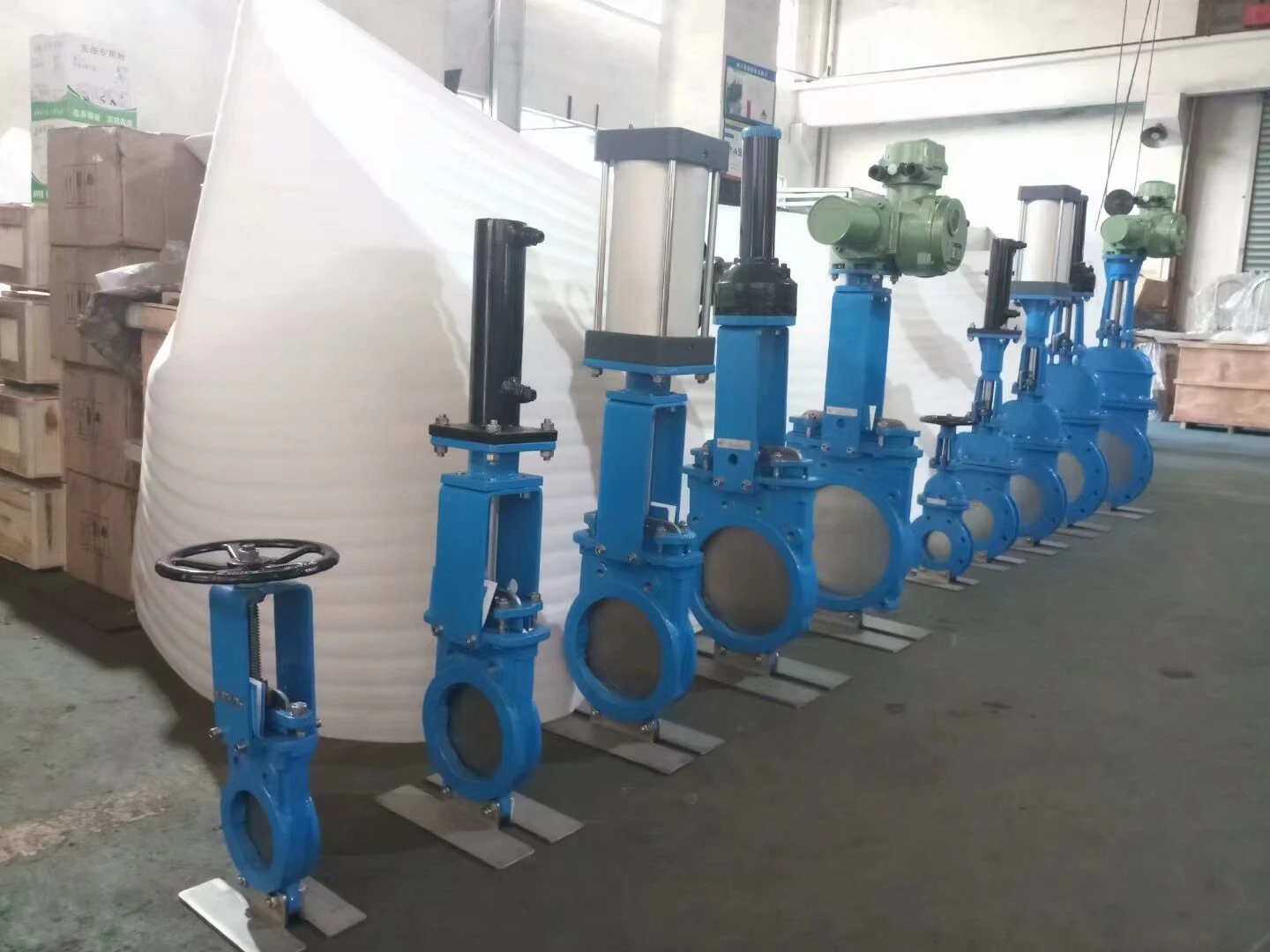
Introduction
Cast iron check valves are critical components in fluid handling systems, designed to prevent backflow and maintain unidirectional flow. Positioned within the broader industrial valve landscape – encompassing gate, globe, ball, and butterfly valves – check valves specifically fulfill a passive safety function, requiring no external control mechanism. They are integral to processes across numerous industries including water treatment, wastewater management, power generation, and oil & gas, ensuring system integrity and operational efficiency. The performance of these valves hinges on material selection, manufacturing precision, and adherence to stringent industry standards. This guide provides a comprehensive technical overview of cast iron check valves, covering material science, manufacturing processes, performance characteristics, potential failure modes, and relevant industry regulations.
Material Science & Manufacturing
The primary material for cast iron check valves is gray cast iron, owing to its cost-effectiveness, machinability, and inherent damping characteristics. Gray cast iron typically contains 2.0-4.0% carbon, primarily in the form of graphite flakes. This microstructure contributes to the material’s good wear resistance and vibration absorption but limits its tensile strength and ductility. Valve bodies may also utilize ductile cast iron (also known as nodular cast iron), containing magnesium or cerium to form spheroidal graphite inclusions. Ductile iron exhibits significantly improved tensile strength, ductility, and impact resistance compared to gray cast iron. Manufacturing typically involves sand casting. The process begins with creating a mold using a pattern replicating the valve body. Molten cast iron is poured into the mold cavity, allowed to solidify, and then the casting undergoes fettling, including removing risers, gates, and runners, followed by cleaning and surface preparation. Critical parameters during casting include melt temperature (typically 1200-1400°C), pouring rate, and cooling rate. The valve disc is often manufactured from bronze or stainless steel to enhance corrosion resistance and sealing capabilities. Joining the disc to the valve body frequently utilizes mechanical fastening with bronze screws or, in some designs, brazing processes to ensure a robust and leak-proof connection. Post-manufacturing, valves undergo hydrostatic testing to verify pressure integrity and seat leakage.
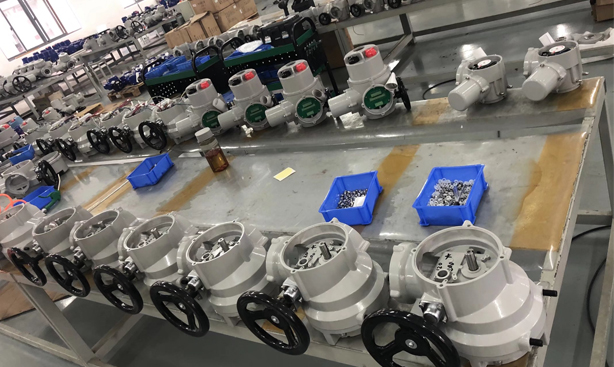
Performance & Engineering
The core function of a check valve is to prevent reverse flow, and performance is evaluated based on several engineering parameters. The cracking pressure, the minimum upstream pressure required to open the valve, is critical. Lower cracking pressures minimize energy loss but can increase susceptibility to water hammer. The flow coefficient (Cv) quantifies the valve’s capacity to pass fluid at a given pressure drop. Valves are subjected to pressure-temperature ratings, defined by standards like ANSI/FCI 70-2. Engineering considerations include fluid dynamics analysis to optimize valve geometry and minimize turbulence, thereby reducing head loss. Fatigue analysis is crucial, particularly in pulsating flow applications, to prevent disc cracking or seat failure. Environmental resistance is also paramount. Cast iron, while possessing inherent corrosion resistance in some fluids, can be susceptible to corrosion in acidic or saline environments. Protective coatings, such as epoxy or fusion-bonded epoxy (FBE), are frequently applied to enhance corrosion resistance. Seat materials selection is dictated by fluid compatibility; resilient seats (e.g., EPDM, NBR) are used for abrasive fluids or to achieve tight shut-off, while metal-to-metal seats are employed for high-temperature or corrosive applications. Valve actuation, whether swing, lift, or tilting disc, affects flow characteristics and response time. Swing check valves are commonly used for low-velocity applications, while lift check valves offer faster response times in high-velocity systems.
Technical Specifications
| Parameter | Gray Cast Iron (ASTM A126 Class 30) | Ductile Cast Iron (ASTM A536 65-45-12) | Bronze (B148 C95500) - Disc Material |
|---|---|---|---|
| Tensile Strength (MPa) | 205-345 | 414-552 | 414-552 |
| Yield Strength (MPa) | 138-207 | 276-345 | 276-345 |
| Hardness (Brinell) | 180-240 | 170-255 | 80-100 |
| Corrosion Resistance | Moderate (requires coating) | Good (better than gray iron) | Excellent (in many fluids) |
| Maximum Operating Pressure (PSI) | 125-250 (dependent on size & design) | 200-400 (dependent on size & design) | N/A (disc material, depends on valve body) |
| Temperature Range (°C) | -20 to 120 | -40 to 200 | -30 to 150 |
Failure Mode & Maintenance
Cast iron check valves are susceptible to several failure modes. Corrosion is a primary concern, particularly in aggressive fluid environments, leading to body erosion and disc deterioration. Cracking can occur due to fatigue from cyclical loading, especially in systems with water hammer. Seat erosion, particularly with abrasive fluids, results in leakage. Disc sticking, often caused by debris accumulation or corrosion products, prevents proper valve closure. Bolted bonnet joints can loosen over time due to vibration and thermal cycling, leading to leakage. Failure analysis typically involves visual inspection for cracks, corrosion, and erosion. Non-destructive testing (NDT) methods, such as liquid penetrant testing and ultrasonic testing, can detect subsurface defects. Maintenance procedures include regular inspection for corrosion and wear, cleaning to remove debris, and tightening of bolted connections. Periodic replacement of seats and discs is necessary when erosion or damage is evident. Lubrication of the disc hinge (for swing check valves) can prevent sticking. Proper valve selection, considering fluid compatibility and operating conditions, is crucial to prevent premature failure. Regular preventative maintenance, coupled with thorough failure analysis when issues arise, extends valve life and minimizes downtime.
Industry FAQ
Q: What are the key differences between swing and lift check valves in terms of application suitability?
A: Swing check valves excel in low-velocity applications with clean fluids, where minimal pressure drop is desired. Their design promotes laminar flow, reducing energy loss. However, they are prone to water hammer and may not function reliably in pulsating flow. Lift check valves are better suited for high-velocity applications and systems experiencing pulsating flow. Their positive seating action provides a tighter shut-off, and they are less susceptible to water hammer. However, they generally exhibit higher pressure drop compared to swing check valves.
Q: How does the graphite flake size in gray cast iron affect its mechanical properties and corrosion resistance?
A: Smaller graphite flakes in gray cast iron lead to improved tensile strength and ductility, as the flakes offer less stress concentration points. Conversely, larger flakes result in lower mechanical properties but enhance machinability. Corrosion resistance is generally unaffected by flake size but is primarily influenced by the iron matrix composition and any applied coatings.
Q: What considerations should be made when selecting a seat material for a cast iron check valve handling abrasive slurries?
A: For abrasive slurries, resilient seats such as EPDM or NBR are often preferred over metal seats due to their ability to conform to minor imperfections and provide a tighter seal. However, these resilient materials have limited abrasion resistance themselves. Consider reinforced elastomers or ceramic-filled elastomers to enhance durability. Regular inspection and replacement of the seat are critical in abrasive service.
Q: What are the advantages of using ductile iron over gray cast iron for check valve bodies in demanding applications?
A: Ductile iron offers significantly higher tensile strength, ductility, and impact resistance compared to gray cast iron, making it suitable for applications involving higher pressures, temperatures, and shock loads. Its improved ductility reduces the risk of brittle fracture. While more expensive than gray cast iron, the increased reliability and lifespan of ductile iron valves often justify the higher initial cost.
Q: What are some common coating options used to enhance the corrosion resistance of cast iron check valves, and what are their respective limitations?
A: Common coatings include epoxy, fusion-bonded epoxy (FBE), and zinc-rich primers. Epoxy coatings provide a good barrier against corrosion but are susceptible to damage from impact or abrasion. FBE offers superior adhesion and corrosion resistance but requires careful application and curing. Zinc-rich primers provide cathodic protection, sacrificing the zinc to protect the cast iron, but require an overcoat for long-term performance. The selection of coating depends on the specific fluid, operating temperature, and potential for mechanical damage.
Conclusion
Cast iron check valves remain a cornerstone of fluid handling systems across a wide range of industries, balancing cost-effectiveness with reliable backflow prevention. Understanding the nuances of material science – particularly the distinctions between gray and ductile cast iron – is paramount for appropriate valve selection. The manufacturing process, with meticulous control over casting parameters, significantly impacts the valve’s structural integrity and performance.
Ongoing maintenance, incorporating regular inspection, cleaning, and timely component replacement, is essential to maximize valve lifespan and minimize operational disruptions. Adherence to industry standards, such as those established by ANSI, ASTM, and ISO, ensures quality control and system compatibility. Future advancements may focus on the development of new corrosion-resistant coatings and optimized valve designs to further enhance performance and reduce environmental impact.
-
Top Reasons to Choose a Stainless Steel Flange Check Valve for Industrial Applications
-
check valve with orifice Performance Analysis
-
check valve 8 inch Performance Analysis
-
1 1 2 inch check valve Performance Analysis
-
cast iron check valves Performance Analysis
-
teejet check valves Performance Analysis
-
teejet check valve Performance Analysis
-
8 inch check valve Performance Analysis
-
wafer style check valves Performance Analysis
-
3 4 spring check valve Performance Analysis
-
butterfly check valves Performance Analysis
-
electric check valve Performance Engineering
-
electric check valves Performance Analysis
-
Threaded Check Valves Performance Analysis
-
6 inch check valve Performance Analysis
 Afrikaans
 Albanian
 Amharic
 Arabic
 Armenian
 Azerbaijani
 Basque
 Belarusian
 Bengali
 Bosnian
 Bulgarian
 Catalan
 Cebuano
 Corsican
 Croatian
 Czech
Czech
 Danish
 Dutch
Dutch
 Esperanto
 Estonian
 Finnish
 French
 Frisian
 Galician
 Georgian
 German
 Greek
Greek
 Gujarati
 Haitian Creole
 Hausa
Hawaiian
Hausa
Hawaiian
 Hebrew
 Hindi
Hindi
 Miao
Miao
 Hungarian
 Icelandic
 Igbo
Igbo
 Indonesian
 Irish
Irish
 Italian
 Japanese
 Javanese
Kannada
Javanese
Kannada
 Kazakh
 Khmer
Khmer
 Rwandese
 Korean
 Kurdish
 Kyrgyz
 Lao
Lao
 Latin
Latin
 Latvian
 Lithuanian
 Luxembourgish
 Macedonian
 Malgashi
 Malay
Malay
 Malayalam
 Maltese
 Maori
Maori
 Marathi
 Mongolian
 Myanmar
 Nepali
 Norwegian
 Norwegian
 Occitan
 Pashto
 Persian
 Polish
 Portuguese
Punjabi
Portuguese
Punjabi
 Romanian
 Russian
 Samoan
 Scottish Gaelic
 Serbian
 Sesotho
 Shona
Shona
 Sindhi
 Sinhala
 Slovak
 Slovenian
 Somali
 Spanish
 Sundanese
 Swahili
 Swedish
Tagalog
Swedish
Tagalog
 Tajik
Tajik
 Tamil
Tamil
 Tatar
Tatar
 Telugu
 Thai
Thai
 Turkish
 Turkmen
 Ukrainian
 Urdu
Urdu
 Uighur
 Uzbek
Uzbek
 Vietnamese
 Welsh
Welsh
 Bantu
Bantu
 Yiddish
 Yoruba
 Zulu
Zulu
 English