




1 1 2 inch check valve Performance Analysis
Introduction
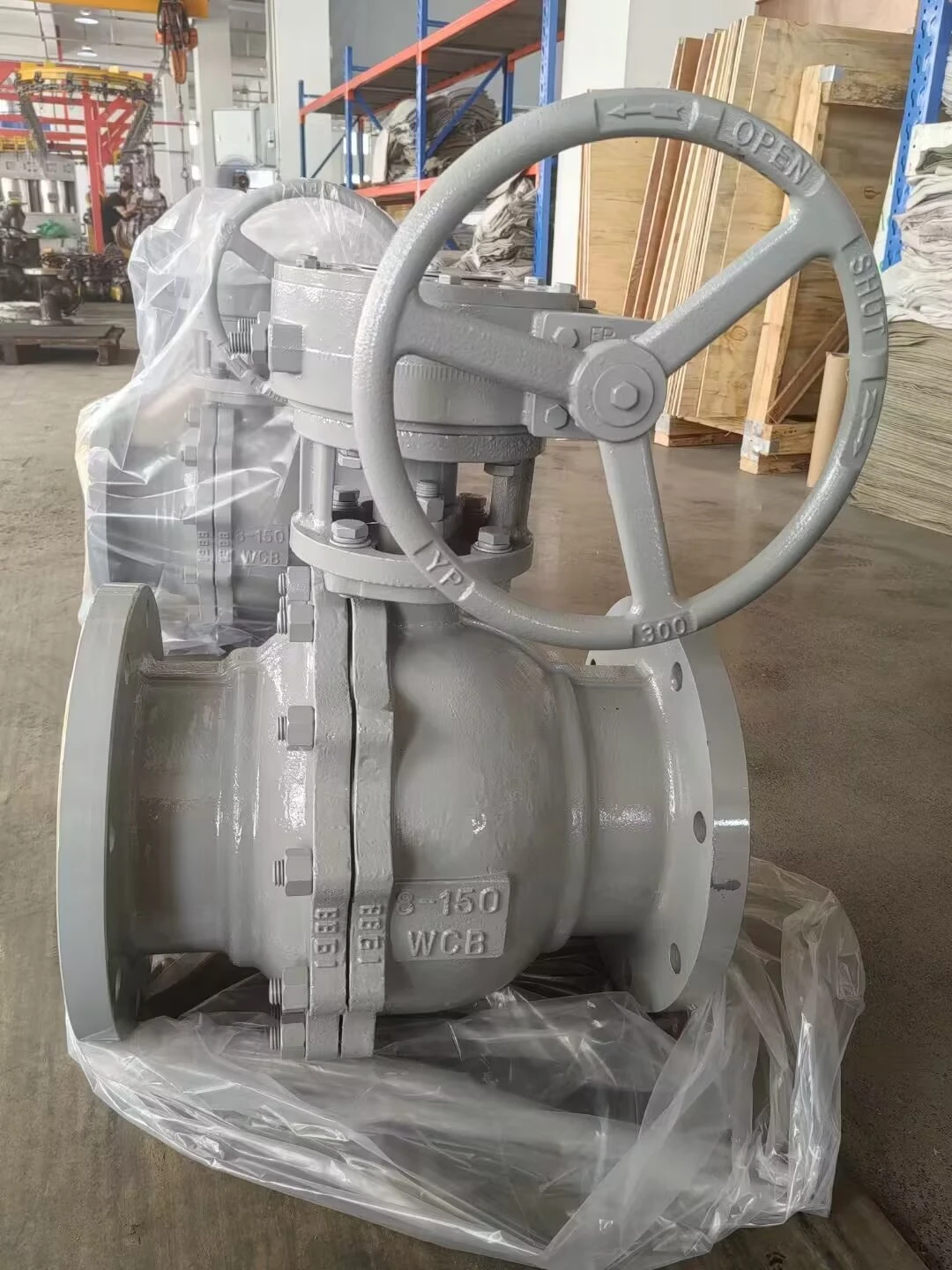
The 1 ½ inch check valve is a critical component in fluid handling systems, designed to permit flow in only one direction, preventing backflow. These valves are fundamental in pipelines across numerous industries including water treatment, chemical processing, oil and gas, and power generation. Their primary function is to protect pumps, compressors, and other sensitive equipment from damage caused by reverse flow, ensuring system integrity and operational efficiency. The 1 ½ inch designation refers to the nominal pipe size, indicating the internal diameter of the valve opening. This size is commonly employed in applications requiring moderate flow rates without excessive pressure drop. The performance of a check valve is defined by its cracking pressure, flow coefficient (Cv), leakage rate, and material compatibility with the conveyed fluid. Selecting the appropriate check valve requires a thorough understanding of these parameters and the specific demands of the application, focusing on minimizing energy loss and maximizing reliability.
Material Science & Manufacturing
The body of a 1 ½ inch check valve is commonly manufactured from materials such as ductile iron (ASTM A536-83), carbon steel (ASTM A105), stainless steel (304/316 – ASTM A351), and various polymers like PVC, CPVC, and PP. The choice of material is dictated by the fluid being conveyed, the operating temperature, and the pressure requirements. Ductile iron offers high strength and corrosion resistance for water and wastewater applications. Carbon steel is suitable for high-pressure, high-temperature applications, often requiring protective coatings to prevent corrosion. Stainless steel provides superior corrosion resistance, vital in chemical processing and pharmaceutical industries. Polymeric valves are lightweight and cost-effective, ideal for low-pressure, corrosive environments. The internal components – disc, spring, and seat – employ materials chosen for wear resistance and sealing capabilities. Discs are frequently manufactured from stainless steel, bronze (ASTM B584), or reinforced polymers. Springs are typically made of stainless steel (301/304) for corrosion resistance and fatigue life. Seats are often made of EPDM, PTFE, or Buna-N, selected based on chemical compatibility. Manufacturing processes involve casting or forging the body, followed by machining to precise dimensions. Disc and seat surfaces undergo lapping or grinding to ensure a tight seal. Welding processes, conforming to AWS D1.1 standards, are used for steel valves. Polymer valves are primarily produced by injection molding (ASTM D4101). Critical parameters during manufacturing include dimensional accuracy, surface finish, and weld quality. Non-destructive testing (NDT), such as radiography and ultrasonic testing, is employed to verify weld integrity and detect internal defects.

Performance & Engineering
The performance of a 1 ½ inch check valve hinges on several engineering principles. Flow analysis considers the pressure drop across the valve, governed by the valve’s Cv (flow coefficient) and the fluid velocity. Bernoulli's principle dictates the relationship between fluid velocity and pressure; a constricted flow path introduces pressure loss. The valve’s design minimizes this loss through streamlined flow paths and optimized disc geometry. Force analysis involves calculating the forces acting on the disc due to fluid flow and spring preload. The spring force must overcome the hydrodynamic forces to ensure positive closure and prevent backflow. Fatigue analysis is crucial, particularly for valves subjected to cyclical operation. The disc, spring, and seat are subject to fatigue stresses, necessitating material selection and design features to maximize service life. Environmental resistance is paramount. Corrosion can degrade the valve body and internal components, leading to leakage and failure. Material selection based on chemical compatibility and the use of protective coatings are critical. Temperature fluctuations cause thermal expansion and contraction, which must be accounted for in the valve design to maintain sealing integrity. Compliance requirements vary based on the application and industry. For potable water systems, valves must meet NSF/ANSI 61 standards for lead content and extractables. Valves used in hazardous locations must comply with ATEX or IECEx standards for explosion protection. Pressure vessel directives (PED – 2014/68/EU) govern the design and manufacturing of valves used in pressure systems.
Technical Specifications
| Parameter | Unit | Specification Range | Typical Value |
|---|---|---|---|
| Nominal Pipe Size | inch | 1.5 | 1.5 |
| Maximum Operating Pressure | psi | 125 - 600 | 200 |
| Operating Temperature | °F | -20 to 250 | 70 |
| Cracking Pressure | psi | 0.5 - 5 | 2 |
| Flow Coefficient (Cv) | GPM | 20 - 80 | 50 |
| Leakage Rate | % of set flow | <0.1 | <0.05 |
Failure Mode & Maintenance
Common failure modes for 1 ½ inch check valves include seat erosion, disc sticking, spring failure, and body corrosion. Seat erosion occurs due to abrasive particles in the fluid stream, leading to increased leakage. Disc sticking is caused by debris accumulation or corrosion, preventing the valve from opening or closing properly. Spring failure results from fatigue or corrosion, reducing the valve’s closing force and causing backflow. Body corrosion compromises the valve’s structural integrity and can lead to catastrophic failure. Failure analysis typically involves visual inspection, dimensional measurements, and material testing. Non-destructive testing, such as liquid penetrant testing and ultrasonic testing, can reveal internal cracks and defects. Preventive maintenance is crucial for maximizing valve life. Regular inspection should include checking for leaks, corrosion, and debris accumulation. Periodic lubrication of moving parts reduces friction and prevents sticking. Replacement of worn seats and springs restores the valve’s sealing performance. For valves operating in corrosive environments, periodic coating inspection and repair are essential. Proper storage and handling procedures minimize damage during transportation and installation. When replacing a check valve, ensure the new valve is compatible with the fluid being conveyed and meets the required pressure and temperature ratings. Always follow the manufacturer’s recommendations for installation and maintenance. Periodic full-stroke testing verifies functionality and identifies potential issues before they lead to process disruptions.
Industry FAQ
Q: What are the key differences between swing check valves and lift check valves for a 1 ½ inch application?
A: Swing check valves utilize a hinged disc that swings open with flow and closes against a seat due to gravity and backflow. They offer lower pressure drop but are susceptible to water hammer and may not be suitable for pulsating flows. Lift check valves employ a disc that lifts off the seat with flow and is seated by gravity and backflow. They are better suited for pulsating flows and minimize water hammer, but generally have a higher pressure drop than swing check valves.
Q: How does material selection impact the longevity of a 1 ½ inch check valve in a seawater application?
A: Seawater is highly corrosive due to its salt content. Selecting materials with high corrosion resistance is crucial. Duplex stainless steel (e.g., 2205) or super duplex stainless steel offer superior resistance compared to 316 stainless steel. Consider coatings like epoxy or polyurethane for additional protection. Bronze alloys, specifically those with high nickel content, also provide good seawater resistance.
Q: What is the significance of the cracking pressure specification for a 1 ½ inch check valve?
A: Cracking pressure is the minimum differential pressure required for the valve to begin to open. A lower cracking pressure allows the valve to respond to smaller pressure changes, reducing the risk of backflow. However, excessively low cracking pressures can lead to valve chatter. The optimal cracking pressure depends on the specific application and flow conditions.
Q: What non-destructive testing (NDT) methods are commonly used to verify the quality of welded 1 ½ inch check valve bodies?
A: Radiographic testing (RT) is widely used to detect internal defects in welds. Ultrasonic testing (UT) provides high sensitivity for detecting surface and subsurface flaws. Liquid penetrant testing (PT) identifies surface cracks and porosity. Magnetic particle testing (MT) is used for ferromagnetic materials to detect surface and near-surface defects.
Q: How often should a 1 ½ inch check valve in a chemical processing plant be inspected and maintained?
A: The inspection and maintenance frequency depend on the process conditions and the valve's service history. A minimum annual inspection is recommended, including visual checks for corrosion, leaks, and debris accumulation. More frequent inspections (e.g., quarterly) may be necessary for critical applications or when handling aggressive chemicals. Regular maintenance should include lubrication, seat replacement, and spring inspection.
Conclusion
The 1 ½ inch check valve is an indispensable component in fluid handling systems, demanding careful consideration of material science, manufacturing processes, and performance parameters. Proper selection and maintenance are vital for ensuring reliability, preventing costly downtime, and maintaining process integrity. Understanding the potential failure modes and implementing a proactive maintenance program are paramount for maximizing the valve's service life.
Advancements in check valve technology continue to focus on minimizing pressure drop, enhancing sealing performance, and improving corrosion resistance. The integration of smart valve technology, including sensors and remote monitoring capabilities, is enabling predictive maintenance and optimizing operational efficiency. Future trends include the development of lightweight, high-strength materials and the implementation of advanced coating technologies to further enhance valve durability and performance.
-
Top Reasons to Choose a Stainless Steel Flange Check Valve for Industrial Applications
-
check valve with orifice Performance Analysis
-
check valve 8 inch Performance Analysis
-
1 1 2 inch check valve Performance Analysis
-
cast iron check valves Performance Analysis
-
teejet check valves Performance Analysis
-
teejet check valve Performance Analysis
-
8 inch check valve Performance Analysis
-
wafer style check valves Performance Analysis
-
3 4 spring check valve Performance Analysis
-
butterfly check valves Performance Analysis
-
electric check valve Performance Engineering
-
electric check valves Performance Analysis
-
Threaded Check Valves Performance Analysis
-
6 inch check valve Performance Analysis
 Afrikaans
 Albanian
 Amharic
 Arabic
 Armenian
 Azerbaijani
 Basque
 Belarusian
 Bengali
 Bosnian
 Bulgarian
 Catalan
 Cebuano
 Corsican
 Croatian
 Czech
Czech
 Danish
 Dutch
Dutch
 Esperanto
 Estonian
 Finnish
 French
 Frisian
 Galician
 Georgian
 German
 Greek
Greek
 Gujarati
 Haitian Creole
 Hausa
Hawaiian
Hausa
Hawaiian
 Hebrew
 Hindi
Hindi
 Miao
Miao
 Hungarian
 Icelandic
 Igbo
Igbo
 Indonesian
 Irish
Irish
 Italian
 Japanese
 Javanese
Kannada
Javanese
Kannada
 Kazakh
 Khmer
Khmer
 Rwandese
 Korean
 Kurdish
 Kyrgyz
 Lao
Lao
 Latin
Latin
 Latvian
 Lithuanian
 Luxembourgish
 Macedonian
 Malgashi
 Malay
Malay
 Malayalam
 Maltese
 Maori
Maori
 Marathi
 Mongolian
 Myanmar
 Nepali
 Norwegian
 Norwegian
 Occitan
 Pashto
 Persian
 Polish
 Portuguese
Punjabi
Portuguese
Punjabi
 Romanian
 Russian
 Samoan
 Scottish Gaelic
 Serbian
 Sesotho
 Shona
Shona
 Sindhi
 Sinhala
 Slovak
 Slovenian
 Somali
 Spanish
 Sundanese
 Swahili
 Swedish
Tagalog
Swedish
Tagalog
 Tajik
Tajik
 Tamil
Tamil
 Tatar
Tatar
 Telugu
 Thai
Thai
 Turkish
 Turkmen
 Ukrainian
 Urdu
Urdu
 Uighur
 Uzbek
Uzbek
 Vietnamese
 Welsh
Welsh
 Bantu
Bantu
 Yiddish
 Yoruba
 Zulu
Zulu
 English